
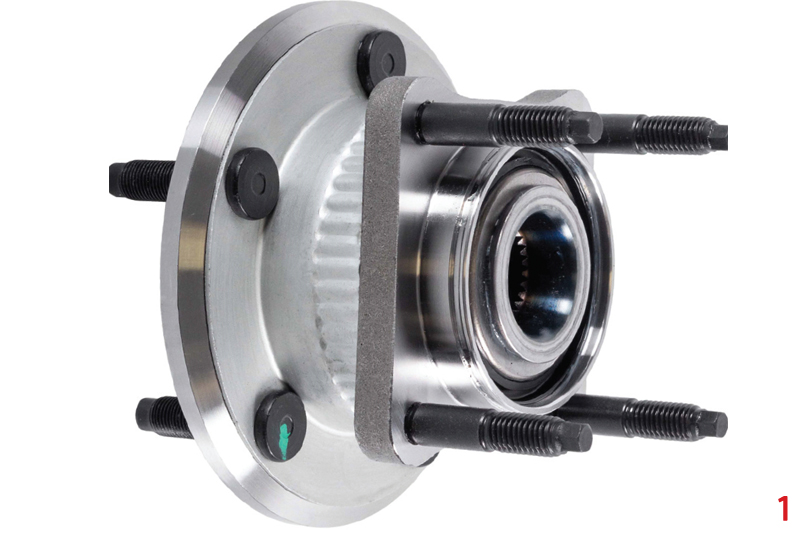
If you own a Jeep Grand Cherokee, you probably love its strong performance and ability to handle tough roads. But like any vehicle, parts wear out over time. One part that often needs replacing is the wheel bearing. A bad wheel bearing can make your Jeep noisy, affect how it drives, and even become dangerous if ignored. Replacing a wheel bearing may sound difficult, but with the right tools and guidance, many DIYers can handle this job at home. In this guide, you’ll learn how to spot a worn bearing, what you need for the repair, and how to change it step by step. We’ll also share common mistakes people make and how to avoid them, so you can get your Jeep back on the road safely and confidently.
Why Wheel Bearings Matter On Your Jeep Grand Cherokee
A wheel bearing is a small but important part that lets your wheels spin smoothly. It sits inside the wheel hub assembly and supports the weight of your Jeep while reducing friction. If the bearing goes bad, you might hear grinding or humming noises, feel vibration, or notice your tires wearing out faster. In serious cases, a failed bearing can make you lose control of your vehicle.
Ignoring a bad bearing is never a good idea. It can damage other parts like the hub, axle, or brakes. Plus, in states with strict vehicle inspections, a noisy wheel bearing might cause your Jeep to fail the test.
Signs Your Wheel Bearing Needs Replacing
Knowing when your Jeep Grand Cherokee wheel bearing needs replacement can save you time and money. Watch for these warning signs:
- Unusual noises – Grinding, humming, or growling sounds coming from the wheel area, especially when turning or speeding up.
- Wheel wobble – You might feel looseness or play in the wheel if you shake it by hand while the Jeep is lifted.
- Steering problems – The Jeep may pull to one side, or the steering feels less responsive.
- ABS warning light – Some models have the ABS sensor built into the hub. A failed bearing can trigger a warning light.
- Uneven tire wear – Bad bearings can make your tires wear out faster or unevenly.
If you notice one or more of these signs, it’s best to check your wheel bearings as soon as possible.
Tools And Parts You’ll Need
Changing a wheel bearing on a Jeep Grand Cherokee isn’t hard if you have the right tools. Here’s what you’ll need:
- New wheel bearing and hub assembly (make sure it matches your Jeep’s year and model)
- Socket set (including large axle nut socket, usually 32mm or 36mm)
- Breaker bar and torque wrench
- Jack and sturdy jack stands
- Pry bar
- Screwdrivers
- Hammer and punch
- Pliers
- WD-40 or penetrating oil
- Rubber mallet
- Bungee cord or wire (to hang the brake caliper)
- Gloves and safety glasses
Having all these tools ready before you start will make the job smoother and safer.
Preparing Your Jeep For Wheel Bearing Replacement
Safety comes first. Park your Jeep Grand Cherokee on a flat surface and set the parking brake. Loosen the wheel lug nuts slightly before lifting the vehicle. Use a strong jack to lift the Jeep, and always support it with jack stands under the frame. Never rely on the jack alone.
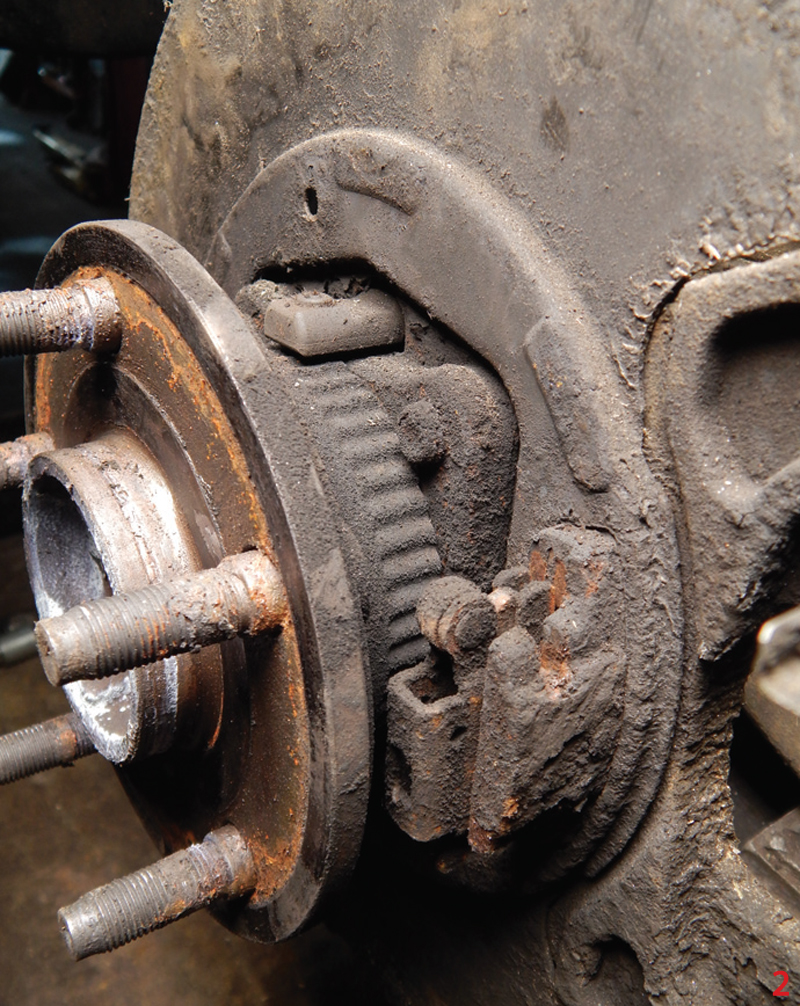
Remove the wheel to expose the brake system and hub. This is also a good time to check your brakes and suspension for other wear or damage.
Credit: pmmonline.co.uk
Step-by-step Guide: How To Replace The Wheel Bearing
Changing the wheel bearing on a Jeep Grand Cherokee usually takes 2-4 hours, depending on your skill and how rusty the parts are. Here’s a practical, step-by-step process.
1. Remove The Brake Caliper And Rotor
First, remove the brake caliper by loosening the bolts at the back. Use a bungee cord or wire to hang the caliper from the suspension—don’t let it hang by the brake hose. Next, slide off the brake rotor. If it’s stuck, gently tap with a rubber mallet.
2. Remove The Axle Nut
Take off the axle nut using a large socket (usually 32mm or 36mm) and a breaker bar. You may need someone to press the brakes while you loosen the nut.
3. Disconnect The Wheel Hub Assembly
Find the bolts holding the hub to the steering knuckle (usually three or four). Spray them with penetrating oil if they’re rusty. Remove these bolts with your socket set.
On some models, you’ll need to unplug the ABS sensor wire from the hub. Be careful not to damage it if you plan to reuse it.
4. Remove The Old Wheel Bearing
The hub may be stuck after years of use. Tap around the back of the hub with a hammer and punch to loosen it. If it’s really stubborn, a puller tool can help. Once the hub is free, pull it out and set it aside.
5. Clean The Mounting Surface
Before installing the new hub, use a wire brush to clean any rust or dirt from the surface where the hub sits. This helps the new bearing fit flat and last longer.
6. Install The New Wheel Bearing Assembly
Slide the new hub and bearing assembly into place. Make sure it’s lined up with the holes for the bolts. Tighten the hub bolts evenly to the manufacturer’s torque specs. Don’t guess—using a torque wrench is important.
Plug in the ABS sensor wire if needed.
7. Reinstall The Axle Nut, Rotor, And Caliper
Install the axle nut and tighten it to the correct torque. Put the brake rotor back, then remount the caliper. Double-check all bolts are tight and the sensor wire is secure.
8. Reattach The Wheel And Lower The Vehicle
Put the wheel back on and hand-tighten the lug nuts. Lower the Jeep off the jack stands, then torque the lug nuts to the correct spec in a star pattern.
9. Test Drive And Check
Start the Jeep and check for any warning lights. Go for a short test drive at low speed, listening for any odd noises. If everything feels smooth and quiet, you’ve done the job right.
Comparing Oem And Aftermarket Wheel Bearings
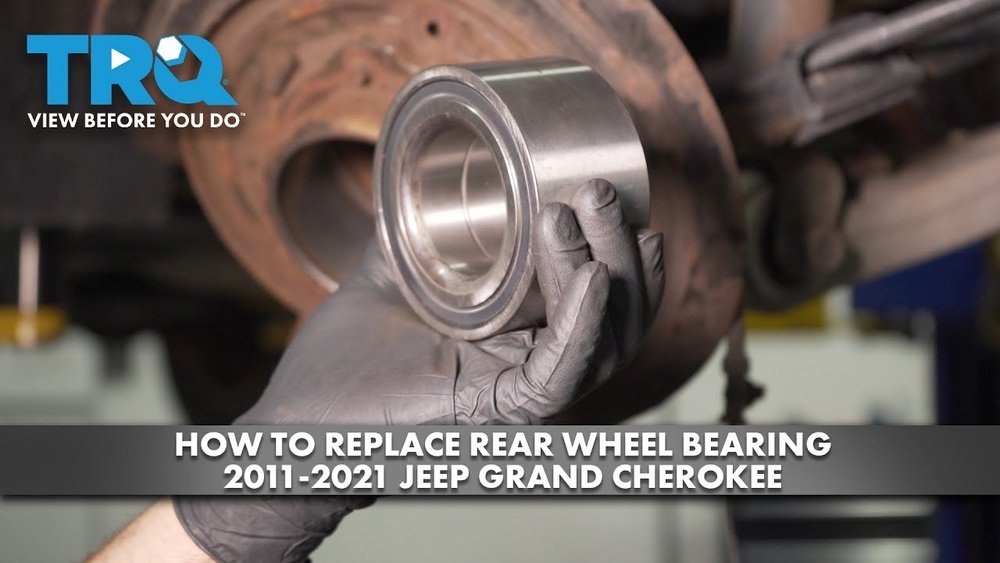
When you buy a wheel bearing, you’ll see two main choices: OEM (Original Equipment Manufacturer) and aftermarket. Here’s a quick comparison to help you decide:
| Feature | OEM | Aftermarket |
|---|---|---|
| Price | Higher | Lower |
| Quality | Consistent | Varies by brand |
| Warranty | Usually longer | Shorter or varies |
| Fit | Exact | May need adjustment |
OEM parts cost more but match your Jeep perfectly. Good aftermarket brands can save money and work well if you check reviews and buy from trusted sellers.

Credit: www.youtube.com
Common Mistakes To Avoid
Replacing a wheel bearing isn’t complicated, but small mistakes can lead to bigger problems. Here are some pitfalls to watch for:
- Skipping the torque wrench – Always use a torque wrench for axle and hub bolts. Overtightening or undertightening can damage parts or cause the bearing to fail early.
- Forgetting to clean surfaces – Rust or dirt under the new hub can make it sit unevenly, causing noise or wear.
- Damaging the ABS sensor – Pulling or twisting the sensor wire can break it, leading to warning lights or ABS failure.
- Not checking other parts – Bad bearings can also damage the hub, knuckle, or brakes. Inspect and replace anything worn.
- Ignoring test drives – Always test drive after repair to catch any problems right away.
Most beginners miss how much cleaning and careful tightening matter. Rushing through these steps is a common reason for a noisy or short-lived replacement.
When To Replace One Bearing Vs. Both
A common question: should you replace just one wheel bearing or both? If only one bearing is bad, it’s fine to replace just that one. But if your Jeep has high mileage (over 100,000 miles) or both sides are noisy, consider changing both. This can save time and help avoid repeated repairs.
Some mechanics always do both sides, but that’s not required unless there are symptoms on both.
Estimated Cost Of Wheel Bearing Replacement
You may wonder how much this repair will cost. Here’s a simple cost breakdown:
| Item | DIY Cost | Shop Cost |
|---|---|---|
| Wheel Bearing Assembly | $80–$180 each | Included |
| Labor | Your time | $200–$350 per side |
| Total (per wheel) | $80–$180 | $280–$530 |
Doing the work yourself can save hundreds of dollars, but if you’re not comfortable or lack tools, paying a shop is safer.
How Long Do Wheel Bearings Last?
A quality wheel bearing on a Jeep Grand Cherokee typically lasts 100,000 to 150,000 miles, but harsh driving, water, or off-road use can shorten this life. If you use your Jeep in rough conditions, inspect the bearings at each brake job.
Credit: pmmonline.co.uk
Extra Tips For A Smooth Replacement
- Use anti-seize on the hub bolts before reassembly. This makes future repairs easier.
- Double-check part numbers to avoid getting the wrong bearing. Even small differences in model years can matter.
- Keep everything organized as you remove parts, so reassembly is simple.
- If the hub is very stuck, a hub puller tool can save hours of work.
- Clean and inspect the axle splines before reassembly. Dirt or rust here can cause problems.
Many people don’t realize how much time they can save with the right puller tool or by spraying bolts with penetrating oil the night before. These small actions make the job less frustrating.
Sources For More Information
If you need a visual reference, the Jeep Grand Cherokee service manual is a great resource. You can also find step-by-step videos on YouTube or check trusted forums for extra tips. For official specs and maintenance advice, visit the Jeep Official Website.
Frequently Asked Questions
How Can I Tell If My Wheel Bearing Is Bad?
Listen for humming, grinding, or rumbling noises from the wheels, especially while turning. You might also feel vibration or looseness in the wheel.
Can I Drive My Jeep With A Bad Wheel Bearing?
It’s risky. A failed bearing can cause more damage or even make the wheel come off in extreme cases. Replace it as soon as possible.
Do I Need Special Tools To Change A Wheel Bearing?
Most tools are common, but you’ll need a large axle nut socket and a torque wrench. A hub puller can help if parts are stuck.
Should I Replace Both Wheel Bearings At The Same Time?
Not always. If only one is bad, you can replace just that one. If your Jeep has high miles or both sides make noise, consider changing both.
How Long Does It Take To Replace A Wheel Bearing?
For a beginner, expect 2–4 hours per side. It goes faster with experience and the right tools.
Replacing your Jeep Grand Cherokee wheel bearing is a practical job for many home mechanics. With careful work, the right tools, and attention to detail, you’ll enjoy a smoother, quieter ride and save money, too. Always put safety first, follow each step closely, and don’t hesitate to ask for help if you get stuck. Your Jeep will thank you for it.



