
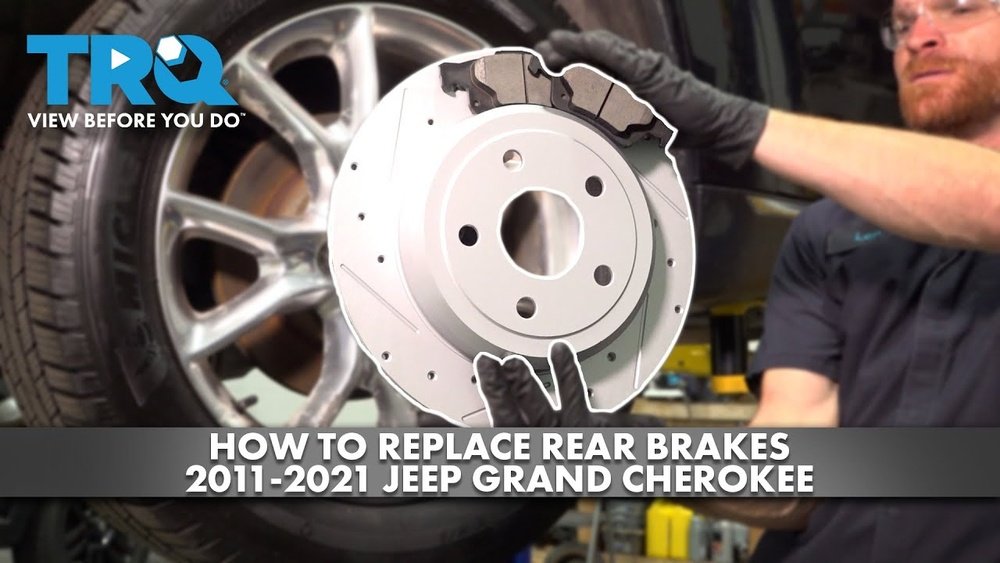
Working on your own car can save money and give you a sense of accomplishment. Replacing the rear brakes on a Jeep Grand Cherokee is a common maintenance task that many owners choose to do themselves. While it might seem difficult at first, with the right tools, guidance, and safety steps, even beginners can change their own brake pads and rotors. This article will walk you through the entire process, from preparation to final checks, and help you avoid common mistakes.
Why Rear Brakes Need Replacement
The rear brakes on your Jeep Grand Cherokee play a critical role in stopping the vehicle safely. Over time, brake pads wear down and lose their effectiveness. Worn-out pads can lead to longer stopping distances, squeaking noises, or even damage to the rotors. Replacing them on time helps you avoid more expensive repairs, keeps your SUV safe, and maintains smooth braking.
Tools And Parts You’ll Need
Before you start, gather all the necessary tools and parts. Having everything ready will make the job faster and reduce the chance of mistakes.
| Tool/Part | Purpose |
|---|---|
| Jack and jack stands | Lift and secure the vehicle |
| Lug wrench | Remove wheel lug nuts |
| Sockets and ratchet | Remove caliper bolts |
| C-clamp or brake caliper tool | Compress caliper piston |
| Brake cleaner | Clean brake parts |
| New brake pads | Replace worn pads |
| New rotors (if needed) | Replace worn or damaged rotors |
| Bungee cord or rope | Hold caliper safely |
| Gloves and safety glasses | Protect hands and eyes |
| Brake grease | Reduce squeaks and wear |
Tip: Check your vehicle’s manual for the correct brake pad and rotor size. Using the wrong parts can cause poor braking or damage.
Preparing Your Jeep Grand Cherokee
Good preparation is half the job. Park the vehicle on a flat surface and engage the parking brake. If you have an automatic transmission, put it in Park; if manual, leave it in gear. Loosen the rear wheel lug nuts slightly before lifting the vehicle—this prevents the wheels from turning while you work.
Place the jack under the recommended lift point, usually near the rear axle, and raise the vehicle. Use jack stands for extra safety and never rely only on the jack. Remove the wheels to access the brakes.
Safety reminder: Always wear gloves and safety glasses. Brake dust can be harmful if inhaled or touched.
Removing The Old Rear Brakes
Step 1: Remove The Caliper
Find the two caliper bolts behind the brake assembly. Use a socket and ratchet to loosen and remove them. Carefully slide the caliper off the rotor. Support the caliper with a bungee cord or rope—do not let it hang from the brake hose, as this can cause damage.
Beginner insight: The caliper may stick due to rust. Gently wiggle it back and forth. Avoid hitting it with metal tools, which can crack or dent the caliper.
Step 2: Remove The Brake Pads
Slide the old brake pads out of the caliper bracket. Notice how they are positioned, as you’ll install the new ones in the same way. If the pads are stuck, gently pry them out with a flathead screwdriver.
Step 3: Remove The Rotor (if Replacing)
If you are replacing the rotors, remove any retaining clips or screws. Pull the rotor off. Sometimes, rust causes the rotor to stick. In that case, tap the rotor gently with a rubber mallet around the edges to loosen it.
Non-obvious tip: Many Jeep Grand Cherokees have a built-in parking brake drum inside the rear rotors. If the rotor does not come off easily, the parking brake may be engaged or the shoes may be holding the rotor. Release the parking brake and try again.
Inspecting Brake Parts For Damage
Take a moment to inspect the caliper, caliper bracket, and other brake hardware. Look for cracked rubber boots, leaking fluid, or uneven wear patterns on the pads and rotors. If you see blue discoloration on the rotor, it means the brakes have overheated. Deep grooves or scoring on the rotor surface mean replacement is necessary.
Pro tip: If your vehicle has over 70,000 miles or you notice vibration when braking, it’s smart to replace the rotors along with the pads.
Installing New Brake Parts
Step 1: Clean The New Rotors
Use brake cleaner to remove any oil or coating from the new rotors. Wipe them with a clean rag. This prevents brake noise and helps the pads wear evenly.
Step 2: Install The Rotor
Slide the new rotor onto the hub. If your vehicle uses retaining screws, reinstall them now.
Step 3: Prepare The Caliper And Pads
Before installing the new pads, you must compress the caliper piston. Use a C-clamp or brake caliper tool to slowly push the piston back into the caliper housing. Do this step gently to avoid damaging the seals.
Apply a thin layer of brake grease to the back of the new pads and on the contact points where the pads slide in the bracket. Avoid getting grease on the friction material.
Step 4: Install New Brake Pads
Slide the new pads into the caliper bracket. Make sure they fit snugly and are aligned with the rotor.
Step 5: Reinstall The Caliper
Position the caliper over the new pads and rotor. Reinstall the caliper bolts and tighten them to the recommended torque. Do not overtighten, as this can strip the threads.
Beginner mistake to avoid: Forgetting to compress the piston will make it impossible to fit the caliper over the new, thicker pads.

Credit: www.youtube.com
Reassembly And Final Checks
Put the wheel back on and hand-tighten the lug nuts. Lower the vehicle from the jack stands, then fully tighten the lug nuts in a crisscross pattern to ensure even pressure.
Pump the brake pedal several times before starting the engine. This moves the caliper piston back into place and ensures a firm pedal feel.
Check the brake fluid level in the master cylinder. Add more if necessary, but don’t overfill.
Quick data comparison: Here’s how often you might need to change your rear brakes, depending on your driving style.
| Driving Type | Average Rear Pad Life (miles) | Rotor Change Frequency |
|---|---|---|
| City driving | 30,000–40,000 | Every 2nd pad change |
| Highway driving | 50,000–70,000 | Every 3rd pad change |
| Mixed driving | 40,000–60,000 | Every 2nd pad change |
Common Problems And How To Fix Them
Even with careful work, you might run into problems. Here are solutions to the most frequent issues:
- Stuck caliper piston: If the piston will not compress, it may be corroded or seized. In this case, replacing the caliper is usually required.
- Brake squeak after replacement: This often means the pads or hardware were installed dry. Remove and apply brake grease to the correct spots.
- Soft brake pedal: If the pedal feels soft, there may be air in the system. Bleed the brakes to remove air.
- Uneven pad wear: Check the caliper slides and hardware for rust or damage. Replace if necessary.
Non-obvious insight: Modern brake pads sometimes include a wear indicator clip that makes a high-pitched noise when the pads are worn. If you hear this after installing new pads, double-check that the indicator is not touching the rotor.
Credit: howtoo.com
How To Test Your New Brakes
Testing is a vital step. Start your Jeep Grand Cherokee and, before driving, press the brake pedal several times to confirm a firm, steady feel. Drive at low speed in a safe area and gently apply the brakes. Listen for unusual noises or vibrations.
Repeat this test a few times, increasing speed slowly each time.
Break-in process: Most new pads need to be “bedded in” for best performance. This usually means making several stops from 30–40 mph to 10 mph, allowing the brakes to cool between stops. Check your pad manufacturer’s instructions for specific steps.
When To Seek Professional Help
While replacing rear brakes is a job many owners can do, some situations require a mechanic:
- If you see brake fluid leaking from the caliper or hose
- If the caliper piston is stuck and cannot be compressed
- If you hear grinding after installation
- If the ABS or brake warning light stays on
In these cases, professional repair is safer and may prevent further damage.
Cost Comparison: Diy Vs Professional Service
Changing your own brakes is usually more affordable than visiting a shop. Here’s a comparison of average costs in the US:
| Service Type | Parts Cost (USD) | Labor Cost (USD) | Total Cost (USD) |
|---|---|---|---|
| DIY (Pads & Rotors) | $110–$250 | $0 | $110–$250 |
| Professional Shop | $110–$250 | $120–$200 | $230–$450 |
Insight: DIY saves you the labor fee, but be honest about your skill level. If you’re not confident, it’s better to pay for professional service than risk your safety.
Maintenance Tips For Longer Brake Life
- Avoid hard stops: Brake gently and anticipate stops to reduce wear.
- Flush brake fluid every 2–3 years: Old fluid attracts moisture and can damage brake parts.
- Inspect brakes every oil change: Catch problems early by checking pad thickness and rotor condition.
- Keep wheels clean: Dirt and road salt can corrode brake parts.

Credit: www.amazon.com
Frequently Asked Questions
How Often Should I Change My Rear Brake Pads?
Most Jeep Grand Cherokee rear brake pads last 30,000 to 60,000 miles, depending on your driving style and conditions. City driving with lots of stops wears pads faster than highway driving.
Do I Need To Replace Rotors Every Time I Change Pads?
No. Rotors only need replacement if they are worn below the minimum thickness, are warped, or have deep grooves. Many owners change rotors every second pad change.
What Type Of Brake Pads Should I Use?
Choose ceramic or semi-metallic pads for most Grand Cherokees. Ceramic pads last longer and produce less dust, but semi-metallic pads are better for heavy towing or off-road use.
Can I Drive Right Away After Replacing Brakes?
Yes, but drive gently at first. Follow the brake pad break-in procedure if recommended, and avoid hard stops for the first 200 miles.
Where Can I Find More Information About Jeep Brakes?
For detailed specs and diagrams, visit the Jeep Grand Cherokee Wikipedia page.
Replacing the rear brakes on your Jeep Grand Cherokee is a valuable skill that can save you hundreds of dollars and give you confidence in your vehicle’s safety. With careful attention, patience, and the right tools, you can keep your SUV running smoothly for years to come.



