
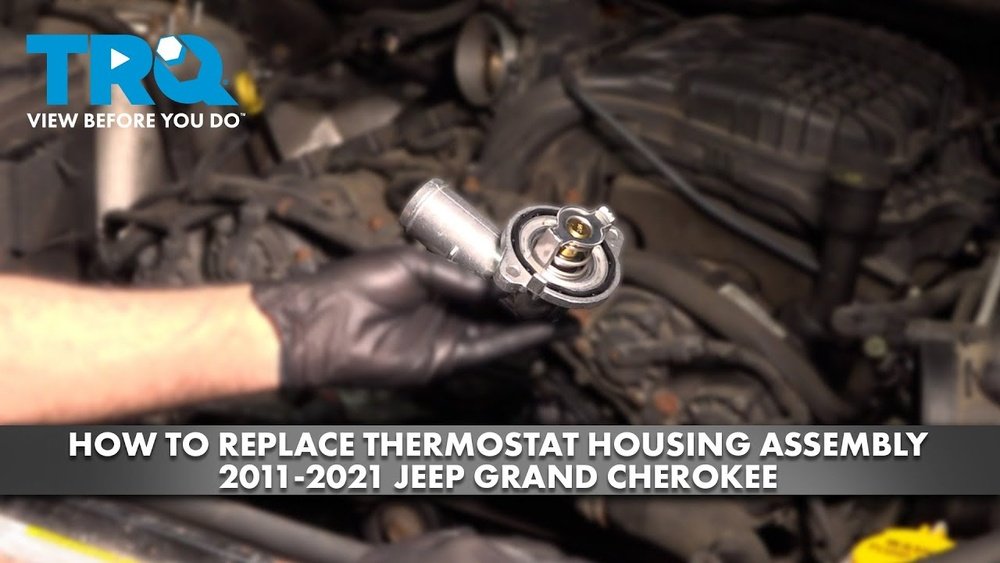
If your Jeep Grand Cherokee is running hot or takes too long to warm up, the thermostat could be the culprit. The thermostat is a small, but vital part of your vehicle’s cooling system. When it fails, it can cause engine overheating or poor fuel economy. Many owners worry that replacing it is too complex or requires expensive tools. But with some patience and careful steps, you can do it yourself—even if you’re not a professional mechanic. This guide will walk you through the entire process, with practical advice, real-world tips, and clear explanations, so you can confidently replace the thermostat in your Jeep Grand Cherokee.
Understanding The Thermostat’s Role
The thermostat controls the flow of coolant between the engine and the radiator. When you start your Jeep, the thermostat stays closed so the engine warms up quickly. Once it reaches the right temperature, the thermostat opens, letting coolant flow to keep the engine from overheating.
If the thermostat is stuck closed, the engine overheats. If it’s stuck open, the engine might not reach the correct temperature, causing poor performance and higher fuel use. A bad thermostat can also trigger the check engine light.
Signs Your Thermostat Needs Replacement
Before you start working, it’s important to make sure the thermostat is really the problem. Common signs include:
- Temperature gauge fluctuates: The gauge moves up and down quickly or stays in the red zone.
- Heater not working: The cabin doesn’t get warm, even when the engine is hot.
- Coolant leaks: You see puddles under your Jeep, usually near the front.
- Check engine light: Error codes for engine temperature or cooling system.
- Overheating: The engine temperature climbs rapidly, especially in traffic.
Sometimes, these symptoms can be caused by other issues like a bad radiator cap or a coolant leak. So, always check for these first.

Credit: azerbaijantoday.az
Tools And Parts You’ll Need
Replacing the thermostat doesn’t require special tools, but being prepared makes the job much easier. Here’s what you’ll need:
- New thermostat (make sure it fits your Jeep’s year and engine)
- New thermostat gasket or seal
- Coolant (check your manual for the correct type)
- Socket set (typically 8mm to 13mm sockets)
- Ratchet wrench
- Screwdrivers
- Drain pan
- Pliers
- Clean rags
- Gasket scraper or razor blade
- Torque wrench (optional but helpful)
- Gloves and safety glasses
Most local auto parts stores can help you find the right thermostat for your model. If you’re unsure, bring your VIN or the old part for comparison.
Preparing Your Jeep Grand Cherokee
Safety is key when working with your car’s cooling system. Hot coolant can cause burns, and a hot engine is dangerous. Here’s how to prepare:
- Let the engine cool: Wait at least 2 hours after driving.
- Disconnect the battery: This prevents accidental shorts or electrical issues.
- Lift the vehicle (if needed): Use a jack and stands if you need more space underneath.
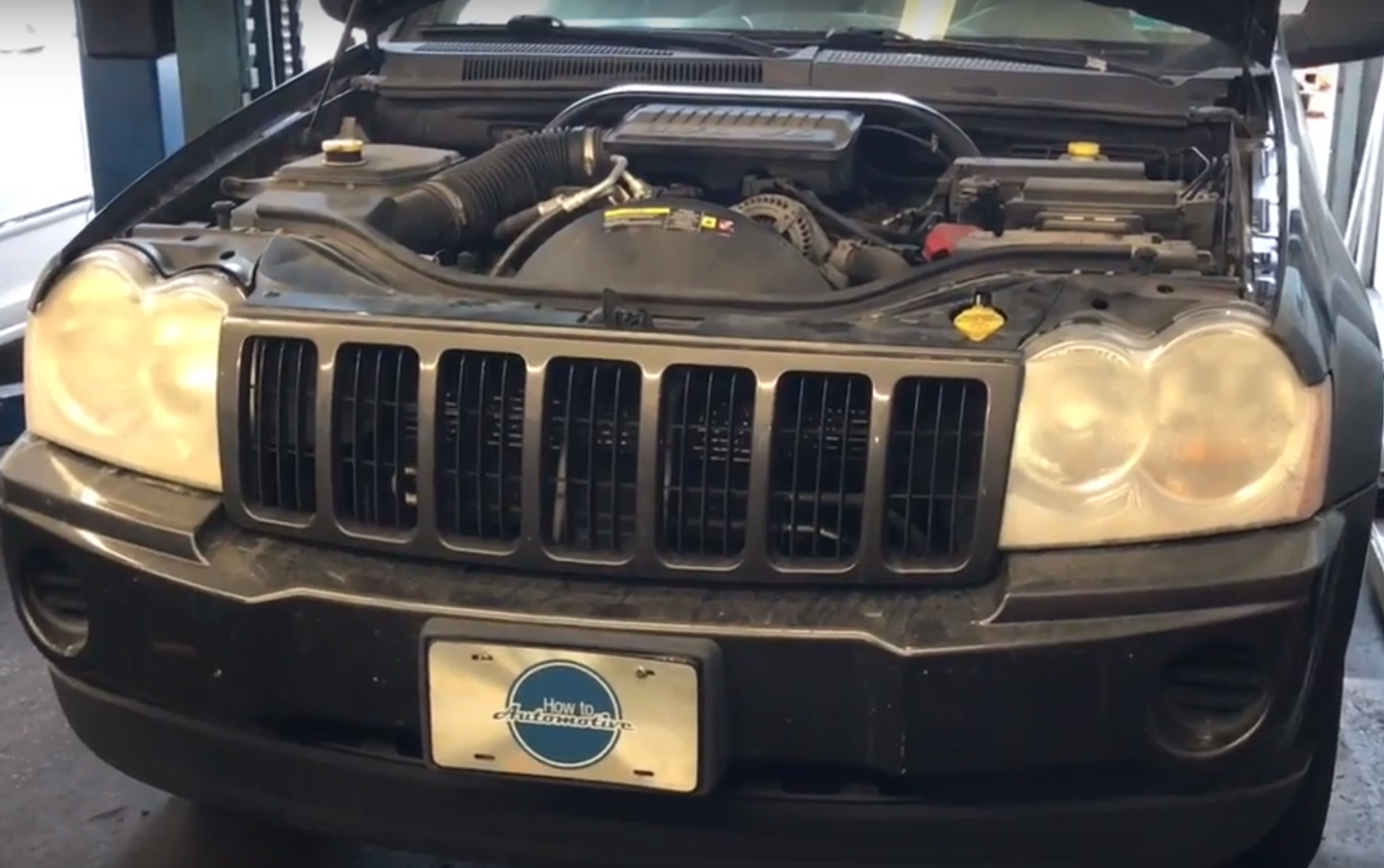
- Locate the thermostat housing: In most Grand Cherokees, it’s at the engine end of the upper radiator hose.
Always work in a well-ventilated area, and keep pets and children away from spilled coolant.
Credit: www.howtoautomotive.com
Step-by-step Thermostat Replacement
Now, let’s get into the detailed process. These steps apply to most Jeep Grand Cherokee models, but always check your owner’s manual for any differences.
1. Drain The Coolant
First, you need to drain the coolant so it doesn’t spill everywhere.
- Place a drain pan under the radiator drain plug.
- Open the radiator cap (slowly, to release pressure) and the drain plug.
- Let the coolant flow into the pan.
- Close the drain plug once finished.
Non-obvious tip: Some Jeep models don’t have a radiator drain plug. In this case, loosen the lower radiator hose clamp and gently pull the hose to let coolant drain.
2. Remove The Thermostat Housing
- Follow the upper radiator hose to the engine. The thermostat housing is where it connects.
- Use pliers to remove the hose clamp, then slide the hose off.
- Remove the bolts on the housing with your socket set.
- Carefully pull off the housing. If it’s stuck, tap it gently with a rubber mallet.
Hidden insight: The thermostat housing bolts are easy to drop. Place a magnet under your workspace to catch any that fall.
3. Remove The Old Thermostat
- Note how the thermostat is installed. The spring side usually goes into the engine.
- Remove the old thermostat.
- Use a gasket scraper or razor blade to remove any old gasket material from the housing and engine surface. Wipe clean.
Beginner mistake: Don’t scratch or gouge the metal surface while scraping. This can cause leaks later.
4. Install The New Thermostat
- Place the new thermostat in the same orientation as the old one.
- Fit a new gasket or O-ring. Some thermostats come with a rubber seal instead of a gasket.
- Seat the thermostat and gasket carefully to prevent leaks.
Pro tip: Some thermostats have a small bleed hole. Make sure it’s facing up to allow trapped air to escape.
5. Reattach The Housing And Hose
- Reinstall the thermostat housing. Hand-tighten the bolts first, then use a wrench. Do not overtighten—this can crack the housing.
- Reattach the upper radiator hose and clamp.
If you have a torque wrench, check your manual for the correct bolt tightness. For most models, it’s between 15–18 ft-lbs.
6. Refill The Coolant
- Pour new coolant into the radiator until full.
- Fill the coolant reservoir to the “Full” mark.
- With the radiator cap off, start the engine and let it run until warm. This helps remove air pockets.
- Watch the temperature gauge and add coolant as needed.
Non-obvious insight: Squeeze the upper radiator hose a few times as the engine warms up. This helps push air bubbles out of the system.
7. Check For Leaks And Test Drive
- Turn off the engine and let it cool for 10–15 minutes.
- Check for leaks around the thermostat housing and hoses.
- Top off coolant if needed.
- Take your Jeep for a short drive, watching the temperature gauge. Make sure the heater works and the engine stays in the normal temperature range.
If everything looks good, you’ve done the job right.
Common Problems And Solutions
Sometimes, things don’t go as planned. Here are some issues you might face and how to solve them:
- Leaking after replacement: Double-check the gasket and bolt tightness. Make sure the surfaces are completely clean.
- Engine still overheating: You might have a trapped air bubble. Re-bleed the cooling system.
- Temperature gauge not moving: The coolant sensor could be unplugged, or you might have installed the thermostat backwards.
- Coolant smells sweet or looks milky: This could mean a bigger issue like a blown head gasket. Seek professional help.
Costs And Time Estimates
Many Jeep owners want to know if DIY thermostat replacement saves money. Here’s a quick comparison:
| Replacement Option | Average Cost (USD) | Time Needed |
|---|---|---|
| DIY (Parts Only) | $30 – $75 | 1 – 2 hours |
| Professional Mechanic | $150 – $300 | 2 – 3 hours (including wait) |
Doing it yourself can save over $100, and the process is manageable for most people with basic tools.
How To Choose The Right Thermostat
Not all thermostats are the same. Picking the right one is important for your Jeep’s performance.
| Thermostat Type | Opening Temperature (°F) | Best For |
|---|---|---|
| OEM (Original Equipment) | 195–203 | Stock engines, daily driving |
| Low-Temperature | 180–190 | Hot climates, performance use |
| High-Temperature | 205–210 | Very cold climates |
OEM thermostats are usually the best choice for most drivers. Low-temp thermostats can help in hot places, but may cause poor fuel economy in winter.
Mistakes To Avoid
Some common errors can lead to leaks, poor performance, or even engine damage. Here’s what to watch for:
- Not letting the engine cool: Opening the system when hot is dangerous.
- Forgetting the gasket: Skipping the new gasket causes leaks.
- Overtightening bolts: This can crack the housing.
- Wrong thermostat orientation: The spring end must face the engine.
- Not bleeding the system: Air pockets can cause overheating.
Taking a few extra minutes to double-check your work can prevent costly problems.
How To Dispose Of Old Coolant Safely
Used coolant is poisonous to people and animals. Never pour it down the drain or on the ground.
- Collect coolant in a sealed container.
- Take it to a recycling center or auto parts store that accepts used fluids.
- Wipe up spills immediately.
Proper disposal is required by law in many places and keeps the environment safe.
Real-world Tips From Experienced Jeep Owners
Many first-timers rush the process or skip steps. Here are two insights from seasoned Jeep owners:
- Label bolts and parts: Place small bolts and clamps in cups or bags, labeling them as you go. This prevents confusion during reassembly.
- Check hoses for wear: If your upper radiator hose is old or swollen, replace it at the same time. It’s cheap insurance against future leaks.
These small actions make a big difference, especially if you take breaks or get interrupted.
When To Seek Professional Help
While most Jeep Grand Cherokee owners can replace a thermostat with basic tools, some situations call for a mechanic:
- You see coolant mixing with oil (milky color).
- The thermostat housing is badly corroded or cracked.
- You’re not comfortable working with engines.
- There are electrical issues or engine codes you can’t clear.
A professional can diagnose deeper problems and ensure your Jeep stays reliable.

Credit: www.youtube.com
Frequently Asked Questions
What Temperature Thermostat Should I Use In My Jeep Grand Cherokee?
Most Jeep Grand Cherokees use a 195°F thermostat for the best balance of performance and efficiency. Always check your owner’s manual or ask your dealer if you’re unsure.
How Long Does It Take To Replace The Thermostat?
For most people, it takes 1 to 2 hours to replace the thermostat, including draining and refilling the coolant. If it’s your first time, give yourself extra time to work carefully.
Can I Drive My Jeep With A Bad Thermostat?
It’s not recommended. A stuck-closed thermostat can cause overheating, leading to engine damage. A stuck-open thermostat can make the engine run too cool, causing poor mileage and emissions.
Do I Need To Bleed The Cooling System After Replacing The Thermostat?
Yes, bleeding the cooling system removes trapped air. Air pockets can cause overheating or poor heater performance. Always bleed the system after replacing any cooling part.
Where Can I Find More Detailed Repair Instructions?
For deeper technical details or diagrams, consider checking the official Jeep repair manual or visit Wikipedia’s Jeep Grand Cherokee page for background and resources.
Replacing the thermostat on your Jeep Grand Cherokee is a practical DIY job that saves money and keeps your engine healthy. With the right tools and careful steps, you can tackle this repair confidently and get back on the road with peace of mind.



