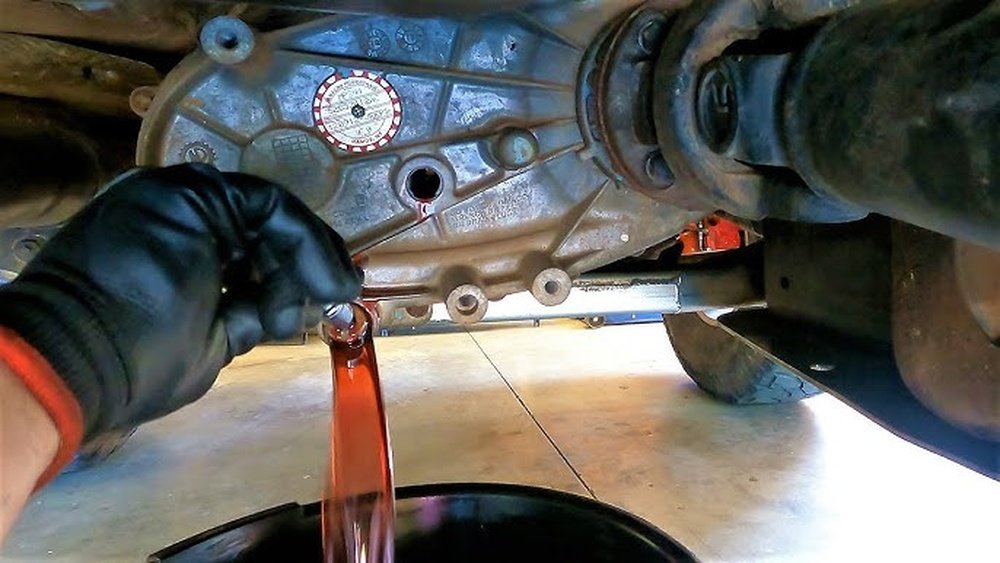
Changing the transfer case fluid in a Jeep Grand Cherokee can seem like a complex task, but with the right steps, it is manageable for many car owners. Regular fluid changes help maintain the health of your vehicle’s drivetrain, prevent premature wear, and ensure smooth performance—especially if you drive off-road or in tough conditions. Neglecting this maintenance can lead to expensive repairs. In this guide, you will learn everything you need to safely and confidently change the transfer case fluid in your Jeep Grand Cherokee, including practical steps, tool recommendations, common mistakes, and answers to questions that often puzzle beginners.
Why Transfer Case Fluid Matters
The transfer case is a crucial part of your Jeep’s four-wheel-drive system. It splits power between the front and rear axles, making sure your SUV can handle slippery roads and rugged trails. The fluid inside lubricates gears, cools moving parts, and helps transfer torque efficiently. Over time, this fluid breaks down due to heat and contamination from water, dirt, or metal shavings.
If you ignore the fluid, you risk:
- Increased friction and heat
- Worn-out gears
- Unusual noises or vibrations
- Expensive repairs
Changing the fluid at recommended intervals (usually every 30,000 to 60,000 miles) keeps your Jeep Grand Cherokee running reliably.
Signs Your Transfer Case Fluid Needs Changing
Some symptoms show your fluid is old or contaminated:
- Grinding noises during shifting
- Difficulty engaging four-wheel drive
- Fluid leaks under the vehicle
- Burnt smell from underneath
- Vibration when turning or accelerating
Even if you notice none of these, it’s smart to follow your owner’s manual for scheduled changes.
Tools And Materials You’ll Need
Preparation is key for a smooth process. Gather these items before you start:
- Socket set (usually 10mm or 13mm)
- Ratchet and extension
- Fluid pump (for adding new fluid)
- Drain pan
- Shop rags or paper towels
- Jack and jack stands (if extra clearance is needed)
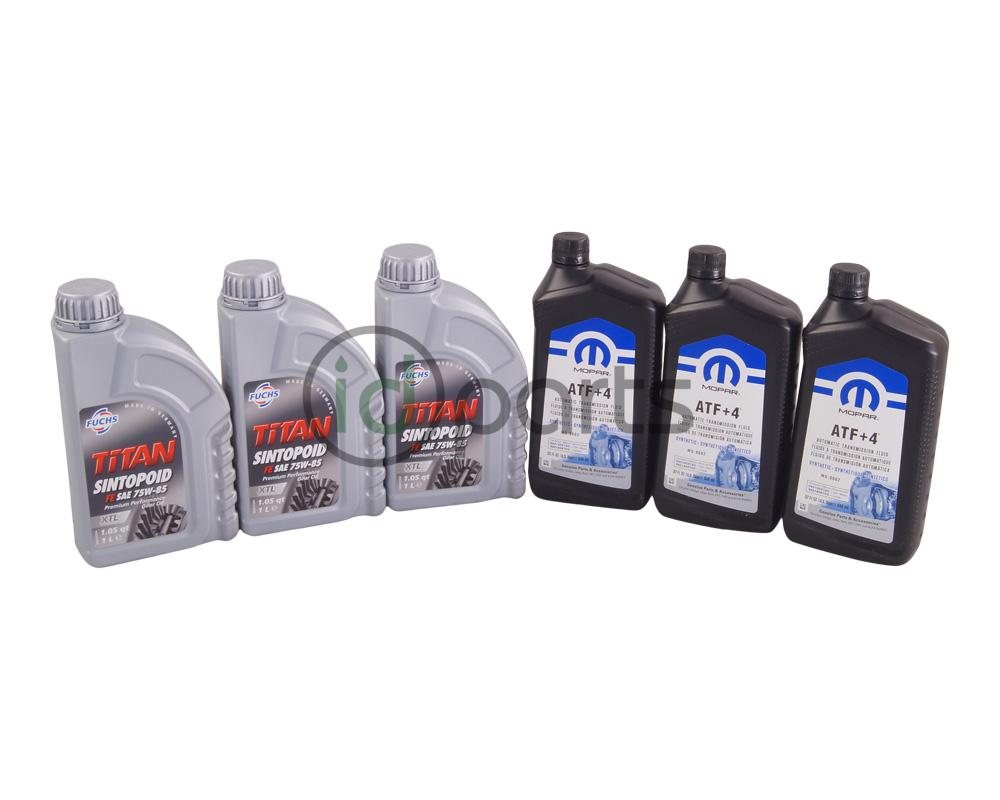
- New transfer case fluid (check your manual for the correct type and quantity)
- Gloves and safety glasses
Having a fluid pump makes refilling much easier—a detail many beginners overlook.
Choosing The Right Transfer Case Fluid
Not all fluids are the same. Using the wrong type can cause damage. Jeep Grand Cherokees may use different transfer cases (like NV245, NV247, or NV242), each with its own fluid requirements.
Here is a quick comparison:
| Transfer Case Model | Recommended Fluid | Approx. Capacity |
|---|---|---|
| NV245/NV247 | Mopar NV245/NV247 fluid | ~2.0 quarts |
| NV242 | ATF+4 (Mopar or equivalent) | ~2.2 quarts |
| Quadra-Trac II | Mopar Transfer Case Lubricant | ~2.0 quarts |
Always check your owner’s manual or the sticker on your transfer case for the right fluid.
Step-by-step: How To Change Jeep Grand Cherokee Transfer Case Fluid
Let’s walk through the process:
1. Park Safely And Prepare
- Park your Jeep on a flat, level surface.
- Engage the parking brake.
- Allow the vehicle to cool if you’ve been driving. Hot fluid can burn.
- For extra clearance, use a jack and jack stands, but never rely on a jack alone.
2. Locate The Transfer Case
The transfer case is under the vehicle, between the transmission and the rear driveshaft. You’ll find two plugs:
- Fill plug (upper)
- Drain plug (lower)
Tip: Always remove the fill plug first. If it’s stuck, you don’t want to drain the fluid and get stranded.
3. Remove The Fill Plug
- Use a ratchet and the correct socket.
- Turn counterclockwise to loosen.
- Set the plug aside on a clean rag.
4. Remove The Drain Plug
- Place the drain pan under the plug.
- Loosen and remove the drain plug.
- Allow all the old fluid to drain out. This can take a few minutes.
A common beginner mistake is to skip cleaning the drain plug. Many plugs have a magnet to catch metal shavings—clean it well before reinstalling.
5. Inspect The Old Fluid
Check the drained fluid:
- Color: Should be clear or slightly amber. Dark or gritty means overdue for a change.
- Metal shavings: Small particles are normal, but large or excessive shavings suggest internal wear.
6. Reinstall The Drain Plug
- Wipe the area clean.
- Thread the plug in by hand first, then snug it with the ratchet. Do not overtighten.
7. Add New Fluid
- Insert the fluid pump into the new fluid bottle.
- Pump fluid into the fill hole until it starts to seep out (this means it’s full).
- Wait a few seconds for settling, then add a little more if needed.
Using a fluid pump avoids spills and mess—a detail many skip, leading to wasted fluid.
8. Reinstall The Fill Plug
- Clean the plug.
- Thread it in by hand, then tighten snugly with the ratchet.
9. Clean Up And Check For Leaks
- Wipe any drips with a rag.
- Start the Jeep and let it idle for a minute.
- Check underneath for leaks.
If you lifted the vehicle, safely lower it. Dispose of the old fluid properly—never pour it down the drain.
Transfer Case Fluid Change Intervals
Regular fluid changes are essential. But how often should you do it? Here’s a quick overview:
| Driving Condition | Recommended Interval |
|---|---|
| Normal driving | Every 60,000 miles |
| Heavy towing/off-roading | Every 30,000 miles |
| Frequent water crossings | After each event |
If you use your Grand Cherokee for off-road adventures, change the fluid sooner.
Safety And Practical Tips
Changing transfer case fluid isn’t dangerous, but a few practical tips make it easier:
- Wear gloves and safety glasses to protect your hands and eyes.
- Don’t overtighten plugs—stripped threads are expensive to fix.
- Always check that both plugs are secure before driving.
- If you see metallic chunks in the old fluid, get your transfer case checked by a mechanic.
One non-obvious insight: check for fluid leaks a few days after the change. Sometimes a slow leak won’t show immediately, especially if you didn’t clean the area well.
Common Mistakes To Avoid
- Using the wrong fluid—always confirm with your manual.
- Forgetting to remove the fill plug first—can leave you stuck with no way to refill.
- Overfilling—this can cause pressure problems.
- Not cleaning the plugs—dirt or metal can cause leaks or damage.
- Ignoring torque specs—if you have a torque wrench, use it for the plugs. If not, “snug but not tight” is usually enough.

Credit: www.blauparts.com
What To Expect After The Fluid Change
You might notice:
- Smoother shifting into four-wheel drive
- Less noise from under the vehicle
- Peace of mind knowing your transfer case is protected
If you still hear grinding or have trouble shifting, there may be deeper mechanical issues, not just old fluid.
When To See A Professional
Most owners can handle this job with patience and basic tools. However, ask for help if:
- Plugs are rusted or stripped
- You see large metal chunks in the old fluid
- Leaks continue after changing fluid
- You feel unsure about any step
A shop can usually change the fluid for $100–$200. DIY can cost less than $50, mainly for fluid and a pump.
Credit: www.idparts.com
Environmental Responsibility
Used transfer case fluid is hazardous. Take it to a recycling center or auto parts store—most will accept it for free. Never dump it on the ground, down a drain, or in the trash.
For more about responsible fluid disposal, the EPA offers guidelines here: EPA Used Oil Management Programs.
Frequently Asked Questions
How Often Should I Change My Jeep Grand Cherokee’s Transfer Case Fluid?
For normal driving, change it every 60,000 miles. If you tow, off-road, or cross deep water, change it every 30,000 miles or even sooner.
What Type Of Fluid Does My Jeep Grand Cherokee Need?
Check your owner’s manual or the sticker on your transfer case. Most modern models use Mopar transfer case fluid or ATF+4, but it depends on the transfer case type.
Can I Drive My Jeep If The Transfer Case Fluid Is Low?
It’s risky. Low fluid can cause heat, wear, and even total failure. Top up or change the fluid as soon as possible.
How Do I Know If My Transfer Case Fluid Is Bad?
Signs include burnt smell, dark color, grinding noises, and difficulty shifting into four-wheel drive. Regular checks help you spot problems early.
Do I Need Special Tools To Change The Transfer Case Fluid?
You need a socket set, drain pan, and a fluid pump. A torque wrench is helpful but not essential. The job can be done with basic hand tools and patience.
Changing your Jeep Grand Cherokee’s transfer case fluid is a straightforward task that can save you money and extend your vehicle’s life. With careful preparation and attention to detail, you’ll keep your SUV ready for any adventure—on or off the road.

Credit: www.youtube.com