
If you own a Jeep Wrangler, you know that sometimes the thrill of the ride comes down to one thing: horsepower. More power means better performance, smoother acceleration, and the ability to tackle tough trails with confidence.
But how do you get that extra boost without breaking the bank or risking damage? This guide will show you simple, effective ways to improve horsepower in your Jeep Wrangler. By the time you finish reading, you’ll have clear, actionable steps to make your Jeep roar louder and drive stronger.
Ready to unlock your Wrangler’s full potential? Let’s dive in.
Engine Tuning Options
Engine tuning can boost your Jeep Wrangler’s horsepower. It improves power without major parts changes. Several tuning options fit different needs and budgets. These options adjust how the engine runs for better performance.
Ecu Remapping
ECU remapping changes the software inside your engine control unit. It adjusts fuel delivery, ignition timing, and boost pressure. This helps the engine produce more power and torque. Remapping can improve throttle response and fuel efficiency too. A professional tuner usually performs this with special tools.
Performance Chips
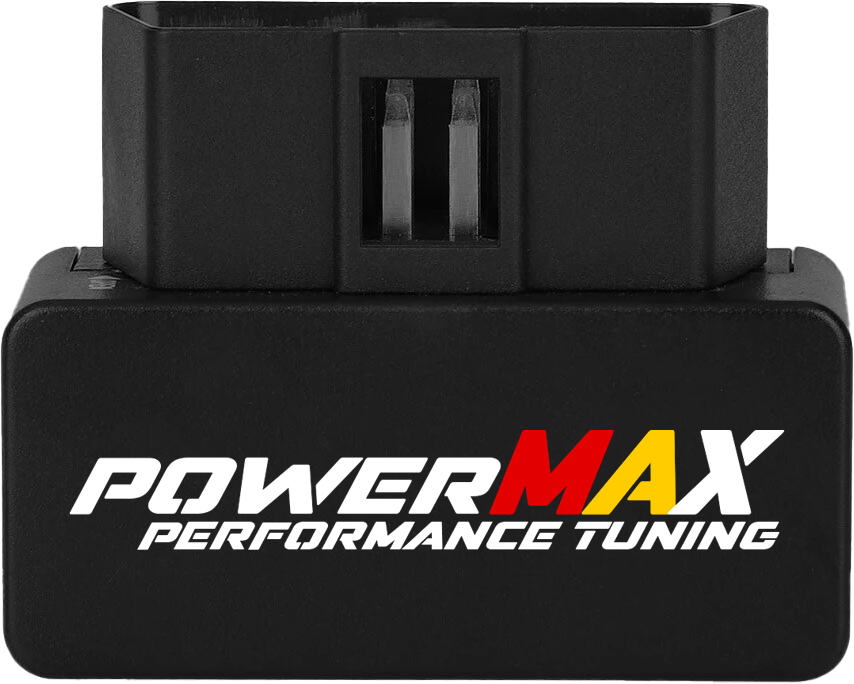
Performance chips plug into your Jeep’s computer system. They alter engine signals to increase horsepower and torque. These chips are easy to install and remove. They offer a simple way to enhance engine power. Some chips come pre-programmed for specific Jeep models.
Custom Tunes
Custom tunes are made for your exact Jeep setup. Tuners use data from your engine and driving style. They create a unique program to optimize performance. Custom tunes offer the best power gains and smooth operation. This option requires a skilled tuner and specialized equipment.
Upgrading Exhaust Systems
Upgrading your Jeep Wrangler’s exhaust system can boost horsepower effectively. A better exhaust lets the engine breathe easier. This means more power and better performance. Modifying parts like catalytic converters, headers, and exhaust pipes helps reduce backpressure and increase airflow.
Each component plays a role in improving engine output. Choosing the right upgrades can make a noticeable difference. Let’s explore the key parts you can change to improve horsepower.
High-flow Catalytic Converters
High-flow catalytic converters replace the stock units with less restrictive ones. They allow exhaust gases to pass faster, reducing backpressure. This helps the engine push out exhaust more efficiently. The result is better horsepower and torque. These converters still keep emissions low and meet environmental rules.
Performance Headers
Performance headers replace the factory exhaust manifolds. They have larger tubes to improve exhaust flow. Headers reduce restrictions and help the engine breathe better. This leads to quicker engine response and more power. They also create a deeper, aggressive exhaust sound that many Jeep owners like.
Cat-back Exhausts
Cat-back exhaust systems include the pipes from the catalytic converter to the muffler and tailpipe. They improve exhaust flow after the cat. These systems reduce weight and increase airflow. Cat-back setups often add a louder, sportier sound. They enhance horsepower while keeping the system street legal.
Air Intake Enhancements
Improving your Jeep Wrangler’s horsepower can start with better air intake. Engines need air to mix with fuel for power. Enhancing air intake helps the engine breathe easier. This leads to more power and better performance. Simple upgrades can bring noticeable changes.
Cold Air Intakes
Cold air intakes draw cooler air from outside the engine. Cooler air is denser and contains more oxygen. More oxygen helps the engine burn fuel better. This creates more power and improves throttle response. Installation is usually easy and fits most Jeep Wranglers.
High-flow Air Filters
High-flow air filters let more air reach the engine. They replace standard filters that can restrict airflow. These filters clean air while improving flow speed. Better airflow boosts horsepower and fuel efficiency. They are reusable and simple to maintain.
Ram Air Systems
Ram air systems use the vehicle’s motion to force air into the engine. This increases air pressure at higher speeds. More air pressure means more oxygen for combustion. Ram air systems provide a steady airflow boost on the road. They are ideal for Jeep owners who enjoy off-road and highway driving.
Credit: powermaxtuner.com
Forced Induction Methods
Forced induction methods increase your Jeep Wrangler’s engine power by pushing more air into the engine. More air means more fuel can burn. This creates a stronger explosion inside the engine, which boosts horsepower. These methods help your Wrangler perform better off-road and on the highway.
Turbochargers
Turbochargers use exhaust gases to spin a turbine. The turbine compresses air and pushes it into the engine. This process adds more oxygen for combustion. Turbochargers improve power without much extra weight. They also help with fuel efficiency. Some lag may occur before power kicks in. Proper tuning is important for best results.
Superchargers
Superchargers are driven directly by the engine’s crankshaft. They push extra air into the engine instantly. This means no lag, and immediate power boost. Superchargers add noticeable horsepower and torque. They often require stronger engine parts. Fuel consumption can increase due to added power. Installation is usually simpler than turbochargers.
Intercoolers
Intercoolers cool the air compressed by turbochargers or superchargers. Cooler air is denser and contains more oxygen. This helps the engine make more power safely. Intercoolers reduce the risk of engine knocking. They improve overall engine efficiency. Many forced induction setups include intercoolers for better performance.
Fuel System Upgrades
Upgrading the fuel system is a key step to improve your Jeep Wrangler’s horsepower. A better fuel system delivers more fuel efficiently to the engine. This helps the engine burn fuel cleaner and produce more power. Fuel system upgrades also support other performance parts.
Focus on high-flow parts that allow more fuel to reach the engine. This keeps your Jeep running strong, especially with other engine upgrades. Three main areas to improve are fuel injectors, fuel pumps, and fuel management systems.
High-flow Fuel Injectors
High-flow fuel injectors deliver more fuel into the engine cylinders. More fuel means better combustion and more power. These injectors spray fuel in a fine mist for better mixing with air. This improves fuel efficiency and engine response. Choose injectors made for your Jeep’s engine size and type.
Upgraded Fuel Pumps
An upgraded fuel pump moves fuel faster from the tank to the engine. Stock pumps may limit fuel flow at higher power levels. A high-performance pump provides steady fuel pressure under heavy load. This avoids fuel starvation and keeps horsepower consistent. Look for pumps that fit your fuel system and power goals.
Fuel Management Systems
Fuel management systems control how much fuel the engine receives. These systems adjust fuel delivery based on engine needs and driving conditions. Programmable systems allow fine-tuning for maximum performance. They help balance power, fuel economy, and emissions. Installing a good fuel management system enhances all other fuel upgrades.
Ignition And Spark Improvements
Improving the ignition and spark system in your Jeep Wrangler can boost horsepower. A strong spark helps the engine burn fuel better. This means more power and smoother running. Small changes here can make a big difference in engine performance.
Performance Spark Plugs
Performance spark plugs create a hotter and stronger spark. They burn fuel more completely than standard plugs. This leads to better combustion and more power. Choose plugs made for high performance and durability. Keep them clean and replace them regularly for best results.
Upgraded Ignition Coils
Upgraded ignition coils provide a higher voltage spark. This improves ignition timing and fuel burning. Better coils help the engine start faster and run smoother. They also reduce misfires and improve fuel efficiency. Look for coils designed for your Jeep model.
Spark Plug Wires
High-quality spark plug wires reduce electrical resistance. This delivers a stronger spark to each cylinder. Good wires resist heat and wear, lasting longer. Old or damaged wires can cause weak sparks and lower power. Replace wires to keep the ignition system working well.
Weight Reduction Techniques
Reducing the weight of your Jeep Wrangler can boost its horsepower and overall performance. Less weight means the engine works easier. This improves acceleration and fuel efficiency. Weight reduction focuses on removing or replacing heavy parts with lighter ones. This method helps your Jeep move faster without changing the engine.
Lightweight Components
Swap heavy parts for lightweight components. Choose aluminum or magnesium wheels instead of steel. These parts weigh less and reduce the load on the engine. Lightweight brakes and suspension parts also help. Every pound dropped improves your Jeep’s power-to-weight ratio.
Removing Non-essential Parts
Take off parts you do not need for daily driving. Remove the rear seats, extra trim, or the hardtop roof if possible. These parts add weight but do not affect driving. Stripping down your Jeep lightens the load. It allows the engine to push the vehicle easier.
Using Carbon Fiber Parts
Carbon fiber is strong and very light. Replace hoods, fenders, or bumpers with carbon fiber versions. These parts cut significant weight without losing strength. Carbon fiber parts help your Jeep handle better. They also reduce strain on the engine, improving power delivery.

Credit: rippmods.com
Drivetrain And Transmission Enhancements
Enhancing the drivetrain and transmission is key to boosting horsepower in your Jeep Wrangler. These parts transfer engine power to the wheels. Improving them helps your Jeep perform better and handle more power.
Better drivetrain components reduce power loss. This means more engine power reaches the wheels. Upgrading transmission parts can also improve shifting speed and feel. These changes make driving smoother and more responsive.
Performance Clutches
Performance clutches handle higher power without slipping. They use stronger materials for better grip. This improves power transfer from the engine to the transmission. A good clutch upgrade means quicker acceleration and less wear.
Upgraded Differentials
Upgraded differentials balance power between the wheels. They improve traction on rough or slippery terrain. Stronger gears in the differential handle more torque. This upgrade prevents power loss and wheel spin, making your Jeep faster and more stable.
Short-throw Shifters
Short-throw shifters reduce the distance needed to change gears. They offer quicker and more precise shifting. This upgrade lets you shift faster, improving acceleration. It also gives better control over the Jeep’s power delivery.
Suspension And Tire Upgrades
Suspension and tire upgrades can improve your Jeep Wrangler’s horsepower indirectly. These changes reduce drag and improve traction. Better traction means your engine power transfers more efficiently to the ground. Upgrading suspension parts and tires helps your Jeep handle rough terrain with less power loss. This lets you use your engine’s power more effectively.
Performance Shocks
Performance shocks absorb bumps and keep tires on the ground. This improves stability and traction. With better control, your Jeep uses power more smoothly. Performance shocks reduce energy loss from bouncing. They help maintain speed over rough surfaces. This keeps your Wrangler moving with less effort from the engine.
High-traction Tires
High-traction tires grip the road or trail better. They prevent wheel slip during acceleration. This means more power pushes the Jeep forward. Tires with good tread patterns improve handling on different surfaces. Better grip reduces wasted energy. Your Jeep can accelerate faster and climb hills easier.
Lift Kits
Lift kits raise your Jeep’s body and suspension. This allows for larger tires and better ground clearance. Larger tires increase contact with the ground. This adds more traction and improves power delivery. Lift kits also improve suspension travel. This helps your Jeep maintain traction on uneven terrain. The engine’s horsepower can work more effectively with these upgrades.
Regular Maintenance Tips
Regular maintenance keeps your Jeep Wrangler running strong and boosts horsepower. Simple care steps improve engine power and fuel efficiency. These tips help your Jeep perform better and last longer.
Oil Changes
Changing the oil regularly is vital for engine health. Fresh oil reduces friction and helps parts move smoothly. Old oil can slow the engine and lower horsepower. Use the right oil grade as per your Jeep’s manual.
Air Filter Cleaning
A clean air filter allows more air into the engine. More air means better combustion and more power. Dirt and dust clog the filter and restrict airflow. Check and clean the air filter often for best results.
Spark Plug Replacement
Worn spark plugs cause weak engine sparks. Weak sparks lead to poor fuel burning and less horsepower. Replacing spark plugs keeps the engine firing strong. Use plugs recommended for your Jeep model.

Credit: www.justjeeps.com
Frequently Asked Questions
How Can I Increase Horsepower In My Jeep Wrangler?
Upgrading the air intake and exhaust system boosts airflow and engine efficiency. Installing a performance chip can also optimize fuel and ignition timing, improving horsepower effectively.
Does Adding A Cold Air Intake Help Jeep Horsepower?
Yes, a cold air intake lowers air temperature entering the engine. Cooler air is denser and improves combustion, resulting in a noticeable horsepower increase for your Jeep Wrangler.
Will Tuning The Engine Improve Jeep Wrangler Horsepower?
Engine tuning adjusts fuel and ignition settings for better performance. Proper tuning can increase horsepower by enhancing power delivery and efficiency, making your Jeep run stronger and smoother.
Can Upgrading The Exhaust System Boost Horsepower?
A performance exhaust reduces backpressure and improves gas flow. This upgrade helps the engine breathe better, leading to increased horsepower and improved throttle response in your Jeep Wrangler.
Conclusion
Improving horsepower in your Jeep Wrangler takes careful steps. Start with basic upgrades like air intake and exhaust systems. Consider tuning the engine for better performance. Remember, small changes can make a big difference. Keep your Jeep well maintained to support these upgrades.
Enjoy the power boost and better driving experience. Take your time and choose the best options for your needs. Your Wrangler will thank you with stronger performance on every ride.


