
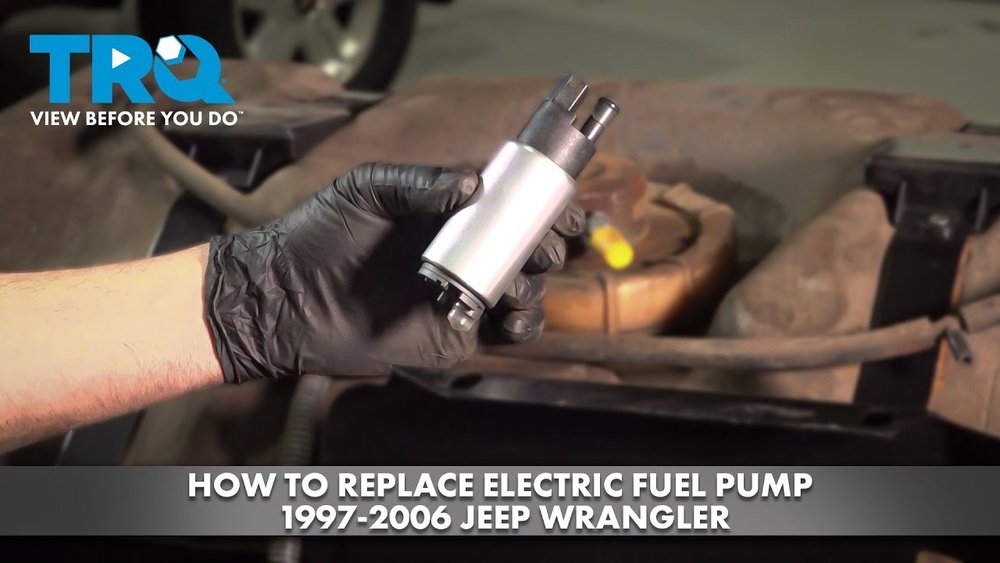
Replacing the fuel pump in a Jeep Wrangler can feel intimidating, but with patience and the right guidance, you can do it yourself and save money on repairs. If your Jeep sputters, stalls, or won’t start, a failing fuel pump could be the cause. This guide will walk you through every step, from preparation to final testing, so you can confidently tackle this repair in your own garage.
Why Replace The Fuel Pump?
The fuel pump is a crucial part of your Jeep’s fuel system. It sits inside the gas tank and pushes fuel to the engine. Over time, pumps wear out due to heat, contaminants, or simply age. A weak or dead pump means your Wrangler might crank but not start, run rough, or stall suddenly. Ignoring these signs can leave you stranded and may damage other engine parts.
Tools And Materials You’ll Need
Having the right tools on hand makes this job smoother and safer. Here’s a list to get you started:
- Socket set (metric and standard sizes)
- Wrenches (various sizes)
- Screwdrivers (flathead and Phillips)
- Fuel line disconnect tool
- Floor jack and jack stands
- Safety glasses and gloves
- Drain pan
- Shop rags
- New fuel pump (check for your Wrangler’s model and year)
- New fuel filter (recommended)
- Replacement O-ring/gasket (included with most pumps)
- Fire extinguisher (safety first)
Before buying a new pump, double-check your Jeep’s model year. Some Wranglers use different fuel pump assemblies.
Preparation And Safety Steps
Working with fuel is risky, so preparation is key. Here are important safety steps:
- Work in a well-ventilated area. Gas fumes are hazardous—avoid enclosed garages.
- Disconnect the battery. Remove the negative cable to prevent sparks.
- Relieve fuel system pressure. Locate the fuel pump fuse or relay, start the engine, and pull the fuse/relay until the engine dies.
- Never smoke or use open flames near your work area.
A common mistake is skipping the pressure relief step. If you skip it, fuel may spray out when lines are disconnected, risking injury.
Removing The Gas Tank
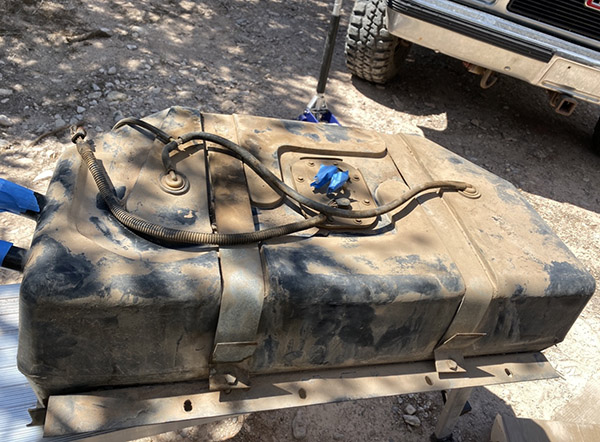
On most Jeep Wranglers (YJ, TJ, JK), the fuel pump sits inside the gas tank. That means you’ll need to drop the tank. This is often the hardest part, so take your time.
Steps To Remove The Tank
- Drain the tank if possible. Siphon out as much gas as you can—less weight means easier handling.
- Raise the Jeep using a floor jack. Support it with jack stands for safety.
- Support the gas tank with a second jack or a sturdy block.
- Disconnect fuel lines and wiring. Label connections for easy reassembly.
- Remove tank straps or bolts. Keep hardware safe for reinstallation.
- Lower the tank slowly. Watch for any remaining connections.
Pro tip: Keep a few extra rags handy—residual fuel will leak out when lines are disconnected.
Fuel Tank Types (quick Comparison)
Here’s a simple overview to help you check which tank you have:
| Wrangler Generation | Tank Material | Common Capacities |
|---|---|---|
| YJ (1987–1995) | Steel or Plastic | 15–20 gallons |
| TJ (1997–2006) | Plastic | 19 gallons |
| JK (2007–2018) | Plastic | 18.6 gallons |
Knowing your tank type helps when ordering parts and understanding what to expect during removal.

Credit: www.youtube.com
Removing The Old Fuel Pump
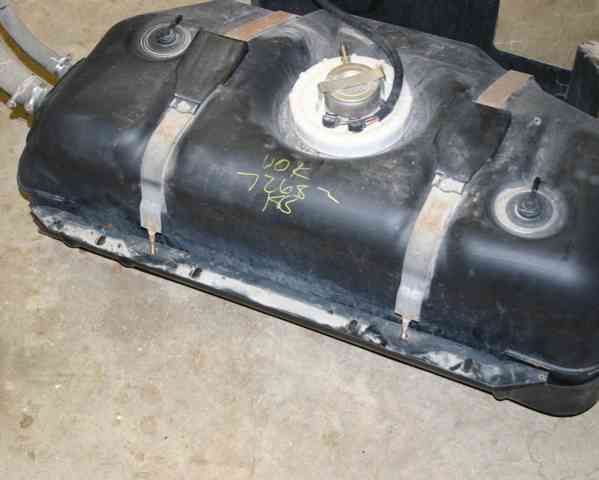
With the tank on the ground, you can access the fuel pump assembly. Most pumps are held in by a lock ring or several screws.
Detailed Steps
- Clean the area around the pump access. Dirt falling into the tank can cause future problems.
- Remove the lock ring or screws holding the pump in place. Use a brass punch or non-sparking tool for the lock ring.
- Carefully lift the pump assembly straight out. Be gentle—the float arm can bend easily.
- Inspect the inside of the tank for debris or rust. Wipe clean if needed.
Beginner insight: The O-ring or gasket on top of the tank must be replaced. Reusing the old one can cause leaks and fuel smells.
Comparing Fuel Pump Types
Before installing the new pump, let’s look at the types you might encounter:
| Fuel Pump Type | Features | Best For |
|---|---|---|
| OEM (Original) | Matches factory specs, reliable fit | Daily drivers, long-term reliability |
| Aftermarket | May offer higher flow, lower cost | Modified engines, budget repairs |
| Performance | Supports high horsepower | Off-road builds, engine swaps |
Pro tip: For most Jeep owners, an OEM or high-quality aftermarket pump is best. Avoid the cheapest options—they often fail quickly.
Credit: exhaustnotes.us
Installing The New Fuel Pump
Now, it’s time to fit the new pump into your Wrangler’s tank.
- Install the new O-ring or gasket. Lightly lubricate it with clean engine oil for a better seal.
- Lower the new fuel pump into the tank, aligning the float and filter sock correctly.
- Secure with the lock ring or screws. Tighten evenly to avoid leaks.
- Reconnect the pump wiring and check for any loose connections.
Some pumps have a “sock” filter on the bottom—make sure it’s included and installed in the correct direction.
Reinstalling The Gas Tank
With your new pump in place, you’re halfway done. Now, the tank needs to go back under the Jeep.
Key Steps
- Lift the tank carefully into position using the jack.
- Reconnect all fuel lines and wiring. Double-check each connection.
- Reinstall the tank straps or bolts. Tighten them securely.
- Lower the Jeep from the jack stands.
Beginner mistake: Forgetting to reconnect ground wires or vent hoses can cause starting issues or check engine lights.
Priming And Testing The New Pump
Before starting your Jeep, prime the new pump to avoid dry starts.
- Reconnect the battery.
- Turn the key to “On” (not start). You should hear a faint whir from the pump. Wait a few seconds, then turn off.
- Repeat this step 2–3 times. This builds fuel pressure.
- Check for leaks around the tank and lines.
- Start the engine. It may take a few extra seconds the first time.
If the Jeep starts and idles smoothly, the installation was successful. If it cranks but doesn’t start, recheck all connections and fuel lines.
Troubleshooting Common Problems
Sometimes, issues pop up after a pump replacement. Here’s how to handle them:
- Jeep won’t start: Check battery, fuel pump relay, wiring, and fuel lines.
- Fuel smell: Inspect the O-ring/gasket and vent hoses for proper fit.
- Check engine light: Scan for codes. A loose connector or vacuum line can trigger this.
Non-obvious insight: New pumps are sometimes quieter than old ones, so don’t be alarmed if you hear less noise after installation.
Credit: jeepspecs.com
Maintenance Tips For Longer Fuel Pump Life
Protect your investment with a few simple habits:
- Keep your gas tank above 1/4 full. Low fuel can overheat the pump.
- Change your fuel filter every 30,000 miles if serviceable.
- Use high-quality fuel. Cheap gas often contains debris or water.
- Fix engine misfires quickly. Backfires or rough running can damage the pump.
Estimated Time And Cost
Replacing a fuel pump in a Jeep Wrangler usually takes 2–4 hours for a DIYer. Here’s a cost breakdown for reference:
| Item | Estimated Cost (USD) |
|---|---|
| Fuel Pump Assembly | $80–$250 |
| Fuel Filter | $15–$40 |
| Misc. Supplies | $10–$30 |
| Labor (shop) | $200–$500 |
DIY savings can be significant, especially if you already own the tools.
Wrapping Up
Replacing the fuel pump on your Jeep Wrangler is a task within reach for most home mechanics. Careful preparation, attention to detail, and safety are the keys to success. Take your time with each step, keep your workspace clean, and always double-check your work. Not only will you save money, but you’ll also gain confidence in maintaining your own vehicle.
If you want to see a factory service manual or more detailed diagrams, check resources like the official Mopar Jeep Owner Site.
Frequently Asked Questions
What Are The Symptoms Of A Bad Fuel Pump In A Jeep Wrangler?
Common signs include hard starting, engine sputtering, loss of power on hills, sudden stalling, and a Jeep that cranks but won’t start. Sometimes, you’ll hear a whining noise from the tank area before the pump fails completely.
Can I Replace The Fuel Pump Without Removing The Gas Tank?
For most Jeep Wranglers, removing the gas tank is required because the pump sits inside the tank. Some older or modified models may have an access panel, but this is rare.
How Long Does A Jeep Wrangler Fuel Pump Last?
On average, a fuel pump lasts 100,000–150,000 miles. Factors like fuel quality, regular filter changes, and driving conditions can make it last longer or fail sooner.
Is It Safe To Drive With A Failing Fuel Pump?
No, driving with a bad fuel pump is risky. It can cause sudden stalling, which is dangerous, especially on highways or in traffic. It can also damage other engine parts.
Do I Need Any Special Tools To Change The Fuel Pump?
You’ll need basic hand tools, a fuel line disconnect tool, and a floor jack with stands. While not strictly “specialty,” the fuel line tool is essential for a safe, clean disconnection.
With the right approach and a bit of patience, you can restore your Jeep Wrangler’s reliability and enjoy many more miles on and off the road.



