If your Jeep Wrangler’s check engine light just came on, you’re probably wondering what’s wrong and how to fix it. Reading OBD2 codes is the quickest way to find out what your vehicle is trying to tell you.
But if you’ve never done it before, the process might seem confusing or intimidating. Don’t worry—you’re about to learn a simple, step-by-step method to read those codes yourself. By the end of this article, you’ll have the confidence to diagnose your Jeep’s issues and save time and money on repairs.
Keep reading to unlock the secrets hidden in your Wrangler’s OBD2 system!
What Is Obd2 And Why It Matters
Understanding OBD2 is key for Jeep Wrangler owners. It helps you find out what is wrong with your vehicle fast. OBD2 stands for On-Board Diagnostics, second generation. It is a system in cars that monitors engine and other parts. When something is wrong, it stores a code.
These codes tell you what needs fixing. Reading these codes can save time and money. You do not need to guess the problem or go to a mechanic right away. Knowing about OBD2 gives you control over your Jeep’s health.
What Does Obd2 Do?
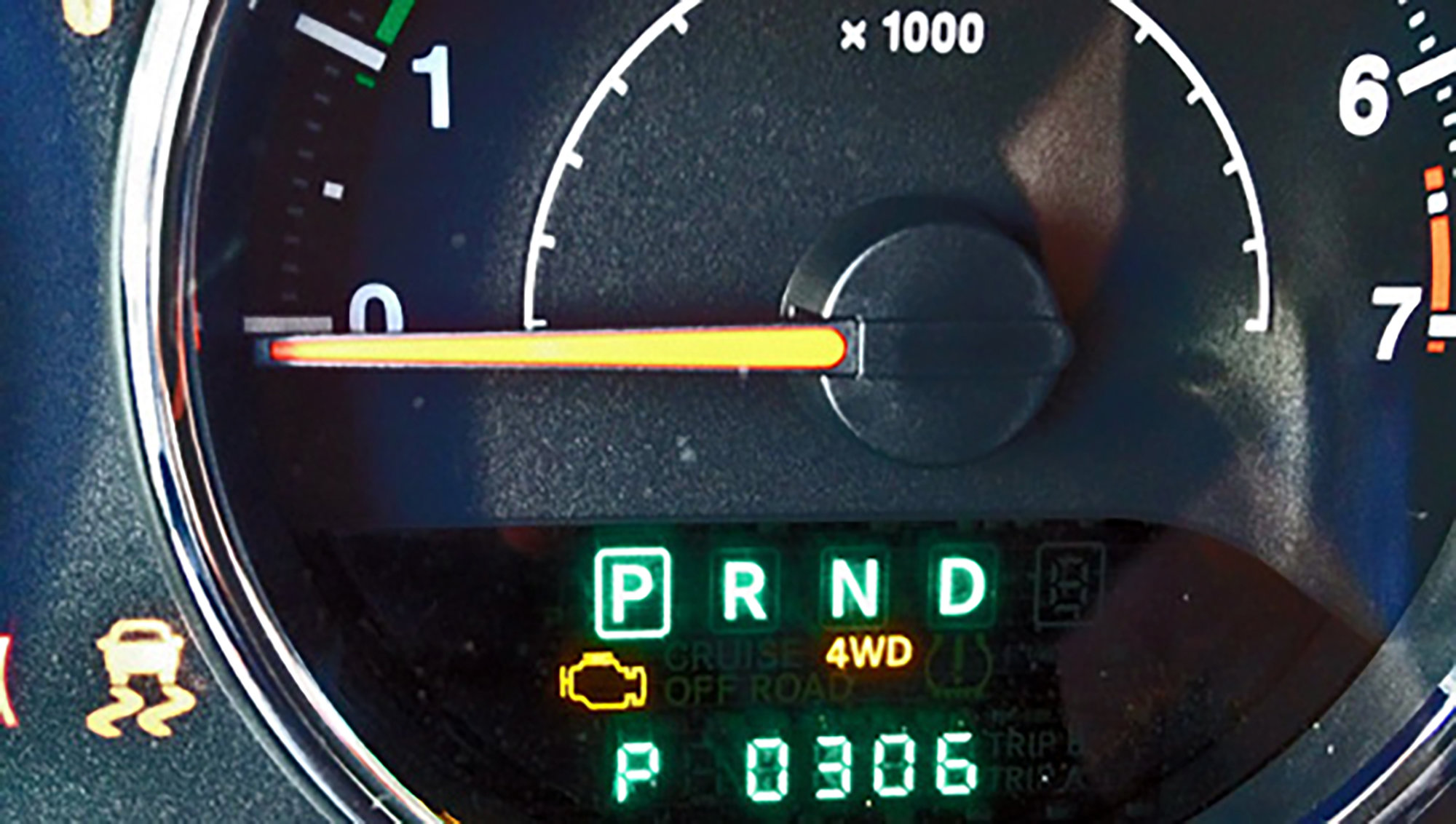
OBD2 tracks your Jeep’s engine and emissions systems. It watches sensors and parts for issues. When it finds a problem, it creates a trouble code. This code helps identify the exact issue. Your Jeep’s check engine light often signals when a code is stored.
Why Is Obd2 Important For Jeep Owners?
OBD2 helps you catch problems early. Fixing small issues prevents bigger damage later. It also helps keep your Jeep running clean and efficient. Emission tests use OBD2 data to check pollution levels. A healthy Jeep means safer driving and fewer repairs.
How Does Obd2 Work In Jeep Wrangler?
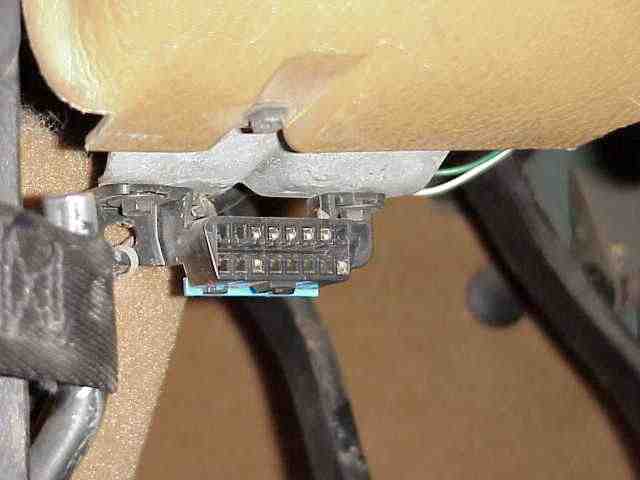
Your Jeep has a port under the dashboard. This is where you connect an OBD2 scanner. The scanner reads the stored codes from the car’s computer. Each code matches a specific problem in the Jeep. You can then decide what to do next.
Tools Needed For Reading Obd2 Codes
Reading OBD2 codes on your Jeep Wrangler needs the right tools. These tools help you find problems in your vehicle quickly. Having the right equipment makes the process simple and clear. It also saves time and money on repairs.
Understanding the tools helps you get accurate results. Not all tools work the same. Some are easy to use, while others offer more details. Choose what fits your needs and skill level.
Choosing The Right Obd2 Scanner
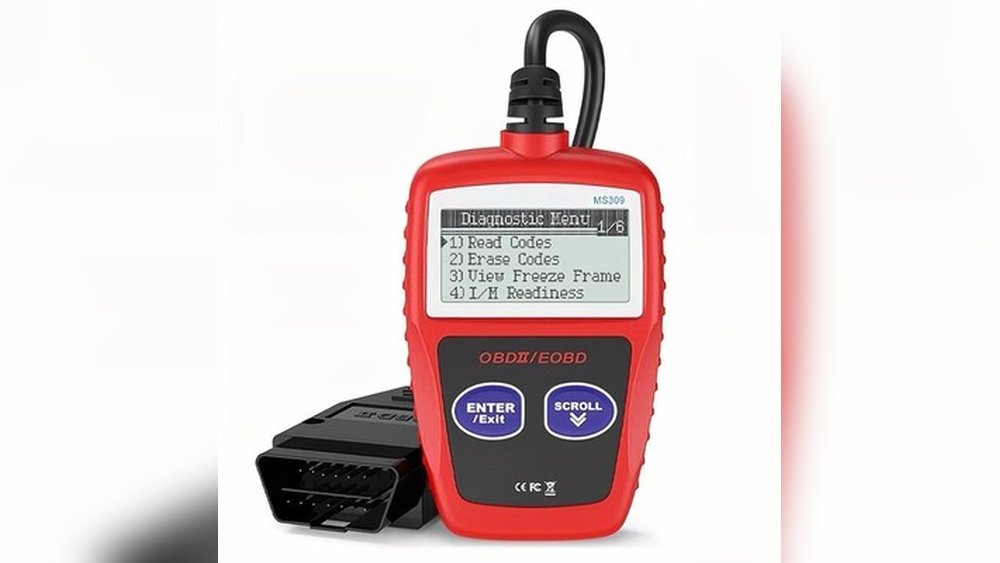
Pick an OBD2 scanner that fits your Jeep Wrangler. Basic scanners read and clear codes easily. Advanced scanners show live data and sensor info. Look for scanners with a clear screen and simple controls.
Check if the scanner supports Jeep models. Some scanners only work with certain cars. Choose one with good reviews and easy updates. A handheld scanner is handy for quick checks.
Alternative Options For Code Reading
Smartphone apps can read OBD2 codes through Bluetooth adapters. These adapters plug into the Jeep’s OBD2 port. Apps show codes and explain them in simple terms. This option is budget-friendly and portable.
Some repair shops offer free code reading. You can visit for a quick scan without tools. Online code readers also exist but need an adapter. Pick the option that suits your budget and skills.
Locating The Obd2 Port On Jeep Wrangler
Locating the OBD2 port on a Jeep Wrangler is the first step to reading trouble codes. This port allows you to connect a scanner and find out what issues your vehicle might have. Finding it can be quick if you know where to check.
Jeep Wranglers have the OBD2 port in different spots depending on the model year. Knowing the common locations makes the process easier. Accessing the port should not be hard, even for beginners.
Common Port Locations By Model Year
For Jeep Wranglers made before 2007, the OBD2 port is usually under the dashboard. Look near the steering column or just above the pedals. Some older models place it behind a small panel.
From 2007 to 2017 models, the port often sits below the steering wheel on the driver’s side. It can be close to the fuse box or under a plastic cover. It stays easy to reach.
Newer Jeep Wranglers, from 2018 onward, keep the port in similar spots. Under the dash on the driver’s side remains the most common place. Sometimes it hides near the center console area.
Tips For Easy Access
Turn the steering wheel fully to the left or right. This action can expose the port better. Use a flashlight to see under the dashboard clearly.
Remove any floor mats or panels blocking your view. Keep a small mirror handy to check tight spots. Be gentle when reaching to avoid breaking clips or covers.
Knowing these tips saves time and frustration. You will find the OBD2 port quickly and start diagnosing your Jeep with ease.
Credit: www.quadratec.com
Step-by-step Code Reading Process
Reading OBD2 codes on your Jeep Wrangler helps find engine problems fast. This step-by-step process makes it easy and clear. Follow each step carefully to get the correct codes. These codes tell you what parts need attention or repair.
Preparing Your Jeep Wrangler
Park your Jeep on a flat surface. Turn off the engine and remove the key. Make sure the vehicle is cool to avoid burns. Open the driver’s door and locate the OBD2 port. It is usually under the dashboard near the steering wheel.
Connecting The Scanner
Take your OBD2 scanner and plug it into the port. Check that the connection is secure. Turn the ignition switch to the “ON” position without starting the engine. This powers the scanner and the Jeep’s computer. Wait for the scanner to power on fully.
Retrieving Codes
Use the scanner’s buttons to start the code reading. The screen will show the stored trouble codes. Write down or save the codes for later reference. Some scanners explain the codes on their display. Turn off the ignition and disconnect the scanner when done.
Interpreting The Obd2 Codes
Understanding the OBD2 codes is key to fixing your Jeep Wrangler. These codes tell you what part of the vehicle has a problem. Each code has a letter and four numbers. The letter shows the system affected. The numbers explain the exact issue. Reading these codes helps you save time and money on repairs.
Once you have the codes, the next step is to interpret them correctly. This means knowing what each code means for your Jeep. Not all codes are the same for every car. Jeep Wranglers can have unique codes. Learning these codes helps you find the problem faster. It also helps you decide if you can fix it yourself or need a mechanic.
Common Jeep Wrangler Codes
Some codes appear often on Jeep Wranglers. P0300 means random misfire in the engine. P0420 shows a problem with the catalytic converter. P0171 points to a lean fuel mixture. These codes suggest parts might be dirty or failing. Knowing these common codes helps you act quickly. They often relate to engine performance and emissions.
Using Code Databases And Apps
Online databases and mobile apps make reading codes easier. You enter the code, and they give a simple explanation. Many apps also show repair tips and parts needed. Some databases are free, while others charge a small fee. Using these tools saves time and confusion. They help you understand what the code means for your Jeep Wrangler.
Clearing Codes And Resetting The System
Clearing codes and resetting the system are important steps after diagnosing your Jeep Wrangler. These actions help remove old error codes and turn off warning lights. This process allows the vehicle’s system to start fresh. It also helps verify if the issues are fixed or still present.
Understanding when and how to clear codes keeps your Jeep running smoothly. It prevents confusion caused by leftover codes. Resetting the check engine light gives clear feedback on your vehicle’s health.
When To Clear Codes
Clear codes only after you fix the problem. Leaving old codes can hide new issues. Also, clearing codes too soon may cause false readings. Wait until repairs are complete. Then, use your OBD2 scanner to clear the codes. This action resets the system and clears the check engine light. It helps your Jeep’s computer to monitor fresh data accurately.
How To Reset The Check Engine Light
First, connect the OBD2 scanner to your Jeep’s port. Turn on the ignition without starting the engine. Follow the scanner’s instructions to read and clear codes. Once done, the check engine light will turn off. Another method is disconnecting the battery for a few minutes. This also resets the system but may erase other settings. Using the scanner is safer and easier. After resetting, start the engine and watch for the light. If it stays off, the issue is likely fixed.
Troubleshooting Scanner Issues
Troubleshooting scanner issues helps you get accurate OBD2 codes from your Jeep Wrangler. Scanners sometimes face connection problems or show wrong codes. These problems stop you from diagnosing your Jeep correctly. Fixing these issues saves time and frustration. Here are common scanner problems and ways to solve them.
Scanner Not Connecting
Check the scanner’s power source first. Some scanners need their own battery or USB power. Make sure the Jeep’s ignition is on. Without the ignition on, the scanner won’t connect. Inspect the OBD2 port for dirt or damage. Clean the port gently if dirty. A loose or damaged port can stop connection. Try a different scanner cable if possible. Sometimes cables wear out or break. Restart the scanner and the Jeep. This can reset the connection and clear errors.
Inaccurate Or No Codes
Clear old codes before reading new ones. Old codes can confuse the scanner. Use the scanner’s clear function or disconnect the battery for a few minutes. Check if your scanner supports Jeep Wrangler models. Some scanners lack full compatibility. Update the scanner’s software or app. Updates fix bugs and add support for new vehicles. If no codes appear, the sensor or system might be faulty. Test with another scanner to confirm. Faulty sensors can send wrong signals or none at all.

Credit: www.ebay.com
Maintaining Your Jeep’s Diagnostic System
Maintaining your Jeep’s diagnostic system helps keep it running smoothly. A well-kept system detects problems early. This saves time and money on repairs. Regular checks make sure the system works correctly. Simple steps help avoid bigger issues later.
Regular Code Checks
Check your Jeep’s codes often. Use an OBD2 scanner to read codes quickly. Early detection finds small problems before they grow. Clear codes after repairs to reset the system. Frequent checks keep the Jeep in good shape.
Preventive Maintenance Tips
Keep sensors clean and free from dirt. Replace worn parts like oxygen sensors on time. Use quality fuel to prevent sensor damage. Update your Jeep’s software when needed. Follow the maintenance schedule in your manual.
Credit: jeepspecs.com
Frequently Asked Questions
What Is An Obd2 Code Reader For Jeep Wrangler?
An OBD2 code reader is a device that scans your Jeep Wrangler’s computer. It helps identify engine and system issues quickly. It reads error codes stored in the vehicle’s ECU to diagnose problems.
How Do I Connect An Obd2 Scanner To My Jeep Wrangler?
Locate the OBD2 port under the dashboard near the steering wheel. Plug the scanner into the port. Turn on your Jeep’s ignition without starting the engine. Follow the scanner’s instructions to begin reading codes.
Can I Read Obd2 Codes Without A Professional Tool?
Yes, you can use affordable OBD2 scanners or smartphone apps with Bluetooth adapters. These tools provide easy access to your Jeep Wrangler’s diagnostic codes. However, professional tools offer more detailed analysis.
What Do Jeep Wrangler Obd2 Codes Mean?
OBD2 codes are standardized trouble codes indicating specific vehicle problems. They help you pinpoint issues in the engine, transmission, or emissions system. Each code corresponds to a particular fault or sensor reading.
Conclusion
Reading OBD2 codes on your Jeep Wrangler helps find car problems fast. Use a simple scanner and follow the steps carefully. Knowing the code means you can fix small issues early. This saves time and money on repairs later. Stay calm and check codes regularly to keep your Jeep running well.
Practice makes the process easier and quicker every time. Keep your Jeep healthy by understanding what the codes say. It’s a smart way to care for your vehicle.