
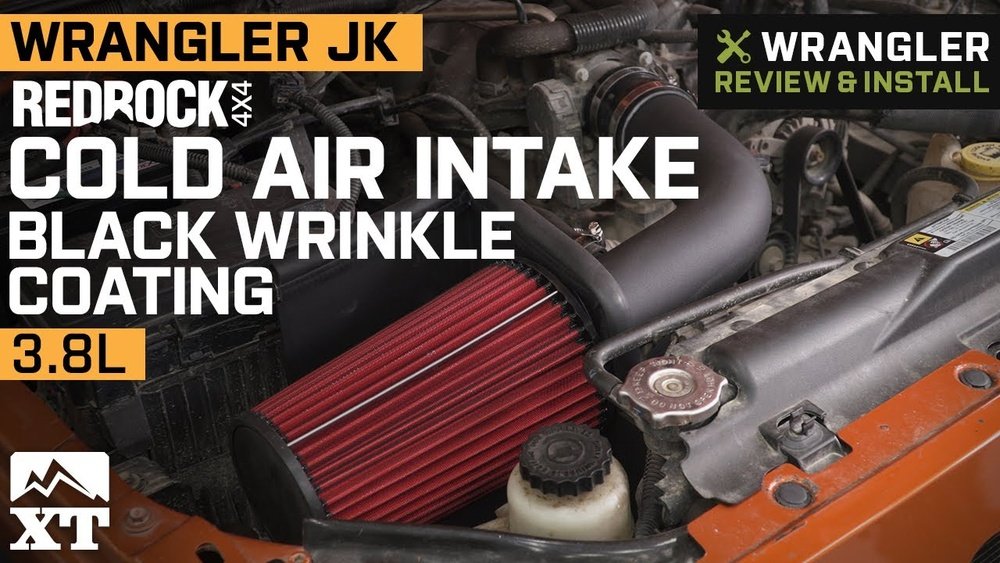
If you want to boost your Jeep Wrangler’s performance and hear that powerful engine roar, installing a cold air intake is one of the best upgrades you can make. But maybe you’re wondering how to do it yourself without spending a fortune on a mechanic.
This guide will walk you through every step, making the process simple and clear. By the end, you’ll know exactly how to install a cold air intake on your Jeep Wrangler, unlocking better horsepower, improved fuel efficiency, and a thrilling driving experience.
Ready to take your Jeep to the next level? Let’s dive in.

Credit: www.youtube.com
Benefits Of Cold Air Intake
Installing a cold air intake on your Jeep Wrangler can bring several benefits. It improves how your engine breathes and works. This upgrade is simple but makes a clear difference in driving.
Below are key benefits you will notice after installing a cold air intake.
Improved Engine Performance
A cold air intake helps your engine get cooler air. Cooler air contains more oxygen, which helps burn fuel better. This leads to more power and faster response. Your Jeep will feel stronger and more lively on the road.
Enhanced Fuel Efficiency
Better air flow means your engine uses fuel more efficiently. This can reduce how much gas you need for the same trips. Over time, this saves money and is better for the environment. Your Jeep runs cleaner and smarter with a cold air intake.
Better Engine Sound
A cold air intake changes how your Jeep sounds. It creates a deeper, more aggressive engine noise. This makes driving more fun and exciting. The sound is natural and shows your engine is working well.
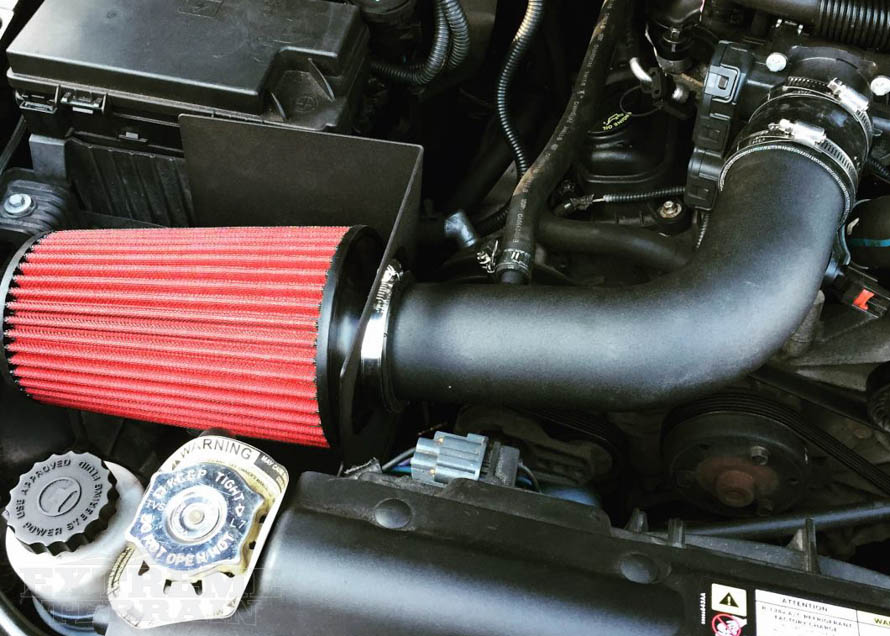
Credit: www.extremeterrain.com
Choosing The Right Cold Air Intake
Choosing the right cold air intake for your Jeep Wrangler improves performance and engine life. A good fit ensures better airflow and easy installation. Picking the best one needs careful thought about several factors. These include model compatibility, material quality, and budget. Each factor affects how well the intake works and lasts.
Compatibility With Jeep Wrangler Models
Not all cold air intakes fit every Jeep Wrangler model. Check the year and engine type of your Jeep. Some intakes only fit specific engines or model years. Using the wrong intake can cause poor performance or damage. Always verify the product fits your exact Wrangler model before buying.
Material And Build Quality
Material affects the intake’s durability and efficiency. Look for intakes made from high-quality materials like aluminum or stainless steel. These resist rust and heat better than plastic. A well-built intake keeps air cool and flows smoothly. Avoid cheap materials that crack or wear out fast.
Budget Considerations
Cold air intakes come in many price ranges. Set a budget but don’t choose only by price. Cheaper intakes may save money but can lower performance or break early. Spending a bit more often means better parts and longer use. Balance cost with quality for the best value.
Tools And Materials Needed
Installing a cold air intake on your Jeep Wrangler requires the right tools and materials. Having everything ready makes the process smooth and fast. You avoid stopping to find missing items. Keep your workspace clean and organized to save time.
Gather all tools before starting. This helps prevent frustration and mistakes. Use tools that fit well and work properly. Safety is important, so wear the right gear to protect yourself.
Basic Hand Tools
- Screwdrivers (flathead and Phillips) for removing screws
- Socket wrench set for bolts and nuts
- Pliers for gripping and pulling parts
- Ratchet with extensions to reach tight spots
- Allen wrenches for hex bolts
Safety Gear
- Safety glasses to protect eyes from debris
- Work gloves to avoid cuts and scrapes
- Long sleeves to protect arms from sharp edges
- Closed-toe shoes to protect feet
- Mask to avoid inhaling dust or fumes
Additional Supplies
- Replacement gaskets to prevent leaks
- Rubber mallet for gentle tapping
- Cleaner or degreaser to prep surfaces
- Shop towels to wipe dirt and oil
- Zip ties to secure loose cables
Preparing Your Jeep Wrangler
Preparing your Jeep Wrangler for a cold air intake installation is the first important step. This process ensures safety and makes the installation easier. Taking time to prepare saves effort later.
Follow these simple steps to get your Jeep ready before starting the upgrade.
Park And Cool Down Engine
Park your Jeep on a flat surface. Turn off the engine and let it cool down. A hot engine can cause burns and damage parts. Wait at least 30 minutes for the engine to cool completely.
Disconnect The Battery
Open the hood and locate the battery. Use a wrench to disconnect the negative battery cable first. This step prevents electrical shocks and accidental starts. Keep the cable away from the battery terminals.
Remove Factory Air Intake
Find the factory air intake system attached to the engine. Loosen clamps and screws using a screwdriver or socket wrench. Carefully detach the air intake tube and air filter box. Set the parts aside for possible reuse or disposal.
Installing The Cold Air Intake
Installing the cold air intake on your Jeep Wrangler improves airflow and engine performance. The process is simple with basic tools and careful steps. Follow these instructions to install the intake correctly and safely.
Start by preparing a clean workspace and laying out all parts. This will help avoid confusion during assembly and installation. Take your time to ensure each part fits properly.
Assemble Intake Components
Begin by assembling the intake parts outside the vehicle. Connect the intake tube to the air filter base. Make sure the filter fits snugly onto the base. Tighten any screws or bolts to hold parts together firmly. Check the components for any loose parts.
Attach Intake Tube And Filter
Locate the factory air intake system and carefully remove it. Place the assembled cold air intake tube in the same position. Connect the intake tube to the throttle body or intake manifold. Slide the air filter into the engine bay area where fresh air flows. Ensure the filter is away from heat sources.
Secure Connections And Clamps
Use clamps to secure the intake tube at both ends. Tighten the clamps evenly to avoid air leaks. Double-check all connections for firmness. Make sure the intake system does not move or vibrate excessively. Loose parts can cause engine problems or noise.
Final Checks And Testing
After installing the cold air intake on your Jeep Wrangler, final checks and testing are crucial. This step ensures everything works well and safely. Proper testing prevents future problems and confirms the installation success.
Reconnect The Battery
Start by reconnecting your Jeep’s battery. Attach the negative cable back to the battery terminal. Tighten the clamp to secure the connection. This step restores the electrical power to your vehicle. Make sure the connection is firm to avoid issues.
Start Engine And Check For Leaks
Turn on the engine and listen carefully. Check for any strange sounds around the intake area. Look for air leaks or loose parts. Use your hand to feel for escaping air near the connections. Fix any leaks immediately to maintain performance.
Test Drive And Monitor Performance
Take your Jeep for a short drive on a quiet road. Pay attention to throttle response and engine sound. Notice if the engine runs smoother or feels more powerful. Watch the temperature gauge to ensure the engine stays cool. After the drive, inspect the intake system once more for tightness and leaks.
Maintenance Tips For Cold Air Intake
Maintaining your Jeep Wrangler’s cold air intake is key for strong performance. Proper care keeps air flowing smoothly. It helps your engine breathe better and stay healthy. Follow these simple tips to keep your system in top shape.
Cleaning The Air Filter
Regular cleaning of the air filter is important. Dirt and dust can clog the filter quickly. Remove the filter gently from the intake system. Use a soft brush or air compressor to clean it. Avoid harsh chemicals that can damage the filter. Let the filter dry fully before reinstalling it.
Inspecting For Damage
Check the intake system for cracks or holes often. Damage can let unfiltered air into the engine. Look at the pipes and seals carefully. Replace any parts that seem worn or broken. A tight seal ensures better engine protection and performance.
When To Replace Components
Replace the air filter every 20,000 to 30,000 miles or more. Replace sooner if you drive in dusty or off-road conditions. The filter loses efficiency over time. Pipes and clamps may also need replacement if damaged. Keep spare parts ready for quick fixes.
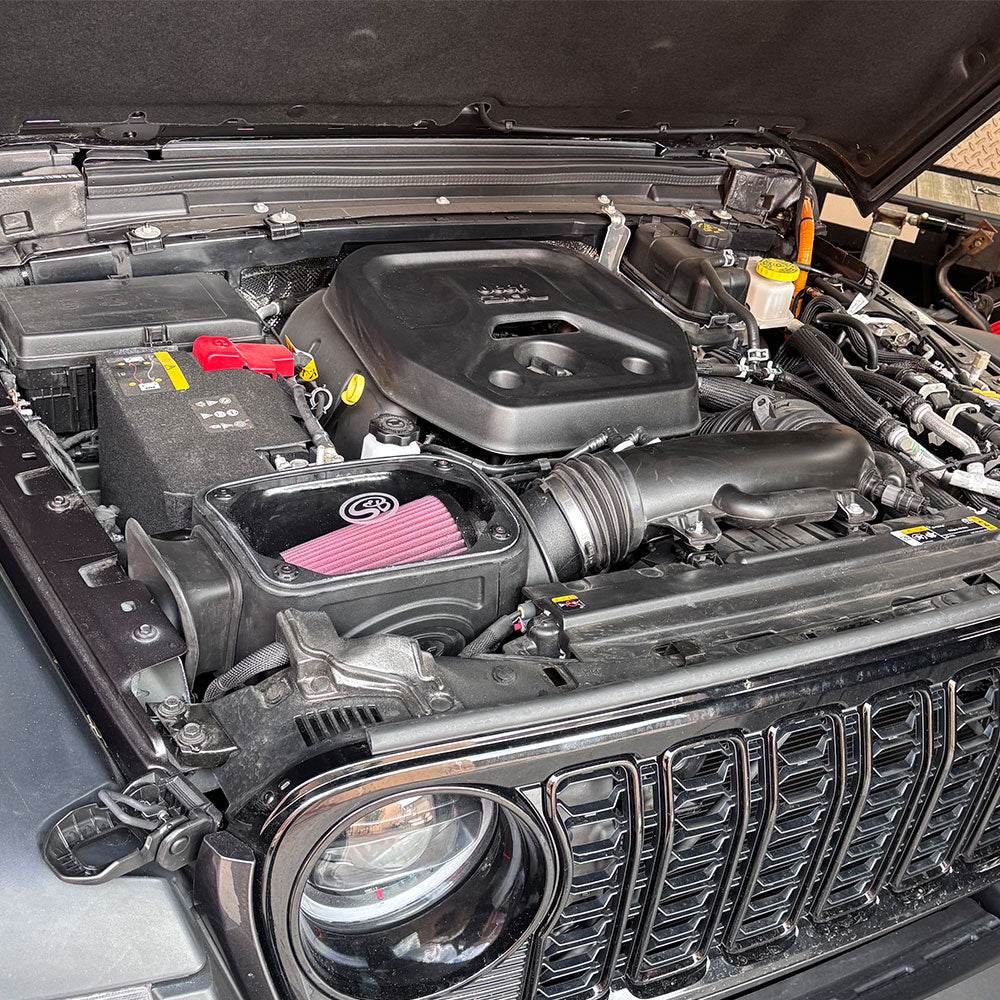
Credit: sbfilters.com
Frequently Asked Questions
What Tools Are Needed To Install A Cold Air Intake On Jeep Wrangler?
You need basic hand tools like screwdrivers, pliers, and a ratchet set. Some kits may include specific tools. Always check your kit’s instructions for exact requirements before starting the installation process.
How Long Does It Take To Install A Cold Air Intake?
Installation typically takes between 1 to 2 hours. This depends on your experience level and the specific intake kit. Follow instructions carefully for a smooth and efficient process.
Will A Cold Air Intake Improve Jeep Wrangler’s Performance?
Yes, it can increase horsepower and torque by improving airflow. It also enhances throttle response and fuel efficiency, making your Jeep more powerful and efficient.
Can I Install A Cold Air Intake Without Professional Help?
Yes, most cold air intake kits are designed for DIY installation. Carefully follow the step-by-step instructions included with your kit to ensure proper setup and avoid damage.
Conclusion
Installing a cold air intake on your Jeep Wrangler improves airflow and engine performance. The process is simple and saves you money compared to professional installation. Follow each step carefully and use the right tools for best results. Enjoy better throttle response and a slight boost in horsepower after installation.
Regular maintenance keeps your intake working well over time. Try it yourself and experience a smoother drive with your Jeep Wrangler.


