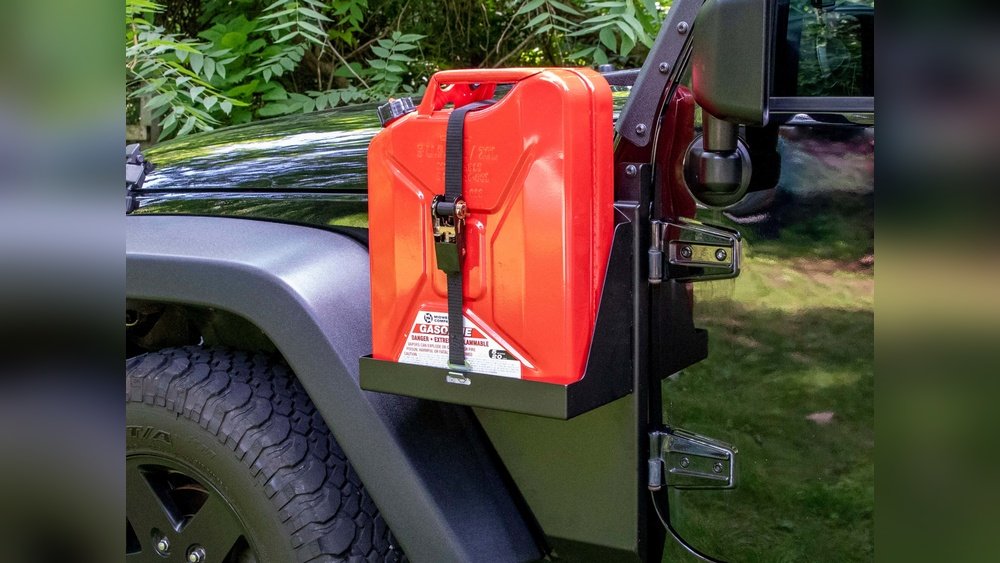
If you own a Jeep Wrangler, you know how important it is to be prepared for any adventure. One key part of that preparation is having extra fuel close at hand.
But how do you securely mount fuel cans on your Jeep so they stay safe and stable, even on rough trails? In this guide, you’ll discover simple, effective ways to attach your fuel cans that save space and keep your Jeep looking great.
Keep reading to learn the best methods and tips that will make your next off-road trip worry-free.
Credit: www.quadratec.com
Choosing The Right Fuel Can
Choosing the right fuel can for your Jeep Wrangler is important for safety and convenience. The right fuel can fits well, holds enough fuel, and is easy to use. It must also be strong and last long. This guide helps you pick the best fuel can for your needs.
Types Of Fuel Cans
There are several types of fuel cans. Jerry cans are popular for their sturdy design. They have a metal body and a tight seal. Plastic cans are lighter and easier to carry. Some fuel cans come with spouts for easy pouring. Choose the type that matches your Jeep and your fuel needs.
Material Considerations
Fuel cans come in metal and plastic materials. Metal cans are tough and resist damage. They protect fuel from sunlight and heat. Plastic cans are lighter and do not rust. Look for high-density plastic that is safe for fuel. The material should be strong and leak-proof.
Capacity Options
Fuel cans come in many sizes. Small cans hold about one gallon. Medium cans hold up to five gallons. Larger cans can store ten gallons or more. Choose a size that fits your Jeep’s mounting space. Also, consider how far you plan to drive without refueling.
Selecting The Best Mounting Location
Selecting the best mounting location for fuel cans on your Jeep Wrangler is important for safety and convenience. The right spot keeps fuel cans secure and easy to access. It also avoids damage to your vehicle and gear. Consider how often you use your Jeep and the type of trips you take. Space, weight, and ease of use all matter. Here are common mounting options to help you decide.
Rear Mounting Options
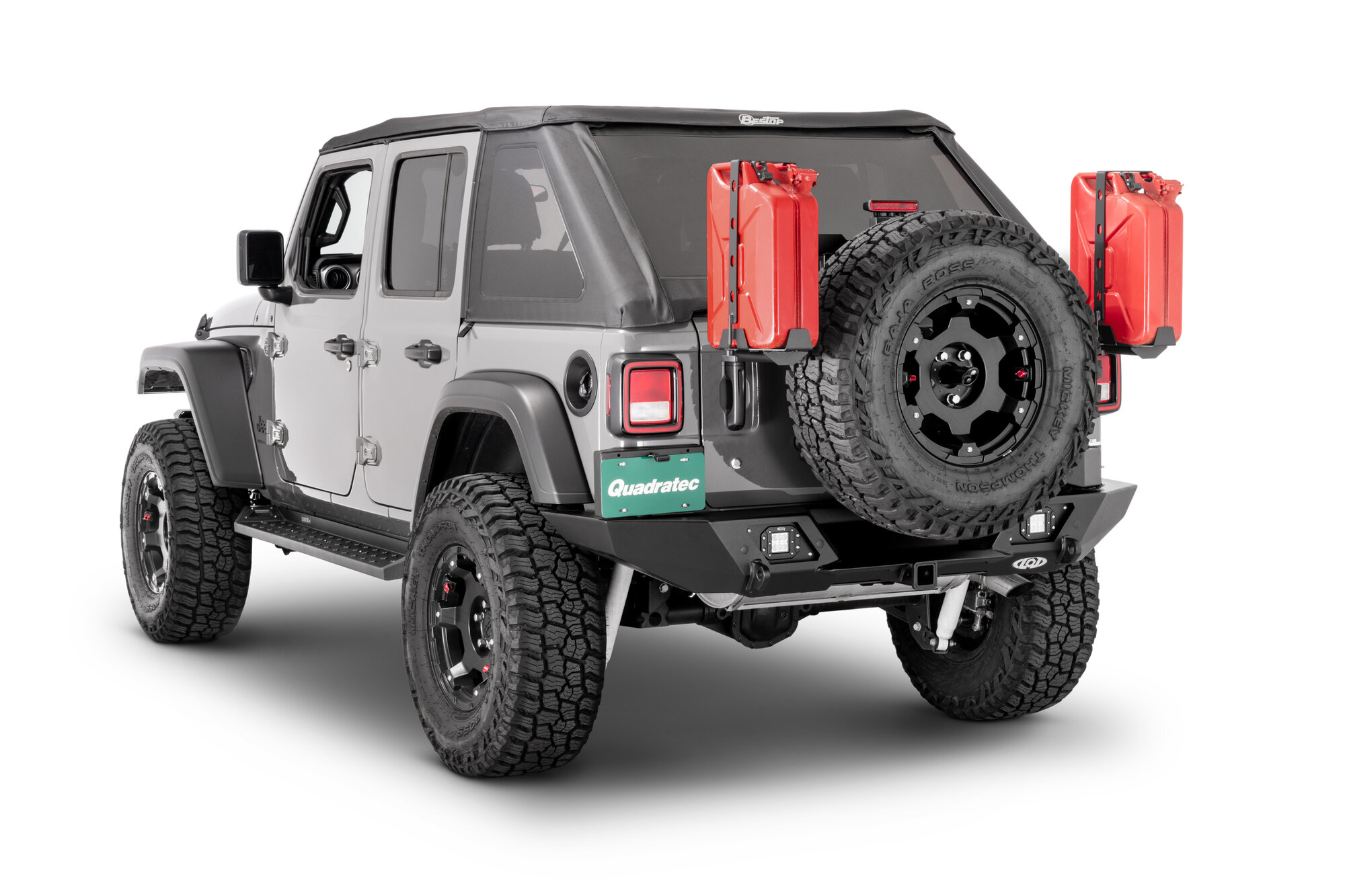
The rear of the Jeep is a popular place for fuel cans. It frees up interior space and keeps cans outside the vehicle. Rear mounts attach to the spare tire carrier or bumper. This area offers easy access while parked. Make sure the mount is strong and fits your fuel can size. Check clearance for doors and tailgates to avoid damage.
Interior Mounting Choices
Mounting fuel cans inside your Jeep protects them from weather and theft. The cargo area or behind the front seats works well. Secure the cans with straps or brackets to prevent movement. Interior mounts keep fuel cans close but reduce space for gear. Ventilation is important to avoid fumes inside the vehicle. Use sealed containers designed for fuel storage.
Roof Rack Mounting
Roof racks provide an elevated spot for fuel cans. This keeps weight off the rear and inside space free. Mounts on roof racks must be secure to avoid shifting. Consider the added height when driving under low obstacles. Roof mounting can affect your Jeep’s balance and fuel efficiency. Use locking mounts to keep cans stable during off-road trips.
Essential Mounting Equipment
Mounting fuel cans on a Jeep Wrangler needs the right equipment. This equipment keeps the cans safe and secure. It also makes sure the cans do not move while driving. Using the proper tools and parts helps avoid damage and spills. Here is what you need for a solid and safe mount.
Mounting Brackets
Mounting brackets hold the fuel cans firmly to your Jeep. They come in different shapes and sizes. Choose brackets that fit your fuel cans well. Look for metal brackets that resist rust and wear. Strong brackets reduce shaking and noise during rides. They make the mount stable and long-lasting.
Straps And Clamps
Straps and clamps secure the fuel cans to the brackets. Use heavy-duty straps made of durable materials. Rubber or nylon straps work well. Clamps add extra grip and stop cans from slipping. Tighten straps just enough to hold cans, not to damage them. Check straps and clamps often for wear and tear.
Tools Needed
Gather basic tools before starting the mounting process. A drill is useful for making holes in the Jeep’s frame. Wrenches and screwdrivers help tighten bolts and screws. Measuring tape ensures correct placement of brackets. Safety gloves protect your hands while working. Having the right tools makes mounting easier and safer.
Credit: www.hookeroad.com
Step-by-step Mounting Process
Mounting fuel cans on your Jeep Wrangler adds extra fuel storage for long trips. Follow the step-by-step mounting process to ensure a safe and secure setup. This guide breaks the process into clear steps that anyone can follow.
Preparing The Jeep
Start by cleaning the mounting area on your Jeep. Dirt and grease can stop mounts from sticking well. Choose a flat spot on the rear or side of your Jeep. Check for any factory bolts or holes to attach the mounts. Gather all tools and parts before you begin.
Attaching The Mounts
Align the mounting bracket with the Jeep’s attachment points. Use bolts and washers to fix the bracket firmly. Tighten the bolts using a wrench until the bracket does not move. Avoid overtightening to prevent damage. Make sure the bracket is level and stable.
Securing The Fuel Can
Place the fuel can on the mounted bracket carefully. Use straps or clamps to hold the can in place. Check that the straps are tight but not cutting into the can. Ensure the fuel can is easy to remove but won’t slip during driving. Double-check all fastenings before starting your trip.
Safety Tips For Fuel Can Mounting
Mounting fuel cans on your Jeep Wrangler requires careful attention to safety. Unsafe mounting can cause leaks, spills, or even fire hazards. Follow these tips to keep your fuel cans secure and avoid accidents.
Proper handling protects you, your vehicle, and the environment. It also helps you stay within legal rules. Read on for key safety tips to mount fuel cans correctly.
Avoiding Leaks And Spills
Use fuel cans designed for safe storage and transport. Check for cracks or damage before mounting. Tighten caps fully to prevent leaks. Secure cans firmly to avoid movement during driving. Avoid overfilling cans to allow space for fuel expansion. Clean any spilled fuel immediately to reduce fire risk.
Proper Ventilation
Fuel vapors can be dangerous in closed spaces. Mount cans in areas with good airflow. Avoid placing cans near heat sources or inside the cabin. Use vented fuel cans to release pressure safely. Regularly check vents to keep them clear of dirt or debris.
Legal Considerations
Many places have rules about carrying extra fuel. Check local laws before mounting fuel cans on your Jeep. Use approved containers and mounting systems. Display warning labels if required by law. Follow weight limits to avoid fines or vehicle damage.

Credit: www.youtube.com
Maintenance And Inspection
Mounting fuel cans on your Jeep Wrangler helps carry extra fuel on long trips. Keeping them in good condition is important for safety and reliability. Regular maintenance and inspection prevent leaks and damage. It also extends the life of your mounting system and fuel cans.
Regular Checkups
Check the mounting brackets and straps often. Look for loose bolts or screws. Tighten any parts that feel weak. Inspect the fuel can for dents or cracks. Make sure the cap seals tightly. A loose cap can cause spills or evaporation.
Cleaning And Care
Clean the fuel cans and mounts after every trip. Use mild soap and water to remove dirt and grime. Dry all parts completely to stop rust. Avoid harsh chemicals that can damage the paint or metal. Keep the area around the mount free from mud and debris.
Replacing Worn Parts
Replace any broken or rusted parts immediately. Worn straps, bolts, or brackets can fail on the road. Use parts made for your Jeep model for a perfect fit. Check the fuel can for signs of wear, like cracks or leaks. Swap out old cans to ensure safe fuel storage.
Popular Mounting Accessories
Mounting fuel cans on a Jeep Wrangler requires the right accessories. These tools secure your cans safely. They also make loading and unloading easier. Choosing the right mount depends on your needs and Jeep setup.
Popular mounting accessories offer different benefits. Some focus on security, others on convenience. Understanding these options helps you pick the best fit.
Aftermarket Mounts
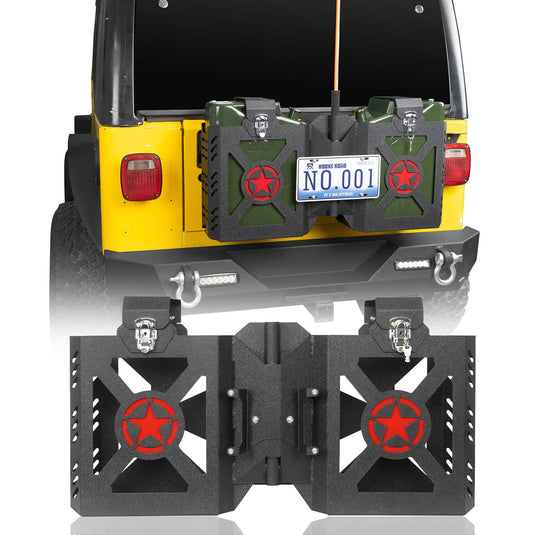
Aftermarket mounts are custom-made to fit Jeep Wranglers. They attach to the rear bumper, roof rack, or spare tire carrier. These mounts hold fuel cans firmly in place. Many are made from steel or aluminum. They resist rust and rough conditions. Installation is usually simple with basic tools. Aftermarket mounts come in various sizes and styles. They let you carry one or more cans safely.
Locking Mechanisms
Locking mechanisms keep fuel cans secure from theft. They work with most mounts and carriers. These locks often use keys or combination codes. Some have reinforced cables or clamps. Locking fuel cans add peace of mind. They prevent accidental opening during off-road trips. Security is important when you park in public places. Choose locks that are strong but easy to use.
Quick Release Systems
Quick release systems speed up fuel can access. They allow fast removal without tools. These mounts use clamps or latches that snap open. Quick release saves time during emergencies. Ideal for off-road drivers who refuel often. Many systems also secure cans tightly while driving. Look for designs that balance security with ease of use. This system is perfect for those who want fast, safe fuel access.
Common Mounting Mistakes To Avoid
Mounting fuel cans on a Jeep Wrangler requires care. Avoiding common mistakes ensures safety and convenience. Many make simple errors that can cause problems on the road. These mistakes can lead to fuel spills, damage, or even accidents. Learn to spot and avoid these common mounting errors.
Improper Securing
Fuel cans must be tightly secured to avoid movement. Loose cans can fall off while driving. This creates danger for you and others on the road. Use strong straps or mounts designed for fuel cans. Check tightness before every trip. Never rely on weak or worn-out fasteners.
Overloading Issues
Do not carry too many fuel cans at once. Overloading adds extra weight to your Jeep. This affects handling and braking. It can also damage the mounting points. Follow the manufacturer’s weight limits carefully. Spread the load evenly to keep your vehicle balanced.
Ignoring Compatibility
Use mounts made for your specific Jeep model. Not all fuel cans fit all mounts. Wrong fits can cause leaks or looseness. Check size, shape, and mounting style before buying. Compatible mounts ensure a secure and safe hold. Avoid cheap or generic mounts that do not fit well.
Frequently Asked Questions
How Do I Securely Mount Fuel Cans On A Jeep Wrangler?
Use a heavy-duty fuel can mount or bracket designed for Jeep Wranglers. Secure the can with straps or bolts. Ensure the mount is stable to avoid movement during driving. Proper mounting prevents damage and spillage.
What Tools Are Needed To Mount Fuel Cans On A Jeep?
You typically need a drill, wrenches, screwdrivers, and mounting hardware. A measuring tape helps position the mount accurately. Safety gloves and eye protection are recommended during installation.
Where Is The Best Location To Mount Fuel Cans On A Jeep?
Mount fuel cans on the rear tailgate or roof rack for easy access. Avoid blocking visibility or vehicle functions. Choose a spot that balances convenience and safety while driving.
Can I Mount Multiple Fuel Cans On My Jeep Wrangler?
Yes, you can mount multiple cans using dual or multiple mounts. Ensure they are securely fastened and evenly distributed. Overloading can affect vehicle balance and safety.
Conclusion
Mounting fuel cans on your Jeep Wrangler keeps extra fuel safe and easy to reach. Choose the right mount that fits your Jeep model well. Secure the cans tightly to avoid movement during drives. Check mounts often to ensure they stay strong and stable.
This simple step adds convenience and peace of mind on long trips. Ready for your next adventure? Fuel cans mounted right make it smoother and safer.