
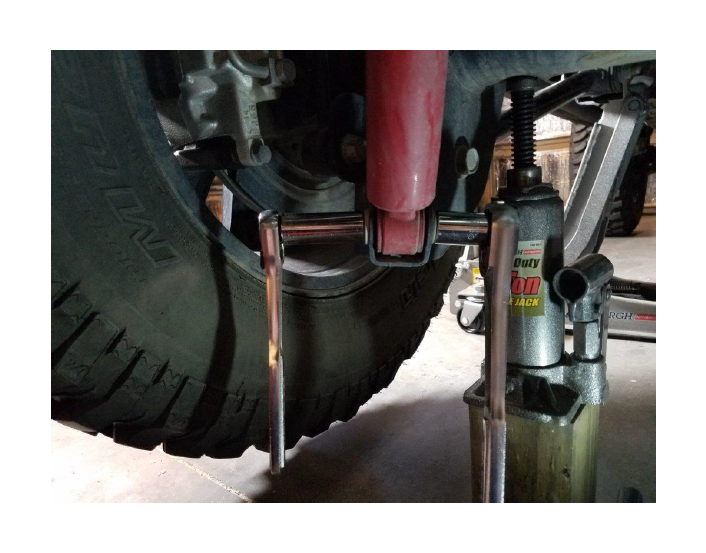
Installing shocks on your Jeep Wrangler JL can be done with basic tools and a little patience. If you're looking to improve your ride comfort or off-road capability, replacing or upgrading your shocks is a great place to start. With the right guidance, even a novice can succeed without professional help. In this guide, we'll explore the step-by-step process, tips for choosing the right shocks, and common pitfalls to avoid, ensuring your Jeep is ready for any adventure.
Understanding the Role of Shocks in Your Jeep Wrangler JL
Shocks play a crucial role in vehicle dynamics, affecting ride comfort, handling, and stability, especially on uneven terrains. They absorb and dampen shocks from rough road surfaces, maintaining tire contact and ensuring a smooth ride. By replacing worn shocks with high-quality options, you can enhance both on-road and off-road performance.
Benefits of Upgrading Shocks
- Improved Ride Quality: Enhanced absorption of road irregularities translates to a smoother driving experience.
- Increased Stability: Better handling during cornering and maneuvering.
- Reduced Wear and Tear: Protects other suspension components from excessive stress.
Preparing for the Installation
Before starting, gather the necessary tools and equipment to ensure a smooth installation process:
-
Tools Required:
- Socket set and wrenches
- Jack and jack stands
- Torque wrench
- Safety glasses and gloves
-
Shocks Selection: Choose the appropriate shocks compatible with the Jeep Wrangler JL, keeping in mind your driving style and needs.
Safety Precautions
- Always work on a flat surface.
- Use wheel chocks to prevent vehicle movement.
- Wear protective gear to avoid injuries.
Step-by-Step Guide to Installing Shocks
Front Shocks Installation
-
Lift the Vehicle: Securely jack up the Jeep and support it with jack stands.
-
Remove the Wheels: This will give you access to the shocks.
-
Detach the Old Shock:
- Loosen and remove the top and bottom bolts using a socket wrench.
- Carefully remove the shock absorber.
-
Install the New Shock:
- Position the new shock in place.
- Tighten the top and bottom bolts to the manufacturer's specified torque.
-
Reattach the Wheels: Ensure lug nuts are tightened securely.
-
Lower the Vehicle: Remove the jack stands and carefully lower the Jeep.
Rear Shocks Installation
-
Lift the Vehicle: Repeat the process for the rear, ensuring stability.
-
Remove the Rear Wheels: Provides clear access to the rear shocks.
-
Remove the Old Shocks:
- Unscrew the retaining bolts.
- Remove the shocks carefully.
-
Install the New Rear Shocks:
- Align the new shock and secure with bolts.
- Tighten bolts to the manufacturer's torque specifications.
-
Reattach the Rear Wheels: Ensure all lug nuts are secure.
-
Lower the Jeep: Remove any remaining equipment.
Troubleshooting Common Issues
- Difficulty in loosening bolts: Use penetrating oil to ease stubborn bolts.
- Shock alignment: Ensure proper positioning to avoid misalignment during installation.

Frequently Asked Questions
What tools do I need to install shocks on my Jeep Wrangler JL?
A socket set, wrenches, a jack, jack stands, and a torque wrench are essential for this task.
How long does it take to install shocks on a Jeep Wrangler JL?
Generally, it takes about 2-3 hours, depending on experience and ease of access.
Do I need to replace all four shocks at once?
While not mandatory, replacing all shocks in one go ensures balanced handling and performance.
Are aftermarket shocks better than OEM for Jeep Wrangler JL?
Aftermarket shocks can provide specific performance benefits, but the best choice depends on your driving needs.
How do I know if my shocks need replacing?
Signs include poor ride quality, excessive bouncing, or fluid leaks from the shocks.
Conclusion
Installing shocks on your Jeep Wrangler JL is a rewarding project that enhances both your driving experience and vehicle longevity. By following this guide, you can confidently upgrade your shocks, ensuring your Jeep handles well both on pavement and on rugged trails. Embrace the challenge, and enjoy the improved performance of your vehicle. Share your thoughts or results in the comments, and explore more resources for Jeep enthusiasts by subscribing to our updates.


