
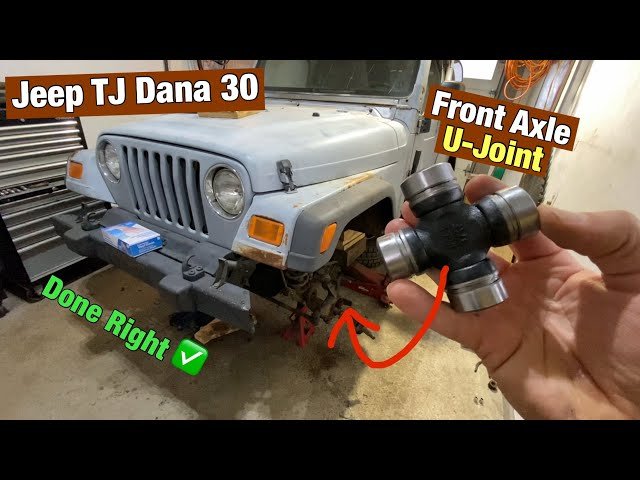
A common cause of Jeep Wrangler U-joint noise is worn-out U-joints needing lubrication or replacement.
If you're a Jeep Wrangler owner, you know how important it is to address strange noises promptly. These noises, often emanating from the drivetrain, can compromise your driving experience. Fixing U-joint noise not only enhances your vehicle's performance but also prevents potential damage. This guide will walk you through diagnosing, understanding, and resolving those irritating U-joint noises with detailed steps and expert advice. Let’s dive in and keep your Jeep running smoothly.
Understanding U-Joint Noise
U-joints, or universal joints, are critical components of your Jeep Wrangler's drivetrain. They connect the driveshaft to the transmission and differential, allowing for smooth power transfer even when the axle moves. Over time, U-joints can wear out, leading to clunking, squeaking, or grinding noises.
Causes of U-Joint Noise
- Wear and Tear: Regular use can cause the U-joints to deteriorate.
- Lack of Lubrication: Insufficient lubrication leads to increased friction and noise.
- Damage: Off-roading or hitting obstacles can damage U-joints.
- Rust and Corrosion: Exposure to elements can corrode U-joints, causing noise.
Symptoms of a Faulty U-Joint
- Clunking Noise: Especially when accelerating or shifting gears.
- Squeaking Sound: Often heard at low speeds due to lack of lubrication.
- Vibration: Felt throughout the vehicle, particularly when accelerating.
How to Diagnose U-Joint Noise
-
Visual Inspection:
- Check for visible signs of wear or damage on the U-joints.
- Look for rust and corrosion.
-
Manual Check:
- Safely lift your Jeep using jack stands.
- Wiggle the driveshaft by hand; excessive movement indicates wear.
-
Listen for Noises:
- Drive slowly and listen for clunking or squeaking.
- Note if the noise occurs during specific actions like accelerating or turning.
Steps to Fix Jeep Wrangler U-Joint Noise
Step 1: Gather Tools and Materials
- Socket set
- U-joint removal tool
- New U-joints
- Lubricant
- Jack stands
### Step 2: Lift Your Jeep
- Securely lift your Jeep using jack stands.
- Ensure the parking brake is engaged.
Step 3: Remove the Driveshaft
- Unbolt the U-joint at the yoke.
- Carefully take out the driveshaft for access.
Step 4: Replace the U-Joints
- Use a U-joint removal tool to press out old U-joints.
- Install new U-joints, ensuring they are well-lubricated.
Step 5: Reinstall the Driveshaft
- Align the driveshaft and bolt it into place.
- Double-check all connections for security.
Step 6: Test Drive
- Lower the Jeep and take it for a test drive.
- Listen for any remaining noise to ensure the issue is resolved.
Preventive Maintenance Tips
- Regularly lubricate U-joints during oil changes.
- Inspect U-joints periodically for signs of wear.
- Avoid harsh driving conditions that can damage drivetrain components.
Frequently Asked Questions
What causes U-joints to fail?
U-joints fail due to wear, insufficient lubrication, and physical damage like rust or corrosion.
Can I drive with a noisy U-joint?
Driving with a noisy U-joint is not recommended, as it can lead to more severe damage or drivetrain failure.
How often should I check my U-joints?
Inspect your U-joints every 5,000 miles or during regular vehicle maintenance.
What tools are needed to replace a U-joint?
Common tools include a socket set, U-joint removal tool, and jack stands.
Are U-joint replacements expensive?
Cost varies by model and location, ranging from $100 to $400 for parts and labor.
Conclusion
Fixing U-joint noise in your Jeep Wrangler is not just about restoring peace during your drives; it's essential for maintaining your vehicle's health and longevity. Regular inspection and timely replacement of U-joints prevent costly repairs in the future. So, gear up, dive under the hood, and tackle those noises head-on. Subscribe to our newsletter for more insightful articles and tips on maintaining your Jeep Wrangler.


