
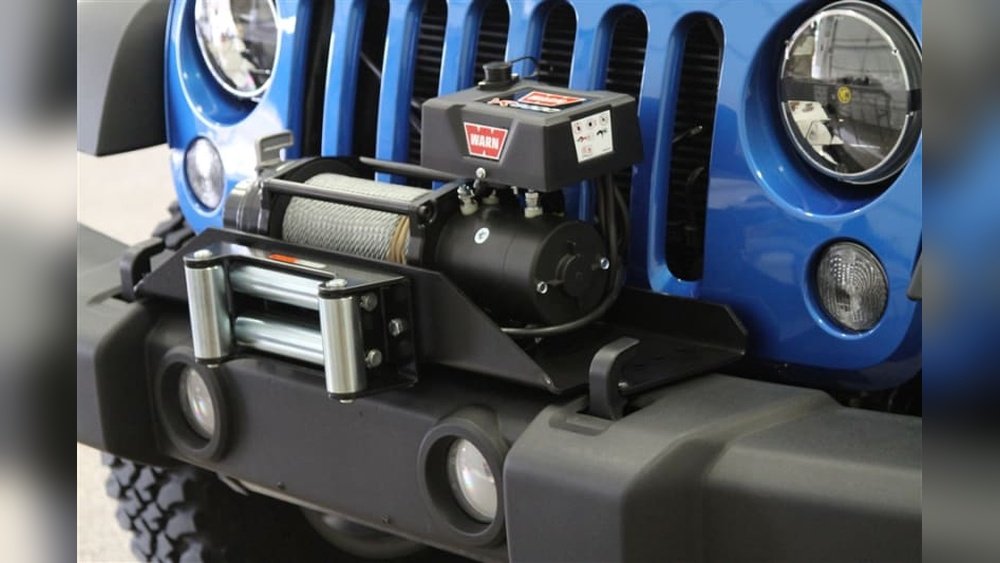
If you drive a Jeep Wrangler, you know it’s built for adventure. But if you plan to tackle rough trails or help others out of tricky spots, a winch bumper is almost essential. It gives you a strong place to mount a winch and extra protection for your Jeep’s front end. Installing a winch bumper can seem tough, but with the right tools and steps, most owners can do it at home. Here’s a complete, step-by-step guide that will help you install a winch bumper on your Jeep Wrangler, avoid common mistakes, and get the best results.
Why Install A Winch Bumper?
A winch bumper is more than just a place to put a winch. It provides:
- Front-end protection from rocks, animals, and other hazards
- Better approach angles for off-roading
- Winch mounting for self-recovery
- Attachment points for D-rings and tow hooks
- Custom looks that make your Jeep stand out
Many Jeep owners install winch bumpers because they want both safety and style. But not all bumpers are the same. Some are lightweight for easy driving, while others are heavy-duty for extreme trails. The right choice depends on how you use your Jeep.
Choosing The Right Winch Bumper
Before buying, you need to pick the best bumper for your Jeep and your needs. Here are some key factors:
- Compatibility: Make sure the bumper fits your Wrangler’s year and model. For example, a bumper for a 2007-2018 JK may not fit a 2018+ JL.
- Material: Most quality bumpers are made of steel or aluminum. Steel is stronger but heavier. Aluminum is lighter and rust-resistant but can be more expensive.
- Weight: Heavy bumpers add protection but can affect fuel economy and handling.
- Winch Capacity: Choose a bumper that supports your winch’s weight and size.
- Recovery Points: Look for sturdy D-ring mounts and tow hooks.
- Finish: Powder coating resists rust better than plain paint.
Here’s a quick comparison of bumper materials:
| Material | Strength | Weight | Rust Resistance | Price |
|---|---|---|---|---|
| Steel | Very High | Heavy | Low (needs coating) | $$ |
| Aluminum | Medium | Light | High | $$$ |
| Plastic/Composite | Low | Very Light | High | $ |
Insight: Many beginners forget to check how much extra weight their Jeep’s suspension can handle. Too heavy a bumper might sag the front end and hurt ride quality.
Tools And Supplies You’ll Need
Having the right tools will make installation much easier. Here’s what you should prepare:
- Socket set (metric and standard)
- Wrenches (ratcheting helps)
- Torque wrench
- Screwdrivers
- Allen keys (if required)
- Pliers
- Trim removal tool (for plastic clips)
- Safety glasses and gloves
- Jack and jack stands (optional)
- Anti-seize lubricant
- Rust inhibitor spray (if your Jeep is older)
Pro Tip: Lay out all your tools before starting. Missing one key tool can slow you down or force a trip to the hardware store.
Preparing Your Jeep
Before you start removing anything, park your Jeep on a flat, solid surface. Engage the parking brake and disconnect the negative battery cable. This is important if your bumper has fog lights or if you’ll be installing a winch with electrical connections.
- Take photos of your Jeep’s front end. These will help you remember where everything goes.
- Remove license plate and holders if they block bumper bolts.
- Spray rusty bolts with penetrating oil. Let them sit for at least 10 minutes.
Non-obvious insight: Older Wranglers often have rusted or seized bumper bolts, especially in snowy regions. Starting with penetrating oil saves time and frustration.
Removing The Factory Bumper
This is often the most time-consuming part, especially if your Jeep is older or has aftermarket accessories.
- Remove plastic splash guards and air dams. Use a trim tool to avoid breaking clips.
- Disconnect fog lights if your model has them. Carefully unplug the wiring harness.
- Unbolt the bumper from the frame. Most Wranglers have 8 main bolts holding the bumper.
- Remove the bumper gently. It may be heavy or stuck from rust.
- Save all hardware in a container. Some parts may be reused.
Common mistake: Forgetting to disconnect fog light wiring can break the connectors or wires. Always check for wiring before pulling off the bumper.
Test-fit The New Winch Bumper
Before permanent installation, do a test fit:
- Align the bumper with the frame rails.
- Check for interference with the grille, fender flares, and winch mount.
- Confirm that fog lights, if included, fit correctly.
- Mark any areas that need minor trimming or adjustment.
If everything lines up, remove the bumper and prepare for final installation.

Credit: www.youtube.com
Installing The Winch (optional But Recommended)
It’s usually easier to mount the winch to the bumper before installing the bumper on your Jeep. Here’s why:
- You have more space to work.
- You can route wires more cleanly.
- It’s easier to torque down winch bolts.
To install the winch:
- Bolt the winch onto the bumper’s winch plate using the hardware provided.
- Install the fairlead (for synthetic rope or cable) onto the bumper.
- Route the winch wiring toward the engine bay, making sure it will not be pinched or damaged.
- Do not connect the winch wires to the battery yet.
Insight: Beginners sometimes install the bumper first, then realize the winch cannot be mounted easily. Always check your bumper’s instructions.
Mounting The Winch Bumper
Now you’re ready for the main event. Follow these steps:
- Lift the bumper into place. You may need a helper, especially if it’s steel.
- Align the mounting holes with the Jeep’s frame rails.
- Insert the bumper bolts (use anti-seize on the threads if your Jeep is older).
- Hand-tighten all bolts first.
- Torque the bolts to the manufacturer’s specs, usually between 65–90 ft-lbs.
- Reconnect fog lights or install new ones if the bumper supports them.
- Check for clearance between the bumper, grille, and fenders.
- Install D-rings or recovery hooks if included.
Non-obvious tip: Don’t fully tighten the bolts until you’re sure the bumper is centered and level. It’s easier to adjust when the bolts are snug but not tight.
Here’s a quick look at typical bumper mounting points for Jeep Wranglers:
| Wrangler Model | Main Mounting Points | Fog Light Wiring? |
|---|---|---|
| JK (2007-2018) | 4 per side | Yes (most trims) |
| JL (2018+) | 4 per side | Yes (all trims) |
| TJ (1997-2006) | 3 per side | No (base trims) |
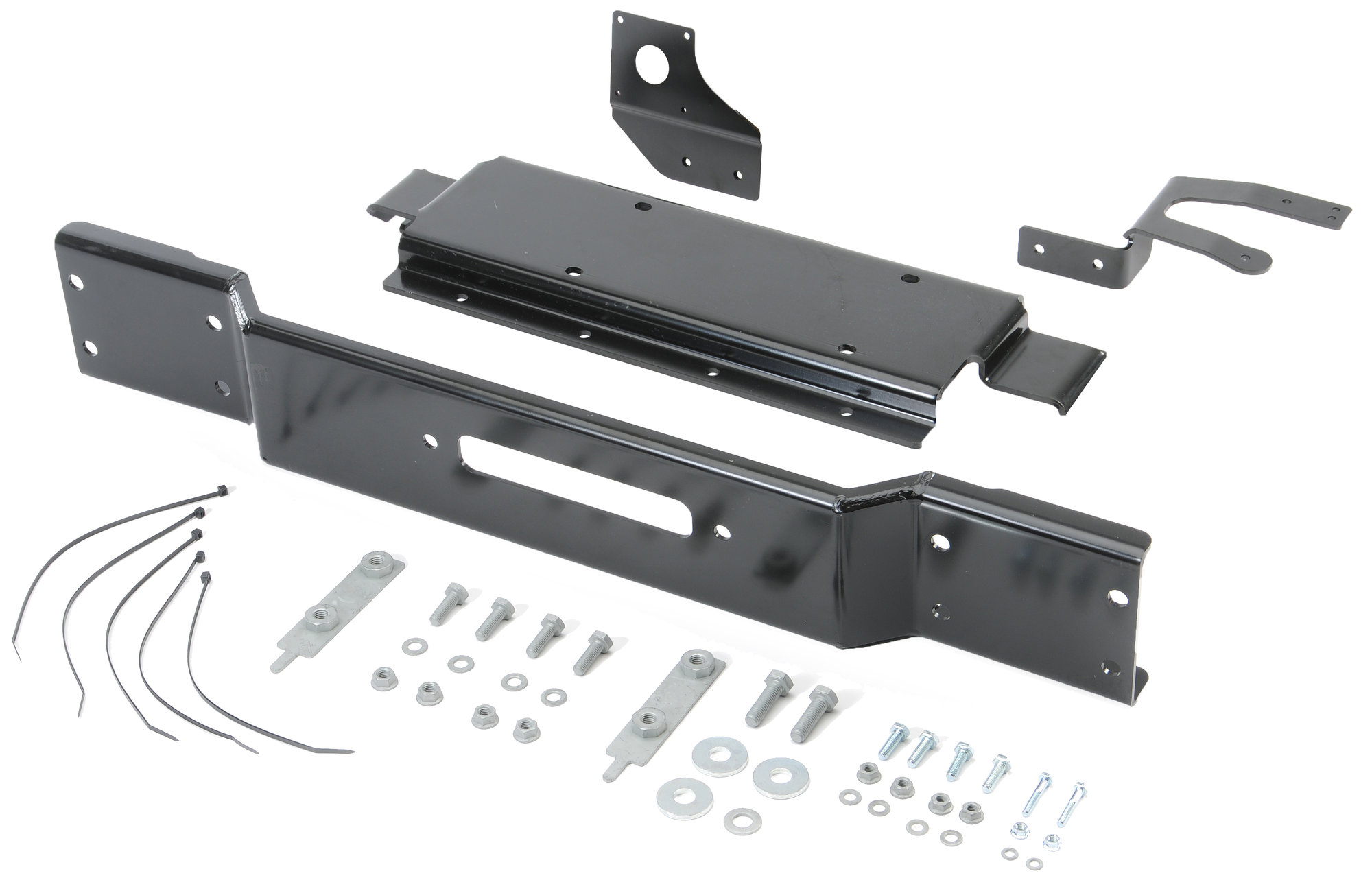
Credit: www.quadratec.com
Wiring The Winch
If you installed a winch, now is the time to wire it up.
- Route the positive and negative cables through the engine bay to the battery.
- Avoid sharp edges or hot engine parts.
- Connect the cables to the battery. Red to positive, black to negative.
- Use included fuses or circuit breakers.
- Test the winch with the remote before finishing.
Safety tip: Never route winch wiring where it can rub or pinch. Use zip ties or wire loom for protection.
Reinstalling Accessories
Put back anything you removed:
- License plate and brackets
- Skid plates or splash guards (if compatible)
- Fog light wiring harnesses
- Parking sensors (if your Jeep has them)
Check all bolts again after driving 50–100 miles. Sometimes, new hardware can loosen after use.
Final Checks And Tips
After installation, take a moment to inspect your work:
- Make sure the bumper is level and tight.
- Check that the winch operates smoothly.
- Confirm that all lights work.
- Look for any rubbing or contact with the grille or fenders.
Beginner insight: Many owners forget to check the new bumper’s effect on suspension. If your Jeep sags, consider adding stiffer springs or leveling spacers.
Here’s a simple table to help you troubleshoot common issues:
| Problem | Possible Cause | Solution |
|---|---|---|
| Bumper not level | Bolts unevenly tightened | Loosen, adjust, re-torque |
| Winch doesn’t work | Wiring issue | Check connections, fuses |
| Lights out | Disconnected harness | Reconnect plugs |
| Suspension sag | Too much weight | Upgrade springs |
Safety Reminders
- Always wear gloves and eye protection.
- Use jack stands if lifting the Jeep.
- Double-check all wiring before using the winch.
- Never use the winch for lifting people.
If you need official torque specs or wiring diagrams, the Jeep official website is a reliable source.

Credit: aev-conversions.com
Frequently Asked Questions
Can I Install A Winch Bumper By Myself?
Yes, but it’s much easier with a helper. Some steel bumpers can weigh over 100 pounds. Working alone is possible, but using a jack or stands to support the bumper helps a lot.
Does Installing A Winch Bumper Require Special Tools?
No special tools are required, but a torque wrench and a full socket set make the job much easier. Some bumpers may need Allen keys or Torx bits.
Will A Winch Bumper Affect My Jeep’s Handling?
A heavy winch bumper can add front-end weight, which might change how your Jeep handles or rides. You may notice the steering feels heavier. Upgrading your suspension can help if you carry extra weight often.
Do I Need To Modify My Jeep To Fit A Winch Bumper?
Most quality winch bumpers are bolt-on and use factory mounting points. Rarely, you may need to trim a plastic air dam or relocate fog lights. Always check the bumper’s instructions for your model year.
Is It Safe To Wire The Winch Myself?
If you follow instructions and double-check connections, wiring a winch is safe. Always disconnect the battery before starting. If you’re unsure, have a professional check your work before using the winch.
Jeep life is about adventure and being prepared. With a proper winch bumper, you’ll have both confidence and capability, ready for whatever the trail brings. Taking your time with installation means your bumper will look great and perform when you need it most.



