
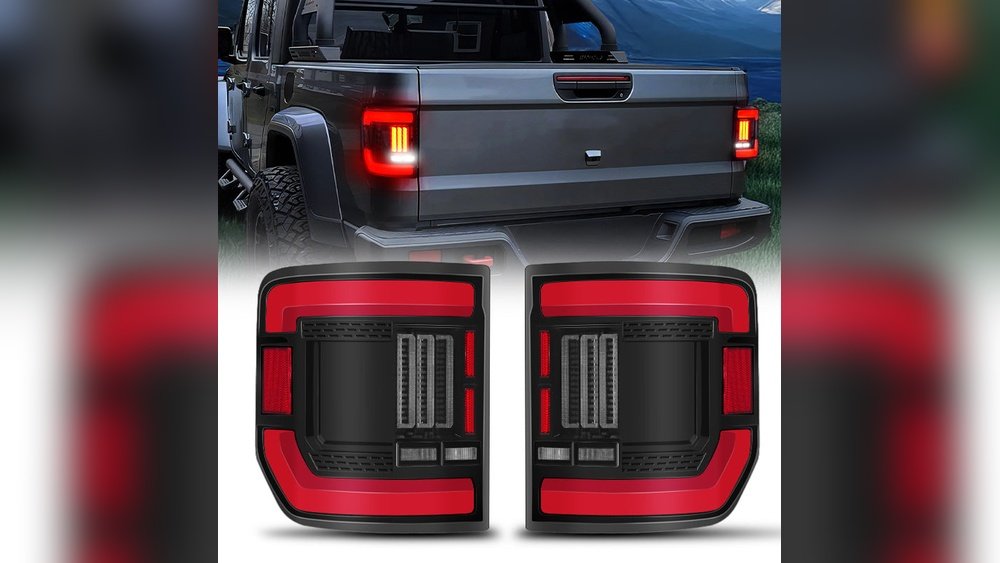
If you own a Jeep Gladiator, you know how much it stands out on and off the road. Upgrading the taillights to LED taillights is one of the most popular modifications owners do. Not only do these lights look modern, but they also offer better visibility, safety, and energy efficiency. Many drivers want to install LED taillights themselves but worry about the process. The good news? It’s a straightforward upgrade you can do at home with basic tools and a bit of care. This guide will show you every step, help you avoid common mistakes, and offer tips that even many experienced DIYers miss.
Why Upgrade To Jeep Gladiator Led Taillights?
Switching to LED taillights brings several clear benefits. First, LEDs are much brighter than standard bulbs, making your Gladiator more visible in any weather. This means better safety, especially at night or in heavy rain. Second, LEDs use less power, which helps your battery last longer. Third, they last much longer than halogen bulbs—often over 30,000 hours—so you won’t have to change them often.
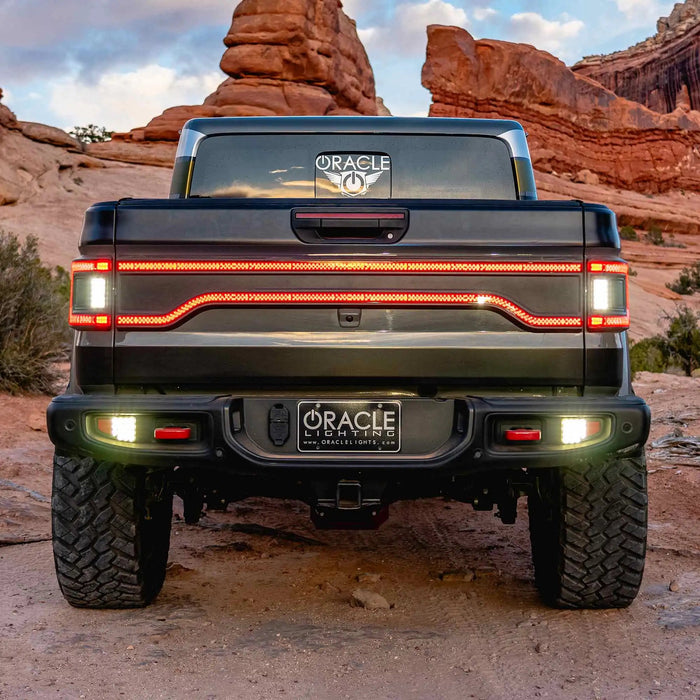
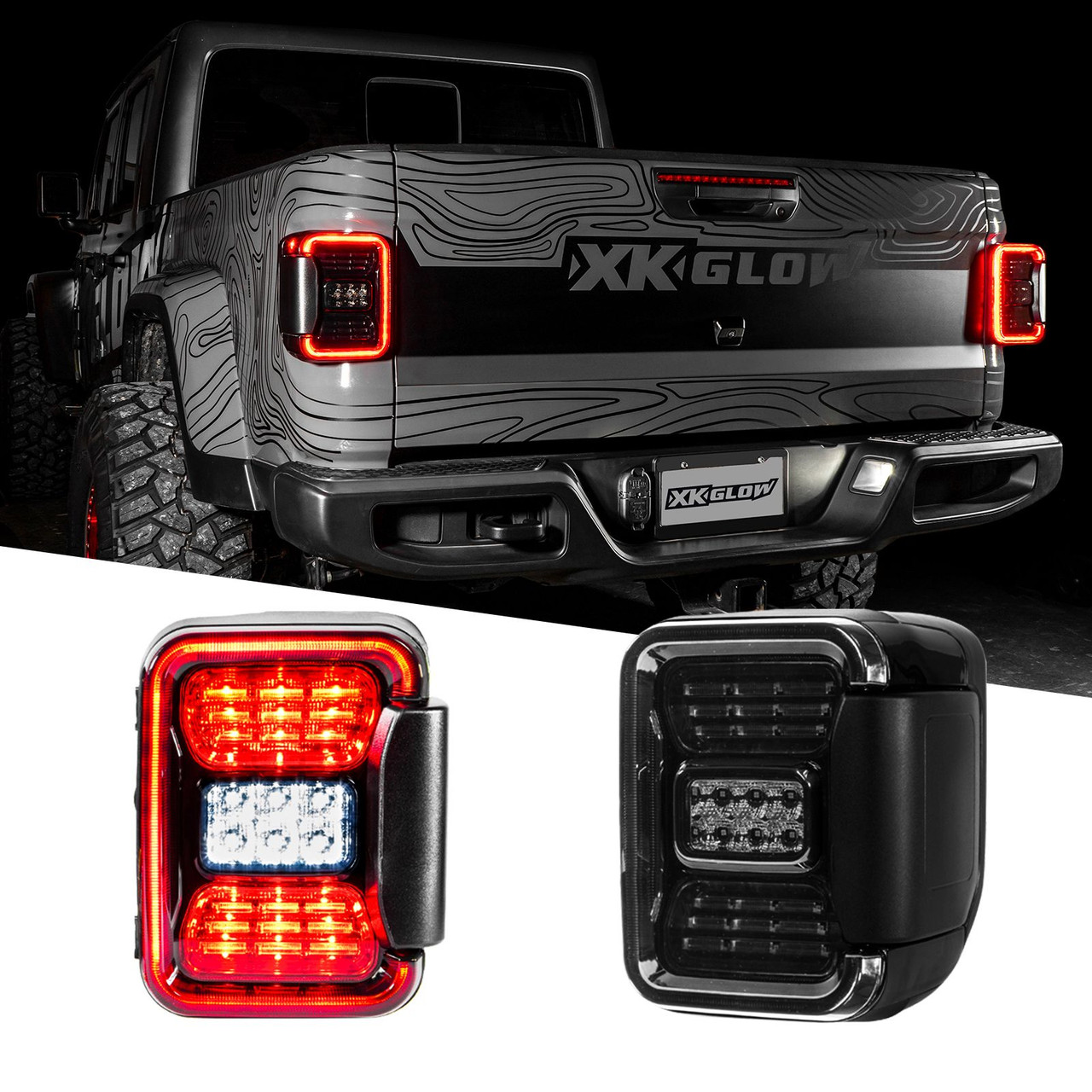
Another big reason is style. LED taillights give your Jeep a sharp, high-tech look. Many models come with unique patterns and animations when you use your brakes or turn signals. Some even allow customization, so you can match your Gladiator’s style.
Choosing The Right Jeep Gladiator Led Taillights
Before buying, you should know that not all LED taillights are equal. Here are some factors that matter:
- Compatibility: Make sure the taillights fit your Gladiator’s model year (2020 and up for most). Some are designed for specific trim levels, so check the product details.
- Plug-and-play: Some LED kits are “plug-and-play,” which means you don’t need to cut or splice wires. Others may require extra wiring or adapters.
- DOT approval: To stay legal, choose DOT-approved taillights. These follow safety standards and help avoid fines.
- Water resistance: High-quality taillights have an IP67 or IP68 rating, keeping out water and dust.
- Features: Some LEDs include dynamic turn signals, sequential lighting, or smoked lenses for a custom look.
Many beginners overlook the importance of DOT approval and water resistance. Don’t skip these—they make a big difference for both safety and durability.
Here’s a quick comparison of common features:
| Feature | Basic LED Taillight | Premium LED Taillight |
|---|---|---|
| Brightness | Standard | High |
| Turn Signal | Regular | Sequential/Dynamic |
| Water Resistance | IP65 | IP67/IP68 |
| Plug-and-play | Yes | Yes |
| Customization | No | Possible |
| Price Range | $120–$180 | $200–$400+ |

Credit: www.amazon.com
Tools And Materials Needed
Before you start, gather these tools and items:
- New Jeep Gladiator LED taillights
- Phillips and flathead screwdrivers
- 10mm socket and ratchet
- Trim removal tool (optional)
- Pair of gloves (to protect your hands)
- Microfiber cloth (for cleaning lenses)
- Dielectric grease (optional, helps prevent moisture in connections)
Having everything ready makes the process smoother and prevents last-minute trips to the store.
Preparing Your Jeep Gladiator
- Park on a flat surface and turn off the engine. Make sure the Jeep is in park, with the parking brake on.
- Disconnect the battery: Open the hood and disconnect the negative terminal. This step is important to avoid shorts or shocks.
- Open the tailgate fully. This will give you better access to the taillight screws.
- Clean the area around the taillights with a microfiber cloth. Dirt can fall into the opening or scratch your paint.
Many DIYers skip cleaning, but dust and grit can damage your paint or get into connectors. Taking a few minutes to clean can save hassle later.
Removing The Stock Taillights
Most Jeep Gladiator taillights are held by a few screws and a connector. Here’s how to remove them safely:
- Use the 10mm socket to remove the two bolts holding the taillight assembly. The bolts are visible when the tailgate is open.
- Gently pull the taillight assembly straight out. Do not force it—wiggle if needed.
- Find the wiring connector at the back of the taillight. Press the tab and pull to disconnect.
- Set the old taillight aside in a safe place.
If the taillight seems stuck, check for hidden screws or clips. Never pry with force, as this can break the housing or scratch your Jeep.
Installing The New Led Taillights
Now comes the exciting part. Here’s how to fit your new LED lights:
- Test-fit the new LED taillight by holding it in place. Check that the connector lines up and the bolt holes match.
- Connect the wiring harness. Most LED taillights are plug-and-play, but if your kit has extra wires (for features like sequential signals), follow the instructions.
- If you use dielectric grease, put a small amount on the connectors. This keeps water out and helps prevent corrosion.
- Slide the LED taillight into the opening, making sure it fits evenly.
- Reinstall the two bolts with your 10mm socket. Do not overtighten—just snug.
- Repeat these steps for the other side.
Some LED kits require you to transfer the old bulb sockets or add a resistor to prevent hyper-flashing. If so, your kit’s instructions will show how. Take your time to do this correctly—rushed wiring can cause issues later.
Here’s a quick look at the difference in installation steps:
| Step | Stock Taillight | LED Taillight |
|---|---|---|
| Remove Screws | Yes | Yes |
| Disconnect Harness | Yes | Yes |
| Install Resistor | No | Sometimes |
| Plug-and-play | No | Usually |
Testing The New Taillights
Before you finish, it’s important to test your work:
- Reconnect the negative battery terminal under the hood.
- Turn on your Jeep and check all taillight functions: Parking lights, brake lights, reverse lights, and turn signals.
- Walk around the vehicle to see both sides and check for even brightness and color.
- If something does not work, turn the Jeep off, disconnect the battery, and check your connections.
A common mistake is not testing before fully closing everything up. Always check before you finish—fixing problems now is much easier.
Adjusting And Final Touches
Some LED taillights have adjustable settings or require minor tweaks:
- Alignment: Make sure the taillights are flush with the body. If not, adjust the bolts slightly.
- Settings: Some high-end taillights let you choose different animation patterns. Check the manual for how to change these.
- Sealing: If your area gets a lot of rain or snow, check the seals around the taillights. Good kits come with foam or rubber gaskets. If not, you can add a thin bead of clear automotive silicone for extra protection.
Take a few extra minutes to make sure everything fits perfectly and is sealed well. Poor sealing can lead to fogged lenses or electrical problems later.
Credit: www.oraclelights.com
Common Problems And How To Fix Them
Even with good instructions, things can sometimes go wrong. Here are some issues and how to handle them:
- Hyper-flashing turn signals: This happens when the LED uses less power than stock bulbs. Add the included resistor or a plug-and-play anti-flicker module to fix.
- One side not working: Check the connector for bent pins or dirt. Clean and reconnect.
- Moisture in the taillight: Remove the light, dry thoroughly, and check the gasket. Add silicone if needed.
- Error messages on the dash: Some Gladiators may display a warning. An adapter or resistor kit usually solves this.
Most problems are easy to fix if you check connections and use quality parts. Don’t rush—take your time to get it right.
Cost And Time Estimate
Upgrading to LED taillights is not expensive compared to other Jeep mods. Here’s what you can expect:
| Item | Estimated Cost | Time Needed |
|---|---|---|
| LED Taillight Set | $150–$400 | – |
| Basic Tools | $0–$30 | – |
| DIY Labor | Free | 30–60 min |
| Professional Install | $60–$120 | 1–2 hrs |
Most people can complete this installation in under an hour. If you’re new to car work, plan for a bit longer to go slowly.
Credit: store.xkglow.com
Tips For A Professional Finish
Even if you’re not a mechanic, these tips will help your upgrade look and perform like a pro job:
- Take photos of each step. If you forget how something fits, you can check your pictures.
- Use gloves to avoid fingerprints on the new lenses.
- Tighten bolts evenly to keep the taillights level.
- Store the original taillights in case you want to go back to stock or sell your Jeep.
- If you see any flickering, check for loose connections before calling support or returning the lights.
Many DIYers skip storing the old lights, but keeping them can save money and hassle later.
When To Seek Professional Help
While this is a simple project for most, there are times when a pro is best:
- If your taillight wiring is damaged or looks different than the instructions.
- If you try everything and still get warning lights on the dash.
- If you want custom wiring (like extra features) that is not plug-and-play.
A good shop will finish the job quickly and safely. It’s better to pay for help than risk electrical issues or damage.
Where To Find Reliable Jeep Gladiator Led Taillights
Buy from trusted sources for the best results. Look for brands with strong reviews and clear warranties. Avoid deals that seem too good to be true, as cheap lights often fail quickly or let in water. Sites like Quadratec are popular with Jeep owners and offer many options.
Frequently Asked Questions
How Long Do Jeep Gladiator Led Taillights Last?
Most quality LED taillights last between 30,000 and 50,000 hours. That’s many years of normal use. Cheap brands may fail sooner, so always buy from trusted sellers.
Do I Need A Special Tool To Install Led Taillights?
No special tool is required. A 10mm socket and screwdriver are usually enough. If your kit includes resistors, you may need a zip tie or tape to secure them.
Will Led Taillights Cause Warning Lights On My Dash?
Some Gladiators may show a warning if the LEDs use less power than stock bulbs. Most modern kits include resistors or modules to fix this. Always check your kit details.
Can I Install Led Taillights Myself?
Yes, most people can do this at home. Plug-and-play kits are especially easy. If you’re unsure about wiring, ask a friend for help or visit a shop.
Are Led Taillights Legal?
In most places, DOT-approved LED taillights are legal. Always check local laws and keep your old lights in case you need to switch back for inspections.
Upgrading your Jeep Gladiator with LED taillights is a smart move for safety, style, and value. With the right tools and this guide, you can enjoy a professional-quality upgrade in just an afternoon. Take your time, double-check each step, and you’ll love the results every time you drive.



