
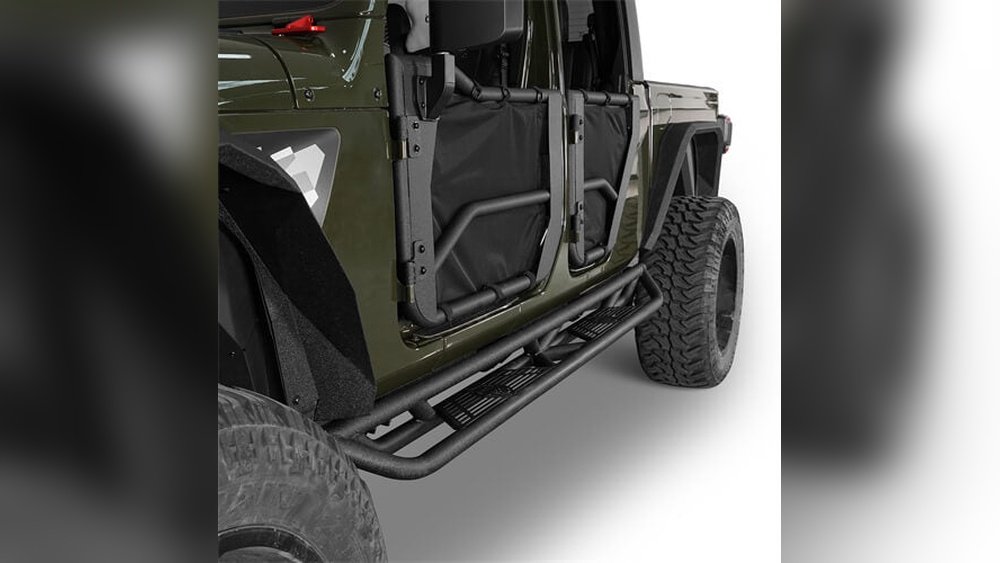
The Jeep Gladiator is a powerful and versatile truck, loved for its off-road abilities and rugged style. But climbing in and out can be a challenge, especially if your Gladiator sits high off the ground. This is where running boards become essential. They make entry and exit much easier, protect your vehicle from road debris, and even add a unique touch to your Jeep’s appearance.
Many Gladiator owners want to install running boards themselves. The task may look complicated, but with the right tools, clear instructions, and some patience, you can upgrade your Gladiator in just a few hours. Let’s walk through everything you need to know and do, from choosing the right boards to the final installation.
You’ll also get tips that most beginners miss, helping you avoid mistakes and get a strong, safe fit.
Why Install Running Boards On Your Jeep Gladiator?
Adding running boards to your Gladiator is more than just a cosmetic upgrade. Here are the main reasons owners choose them:
- Easier access: Running boards provide a step, making it simple for everyone—kids, adults, and elderly—to get in and out.
- Body protection: They shield the lower part of your doors and sides from rocks, mud, and other debris kicked up by your tires.
- Better appearance: Many running boards give your Gladiator a more rugged or finished look, complementing the truck’s design.
- Increased resale value: Accessories like running boards can make your vehicle more attractive to future buyers.
Surprisingly, running boards can also improve your safety. In wet or icy weather, a well-designed step with anti-slip treads can prevent falls. This is a small detail that many new owners overlook.
Types Of Running Boards For Jeep Gladiator
Not all running boards are the same. Choosing the right style affects both the look and function of your Jeep. Here are the main types:
| Type | Main Features | Best For |
|---|---|---|
| Standard Running Boards | Flat step, often with textured surface | Daily driving, simple install |
| Nerf Bars | Tubular, round or oval, lower profile | Sporty look, mild off-roading |
| Rock Sliders | Heavy-duty metal, protects underbody | Serious off-roading |
| Power Running Boards | Motorized, retract when not in use | Luxury, easy access, clean look |
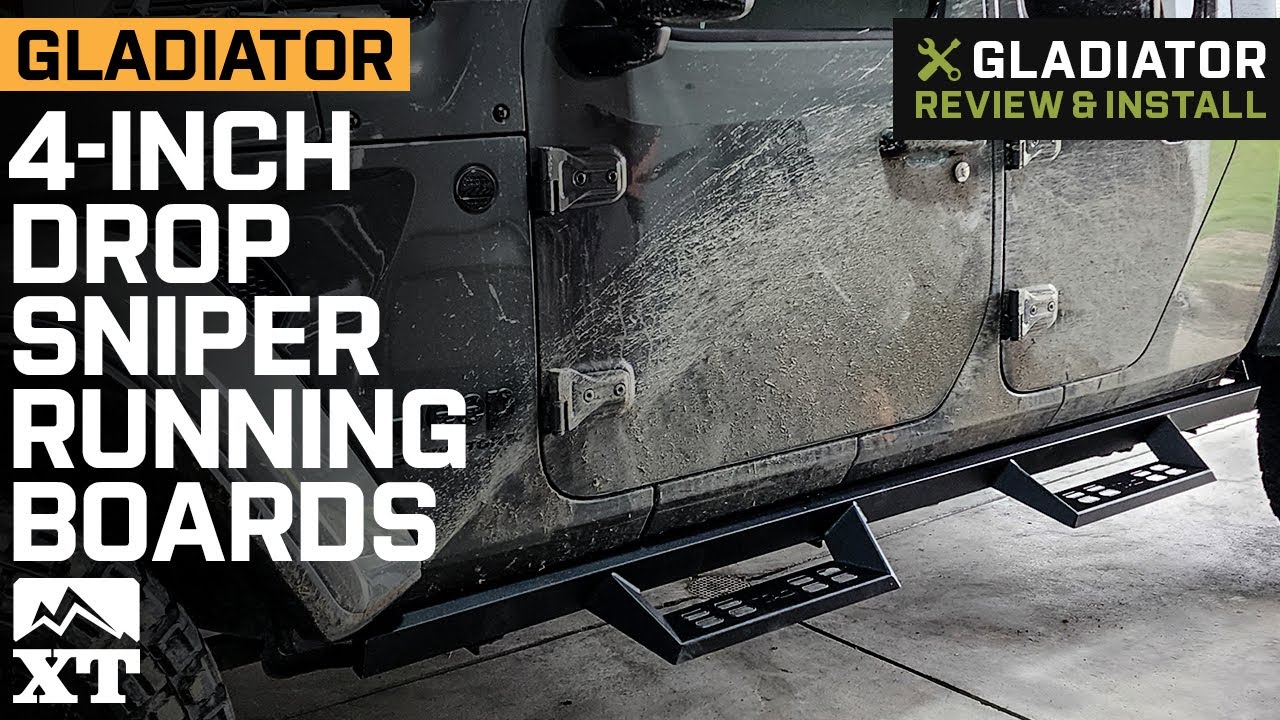
Most Gladiator owners choose between standard running boards and nerf bars for daily use. If you plan to drive on rocky trails, rock sliders offer the best protection. Power running boards are less common due to higher cost and complex installation.
Credit: www.youtube.com
What To Consider Before Buying Running Boards
Buying the right running boards for your Gladiator is not just about looks. Here are the most important things to check:
- Compatibility: Make sure the boards fit your model year and trim.
- Material: Steel boards are strong but can rust; aluminum is lightweight and resists corrosion.
- Weight capacity: Good boards should support at least 300 lbs. Heavy-duty options go up to 500 lbs.
- Finish: Powder-coated surfaces last longer, especially in wet climates.
- Step width and grip: Wider boards (4-6 inches) are safer. Look for anti-slip textures.
- Mounting style: Bolt-on boards are easier for DIY. Some require drilling—avoid these if you want a fast install.
Here’s a quick comparison of popular materials:
| Material | Strength | Rust Resistance | Weight |
|---|---|---|---|
| Steel | Very strong | Low (unless coated) | Heavy |
| Aluminum | Strong | High | Light |
| Plastic (with metal core) | Medium | High | Light |
If you drive in snowy areas, avoid boards with open holes (they can fill with ice). Also, measure the distance from your Gladiator’s door to the ground. This ensures your new step is at a comfortable height.
Tools And Materials You Need
Before you start, gather these tools and materials:
- Socket wrench set (metric and standard sizes)
- Ratchet and extension bars
- Torque wrench (optional but recommended)
- Phillips and flathead screwdrivers
- Safety glasses and gloves
- Creeper or mat to lie on
- Step ladder (for higher Gladiators)
- Your running board kit (should include brackets, bolts, nuts, and instructions)
Some running boards come with special brackets or spacers. Double-check that your kit is complete before you begin. Missing hardware is a common frustration for beginners.

Credit: www.hookeroad.com
Step-by-step Guide: Installing Jeep Gladiator Running Boards
1. Read The Instructions Carefully
Every running board kit is a bit different. Start by reading the manufacturer’s guide from start to finish. This helps you spot any special steps or warnings. Many people skip this and regret it later—don’t be one of them.
2. Prepare Your Work Area
Park your Gladiator on a flat surface. Engage the parking brake. Lay out your tools and open the running board kit, checking all parts against the parts list. If you’re working outdoors, make sure you have good light.
3. Locate The Mounting Points
Your Jeep Gladiator has factory-drilled mounting holes under the doors. You’ll find them along the pinch weld or frame rail. Use a flashlight to see them clearly. Clean these areas with a rag so dirt doesn’t get trapped under the brackets.
Some Gladiators have plastic plugs in the holes. Remove these with a flathead screwdriver.
4. Attach The Mounting Brackets
Line up the first bracket with the factory holes. Hand-tighten the bolts and nuts—don’t fully tighten yet. This lets you adjust the position later. Repeat for all brackets on one side. Most running boards use three brackets per side: front, middle, and rear.
Double-check that each bracket faces the right way. Mixing up left and right brackets is a common mistake.
5. Position The Running Board
With brackets loosely in place, lift the running board onto them. This step is easier with a helper, but you can do it alone if the board is light. Secure the board to the brackets with the supplied bolts and washers.
Again, just hand-tighten for now.
Move to the ends of the board and check for even spacing with the fenders and doors.
6. Adjust And Tighten All Bolts
Once the running board is straight and level, tighten all bolts with your socket wrench. Start with the bracket-to-frame bolts, then do the board-to-bracket bolts. If you have a torque wrench, use the settings in your instructions.
Check that the board feels solid when you press down. If it moves or rattles, loosen and re-adjust as needed.
7. Repeat On The Other Side
Move to the opposite side and repeat the process: brackets first, then the board, adjust, and tighten. Take your time—rushing can lead to uneven boards or stripped bolts.
8. Final Inspection
Walk around your Gladiator and check:
- The boards are level on both sides
- All bolts are tight
- No wires or hoses are pinched
- The doors open and close freely
Stand on each board and bounce gently to test the strength. If something feels loose, fix it now.
9. Clean Up And Enjoy
Wipe down the new running boards to remove fingerprints and dirt. Stow your tools and take your Gladiator for a short drive. Listen for rattles or squeaks—these could mean a loose bolt.
Mistakes Beginners Often Make
Most people can install running boards with basic tools, but here are two problems that catch many first-timers:
- Over-tightening bolts: This can strip threads or crack brackets. Tighten bolts firmly, but do not use excessive force.
- Skipping the test fit: Always hand-tighten everything first, check the fit, then do the final tightening. This saves time and frustration.
Another tip: If your Gladiator has factory rock rails, you’ll need to remove them before installing running boards. Keep the old hardware in a labeled bag for future use.
Maintenance Tips For Running Boards
Once your running boards are on, a little care will keep them looking and working great:
- Rinse off mud and salt after off-roading or winter driving
- Check bolts every few months for tightness
- Apply touch-up paint to any scratches to prevent rust
- Wax aluminum or stainless boards for extra shine
If you hear squeaking, spray a little silicone lubricant on the mounting points.
Cost And Time Estimates
How much will you spend? Here’s a quick overview:
| Running Board Type | Average Price (USD) | DIY Install Time |
|---|---|---|
| Standard Running Boards | $200 – $350 | 1-2 hours |
| Nerf Bars | $180 – $400 | 1-2 hours |
| Rock Sliders | $400 – $800 | 2-3 hours |
| Power Running Boards | $1,000 – $2,000 | 4-6 hours (professional recommended) |
Most DIYers can install standard boards in under two hours if they have all the tools ready.

Credit: www.oedro.com
Safety Reminders
- Wear gloves and safety glasses to protect from sharp edges and falling dirt.
- Never work under your Gladiator with just a jack—use jack stands if you need extra clearance.
- If you’re unsure about wiring (for power boards), ask a pro for help.
Real-world Example
Steve, a Gladiator owner from Colorado, installed aluminum running boards last winter. He chose a wide, textured style for better grip in snow. The install took him about 90 minutes. He found that “lining up the brackets was the hardest part—once that was done, the rest was easy.” Steve’s advice: “Don’t rush the final tightening. Take time to get everything straight.”
When To Get Professional Help
If you’re installing power running boards or have rusted mounting points, consider a professional installer. They have the tools and experience to handle wiring and tough bolts. Most standard running boards, though, can be installed by anyone with basic skills.
Where To Find More Information
For more details on Jeep Gladiator specs and accessories, visit the official Jeep Gladiator site.
Frequently Asked Questions
What Is The Difference Between Running Boards And Nerf Bars?
Running boards are flat, wide steps that run the length of your door area. Nerf bars are tubular, usually round or oval, and often have smaller step areas. Running boards offer more surface and grip, while nerf bars are lighter and sportier.
Do I Need To Drill Holes In My Jeep Gladiator To Install Running Boards?
Most running boards use the factory mounting points—no drilling is needed. Check your product’s instructions. If drilling is required, consider another model for easier installation.
Can I Keep My Factory Rock Rails And Add Running Boards?
Usually, you must remove the factory rock rails before installing running boards. Some aftermarket options combine both functions, but standard boards and rails use the same mounting holes.
How Much Weight Can Jeep Gladiator Running Boards Hold?
Most quality running boards support at least 300 pounds per side. Heavy-duty options can handle up to 500 pounds. Always check the manufacturer’s specs before buying.
How Do I Clean And Maintain My Running Boards?
Wash regularly with soap and water. For metal boards, wax them every few months. Check and tighten bolts twice a year. Touch up any chips to prevent rust.
Upgrading your Jeep Gladiator with running boards is a smart move for comfort, safety, and style. With the right preparation and careful work, you’ll enjoy the benefits every time you hit the road—or the trail.



