
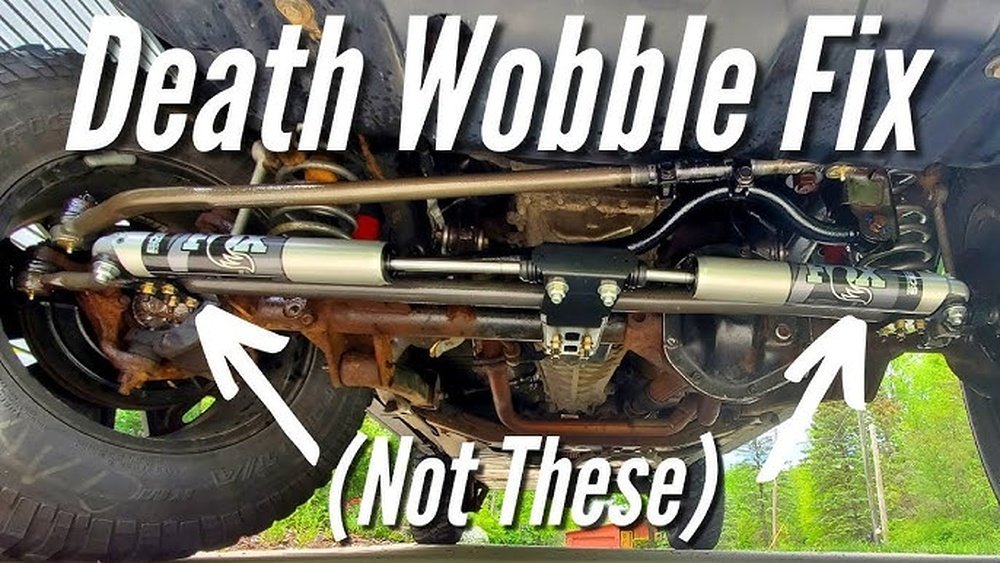
Many Jeep Wrangler owners love their vehicles for their rugged design and off-road skills. But one common problem leaves many drivers frustrated: steering shimmy. This is a wobble or vibration you feel in the steering wheel, usually when driving at certain speeds or after hitting a bump. Some people call it the “death wobble,” but not every shimmy is that extreme. Still, even a mild steering shimmy can make your Jeep feel unsafe and uncomfortable.
If your Wrangler’s steering wheel shakes or vibrates, don’t ignore it. Not only does it feel bad, but it can also point to worn or damaged parts that need attention. In this article, you’ll learn what causes steering shimmy, how to diagnose the real problem, and step-by-step methods to fix it.
Even if you’re not a car expert, you’ll find practical advice and tips to help you handle steering issues with confidence.
What Is Jeep Wrangler Steering Shimmy?
Steering shimmy is when your steering wheel shakes, especially at certain speeds or after hitting a bump. It can range from a small vibration to a strong wobble that’s hard to control. Shimmy is not just annoying—it can make your Jeep harder to drive and may even damage other parts if ignored.
Many people confuse shimmy with death wobble, but they are different. Death wobble is a violent shaking that feels like you might lose control. Shimmy is usually less intense, but both can have similar causes.
Common Causes Of Steering Shimmy
Finding the root cause is the first step to fixing steering shimmy in your Wrangler. Sometimes, more than one problem works together to create the shimmy.
1. Worn Or Damaged Tires
Old, unevenly worn, or out-of-balance tires are a top cause. Even small weight differences or flat spots can make the steering wheel vibrate.
2. Improper Wheel Alignment
If your wheels are not pointing straight ahead, the tires may fight against each other. This adds stress and causes shaking, especially after hitting bumps.
3. Loose Or Worn Suspension Parts
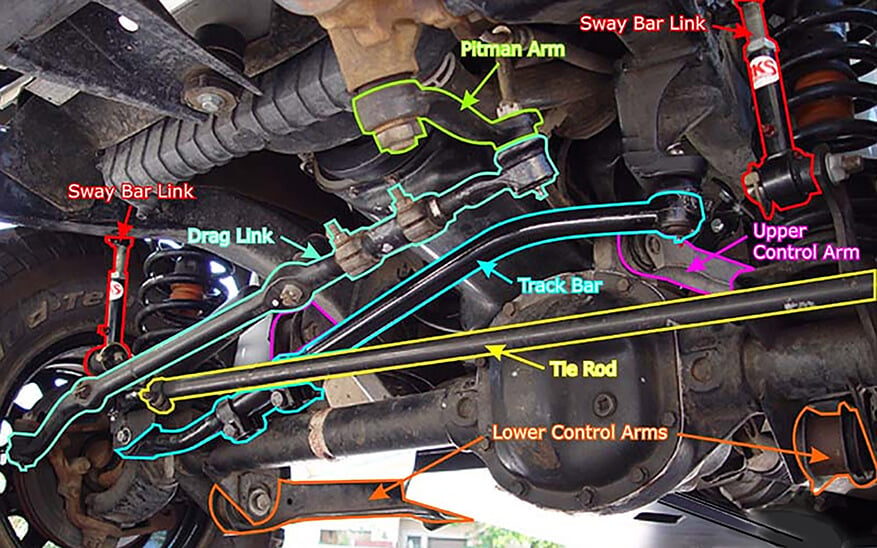
Parts like track bars, tie rod ends, and ball joints wear out over time. Even small amounts of looseness can create big vibrations.
4. Bad Wheel Bearings
A failing bearing lets the wheel move in unwanted ways, often causing a rhythmic shake that gets worse with speed.
5. Bent Wheels Or Axle Shafts
If you’ve hit a big pothole or rock, a bent rim or shaft can create constant vibrations.
6. Steering Damper Issues
The steering damper (like a horizontal shock absorber) helps control vibrations. If it’s weak or leaking, it can’t do its job.
7. Unbalanced Driveshafts
A bent or out-of-balance driveshaft is less common, but can send vibrations into the steering.
Many beginners miss that multiple small issues can add up to make a big shimmy. For example, mildly worn tires and a slightly loose track bar might not cause a problem alone, but together they make steering shake.
Credit: doubleblackoffroad.com
How To Diagnose Steering Shimmy
Before you start replacing parts, it’s smart to find the real cause. Here’s a practical way to check your Wrangler:
1. Visual Inspection
Look under your Jeep for anything that looks worn, broken, or out of place.
- Check tire tread for uneven wear or bald spots.
- Look for oil leaks from the steering damper.
- Inspect suspension parts for cracks, rust, or play.
2. Tire And Wheel Checks
- Spin each wheel and watch for bends or wobbles.
- Check if any tires are low on air or have bulges.
- If possible, get your wheels balanced at a tire shop.
3. “shake Test” For Suspension
With the vehicle parked, grab the front tires and try to move them in and out, and left and right. Any movement could mean a loose or worn part.
4. Steering Linkage Inspection
Have someone turn the steering wheel back and forth while you watch the linkages and track bar. If anything moves side-to-side before the wheels turn, that part may be worn.
5. Test Drive
Drive at the speed where you notice the shimmy. Try to note if it happens after bumps, at certain speeds, or all the time. This can help narrow down the cause.
Pro tip: Many people skip balancing tires after off-roading. Mud or rocks stuck inside the wheels can create instant shimmy. Clean your wheels before more complex checks.
Step-by-step Fixes For Jeep Wrangler Steering Shimmy
Once you find what’s wrong, use these steps to fix steering shimmy. Start with the simplest solutions, and move to complex repairs only if needed.
Step 1: Balance And Rotate Tires
Even small weight differences can cause vibrations. Take your Wrangler to a shop with a modern tire balancer.
- Remove any mud or debris from inside the wheels.
- Ask for road force balancing, which checks for hidden tire defects.
- Rotate the tires (front to back, and vice versa) to even out wear.
If the shimmy changes or moves to a different speed, you’ve found a tire or wheel issue.
Step 2: Check And Correct Wheel Alignment
A proper alignment makes sure all wheels point in the right direction. Misalignment is often caused by hitting curbs or potholes.
- Get a four-wheel alignment at a trusted shop.
- Ask for a printout of before-and-after measurements.
Non-obvious insight: Even if your steering wheel is straight, the wheels may still be out of alignment. Always check alignment if you feel shimmy.
Step 3: Inspect And Replace Worn Suspension Parts
Use a pry bar to check for play in these parts:
- Track bar
- Tie rod ends
- Ball joints
- Control arms
Replace any part with visible movement. Even small amounts of play can cause big problems at speed.
Step 4: Check Wheel Bearings
Lift the front of your Jeep and try to rock each wheel side to side. Any looseness may mean a bad bearing.
- Listen for grinding noises while spinning the wheel.
- Replace bad bearings right away.
Step 5: Inspect Steering Damper
Remove one end of the damper and push/pull it by hand. If it moves too easily or leaks oil, replace it.
Fact: The damper does not fix the root problem. It only controls shimmy. Still, a weak damper can make things worse.
Step 6: Check For Bent Wheels Or Axles
If you hit something hard, check for bends:
- Spin the wheel and watch the edge.
- If the wheel wobbles, replace or repair it.
- If the wobble stays after swapping wheels, check the axle shaft.
Step 7: Driveshaft And U-joint Inspection
Listen and feel for vibration that changes with speed and does not match the tires. Check driveshafts for dents, missing weights, or worn universal joints.
Step 8: Advanced Solutions
If you have a lifted Jeep Wrangler (suspension lift), extra angles can create new problems.
- Make sure the track bar is centered after lifting.
- Adjustable track bars and caster correction brackets may help.
- Consider heavy-duty parts if you off-road often.
Common Mistakes To Avoid
- Ignoring small vibrations: Minor shimmies often get worse with time.
- Only replacing the steering damper: This is a “band-aid,” not a real fix.
- Over-tightening suspension bolts: Too much torque can damage bushings or joints.
- Skipping wheel rebalancing after repairs: Always re-balance after fixing anything.
Comparison: Stock Vs. Lifted Jeep Wrangler Shimmy Problems
Many owners ask if a lifted Jeep is more likely to have steering shimmy. Here’s a quick comparison.
| Feature | Stock Wrangler | Lifted Wrangler |
|---|---|---|
| Factory Suspension Angles | Yes | No |
| Shimmy Risk | Lower | Higher |
| Need for Adjustable Parts | Rare | Common |
| Steering Damper Load | Normal | Heavier |
Cost Breakdown: Fixing Steering Shimmy
How much will it cost to fix steering shimmy? Here’s a rough estimate of what you might pay in the U. S.
| Repair | DIY Cost | Shop Cost |
|---|---|---|
| Tire Balance & Rotation | $30–$60 | $50–$100 |
| Wheel Alignment | — | $80–$150 |
| Track Bar Replacement | $80–$200 | $200–$400 |
| Steering Damper | $40–$100 | $100–$200 |
| Wheel Bearing | $50–$120 | $150–$350 |
Note: Prices depend on your Jeep model, local labor rates, and part quality.

Credit: www.youtube.com
When To Call A Professional
Many Jeep owners fix minor steering shimmies at home, but there are times when expert help is best:
- You can’t find the cause after checking all common parts.
- The shimmy is strong or happens at many speeds.
- You see cracks or major rust in the frame or mounts.
- You don’t have the right tools or feel unsure.
Safety tip: Never guess with steering and suspension. If in doubt, get a trusted mechanic to check your Wrangler.
Preventing Steering Shimmy In The Future
Prevention is easier than repair. Here’s how to keep steering shimmy away:
- Rotate and balance tires every 5,000–7,000 miles.
- Get alignments after hitting big bumps, curbs, or every 1–2 years.
- Inspect suspension parts during every oil change.
- Clean wheels after off-roading or mud driving.
- Replace worn parts quickly—don’t wait for a big problem.
Non-obvious tip: After adding larger tires or a lift kit, have a 4×4 shop check all steering angles. A small adjustment now can save big repairs later.
Credit: doubleblackoffroad.com
Frequently Asked Questions
Why Does My Jeep Wrangler Shake Only After Hitting Bumps?
This usually means a worn suspension part like the track bar or tie rod end. The bump starts the vibration, and loose parts let it continue.
Will Replacing The Steering Damper Fix Shimmy?
A new steering damper may reduce vibrations, but it won’t fix the root cause. Always check for loose or worn parts first.
Is Steering Shimmy Dangerous?
Even a mild shimmy means something is wrong. If ignored, it can lead to death wobble or damage other parts, making your Jeep unsafe.
Can Big Tires Cause Steering Shimmy?
Larger tires add stress to suspension and steering parts, especially if they are not balanced well. Always balance new tires and check all parts after installing bigger wheels.
How Can I Find A Good Mechanic For Steering Problems?
Look for a shop with experience in 4×4 vehicles or Jeeps. Ask for reviews, and make sure they use quality parts and modern alignment tools. You can check the ASE certification website for certified mechanics.
Taking control of Jeep Wrangler steering shimmy is possible with careful checks and the right repairs. By understanding the causes and following these steps, you can enjoy smooth and safe driving—on or off the road. Don’t let a shaky steering wheel spoil your Jeep adventures. Fix it right, and hit the trails with confidence!



