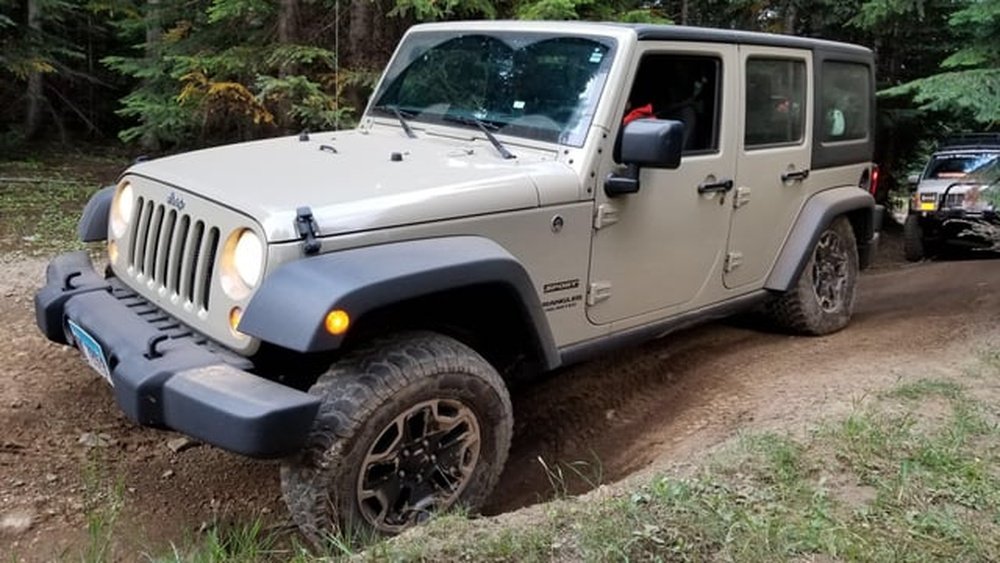
Upgrading the off-road ability of your Jeep Wrangler is a dream for many adventure seekers. One powerful way to make your Jeep more capable is by adding lockers. These special differentials help all four wheels get traction, even when one is in the air or spinning. But adding lockers is more than just buying a part and bolting it on. It takes planning, the right tools, and some careful steps. Whether you’re a DIY mechanic or just curious about the process, this guide will help you understand how to add lockers to your Jeep Wrangler with practical tips, expert advice, and important things beginners often miss.
What Are Lockers And Why Add Them?
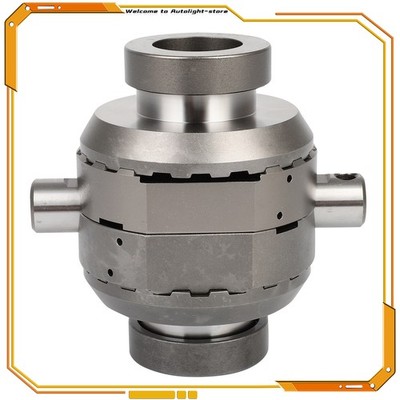
A locker is a device that locks the left and right wheels on the same axle so they turn at the same speed. Normally, your Jeep’s differential lets wheels spin at different speeds, which is good for turning on the street. But off-road, this can cause one wheel to spin uselessly if it loses grip. Lockers force both wheels to keep turning, making it much easier to get through tough trails, rocks, mud, or snow.
Some of the main benefits of adding lockers are:
- Better traction on rough, slippery, or uneven ground
- Easier recovery if you get stuck
- Confidence to try more challenging trails
However, lockers are not always the right solution for everyone. They can make daily driving noisier, affect tire wear, and increase stress on other parts. That’s why you need to consider your driving style, needs, and budget before starting.
Types Of Lockers For Jeep Wrangler
There are several kinds of lockers you can add to your Wrangler. Each has its own pros, cons, and costs. Here’s a comparison to help you choose:
| Locker Type | How It Works | Best For | Cost Range (USD) |
|---|---|---|---|
| Automatic Locker | Locks automatically when needed, unlocks on turns | Frequent off-road use | $400–$700 |
| Selectable Locker (Electric/Air) | Driver activates or deactivates with a switch/button | Daily driving + serious off-roading | $800–$1,400 |
| Limited Slip Differential (LSD) | Transfers some power to slipping wheel, but not a full lock | Mild trails, snow, light off-roading | $350–$600 |
Automatic lockers (like the Detroit Locker) are always on. Selectable lockers (like ARB Air Lockers or Eaton E-lockers) let you control when the locker engages. Limited slip differentials are less aggressive but good for daily driving and mild off-road.
Choosing The Right Locker For Your Jeep Wrangler
Picking the right locker depends on several factors:
- How you drive: Do you daily drive your Jeep, or is it a dedicated trail rig?
- Terrain: Are you tackling rocks, deep mud, snow, or sand?
- Budget: Selectable lockers are more expensive but more flexible.
- Axle strength: Stock axles may not handle the extra stress of strong lockers.
For most Jeep Wranglers, the most popular setup is a selectable locker in the front and rear for maximum control. If you drive your Jeep every day, a limited slip or a rear automatic locker may be a better choice for comfort and safety.
One thing many beginners miss: Not all axles can handle every locker. For example, Jeep’s Dana 35 rear axle is weaker than a Dana 44, and heavy use of lockers may break it. Always check your axle type first.
Tools And Parts Needed For Installation
Installing lockers is a big job. Here’s what you’ll need:
- Locker kit (for your specific axle and year)
- Differential cover gasket
- Gear oil (correct type for your axle)
- Silicone sealant (if needed)
- Basic hand tools: Sockets, wrenches, screwdrivers
- Torque wrench
- Jack and jack stands
- Dial indicator (for setting gear backlash)
- Bearing puller/installer
- Shop rags, gloves, safety glasses
For selectable lockers:
- Wiring kit (for electric lockers)
- Compressor and air lines (for air lockers)
- Switches and relays
Tip: Renting or borrowing special tools like a dial indicator and bearing puller can save money. Some auto parts stores offer tool loans.

Credit: www.reddit.com
Step-by-step Guide: How To Add Lockers To A Jeep Wrangler
Here’s a detailed guide for adding lockers to your Jeep. This is a big project—if you’re new to working on differentials, consider having a professional help or check your work.
1. Identify Your Axle And Locker Type
First, confirm your Wrangler’s axle model (Dana 30, Dana 44, etc. ). This is critical, as locker kits are axle-specific. Check the build sheet, axle tags, or Jeep forums if you’re unsure.
2. Gather All Tools And Parts
Before starting, double-check you have every part, tool, and enough time. Locker installs often take a full day or more.
3. Safely Lift And Support The Jeep
Use a strong jack and jack stands to lift the Jeep and keep it stable. Remove the wheels for better access.
4. Remove The Differential Cover
Place a drain pan under the axle. Unbolt the differential cover and let the gear oil drain out. Be careful—old oil can be messy.
5. Remove Axle Shafts (if Needed)
Some lockers require axle shafts to be pulled out. This can involve removing brake parts and C-clips.
6. Remove The Carrier
Mark the bearing caps and carrier position. Remove the carrier and ring gear. Keep all shims and parts organized.
7. Install The Locker
Follow the instructions for your specific locker. This usually means:
- Assembling the locker in the carrier
- Reinstalling the ring gear
- Placing the carrier back in the axle
- Checking and adjusting backlash (gear spacing) with a dial indicator
Tip: Even a small mistake with backlash can cause noise or gear failure. Always double-check measurements.
8. Reinstall Axle Shafts And Seals
Reinstall the axle shafts, new seals if needed, and secure everything.
9. Install Differential Cover And Fill With Oil
Use a new gasket or silicone to seal the cover. Fill the differential with the recommended gear oil.
10. Install Controls (selectable Lockers Only)
For air lockers, mount the compressor, run air lines, and install switches. For electric lockers, run wires and install the control switch.
11. Test The Locker
Before hitting the road, test the locker:
- Spin the wheels by hand to make sure both turn together when locked
- Test the switch or compressor
- Listen for any grinding or odd noises
12. Recheck Everything After A Short Drive
Drive a few miles, then check for leaks, loose bolts, or other problems. It’s common to need a small top-off of gear oil after the first run.
Common Mistakes When Adding Lockers
Many beginners make mistakes that cost time and money. Here are some to watch out for:
- Skipping gear backlash adjustment. This can ruin your gears quickly.
- Using the wrong gear oil. Always check your Jeep’s manual.
- Forgetting to check axle compatibility. Not all lockers fit all axles.
- Poor wiring/air line routing. This can cause failures on the trail.
- Reusing old seals or gaskets. Leaks are a common result.
- Not re-torquing bolts. Always check torque after the first drive.
Credit: www.ebay.com
Real-world Example: Jeep Wrangler Locker Upgrade
Let’s look at a real-world case: 2015 Jeep Wrangler Rubicon gets front and rear ARB Air Lockers.
- Axle Type: Dana 44, factory lockers removed for upgrade
- Locker Cost: $1,300 (pair)
- Compressor: $200
- Professional install: $900 (approximate labor)
- Total time: 2 days
Results: The Jeep now climbs rocks and mud with ease. The owner reports no issues after 10,000 miles, but warns that careful air line routing was key to avoiding leaks or cuts on the trail.
Cost Comparison: Diy Vs. Professional Install
Here’s a quick breakdown of typical costs:
| Option | Parts Cost | Labor Cost | Total | Skill Required |
|---|---|---|---|---|
| DIY Install | $800–$2,000 | $0 | $800–$2,000 | High |
| Professional Shop | $800–$2,000 | $800–$1,200 | $1,600–$3,200 | None |
DIY is cheaper but risky if you’re not experienced. A shop adds cost but usually gives a warranty and peace of mind.

Credit: www.reddit.com
Extra Tips For A Smooth Locker Install
- Label parts and take photos as you disassemble. It’s easy to forget how things go back together.
- Use thread locker on bolts to prevent them from vibrating loose.
- Break in the locker with easy driving before hitting hard trails.
- Check electrical connections or air lines after every off-road trip.
- Upgrade axle shafts if you plan on aggressive off-roading with big tires.
One insider tip: Many Jeep owners overlook upgrading the differential cover. A heavy-duty cover protects your new locker and gears from rocks and trail damage.
Frequently Asked Questions
What Is The Difference Between A Locker And A Limited Slip Differential?
A locker fully locks the left and right wheels together, so they always spin at the same speed. A limited slip differential allows some difference in speed but transfers more power to the wheel with traction. Lockers are better for tough off-road, while LSDs are smoother for daily driving.
Can I Install Lockers Myself, Or Do I Need A Professional?
You can install lockers yourself if you have strong mechanical skills and the right tools. However, setting up gears and backlash is tricky. Many people choose a professional for peace of mind and warranty.
Will Adding Lockers Affect My Jeep’s Daily Driving?
Lockers can make turning noisier and affect tire wear, especially automatic lockers. Selectable lockers let you turn them off for street driving, so they are better for daily use.
Which Axle Do I Upgrade First: Front Or Rear?
Most people add a rear locker first, as the rear wheels do most of the pushing. If you do extreme off-roading, consider lockers in both axles for the best traction.
Are Lockers Worth The Investment For Mild Off-roading?
For casual trails or light off-roading, a limited slip differential may be enough. Lockers really shine in deep mud, snow, or rocky terrain. They are a good investment if you love tough trails or want to avoid getting stuck.
Adding lockers to your Jeep Wrangler is one of the best upgrades for serious off-road performance. With the right planning, tools, and careful attention to detail, you can unlock a new level of confidence on the trail. For more technical details and locker options, visit the Wikipedia Locking Differential page. Always drive safe, double-check your work, and enjoy your next adventure with better traction than ever before.