Or at least 30 minutes after driving. This protects your hands from burns and keeps the metal components from expanding, which makes spark plugs harder to remove. Open the hood and locate the battery. It’s a smart safety step to disconnect the negative battery terminal before you begin, especially if you’ll be leaning over the engine or working near electrical connectors.
This reduces the risk of accidental short circuits.
Take a moment to look at your engine layout. In a Jeep Grand Cherokee, the spark plugs are usually found under individual ignition coils, sometimes called coil-on-plug systems. If you’re unsure, follow the thick black wires running from the engine cover—they lead straight to the coils, and underneath each coil sits a spark plug.
Familiarizing yourself with this layout now will help the process go smoothly.
A simple but often overlooked tip: clean the area around each spark plug before you remove anything. Use compressed air or a clean brush to blow away dust, sand, or debris. If dirt falls into the cylinder during the job, it can cause engine problems later.
Removing The Old Spark Plugs
Now, let’s get to the core of the job—removing the old plugs. Start by gently unplugging the wiring connector from each ignition coil. Don’t pull on the wires themselves; instead, press the release tab and pull the connector straight off.
Next, remove the bolts holding the coils in place using the appropriate socket. Set the bolts aside in a safe spot so you don’t lose them.
With the coil bolts out, gently twist and pull each coil upward to remove it. Sometimes, coils can stick because of heat and age. If this happens, wiggle them gently—never force them, as they can crack.
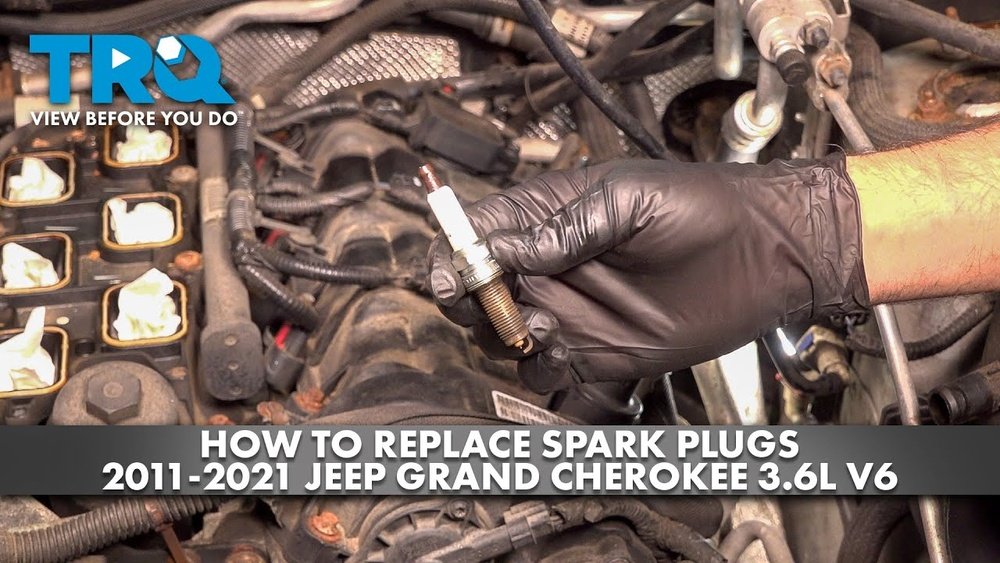
Once the coils are out, you’ll see the spark plugs deep in their wells. Use your spark plug socket with an extension attached to your ratchet. Lower the socket into the well and turn counterclockwise to loosen each plug. If a plug feels stuck, don’t use too much force—this can break it inside the engine.
Instead, add a little penetrating oil, wait a few minutes, and try again.
As you remove each spark plug, inspect it closely. Burnt, oily, or very worn plugs can tell you a lot about your engine’s health. For example, oily plugs might signal a leaking valve cover gasket, while white or blistered plugs could mean your engine’s running too hot.
If you notice anything unusual, take a picture and consult a mechanic.
Place each old spark plug on a clean surface in the order you removed them. This way, if you find an issue, you’ll know exactly which cylinder it came from.
Installing The New Spark Plugs
Before installing new plugs, compare them to the old ones. The tips and threads should match in length and style. Double-check the spark plug gap with a gap tool, even if the box says “pre-gapped. ” Sometimes, plugs can get bumped in shipping, closing or opening the gap.
Refer to your owner’s manual for the correct measurement.
Some people use a tiny amount of anti-seize compound on the spark plug threads to prevent them from sticking in the future. However, many modern spark plugs already have a special coating, and Jeep’s official recommendation may be to install them dry.
Check your manual or the instructions that came with the plugs.
Carefully lower each new spark plug into its well. Start threading it by hand, not with the wrench, to avoid cross-threading, which can seriously damage the cylinder head. Once the plug is finger-tight, switch to your torque wrench. Tighten to the specified torque—usually between 13 to 20 ft-lbs for most Jeep Grand Cherokees.
Never overtighten, as this can break the plug or strip the threads.
Before putting the ignition coils back, apply a small dab of dielectric grease inside the rubber boot of each coil. This helps prevent moisture and ensures a solid connection. Reinstall each coil, press it firmly onto the plug, and bolt it back into place.
Reconnect the wiring connectors, making sure each one clicks securely.
A tip beginners often miss: don’t rush reassembly. Take a minute to double-check that every coil is seated properly and every connector is plugged in. Missing a connector or leaving a coil loose will cause engine misfires and a rough idle.

Credit: www.ifixit.com
Checking Your Work And Cleaning Up
With all the new plugs installed, reconnect the negative battery terminal if you disconnected it earlier. Take a look around the engine bay for any leftover tools or parts. Now, start your Jeep. The engine might run rough for a few seconds as the computer adjusts to the new plugs, but it should quickly settle into a smooth idle.
Listen for any strange noises or warning lights on the dashboard. If you hear a ticking sound or the engine shakes, turn off the car and double-check your work—one of the coils or connectors might not be fully seated.
After confirming everything runs well, take your Jeep for a short drive. Notice the difference in throttle response, idle smoothness, and maybe even a small improvement in fuel economy. If you used anti-seize or dielectric grease, wipe off any excess from the engine area to prevent dirt buildup.
Dispose of the old spark plugs properly. Most auto parts stores will recycle them for free. Clean your tools and store them for next time.
Troubleshooting Common Problems
Even with careful work, sometimes things don’t go as planned. Here are a few issues that can come up, and what to do about them:
- Plug is stuck and won’t turn: Apply more penetrating oil and let it soak longer. Use steady, gentle pressure rather than sudden force.
- Plug drops into the engine bay: Use a magnetic pickup tool to retrieve it. Be patient—don’t poke around with metal tools near delicate sensors.
- Check Engine Light comes on after the job: Double-check all coil connections and wiring. If the light stays on, use an OBD-II scanner to read the error code, or have a professional check it.
- Engine runs rough or misfires: This usually means a coil isn’t fully seated, or a connector is loose. Shut off the engine and check each one carefully.
- Wrong spark plug type or gap: If you notice poor performance after the change, compare the part number and gap to your Jeep’s specifications.
One non-obvious insight: if your engine bay is very dirty, consider cleaning it *before* you start the job. This reduces the chance of dirt falling into the cylinders and makes it easier to see what you’re doing.

Credit: www.ifixit.com
Maintenance Tips And Best Practices
Changing spark plugs is more than just swapping parts—it’s a chance to keep your Jeep Grand Cherokee running its best. Here are a few tips to make future maintenance easier:
- Mark your calendar or set a reminder on your phone for the next spark plug change, based on the interval in your owner’s manual.
- Keep a small notebook in your glove box to record every maintenance task. This helps with resale value and troubleshooting future problems.
- Consider replacing the spark plug wires (if your model uses them) at the same time. Old wires can cause misfires, even with new plugs.
- When buying spark plugs, stick to trusted brands recommended by Jeep. Cheap or off-brand plugs may not last as long and can cause performance issues.
- If you’re changing plugs as part of a tune-up, check the air filter, PCV valve, and fuel filter while you’re under the hood. These small steps can make a big difference in engine performance.
Another insight: If you mostly drive short trips or in stop-and-go traffic, your spark plugs may wear out faster than the maximum mileage listed. Check them sooner if you notice symptoms like rough idle or slow acceleration.
When To Ask A Mechanic For Help
While changing spark plugs is a good DIY project, some situations are best left to a professional. If you feel uncomfortable with any step, or if a plug is stuck and you’re worried about breaking it, don’t hesitate to ask for help.
Some Jeep Grand Cherokees with V8 engines have plugs that are tough to reach without special tools. If you drop a tool or plug into a hard-to-see spot, a mechanic will have the right equipment to retrieve it safely.
Also, if you see oil or coolant around the spark plug wells, this could mean a gasket or seal is leaking. Fixing these problems early prevents expensive engine repairs later.
Changing the spark plugs in your Jeep Grand Cherokee is a task that’s within reach for most owners. With a few basic tools, some patience, and careful attention to detail, you can improve your Jeep’s performance and save money on repairs.
Remember to use the right spark plugs for your engine, work with a cool engine, and double-check each step as you go. If you run into problems, don’t hesitate to get help from a trusted mechanic.
For more details about spark plug types and maintenance, you can visit [NAPA’s spark plug resource page](https://www.napaonline.com/en/c/auto-parts/ignition-spark-plugs).
With good maintenance, your Jeep will keep running strong for many miles to come. Happy wrenching!

Credit: www.youtube.com