If you drive a Jeep Grand Cherokee, you may have seen the TPMS light (Tire Pressure Monitoring System) appear on your dashboard. This small warning light looks like a horseshoe with an exclamation point in the center. When it turns on, it means one or more of your tires may have low pressure. But sometimes, even after fixing the problem, the light stays on. Knowing how to reset the TPMS light can save you a trip to the mechanic and give you peace of mind. In this guide, you’ll learn step-by-step how to reset the TPMS light on your Jeep Grand Cherokee, why it comes on, and what to do if it won’t turn off.
Understanding The Tpms Light
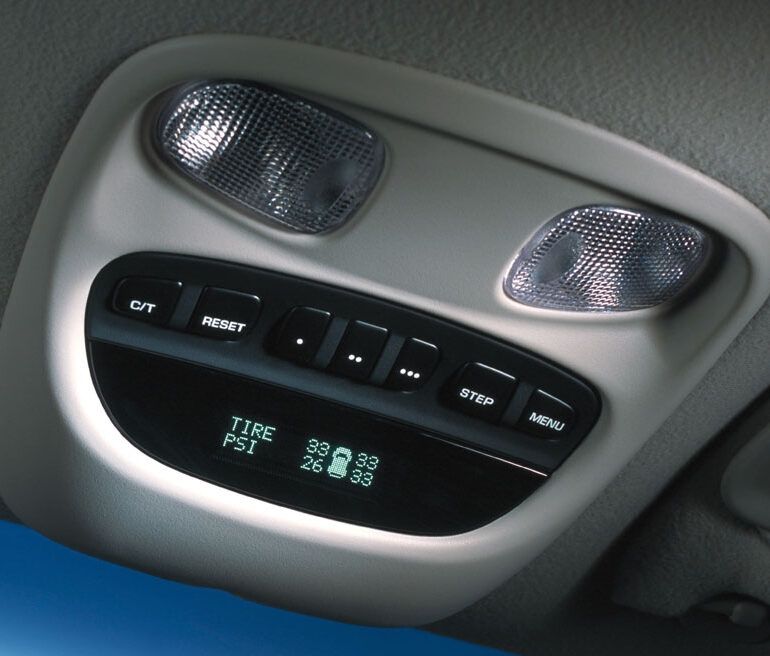
The TPMS system in your Jeep Grand Cherokee helps keep you safe by warning you when your tire pressure is too low. Low tire pressure can affect your car’s handling, fuel economy, and even cause tire damage. The system uses small sensors inside each tire to measure the air pressure. When the pressure drops below a safe level, the TPMS light will turn on.
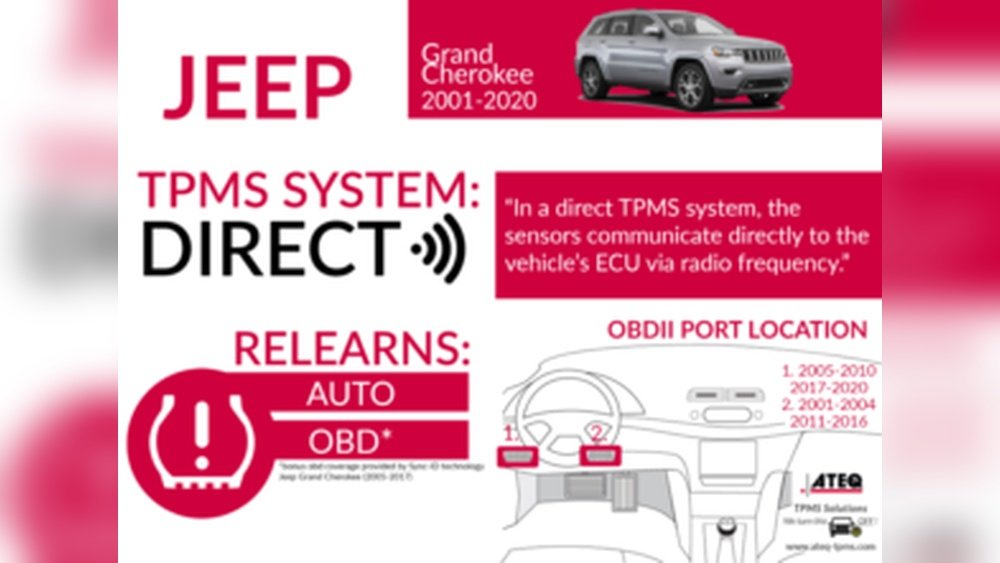
Modern Jeep Grand Cherokees (from 2007 and newer) use direct TPMS. This means each wheel has its own sensor. Older models may use a different system, but the reset steps are similar.
Common Reasons The Tpms Light Comes On
Before you reset the TPMS light, it’s important to understand why it turned on. Here are the most frequent causes:
- Low tire pressure – Most common reason, often due to temperature changes or a slow leak.
- Tire puncture – Nails or sharp objects can cause a small leak.
- Changing tires or wheels – If you recently rotated, changed, or replaced tires, the system may need to relearn the sensors.
- Sensor battery failure – TPMS sensors use small batteries that can die after 5-10 years.
- Interference or software glitches – Sometimes, electronic issues or dead car batteries can confuse the system.
How To Check And Adjust Tire Pressure
Before you reset the TPMS light, always check your tire pressure first. Resetting the light without fixing the problem can put you at risk.
- Find your recommended tire pressure – Look for a sticker inside the driver’s door or check your owner’s manual. Most Jeep Grand Cherokees recommend 33-36 PSI (pounds per square inch).
- Use a tire pressure gauge – Remove the valve cap, press the gauge onto the valve stem, and read the pressure. Do this for all four tires, plus the spare if your Jeep monitors it.
- Inflate or deflate as needed – Add air at a gas station or with a home compressor. If you overinflate, press the valve to release air slowly.
- Inspect for damage – If a tire is much lower than the others, check for nails, cracks, or visible damage.
Non-obvious tip: Many Jeep owners forget to check the spare tire. On some models, a low-pressure spare can trigger the TPMS light.
Step-by-step: Resetting The Tpms Light On Jeep Grand Cherokee
Once your tires are all at the correct pressure, it’s time to reset the light. There are a few different ways, depending on the year and model of your Jeep Grand Cherokee.
Method 1: Drive And Wait
Most Jeep Grand Cherokees will automatically reset the TPMS light after driving.
- Drive at 15 mph or higher for at least 10-20 minutes.
- The system should detect the correct pressure and turn the light off.
Pro tip: If the light doesn’t turn off after 20 minutes, try restarting the car and driving again. Sometimes, the sensors need a second chance to communicate.
Method 2: Manual Reset (for Some Models)
Some older models allow you to manually reset the system.
- Turn the ignition to “on” (do not start the engine).
- Press and hold the TPMS reset button (usually under the steering wheel) until the TPMS light blinks three times.
- Release the button and start the car. Wait a few minutes to see if the light goes off.
Non-obvious insight: Not all Jeep Grand Cherokees have a physical TPMS reset button. If you can’t find it, skip to the next method.
Method 3: Disconnect The Battery
If the light won’t turn off, you can try resetting the vehicle’s computer by disconnecting the battery.
- Turn off the engine.
- Open the hood and use a wrench to loosen the negative (-) battery cable.
- Wait 10-15 minutes.
- Reconnect the cable and tighten it.
- Start the car and check if the light is off.
Warning: Disconnecting the battery may reset your radio, clock, or other systems. Only use this method if other options fail.
Method 4: Use A Tpms Relearn Tool
For newer models (2014+), you may need a TPMS scan tool. This tool “teaches” your Jeep to recognize new or rotated sensors.
- Inflate all tires to the correct pressure.
- Plug the scan tool into the OBD2 port (under the dashboard).
- Follow the tool’s instructions to trigger a relearn.
- Drive the vehicle for 10-20 minutes to complete the process.
Extra tip: Many auto parts stores can perform this relearn for free or for a small fee.
Method 5: Visit A Professional
If the light stays on after trying these steps, there may be a sensor problem or system fault. A professional mechanic or dealership can read the error codes and replace faulty sensors.

Credit: www.youtube.com
When The Tpms Light Won’t Turn Off
Sometimes, the light stays on even after you’ve checked and adjusted the tires. Here’s what to do next:
- Check the spare tire (if monitored).
- Look for a bad TPMS sensor – Sensors usually last 5-10 years. If one fails, the light will stay on.
- Scan for error codes – Mechanics use special tools to read TPMS codes.
- Avoid cheap sensor clones – Some aftermarket sensors don’t “talk” to Jeep computers correctly.
- Don’t ignore the light – Driving with the TPMS light on can hide a real tire problem.
Non-obvious insight: If you’ve replaced all four tires but the light won’t go out, ask the tire shop if they installed new sensors or transferred the old ones. Mixing old and new sensors can confuse the system.
Comparing Jeep Grand Cherokee Tpms Reset Methods
To help you choose the right method, here’s a quick comparison:
| Reset Method | Best For | Tools Needed | Success Rate |
|---|---|---|---|
| Drive and Wait | All models, after adjusting tire pressure | None | High (if no sensor faults) |
| Manual Reset Button | Some older models | None | Medium |
| Disconnect Battery | Stubborn lights, all years | Wrench | Medium |
| TPMS Relearn Tool | 2014+ models, sensor changes | Scan tool | Very High |
| Professional Service | Sensor failure or error codes | Mechanic tools | Guaranteed |
Which Jeep Grand Cherokee Models Need Different Tpms Procedures?
The process may be different depending on your Jeep’s year:
| Model Year | TPMS Type | Reset Method |
|---|---|---|
| 2007–2010 | Direct (individual sensors) | Drive and wait, manual reset (if equipped) |
| 2011–2013 | Direct (upgraded sensors) | Drive and wait, disconnect battery |
| 2014–present | Advanced direct TPMS | Relearn tool or professional service |
How To Prevent Tpms Light Problems In The Future
You can avoid TPMS headaches with some simple habits:
- Check tire pressure monthly – Especially before long trips or weather changes.
- Inspect tires for nails and damage – Catch slow leaks early.
- Don’t ignore the light – Fix the cause before resetting.
- Replace sensors every 5-10 years – Most Jeep TPMS sensors use lithium batteries that can’t be replaced separately.
- Use quality valve caps – They protect sensors from dirt and water.
Pro tip: After rotating or changing tires, ask the shop to reset or relearn your TPMS sensors. This prevents confusion and false warnings.
Credit: jeepspecs.com
Common Mistakes When Resetting The Tpms Light
Many Jeep owners make these errors:
- Resetting without fixing the real problem – The light will come back if a tire is still low.
- Ignoring the spare tire – Not all models monitor the spare, but many do.
- Not waiting long enough – Sometimes it takes 15–20 minutes of driving for the light to go out.
- Mixing old and new sensors – If one sensor has a weak battery, it can confuse the system.
- Trying to use a magnet or “cheap trick” – Modern Jeeps need the right procedures or tools.
What To Do If You Replace A Tire Or Wheel
If you get a new tire or wheel, the TPMS sensor may need to be transferred or replaced.
- Ask the tire shop if they reused your old sensor or installed a new one.
- Relearn the sensors with a scan tool if the light stays on.
- Avoid driving too long with the TPMS light on – This can mask real problems.
Non-obvious insight: If you use aftermarket wheels, make sure they support TPMS sensors. Some cheap wheels don’t have the right mounting spot.
The Cost Of Fixing Tpms Problems
TPMS repairs are usually not very expensive, but costs can add up if multiple sensors fail.
| Service | Average Cost (USD) |
|---|---|
| TPMS Sensor Replacement (each) | $50–$120 |
| TPMS Relearn/Reset Service | $20–$50 |
| Full Diagnostic Check | $50–$100 |
Remember, driving with the TPMS light on can lead to a flat tire or a blowout, which is much more expensive and dangerous.
Why The Tpms Light Matters For Safety
The TPMS system is not just a fancy feature. According to the U.S. National Highway Traffic Safety Administration (NHTSA), under-inflated tires are three times more likely to be involved in a tire-related crash. Keeping your tires at the right pressure can improve fuel economy by up to 3% and extend tire life by thousands of miles. Resetting your TPMS light after correcting the problem keeps your Jeep Grand Cherokee running safely and efficiently.
For more details on TPMS technology and regulations, see the Tire-pressure monitoring system article on Wikipedia.

Credit: www.firkins.com
Frequently Asked Questions
Why Won’t My Jeep Grand Cherokee Tpms Light Turn Off After Adding Air?
If the TPMS light stays on after adding air, drive for 10–20 minutes above 15 mph. If it still doesn’t turn off, check for a faulty sensor or try a manual reset. Sometimes, the system needs to relearn the sensors.
Can I Drive With The Tpms Light On?
It’s not safe to ignore the TPMS light. It means at least one tire is under-inflated or the system isn’t working. Driving with low tire pressure can cause a blowout or poor vehicle control.
How Do I Know If A Tpms Sensor Is Bad?
Common signs include the TPMS light staying on, flashing before staying solid, or not going out after resetting. A mechanic can scan for error codes to confirm if a sensor has failed.
Do I Need To Replace All Tpms Sensors At Once?
Not always. You can replace just the faulty sensor. However, if your Jeep is over 7 years old, the other sensors may fail soon since their batteries run out around the same time.
Will Aftermarket Wheels Affect My Tpms System?
Yes, if the new wheels don’t support TPMS sensors or use the wrong type, the system may not work. Always use wheels and sensors compatible with your Jeep Grand Cherokee.
Taking a few extra minutes to check your tires and reset your TPMS light the right way can help you avoid bigger problems on the road. With these steps, you can handle the TPMS system on your Jeep Grand Cherokee with confidence.