
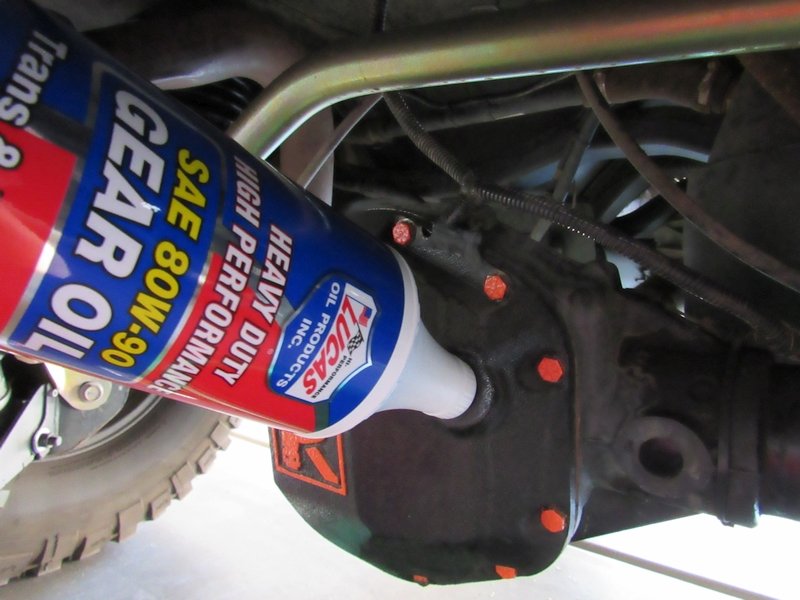
Regular differential service keeps your Jeep Wrangler running smoothly and extends the life of your vehicle. When venturing off-road or simply cruising the highways, maintaining your differential is crucial for optimal performance and safety. This comprehensive guide walks you through the process, equipping you with all the knowledge and tips you need to perform a successful differential service on your Jeep Wrangler. Let's dive in and ensure your vehicle is ready for any adventure.
Understanding Differential Service
Differential service involves draining and refilling the differential fluid, checking for metal shavings or debris, and inspecting seals and gears for wear. Ensuring this service is done regularly prevents mechanical issues and enhances the performance of your Jeep Wrangler.
When to Service Your Differential
- Frequency: Typically, every 30,000 to 60,000 miles is recommended.
- Signs: Noises, excessive vibrations, and fluid leaks may indicate immediate attention is required.
- Driving Conditions: Off-roading or hauling frequently can increase the frequency of service needed.
Tools and Materials Needed
Before starting, gather the following items:
- Wrench set
- Catch pan
- Differential fluid (check your manual for specifications)
- Gasket or silicone sealant
- New drain plug (if necessary)
- Rags and gloves
Step-by-Step Differential Service Guide
Preparing Your Workspace
- Ensure Safety: Secure your Jeep Wrangler on a flat surface and use jack stands.
- Tools Ready: Have all tools and materials within reach to avoid interruptions.
Draining the Old Fluid
- Locate the Drain Plug: Typically, at the bottom of the differential casing.
- Remove the Drain Plug: Position the catch pan under the plug, then remove it with a wrench.
- Allow Fluid to Drain: Give it a few minutes to ensure all the old fluid has drained completely.
Inspecting for Wear
- Check for Metal Shavings: Any significant presence indicates internal damage.
- Examine Seals and Gears: Look for wear or damage that may need addressing.
Refilling with New Fluid
- Replace Gasket or Apply Sealant: Ensure a good seal to prevent leaks.
- Install the Drain Plug: Re-secure tightly.
- Add New Differential Fluid: Refer to your manual for the exact amount and type.
- Check Fluid Level: Make sure it's filled to the recommended level.
Final Checks
- Inspect for Leaks: Ensure there are no leaks once everything is tightened.
- Test Drive: A short drive will let you confirm everything is functioning correctly.

Frequently Asked Questions About Differential Service Jeep Wrangler
What is the purpose of differential fluid?
Differential fluid lubricates the gears, preventing overheating and wear. It ensures smooth operation and prolongs the life of your differential.
How often should I change the differential fluid?
Typically, every 30,000 to 60,000 miles, but more frequently if you off-road or tow regularly.
Can I perform a differential service myself?
Yes, with the right tools and knowledge, you can perform it at home. Just follow instructions carefully and ensure all safety measures.
What happens if I don't service my differential?
Neglecting this service can lead to gear failure, increased wear, and operational issues, potentially resulting in costly repairs.
How will I know if my differential needs servicing?
Listen for unusual noises, check for fluid leaks, or notice changes in handling. These are clear signs that servicing is required.
Conclusion
A well-maintained differential is essential for your Jeep Wrangler's performance and longevity. By following this guide, you're equipped to handle the differential service like a pro, ensuring your vehicle is always ready for the road—or the lack thereof. Stay proactive in your car maintenance routines and enjoy the peace of mind that comes with a well-cared-for ride. Feel free to explore further maintenance tips and tricks, and don't hesitate to leave a comment or question below to keep the conversation going!


