
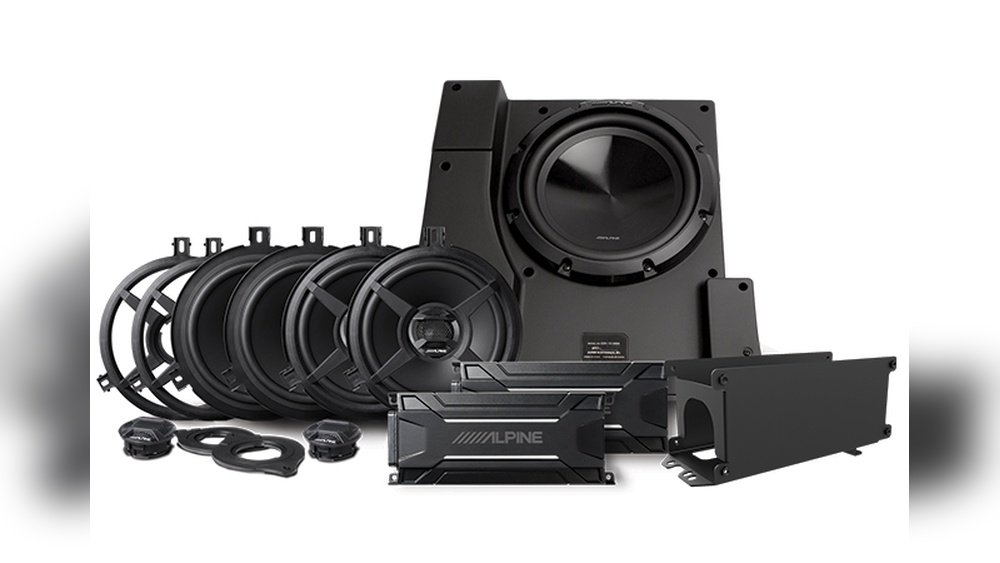
If you love your Jeep Wrangler but feel the sound system could use a serious boost, you’re not alone. Imagine hitting the road with crystal-clear music that makes every drive more exciting.
Upgrading your Jeep’s sound system doesn’t have to be complicated or expensive. In this guide, you’ll discover simple steps and expert tips to transform your audio experience. Ready to turn up the volume and enjoy your rides like never before?
Keep reading to find out how you can upgrade your Jeep Wrangler’s sound system easily and effectively.
Credit: trailseven.com
Choosing The Right Speakers
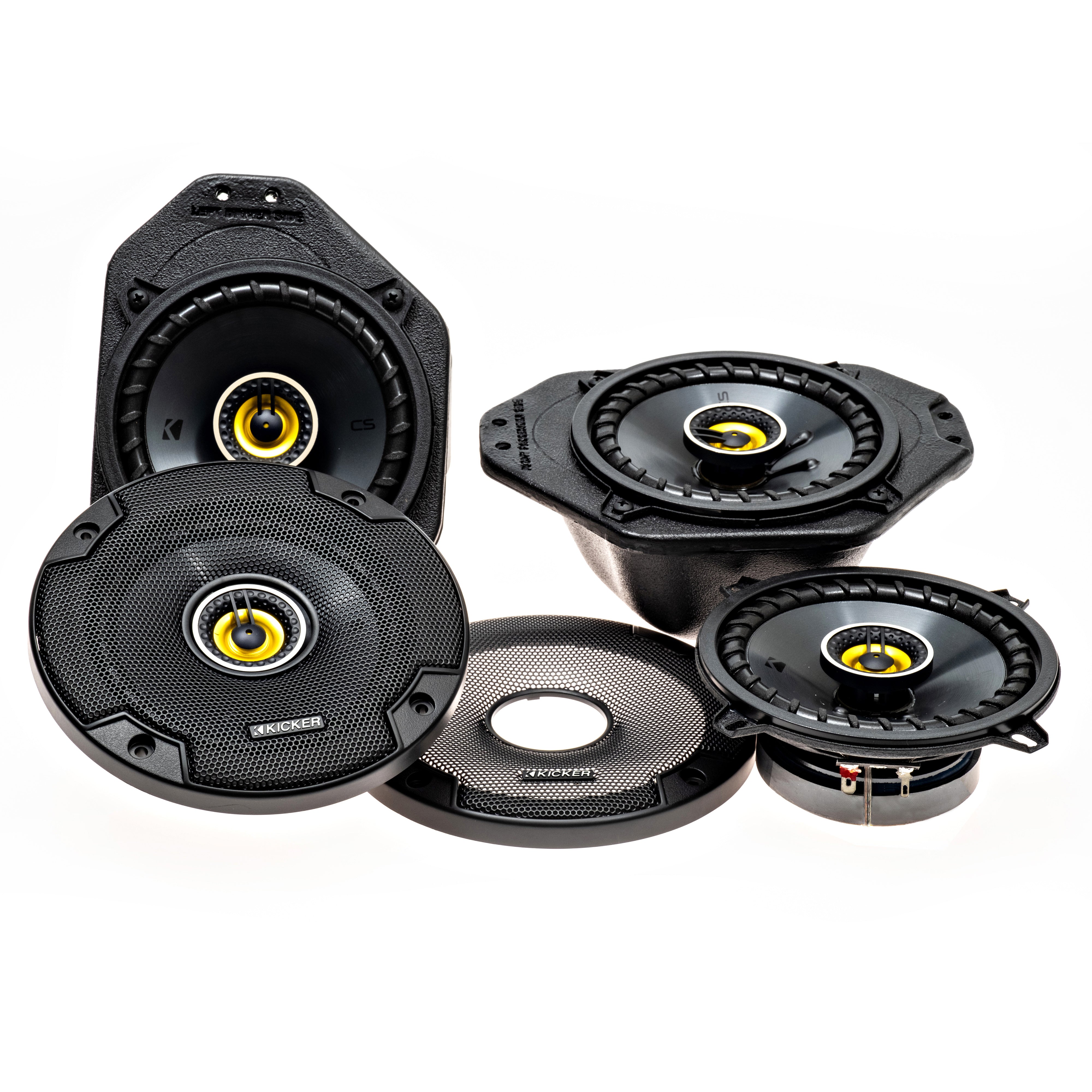
Choosing the right speakers is key to upgrading your Jeep Wrangler’s sound system. Good speakers improve music clarity and bass response. They create a better listening experience on every ride.
Not all speakers fit every Jeep model. Knowing speaker types and specs helps you pick the best option. Focus on quality, size, and power to match your needs.
Factory Speaker Limitations
Stock Jeep speakers are made to save cost. They often lack depth in sound and bass power. These speakers may sound tinny or weak at high volume. Replacing them boosts sound quality significantly. It also reduces distortion and adds richness to music.
Component Vs. Coaxial Speakers
Component speakers split sound parts into separate units. This separation gives clearer highs and stronger bass. Coaxial speakers combine all parts in one unit. They are easier to install and usually cost less. Choose component speakers for best sound quality. Pick coaxial speakers for simple upgrades and space-saving.
Speaker Size And Power Handling
Jeep Wrangler speakers come in different sizes. Common sizes include 6.5-inch and 6×9-inch models. Match the speaker size to your Jeep’s speaker openings. Power handling shows how much amplifier power a speaker can take. Pick speakers with power handling that matches your amplifier. This prevents damage and improves sound clarity.
Selecting An Amplifier
Selecting the right amplifier is a key step in upgrading your Jeep Wrangler’s sound system. The amplifier powers your speakers and makes the sound louder and clearer. A good amplifier improves overall sound quality and helps you enjoy music on the road.
Choosing the right amplifier means understanding your speakers and how much power they need. Also, knowing the different amplifier classes can help you pick one that fits your Jeep and your budget. Let’s explore the benefits of adding an amplifier, how to match it to your speakers, and the different amplifier classes.
Benefits Of Adding An Amplifier
An amplifier boosts the power going to your speakers. This makes music sound louder without distortion. It also helps improve sound clarity and detail. With an amplifier, bass tones become deeper and richer. Your music feels more alive and full.
Amplifiers reduce strain on your Jeep’s head unit. This means your stereo lasts longer and works better. They also allow you to add more speakers or subwoofers easily. Overall, an amplifier makes your sound system more powerful and flexible.
Matching Amplifier To Speakers
Match the amplifier’s power to your speakers’ needs. Check the speaker’s RMS power rating. The amplifier should deliver power close to this rating. Too little power causes weak sound. Too much power may damage speakers.
Also, match the amplifier’s impedance with the speakers. Impedance is measured in ohms. Most car speakers use 4 ohms. Using the wrong impedance can cause poor sound or equipment failure. Check the specs before buying.
Class Types And Efficiency
Amplifiers come in different classes: A, B, AB, and D. Class A offers the best sound quality but uses more power. Class B is efficient but may add distortion. Class AB balances sound quality and efficiency well.
Class D amplifiers are very efficient and compact. They use less battery power, which suits Jeep Wranglers well. Choosing the right class depends on your sound quality needs and power availability.
Upgrading The Head Unit
Upgrading the head unit in your Jeep Wrangler can greatly improve your audio experience. The head unit is the main control center for your sound system. It manages radio, music playback, and connectivity with other devices. Choosing the right head unit adds clarity and convenience to your drives. This upgrade is often the first step to a better sound system.
Features To Look For
Look for a head unit with clear sound output and easy controls. A built-in equalizer helps adjust bass and treble. Support for multiple media formats is useful. Seek models with AM/FM radio and satellite radio options. A good head unit should also have USB ports and auxiliary inputs. These features allow you to connect various devices.
Compatibility With Jeep Wrangler
Ensure the head unit fits the Jeep Wrangler’s dashboard. Check the size and shape before buying. Look for units designed for Jeep models. Wiring harness compatibility is important. It helps avoid complex installation. A compatible head unit works smoothly with your car’s existing systems. This reduces installation time and effort.
Touchscreen And Connectivity Options
Touchscreens provide easy access to controls and settings. Choose one with a responsive display and clear graphics. Connectivity options like Bluetooth let you play music wirelessly. Hands-free calling adds safety while driving. Apple CarPlay and Android Auto support make smartphone use simple. These features keep you connected without distraction.

Credit: www.youtube.com
Adding A Subwoofer
Adding a subwoofer to your Jeep Wrangler’s sound system improves the overall audio experience. It brings deeper bass that regular speakers cannot deliver. This upgrade makes music feel richer and more powerful. A good subwoofer changes how you enjoy your drives.
Enhancing Bass Performance
A subwoofer focuses on low-frequency sounds. It adds punch and depth to music. Stock speakers often miss these bass details. Installing a subwoofer fills this gap with strong, clear bass. You will feel vibrations that make music more alive.
Choosing The Right Subwoofer Size
Subwoofers come in different sizes, usually 8, 10, or 12 inches. Bigger subwoofers produce louder and deeper bass. Smaller ones fit better in tight spaces and use less power. Choose a size that fits your Jeep and matches your bass preference.
Enclosure Types And Placement
Subwoofer enclosures affect sound quality a lot. Sealed boxes give tight, accurate bass. Ported boxes create louder and boomy bass. Place the subwoofer where space allows good sound spread. Common spots include under seats or in the cargo area.
Sound Deadening Solutions
Sound deadening is a key step to improve your Jeep Wrangler’s audio quality. It helps reduce unwanted noise and vibration. This creates a clearer and richer sound inside the vehicle. By adding sound deadening materials, you can enjoy music without interference from road noise or engine sounds.
Reducing Road Noise
Road noise can spoil your music experience. Sound deadening materials block noise from tires and wind. They stop vibrations from the vehicle body. This lowers the background noise level inside the Jeep. You hear music and voices more clearly. It also makes long drives more comfortable and less tiring.
Materials For Jeep Wranglers
Choose materials made for vehicles and off-road use. Butyl rubber sheets are popular for their noise-blocking power. Foam panels absorb sound waves and reduce echo. Mass loaded vinyl adds weight and stops vibrations. Some kits combine these materials for better results. Pick materials that fit Jeep surfaces and resist heat and moisture.
Installation Tips
Clean the surface well before applying any material. Remove dirt and grease for better adhesion. Cut the material to fit doors, floors, and panels. Press firmly to avoid air bubbles. Use a roller tool for smooth application. Cover all major noise sources for best effect. Take time during installation for lasting results.
Wiring And Installation
Upgrading the sound system in your Jeep Wrangler requires careful attention to wiring and installation. Proper wiring ensures the best sound quality and prevents electrical problems. This part of the upgrade is as important as picking the right speakers or amplifier.
Wiring involves connecting the new components to your Jeep’s electrical system. Installation means securing these parts safely and correctly inside the vehicle. Both steps need the right tools and knowledge to avoid damage or poor performance.
Essential Tools And Materials
Start with a wire stripper and crimping tool for clean connections. Use quality speaker wire and power cables suited for car audio. Electrical tape and heat shrink tubing protect wires from moisture and wear. Fuse holders and fuses prevent electrical shorts and damage. Having a multimeter helps check voltage and continuity. Use zip ties to keep wires neat and secure.
Running Wires Safely
Route wires away from sharp edges and moving parts. Avoid areas exposed to heat or moisture. Use grommets when passing wires through metal panels. Keep power wires separate from speaker wires to reduce noise. Secure wires tightly with zip ties but do not pinch them. Check all connections are tight and insulated before powering up.
Professional Vs. Diy Installation
Professional installers have experience and specialized tools. They can ensure clean wiring and proper tuning. This reduces the risk of damage or poor sound. DIY installation saves money and allows learning. It requires patience and careful reading of manuals. Mistakes can cause electrical problems or damage to components. Choose based on your skill level and comfort with car electronics.
Tuning And Calibration
Tuning and calibration are key to getting the best sound from your Jeep Wrangler’s system. Proper adjustments make music clear and balanced. They help your speakers work together well. Without tuning, even the best parts may sound off.
Focus on equalizers, crossovers, and sound stages. Testing and adjusting ensure the setup suits your taste and Jeep’s space. This process improves every note and beat you hear inside your vehicle.
Using Equalizers And Crossovers
Equalizers adjust different sound frequencies. You can boost bass or soften highs. Crossovers send the right sounds to the right speakers. For example, low bass goes to subwoofers, and vocals go to mid-range speakers. This separation stops sounds from clashing. It keeps music clean and clear.
Balancing Sound Stages
Sound stage means where the music feels like it is around you. Balancing it makes the sound feel natural. Adjust speaker levels so the music seems to come from the center in front. Avoid sounds coming too much from one side. Balanced sound stage gives a better listening experience while driving.
Testing And Adjusting Settings
Play different types of music to test your system. Listen carefully for any distortion or muffled sounds. Change settings step by step to improve clarity. Small tweaks can make a big difference. Keep adjusting until the sound is smooth and pleasant. This careful process helps you enjoy every drive with great audio.
Budgeting Your Upgrade
Upgrading the sound system in your Jeep Wrangler can be exciting. Setting a budget helps control costs and avoid overspending. Knowing where to spend and where to save makes the process smoother. Planning your budget gives a clear path to follow.
Cost Breakdown
Start by listing all parts you want to upgrade. Common parts include speakers, subwoofers, amplifiers, and head units. Each part has a different price range. Speakers usually cost less than amplifiers or subwoofers. Don’t forget installation costs if you hire a professional. Add these expenses to get a rough total.
Prioritizing Components
Focus on parts that improve sound quality the most. Upgrading speakers first often brings the biggest change. A good amplifier can boost power and clarity. Subwoofers add deep bass but may cost more. Decide what matters most for your listening experience. Spend more on those components and save on others.
Finding Deals And Discounts
Check online stores and local shops for sales. Seasonal discounts can lower prices significantly. Use coupon codes or cashback offers if available. Buying used or refurbished parts can save money. Join forums or groups to find trusted sellers. Patience pays off by waiting for the right deal.

Credit: ds18.com
Frequently Asked Questions
How Do I Choose The Best Sound System For Jeep Wrangler?
Select a sound system compatible with your Jeep model. Consider speaker size, power handling, and sound quality. Choose brands known for durability and clarity. Read reviews and compare features before buying. Prioritize systems designed for off-road noise reduction.
Can I Install A Sound System In Jeep Wrangler Myself?
Yes, basic sound system upgrades can be DIY. Follow detailed instructions and use proper tools. Start with speaker replacement and wiring carefully. Complex installations may require professional help. Always disconnect the battery before installation to avoid damage.
What Upgrades Improve Jeep Wrangler Sound Quality Most?
Upgrade door speakers and add a subwoofer for bass. Install an amplifier to boost audio power. Use sound deadening materials to reduce road noise. Replace factory head units with advanced receivers for better control and connectivity.
Will Upgrading Sound System Affect Jeep Wrangler Battery Life?
Upgrading to high-power audio systems can impact battery life. Amplifiers and subwoofers draw more power, increasing load. Use a high-output alternator and upgraded battery to prevent drain. Monitor electrical system health regularly to avoid issues.
Conclusion
Upgrading your Jeep Wrangler’s sound system brings clear, rich music on every ride. Choose parts that fit your budget and skill level. Simple steps can boost sound quality without much hassle. Enjoy better bass, clearer vocals, and less noise. Take your time and follow instructions carefully.
Your driving experience will feel more fun and relaxing. Sound upgrades make every trip more enjoyable. Start with small changes and build from there. Your Jeep deserves good sound. Keep exploring and improving your setup.



