
If you’re a Jeep Wrangler owner, you know that the roar of your engine is part of what makes driving so exciting. But what if your exhaust sound could be even more powerful and thrilling?
Improving your Jeep Wrangler’s exhaust sound isn’t just about noise—it’s about making your ride feel alive and turning heads wherever you go. You’ll discover simple and effective ways to upgrade your exhaust sound, giving your Jeep that bold, aggressive tone you’ve been craving.
Ready to transform your driving experience? Keep reading to find out how.

Credit: www.youtube.com
Choosing The Right Exhaust System
Choosing the right exhaust system is key to improving your Jeep Wrangler’s sound. The right system changes how your engine breathes and how the sound flows out. Different systems offer different sound levels, performance boosts, and price points. Understanding your options helps you pick the best fit for your Jeep and your style.
Cat-back Vs. Axle-back Systems
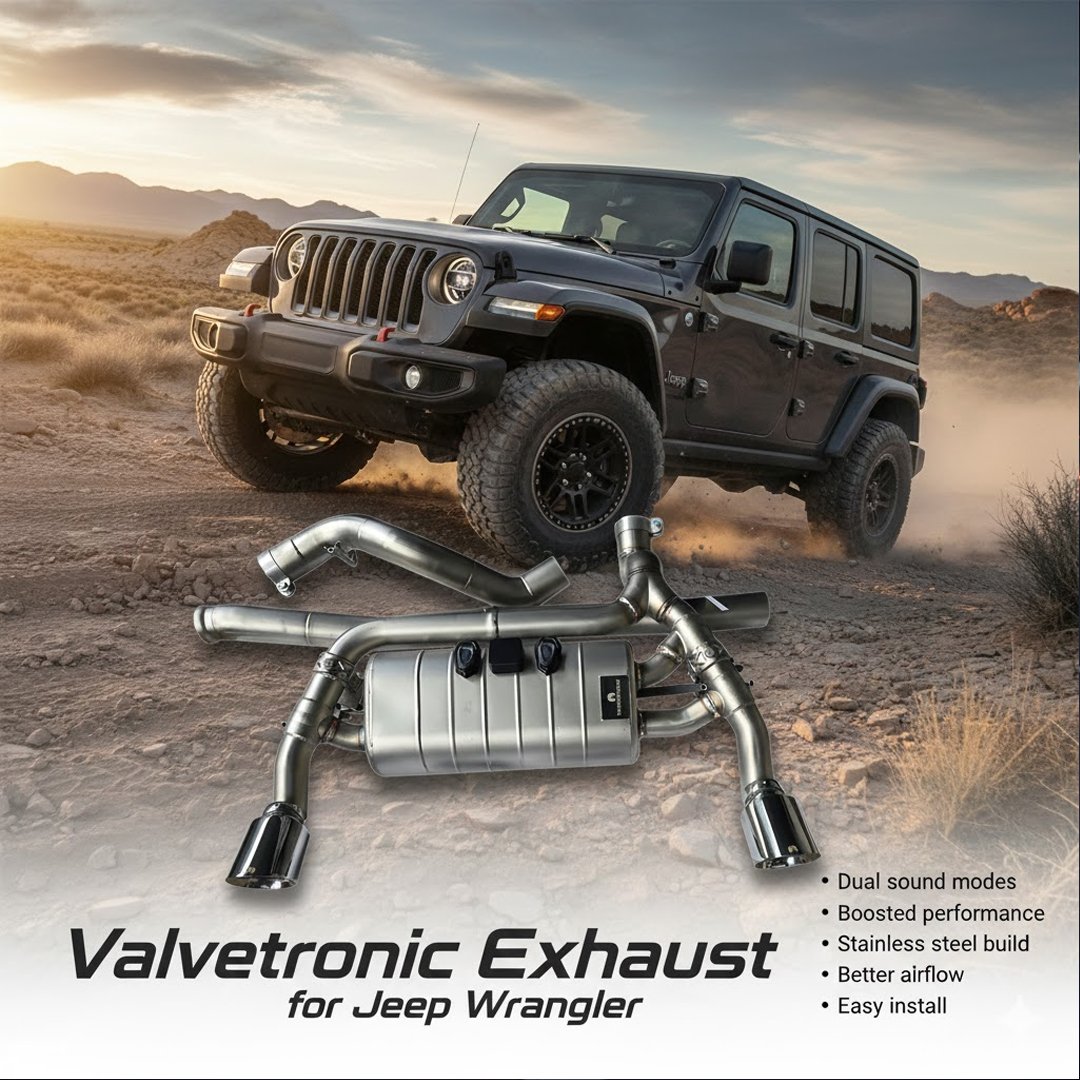
Cat-back systems replace the exhaust from the catalytic converter to the back. They often offer a louder and deeper sound. These systems can improve performance by reducing backpressure.
Axle-back systems only replace the exhaust from the rear axle to the muffler. They are usually less expensive and easier to install. Axle-back systems give a mild sound improvement but keep the stock feel.
Choose cat-back for more sound and power. Pick axle-back for a small sound boost and simple upgrade.
Materials And Durability
Exhaust systems come in different materials. Stainless steel is the most common for Jeep Wranglers. It resists rust and lasts a long time. Mild steel is cheaper but can rust fast, especially in wet areas.
Aluminized steel offers some rust protection at a lower cost. Check the material to match your climate and driving style. Good materials keep your exhaust sounding good for years.
Popular Brands For Jeep Wranglers
Several brands make exhausts for Jeep Wranglers. Borla is known for deep, aggressive sounds and strong build quality. MagnaFlow offers smooth, balanced tones and durable materials.
Flowmaster focuses on louder, more muscular sounds. MBRP provides budget-friendly options with solid performance. Choose a brand that fits your sound preference and budget.
Upgrading Mufflers And Resonators
Upgrading your Jeep Wrangler’s mufflers and resonators can change its exhaust sound significantly. These parts control how the exhaust noise is released and how loud it becomes. Changing or improving them creates a deeper, richer tone that matches your style. It also helps your vehicle stand out on the road. This section explains how to upgrade these parts for better sound and performance.
Types Of Mufflers For Sound Enhancement
Mufflers reduce noise from your Jeep’s engine exhaust. Different types create different sounds. Straight-through mufflers make a loud, deep sound. Chambered mufflers create a more classic, rumbling tone. Turbo-style mufflers offer a mix of sound and quietness. Choose a muffler that fits your sound preference and driving style. This choice affects how your Jeep sounds and performs.
Removing Or Replacing Resonators
Resonators smooth out the exhaust noise and reduce drone. Removing them makes the exhaust louder and more aggressive. Some Jeep owners replace stock resonators with high-performance ones. This change improves sound without too much noise inside the cabin. Removing resonators may increase sound but could cause unwanted vibration. Consider your comfort and local noise laws before removing them.
Balancing Sound And Performance
Sound upgrades should not harm engine performance. A louder exhaust can improve airflow and engine power. But too much restriction or poor design can reduce efficiency. Choose parts that balance sound and performance well. Quality mufflers and resonators help your Jeep breathe better. This balance keeps your Jeep running smoothly and sounding great.
Installing Headers And Downpipes
Installing headers and downpipes is a popular way to improve the exhaust sound of your Jeep Wrangler. These parts help the engine breathe better and change how the exhaust gases flow. Upgrading to better headers and downpipes can make your Jeep sound louder and deeper. It also can improve engine performance and fuel efficiency.
Impact On Exhaust Flow
Headers and downpipes guide exhaust gases out of the engine. Stock parts often restrict gas flow. Aftermarket headers have larger tubes and smoother bends. This allows gases to exit faster. Faster gas flow reduces backpressure. Reduced backpressure lets the engine run more efficiently. The exhaust sound becomes stronger and more aggressive.
Header Material Choices
Headers come in different materials. Steel is common and affordable. Stainless steel resists rust and lasts longer. Ceramic-coated headers keep heat inside, improving performance. Each material changes heat management and durability. Choose one based on your budget and needs. Quality materials affect sound tone and longevity.
Compatibility With Existing Setup
Headers and downpipes must fit your Jeep model. Some headers require extra modifications or special gaskets. Check the size and shape of your current exhaust parts. Mixing incompatible parts can cause leaks or poor performance. Match headers and downpipes designed for your engine and exhaust system. Proper fit ensures better sound and smooth operation.
Adding Exhaust Tips And Accessories
Adding exhaust tips and accessories is a simple way to change your Jeep Wrangler’s exhaust sound. These parts can make the sound louder or deeper. They also add a custom look to your vehicle. You do not need major changes to enjoy better sound quality. Small upgrades can make a big difference.
Exhaust tips come in many shapes and sizes. Some focus on sound, while others enhance style. Choosing the right accessory helps match your Jeep’s personality. Accessories like resonators and mufflers also affect sound. Pick parts that fit your needs and budget.
Styles That Amplify Sound
Wide and angled exhaust tips boost sound volume. Slash-cut tips create a deeper tone. Dual tips can make the exhaust sound more aggressive. Round tips offer a classic look with good sound. Larger diameter tips often increase the sound’s intensity. Each style changes your Jeep’s voice in a unique way.
Heat-resistant Finishes
Exhaust parts face high temperatures. Heat-resistant finishes protect tips from damage. Black ceramic coatings reduce heat and glare. Chrome finishes resist rust and look shiny. Stainless steel tips last longer and stay bright. Pick a finish that keeps parts safe and stylish.
Easy Installation Tips
Most exhaust tips fit with clamps or screws. Measure your tailpipe before buying a tip. Clean the pipe to remove dirt and rust. Use a wrench to tighten clamps securely. Avoid over-tightening to prevent damage. Some accessories need no welding, making installation quick. Follow product instructions for best results.
Tuning For Power And Sound
Tuning your Jeep Wrangler affects both power and exhaust sound. Adjusting the engine settings can make your Jeep louder and stronger. It changes how the engine breathes and fires. This tuning helps you get a deep, aggressive exhaust note.
Proper tuning also improves fuel use and engine response. It makes driving more fun and efficient. Different methods exist to tune your Jeep for better sound and power.
Ecu Remapping Benefits
ECU remapping changes the software in your Jeep’s engine control unit. It adjusts fuel delivery, ignition timing, and boost pressure. This method improves horsepower and torque. It also makes the exhaust sound more powerful and sporty. Remapping can smooth out the engine’s response at low and high speeds. It customizes the Jeep to suit your driving style.
Using Performance Chips
Performance chips plug into your Jeep’s engine system. They change the engine’s settings to boost power. Chips can increase throttle response and improve fuel efficiency. They also affect the exhaust tone. The sound becomes louder and more aggressive. Installing a chip is quick and reversible, making it a popular choice.
Monitoring Emission Compliance
Tuning your Jeep affects emissions and legal rules. It is important to check local laws before tuning. Some changes may cause your Jeep to fail emission tests. Use tuning options that keep your vehicle legal. Monitoring emissions helps avoid fines and keeps the environment safe. Always choose tuning methods that meet emission standards.

Credit: www.youtube.com
Maintaining Your Exhaust System
Maintaining your Jeep Wrangler’s exhaust system keeps the sound sharp and strong. A well-kept exhaust system helps your vehicle run smoothly. It also stops small problems from turning into big repairs. Simple care steps make a big difference in how your Jeep sounds and performs.
Regular Cleaning And Inspection
Clean the exhaust system often to remove dirt and grime. Dirt buildup can block the exhaust and lower sound quality. Check for cracks, holes, or loose parts during cleaning. Early discovery of issues saves time and money later. Use a soft brush and water for cleaning. Avoid harsh chemicals that can damage the metal.
Preventing Rust And Corrosion
Rust weakens the exhaust and changes the sound. Keep the system dry after driving in rain or snow. Apply rust-resistant spray to protect metal parts. Store your Jeep in a dry place if possible. Check for rust spots and treat them quickly. Use sandpaper to remove rust before applying paint or coating.
Signs Of Exhaust Damage
Listen for louder or unusual noises from the exhaust. These sounds may signal cracks or holes. Watch for black smoke or strong smells near the system. These signs show leaks or blockages. Look under the Jeep for hanging or broken parts. Address damage fast to keep your Jeep safe and sounding good.
Legal Considerations And Noise Regulations
Improving the exhaust sound of your Jeep Wrangler can be exciting. Sound upgrades give your vehicle a unique voice. Yet, sound changes must follow legal rules. These rules protect communities from loud noises. Understanding laws helps avoid trouble while enjoying your Jeep’s sound.
Local Sound Limits
Every area has sound limits for vehicles. These limits set the maximum decibel level allowed. Limits vary by city and state. Check local laws before changing your exhaust system. Measuring tools can help test your Jeep’s sound. Stay within limits to keep peace with neighbors.
Ensuring Street Legality
Not all exhaust modifications are legal on public roads. Some parts may make your Jeep too loud. Use parts approved for street use only. Look for certification labels on exhaust components. Illegal parts can lead to your Jeep failing inspections. Keep your vehicle legal to avoid issues with law enforcement.
Avoiding Fines And Penalties
Breaking noise laws can result in fines or penalties. Authorities may ticket or stop you for loud exhaust noise. Repeat offenses can lead to higher fines or vehicle impoundment. Follow local rules to avoid these problems. A legal exhaust means safer driving and fewer worries.
Credit: autobacsindia.com
Frequently Asked Questions
How Can I Make My Jeep Wrangler Exhaust Louder?
Upgrading to a performance muffler or cat-back exhaust system boosts your Jeep’s sound. Removing resonators also enhances volume and tone.
What Is The Best Exhaust Upgrade For Jeep Wrangler?
A cat-back exhaust system offers a perfect balance of sound and performance. It improves exhaust flow and delivers a deeper exhaust note.
Will Changing My Jeep Wrangler Exhaust Affect Performance?
Yes, a quality exhaust upgrade can increase horsepower and torque. It also improves fuel efficiency by enhancing exhaust flow.
Are Jeep Wrangler Exhaust Tips Important For Sound?
Exhaust tips mainly affect aesthetics, but larger or dual tips can slightly alter the exhaust note’s tone and presence.
Conclusion
Improving your Jeep Wrangler’s exhaust sound can make driving more fun. Simple changes like upgrading the muffler or adding a resonator help a lot. Choose parts that fit your style and budget. Keep safety and local laws in mind. A better exhaust sound can boost your Jeep’s personality.
Enjoy the roar without noise worries. Try small steps first, then see what works best. Your Jeep will sound stronger and more unique on the road.