
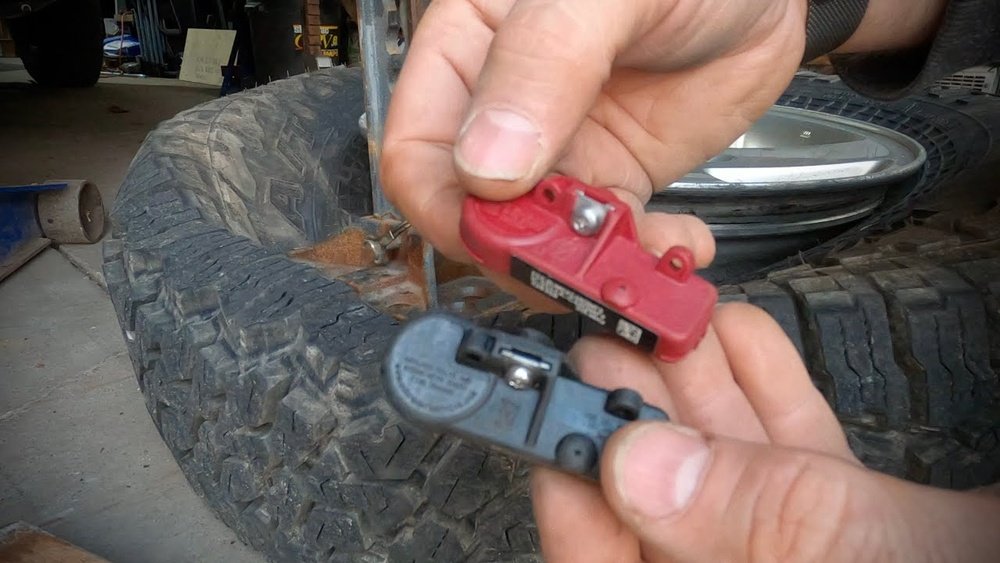
If you own a Jeep Wrangler, keeping your tires in top shape is crucial for safety and performance. Installing a TPMS (Tire Pressure Monitoring System) sensor might sound tricky, but with the right steps, you can do it yourself and save time and money.
In this guide, you’ll learn exactly how to install a TPMS sensor on your Jeep Wrangler quickly and easily. By the end, you’ll feel confident knowing your tires are properly monitored, helping you avoid unexpected flats or blowouts. Ready to get started?
Let’s dive in!
Tools And Materials Needed
Installing a TPMS sensor on your Jeep Wrangler requires specific tools and materials. Gathering everything before starting saves time and avoids frustration.
Knowing the right types of sensors and tools ensures a smooth installation. This section explains what you need to prepare.
Tpms Sensor Types For Jeep Wrangler
Jeep Wranglers use two main TPMS sensor types. Direct sensors measure air pressure inside each tire. They send real-time data to your vehicle’s computer.
Indirect sensors estimate pressure by tracking wheel speed changes. They use the ABS system to detect low pressure. Direct sensors are more accurate but cost more. Indirect sensors are simpler and cheaper.
Choose a sensor type that fits your Jeep’s model and your budget. Most Jeep Wranglers use direct TPMS sensors for better precision.
Essential Tools For Installation
Install TPMS sensors with a few basic tools. A tire pressure gauge helps check pressures before and after installation.
A valve core removal tool removes the valve stem core safely. You need a torque wrench to tighten nuts to the correct setting. This avoids damage to the sensor or tire.
Sometimes, a tire removal tool or bead breaker is necessary to remove the tire from the rim. A small flathead screwdriver helps with sensor mounting. Finally, having gloves protects your hands during the work.
Preparing Your Jeep Wrangler
Preparing your Jeep Wrangler for TPMS sensor installation is important. It helps the process go smoothly and safely. This step ensures you find the sensors easily and avoid damage.
Start by cleaning the area around the tires. Dirt and debris can hide the sensors or cause problems during installation. A clean workspace helps you work faster and better.
Safety Precautions
Always park your Jeep on a flat, stable surface. Use the parking brake to stop any movement. Wear gloves to protect your hands from sharp parts. Eye protection is a good idea too. Keep tools organized and away from children or pets. Avoid working near traffic or busy roads.
Locating The Tpms Sensors
TPMS sensors are inside the tires, attached to the valve stems. Remove the tire or use a TPMS tool to find the sensor signal. Check your Jeep’s manual for sensor locations. Each wheel has one sensor. Knowing their spot helps you install new sensors quickly.
Removing The Old Tpms Sensor
Removing the old TPMS sensor is the first step in installing a new one on your Jeep Wrangler. It needs care to avoid damage to the tire or wheel. Follow each step closely to make the process smooth and safe.
Deflating The Tire
Start by letting the air out of the tire. Use a valve core tool to remove the valve core. This allows the air to escape quickly and safely. Make sure the tire is fully deflated before moving on. A deflated tire is easier to handle and reduces pressure on the sensor.
Detaching The Sensor Carefully
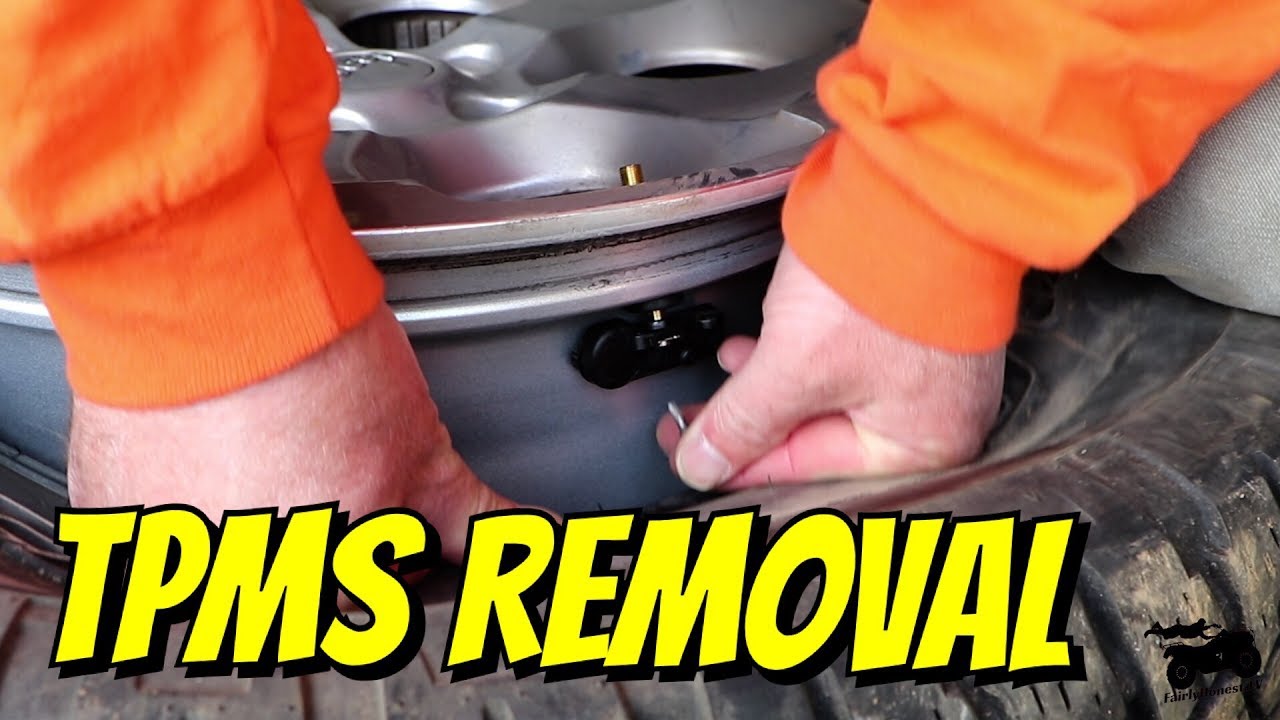
Locate the TPMS sensor inside the wheel. It is usually attached to the valve stem. Use a wrench to loosen the nut holding the sensor. Remove the sensor gently to avoid breaking it. Place the old sensor aside safely for disposal or recycling.

Credit: www.ebay.com
Installing The New Tpms Sensor
Installing the new TPMS sensor on your Jeep Wrangler is a key step to keep your tires safe. This process ensures the sensor works properly and helps you monitor tire pressure. Follow these simple steps for a smooth installation.
Positioning The Sensor Correctly
Place the TPMS sensor inside the tire on the rim. Align it with the valve stem hole. Make sure the sensor does not touch the tire’s inner surface. Proper positioning prevents damage and ensures accurate readings.
Securing The Sensor
Attach the sensor firmly to the valve stem. Tighten the sensor’s nut by hand first. Use a torque wrench to tighten it to the manufacturer’s recommended level. Avoid over-tightening to prevent damage.
Reinflating The Tire
Inflate the tire to the recommended pressure. Use a reliable air compressor or pump. Check for leaks around the valve stem. Proper inflation allows the TPMS sensor to work correctly and alert you to changes.
Reprogramming The Tpms System
After installing a new TPMS sensor in your Jeep Wrangler, reprogramming the system is a crucial step. This process lets the vehicle recognize and communicate with the new sensor. Without reprogramming, the warning light may stay on or the system may not work correctly.
Reprogramming can be done using the Jeep’s built-in tools or by following a manual process. Both methods are straightforward and do not require special tools. Choose the method that suits your comfort level and vehicle model.
Using The Jeep Wrangler’s Onboard System
Your Jeep Wrangler has a TPMS reset option in the dashboard menu. Start the engine and use the steering wheel buttons to access the settings. Find the “Tire Pressure” or “TPMS” menu. Select “Relearn” or “Reset” to begin the process.
Drive the vehicle at a steady speed for several minutes. This allows the system to detect the new sensor signals. Watch the dashboard light; it should turn off after the system relearns the sensors.
Manual Relearn Procedure
The manual method uses a TPMS tool or the Jeep’s valve stem sequence. Turn the ignition to the “On” position without starting the engine. Press the TPMS reset button until the light blinks three times.
Start with the front left tire and follow a specific order: front left, front right, rear right, and rear left. Press the sensor or tool at each tire to program it into the system. The TPMS light should stop blinking and go off once complete.

Credit: www.ateq-tpms.com
Testing And Troubleshooting
Testing and troubleshooting the TPMS sensor on your Jeep Wrangler is key to ensuring safety. Proper sensor function helps monitor tire pressure and alerts you to issues. After installation, check if the sensor activates correctly. Fix small problems quickly to avoid bigger issues on the road.
Verifying Sensor Activation
Start by turning the ignition on without starting the engine. Watch the dashboard for the TPMS warning light. It should light up briefly and then turn off. If the light stays on, the sensor may not be working. Use a TPMS tool to scan each sensor’s signal. Confirm each sensor sends correct pressure data. Drive the Jeep for a few minutes to allow sensors to sync with the system. Check the dashboard again to see if the warning light goes off.
Common Installation Issues
Incorrect sensor placement is a common problem. Ensure the sensor fits snugly inside the tire. Loose sensors may fail to transmit signals. Damaged sensors during installation can cause malfunctions. Handle sensors carefully and avoid impacts. Battery failure in the sensor also stops it from working. Replace sensors if they do not activate after several tries. Wiring problems or software errors in the vehicle may affect sensor readings. Reset the TPMS system as recommended in the Jeep manual.
Maintenance Tips For Tpms Sensors
Maintaining your TPMS sensors is key for safe driving and accurate tire pressure readings. Proper care helps avoid sensor failure and costly repairs. Follow simple steps to keep your sensors working well.
Battery Life And Replacement
TPMS sensors use small batteries that last several years. Over time, batteries weaken and stop working. Replace the battery as soon as the sensor warns low power. A dead battery means no pressure readings. Use the correct battery type for your Jeep Wrangler’s sensor. Do not try to open the sensor yourself unless you have the right tools.
Regular Sensor Checks
Check sensors regularly to catch problems early. Use a TPMS tool or visit a mechanic for sensor tests. Watch for warning lights on your dashboard. Also, inspect sensors during tire changes or rotations. Clean sensors gently to remove dirt and debris. Proper checks help keep sensors accurate and extend their life.
Credit: www.youtube.com
Frequently Asked Questions
What Tools Are Needed To Install Tpms Sensor On Jeep Wrangler?
You need a TPMS sensor kit, tire iron, jack, torque wrench, and valve core tool. A TPMS programming tool may also be required for sensor activation.
How To Reset Tpms Sensor After Installing On Jeep Wrangler?
After installation, use a TPMS reset tool or your Jeep’s onboard system to recalibrate sensors. Follow the vehicle manual for exact reset steps.
How Long Does Tpms Sensor Installation Take On Jeep Wrangler?
Installing TPMS sensors typically takes 30 to 60 minutes. Time varies based on experience and whether programming is needed.
Can I Install Tpms Sensor On Jeep Wrangler Myself?
Yes, with proper tools and instructions, DIY installation is possible. However, professional help ensures correct fitting and sensor programming.
Conclusion
Installing a TPMS sensor on your Jeep Wrangler is simple and important. It helps keep your tires safe and your drive smooth. Follow the steps carefully, and double-check your work. A well-installed sensor saves time and money later. Enjoy better tire pressure control and safer trips.
Stay alert, check sensors often, and keep your Jeep ready for any road. Easy to do, worth the effort.



