
Many Jeep Grand Cherokee owners value comfort and clean air in their vehicles. Yet, many overlook a simple but important part: the cabin air filter. This small filter keeps dust, pollen, and other particles out of the air you breathe inside your Jeep. Over time, it gets dirty and needs replacing. If you want to keep your car’s air fresh and your air conditioning working well, knowing how to change your cabin filter is essential.
For many, the idea of changing a cabin air filter seems difficult. But with the right steps and understanding, it’s a task almost anyone can do. You can save money, avoid waiting at the repair shop, and protect your car’s HVAC system.
If you drive in cities or dusty areas, this filter can clog up faster, which makes regular replacement even more important.
In this guide, you’ll learn everything you need to know to change the cabin filter in your Jeep Grand Cherokee. You’ll get a step-by-step process, tips on choosing the right filter, and advice to avoid common mistakes. By the end, you’ll feel confident doing this simple but important car maintenance yourself.
Why The Cabin Filter Matters
The cabin air filter may look small, but it plays a big role in your driving experience. It traps dust, pollen, mold spores, and even exhaust fumes before they enter your car’s interior. If you have allergies, a clean filter is even more important.
A dirty or clogged filter can cause:
- Bad smells in the car
- Weak airflow from vents
- Foggy windows that are hard to clear
- Extra load on the air conditioning and heating system
Some drivers may not notice a clogged filter until their car’s air quality drops or the AC seems weaker. Changing the filter regularly keeps your Jeep’s interior air clean and protects your HVAC system.
How Often Should You Change The Cabin Filter?
Most Jeep Grand Cherokee models need a new cabin air filter every 15,000 to 20,000 miles, or at least once a year. However, if you often drive in dusty areas, city traffic, or near construction, you might need to change it more often.
Here’s a quick look at recommended intervals:
| Driving Condition | Change Interval |
|---|---|
| Normal (highway, suburbs) | 15,000 – 20,000 miles |
| City traffic / Dusty roads | Every 10,000 miles |
| Allergy season | Before spring or fall |
You can also check your Jeep’s owner manual for the exact recommendation for your model year.
Tools And Materials Needed
Before you start, gather these items:
- Replacement cabin air filter (make sure it fits your Jeep’s model and year)
- Screwdriver (usually Phillips or flathead, depending on your Jeep)
- Gloves (optional, to keep hands clean)
- Vacuum cleaner (optional, for cleaning the filter area)
Buying the right filter is key. Some Jeep Grand Cherokees use a standard paper filter, while others accept activated carbon filters for better odor control. Check your manual or ask at an auto parts store to get the right one.
Where Is The Cabin Filter Located?
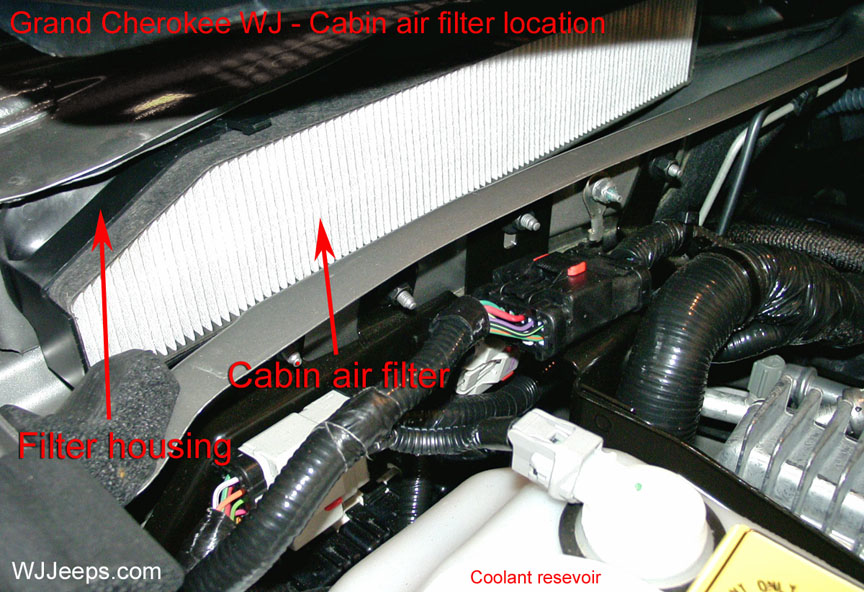
Most Jeep Grand Cherokee models from 2011 and newer have the cabin filter behind the glove box. Older models may not have a cabin filter at all, so check your manual if your Jeep is from before 2011.
The filter location is important because it makes the job much easier. You don’t need to remove a lot of parts or crawl under the hood.
Step-by-step Guide: Changing The Cabin Filter
Changing the Jeep Grand Cherokee cabin filter only takes about 15 minutes if you follow these steps:
1. Empty The Glove Box
Open your glove box and take out everything inside. You’ll need clear access to the back wall of the glove box.
2. Remove The Glove Box Stops
Look for small stoppers or tabs on the sides of the glove box. These keep it from falling out when opened. Gently press or squeeze them inward to let the glove box drop down further. Some models have a small dampener arm on the right side; detach this if needed.
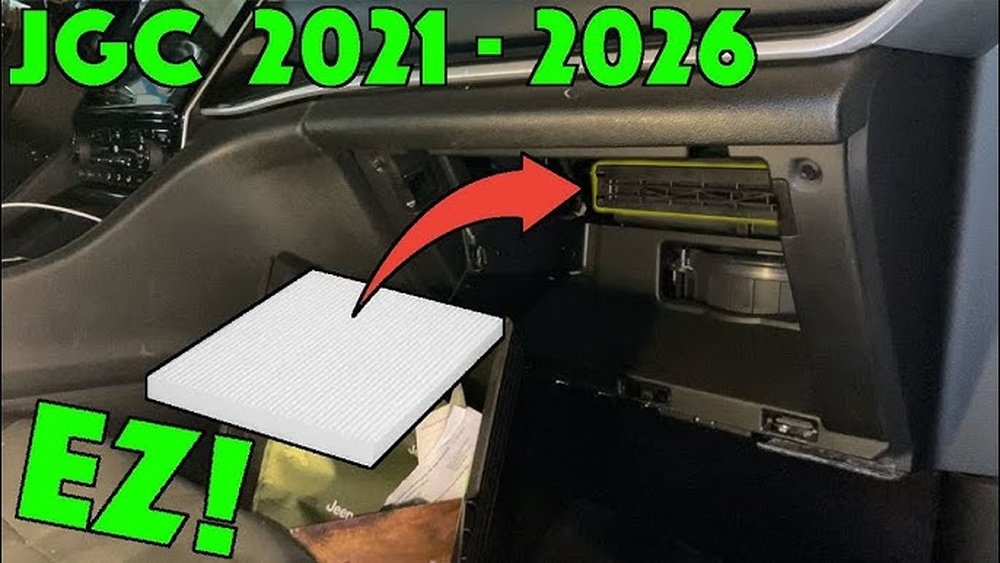
3. Locate The Cabin Filter Cover
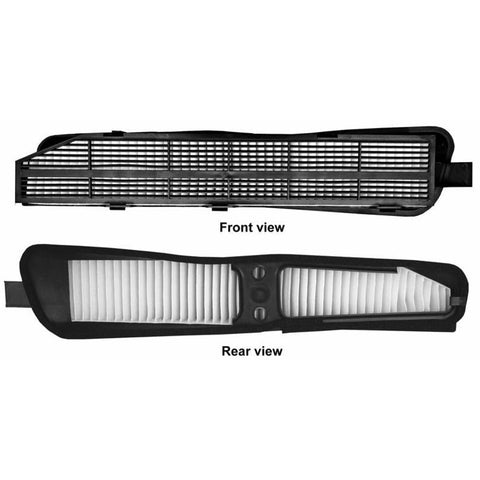
Behind the dropped glove box, you’ll see a rectangular cover—usually with small clips or tabs. This is the cabin filter housing.
4. Open The Filter Cover
Release the clips or tabs and carefully remove the cover. Put it aside where it won’t get lost.
5. Remove The Old Filter
Slide the old filter out. Notice the direction of the airflow arrow on the filter’s side. This is important for installing the new one correctly.
6. Clean The Filter Area (optional)
If you see dust or leaves inside the housing, use a vacuum or a damp cloth to clean it. A clean area helps your new filter work better.
7. Insert The New Filter
Slide the new filter in, making sure the airflow arrow points in the same direction as the old one (usually downwards). Don’t force it—if it doesn’t fit, double-check the filter model.
8. Replace The Cover
Snap the filter cover back into place, making sure the clips or tabs are secure.
9. Reattach The Glove Box
Lift the glove box and push the stops or dampener arm back into place. Close and open the glove box a few times to make sure it works smoothly.
10. Test The System
Turn on your car, run the air conditioning or heat, and check that the airflow from the vents is strong and smells fresh.
Tips For Choosing The Right Cabin Filter
Not all filters are the same. Here’s what to look for when buying one:
| Filter Type | Pros | Cons |
|---|---|---|
| Standard Paper | Low cost, easy to find | Basic filtering only |
| Activated Carbon | Removes odors, better at trapping gases | Costs more |
| HEPA | Best for allergies, traps tiny particles | May reduce airflow slightly |
- Standard paper filters are fine for most drivers.
- Activated carbon filters are good if you drive in cities or want to block smells.
- HEPA filters are best if you have allergies, but they may cost more.
Make sure the filter fits your Jeep’s model and year. An ill-fitting filter won’t work well and might let dirty air inside.
Common Mistakes To Avoid
Many first-timers make small errors when changing the cabin filter. Here are some to watch out for:
1. Installing The Filter Backwards
The airflow arrow must point the right way (usually down). If you install it backwards, the filter won’t work as designed.
2. Forgetting To Clean The Filter Area
If you leave dirt or leaves inside, your new filter will clog faster.
3. Using The Wrong Filter Size
Even filters that look similar may not fit. Check the part number and match it to your Jeep’s model and year.
4. Skipping Regular Changes
A dirty filter can’t protect you. Mark your calendar or set a reminder to check it at least once a year.
5. Losing Small Parts
Keep track of the glove box stops, dampener, and filter cover. Losing these can make reassembly difficult.
Signs You Need A New Cabin Filter
Sometimes, you’ll notice signs that it’s time to replace the filter even before your next scheduled change:
- Unpleasant odors from the vents
- Weak airflow even at high fan speeds
- Increased dust inside the car
- Windows fog up easily
- Strange noises from the fan
If you see these signs, check and change your filter soon.
Credit: wjbible.com
Benefits Of Changing The Cabin Filter Yourself
Replacing your Jeep Grand Cherokee’s cabin filter on your own offers several advantages:
- Saves money: Dealerships may charge $50 or more for this simple task.
- Quick and easy: The job takes 10–20 minutes with basic tools.
- Better air quality: Fresh filters block dust, pollen, and pollution more effectively.
- Protects your HVAC system: A clean filter reduces strain on the fan and air conditioning.
Many owners find that DIY maintenance builds confidence and a better understanding of their vehicle.
Real-world Example: Before And After
Sarah, a Jeep Grand Cherokee owner from Arizona, noticed her car smelled musty after running the AC. She also struggled with allergies during spring. After changing the cabin filter herself, the smell disappeared, and she breathed easier. She also found that the airflow improved, and her windows cleared faster on cold mornings.
This simple step made a big difference in her comfort and driving experience.

Credit: www.youtube.com
Environmental Impact Of Cabin Filters
Did you know that regularly replacing your cabin filter can also help the environment? A clogged filter makes your AC work harder, using more fuel. By keeping the filter clean, you can improve fuel efficiency and reduce emissions.
Some filters are also made from recyclable materials, so check how to dispose of your old one properly.
When To Ask A Professional
Most Jeep Grand Cherokee owners can change the cabin filter themselves. However, if you:
- Can’t locate the filter housing
- Have a broken glove box or stuck parts
- Notice persistent smells or weak airflow after changing the filter
…it’s wise to visit a trusted mechanic. They can check for deeper problems, like mold or blocked ducts.
Credit: auroraf.com
Where To Find Replacement Filters
You can buy cabin filters at:
- Auto parts stores (O’Reilly, AutoZone, etc.)
- Online retailers (Amazon, RockAuto)
- Jeep dealerships
Always check the part number and compare prices. Many filters cost between $15 and $30. For more details on types of filters, see Vehicle Cabin Air Filter on Wikipedia.
Practical Insights Most People Miss
- You don’t always need tools: Some models have glove boxes that unclip by hand.
- Keep a spare filter: If you live in dusty or pollen-heavy areas, having an extra filter at home makes replacement faster and easier.
- Check for recalls: Sometimes, filter housings or stops are recalled for certain Jeep years. A quick online check can save you trouble.
Frequently Asked Questions
What Happens If I Don’t Change My Jeep Grand Cherokee Cabin Filter?
If you don’t change the filter, dust, pollen, and debris can build up in your car’s ventilation system. This can lead to bad smells, weak airflow, foggy windows, and even damage your AC system over time.
Can I Clean And Reuse My Cabin Filter?
Most cabin filters are designed for one-time use and should be replaced, not cleaned. Some newer types are washable, but always check your filter’s instructions before trying to clean it.
How Do I Know Which Cabin Filter Fits My Jeep Grand Cherokee?
Check your owner’s manual or ask at an auto parts store. You’ll need your Jeep’s model year. Using the wrong size filter can let dirty air inside or damage the housing.
Will Changing The Cabin Filter Improve My Ac Performance?
Yes, a clean filter allows more air to flow through your HVAC system. This means stronger airflow, better cooling or heating, and less strain on your AC.
Does My Older Jeep Grand Cherokee Have A Cabin Filter?
Jeep Grand Cherokees from 2011 and newer almost always have a cabin filter. Models before 2011 may not have one. Check your manual or look behind the glove box to be sure.
Changing the Jeep Grand Cherokee cabin filter is a simple, valuable job that keeps your driving experience comfortable and healthy. By following these steps and tips, you can do it yourself and enjoy cleaner air every time you drive.



