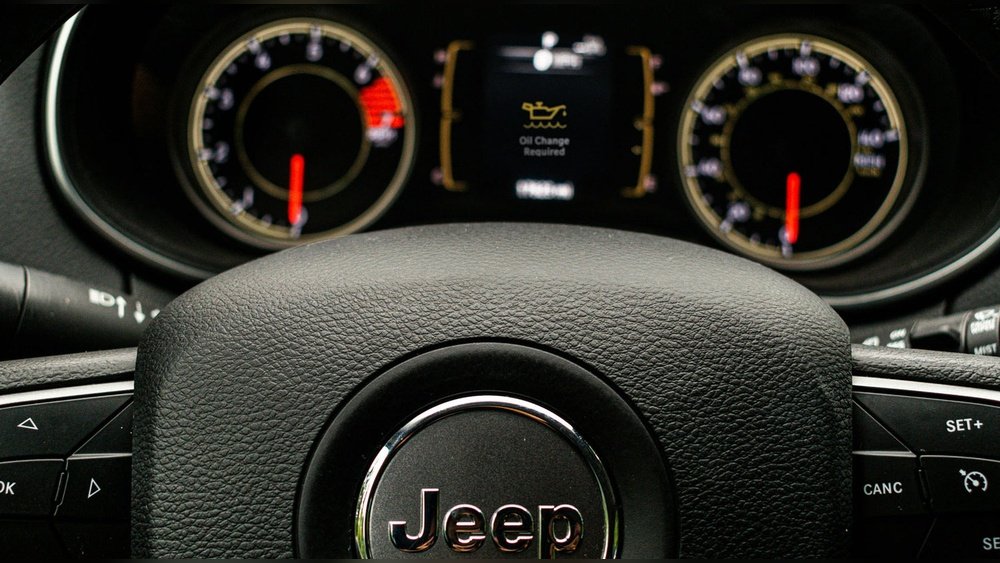
Changing the oil filter on your Jeep Wrangler is one of the most important maintenance tasks you can do at home. It might look challenging at first, but with the right steps, anyone can do it safely and efficiently. Regular oil and filter changes keep your engine running smoothly, help prevent expensive repairs, and extend the life of your Jeep. This guide covers everything you need to know, from tools and preparation to detailed steps and pro tips. If you’re new to car maintenance, don’t worry—every part is explained in simple English, with examples and practical advice.
Why Changing Your Jeep Wrangler Oil Filter Matters
The oil filter is a small but essential part of your engine. It removes dirt, metal particles, and other harmful debris from the engine oil. If the filter gets clogged or old, dirty oil will circulate, causing more wear inside the engine. Over time, this can lead to engine damage or even failure. Changing the oil filter is not just about keeping the engine clean—it’s about protecting your investment and ensuring your Jeep performs at its best.
How Often Should You Change The Oil Filter?
Most experts recommend changing the oil filter every time you change the oil. For most Jeep Wranglers, this is about every 5,000 to 7,500 miles (8,000 to 12,000 kilometers), but you should always check your owner’s manual. If you drive in dusty areas, tow heavy loads, or do a lot of off-roading, you might need to change it more often.
Tools And Materials Needed
Before you start, gather all the tools and supplies. Not having the right equipment can turn a simple job into a frustrating one.
- New oil filter (compatible with your Jeep’s model and engine)
- Engine oil (check your Jeep’s manual for type and amount)
- Oil filter wrench (makes removing the filter easier)
- Socket wrench set
- Oil drain pan
- Funnel
- Gloves (to protect your hands)
- Rags or paper towels
- Car jack and jack stands (if extra clearance is needed)
- Safety glasses
Some Jeep Wrangler models need a special filter wrench. Check before you start to avoid delays.
Safety First: Preparation Steps
Working on cars can be messy and sometimes dangerous if you are not careful. Follow these safety tips before you begin:
- Always work on a flat, stable surface.
- Let the engine cool down for at least 20 minutes after driving. Hot oil can cause burns.
- Engage the parking brake and place wheel chocks behind the tires.
- If lifting the Jeep, use proper jack stands. Never trust only a jack.
Credit: www.hananiacdjr.com
Locating The Oil Filter And Drain Plug
Finding the right parts under the hood is important. On most Jeep Wranglers, the oil filter is near the front of the engine, usually on the driver’s side. The oil drain plug is under the oil pan, below the engine. If you are unsure, your Jeep’s manual usually has a diagram.
Non-obvious tip: Some newer Wranglers have a cartridge-style oil filter located on top of the engine, while older models use a canister-type under the vehicle. Knowing the type saves you time and helps you buy the correct replacement.
Step-by-step Guide: Changing Your Jeep Wrangler Oil Filter
Let’s break down the process into simple, clear steps. Allow about 30-60 minutes for the job, depending on your experience.
1. Warm Up The Engine
Start the Jeep and let it run for 2-3 minutes. Warm oil flows out faster and carries more dirt with it. Do not let the engine get too hot.
2. Lift The Jeep (if Needed)
If your Jeep sits low, carefully use a car jack to lift the front and secure it with jack stands. For most Wranglers, you can reach the filter and drain plug without lifting.
3. Place The Oil Drain Pan
Position the oil drain pan directly under the oil pan’s drain plug. Make sure it’s large enough to hold at least 6 quarts (about 5.7 liters) of oil.
4. Remove The Oil Filler Cap
Open the hood and remove the oil filler cap on top of the engine. This step helps the oil drain out faster.
5. Loosen The Oil Drain Plug
Use the correct socket wrench to loosen the drain plug (usually 13mm or 15mm for Wranglers). Be careful not to drop the plug into the pan! Let all the oil drain out—this usually takes about 5-10 minutes.
6. Remove The Oil Filter
With gloves on, use the oil filter wrench to loosen the oil filter. Turn it counterclockwise. Some oil will spill, so keep the drain pan under the filter area. Once loose, unscrew it by hand.
Pro tip: Before installing the new filter, check that the old filter’s rubber gasket came off with the filter. If it sticks to the engine, remove it. Leaving it can cause leaks.
7. Prepare The New Oil Filter
Take your new oil filter and dip a finger in the fresh oil. Lightly coat the rubber gasket on the new filter. This helps it seal better and makes removal easier next time.
8. Install The New Filter
Screw the new filter in place by hand. Tighten until the gasket touches the engine, then turn it another 3/4 turn. Do not overtighten—this can damage the gasket.
9. Replace The Oil Drain Plug
After the oil finishes draining, wipe the plug and the oil pan surface with a rag. Reinstall and tighten the drain plug securely, but don’t overtighten.
10. Add New Engine Oil
Insert a funnel into the oil filler hole and pour in the recommended amount of new oil (usually 5-6 quarts, but always check your manual). Use the correct oil type—synthetic is often recommended for Wranglers.
11. Check For Leaks
Start the engine and let it run for 30 seconds. Check under the Jeep for any oil leaks at the filter and drain plug. If you see drips, turn off the engine and fix the problem before driving.
12. Check The Oil Level
Turn off the engine and wait 5 minutes for oil to settle. Pull out the dipstick, wipe it clean, reinsert, and check the level. Add more oil if needed.
13. Clean Up And Dispose Of Old Oil
Pour the old oil into a sealable container and take it to a recycling center. Never pour used oil down the drain or on the ground—it’s illegal and harms the environment.
Choosing The Right Oil Filter For Your Jeep Wrangler
Not all oil filters are the same. Using the wrong filter can lead to poor engine protection or leaks. Here’s a quick comparison of common oil filter types for Jeep Wranglers:
| Filter Type | Common Years | Pros | Cons |
|---|---|---|---|
| Canister (Spin-On) | 1990-2017 | Easy to replace, widely available | Messier removal |
| Cartridge | 2018-present | Cleaner removal, less waste | Needs special wrench |
| High-Performance | All years (aftermarket) | Better filtration, longer life | Higher cost |
Non-obvious insight: Some aftermarket filters claim to last longer, but using them for too many miles can allow old oil to become thick and less effective. Stick to the Jeep’s recommended change intervals, even with premium filters.
Common Mistakes When Changing Oil Filters
Many beginners make the same errors. Avoid these to ensure a clean, safe oil change:
- Overtightening the filter: This can crush the gasket and cause leaks.
- Forgetting the old gasket: A stuck gasket from the old filter can cause double-gasket leaks.
- Using the wrong filter: Always match the filter to your Jeep’s year and engine.
- Not checking for leaks: Skipping this step can lead to engine damage if oil leaks out while driving.
- Improper oil disposal: Used oil is hazardous—always recycle it properly.
Credit: www.youtube.com
Practical Tips For A Cleaner, Safer Oil Change
- Lay cardboard under the Jeep to catch drips.
- Use a headlamp or flashlight for better visibility under the vehicle.
- Keep extra rags or paper towels handy for spills.
- Wear gloves—engine oil can irritate your skin.
- Write the date and mileage of your oil change on a sticker or in your maintenance log.
Signs Your Oil Filter Needs Changing
Sometimes, you might need to change the filter sooner than planned. Watch for these warning signs:
- The oil pressure warning light comes on
- Engine noises or ticking sounds increase
- Oil looks very dark or gritty on the dipstick
- Decreased engine performance or fuel economy
If you notice any of these, check your oil and filter as soon as possible.
Jeep Wrangler Oil Filter Brands: Comparison
Here’s a comparison of popular oil filter brands for Jeep Wranglers:
| Brand | Filter Type | Average Price (USD) | Warranty |
|---|---|---|---|
| Mopar (OEM) | Canister/Cartridge | $10-15 | 12 months |
| K&N | High-Performance | $15-20 | Limited Lifetime |
| Fram | Canister | $7-12 | 12 months |
| WIX | Canister/Cartridge | $10-16 | 12 months |
Stick with a trusted brand, especially if your Jeep is under warranty. Using Mopar filters ensures you follow Jeep’s recommendations.
Cost Comparison: Diy Vs. Professional Oil Change
You might wonder if it’s cheaper to do it yourself or pay a mechanic. Here’s a breakdown:
| Method | Estimated Cost (USD) | Time Required | Benefits |
|---|---|---|---|
| DIY Oil & Filter Change | $35-60 | 30-60 minutes | Saves money, learn a skill |
| Professional Service | $60-120 | 30-45 minutes | No mess, expert check |
Doing it yourself saves money and helps you understand your vehicle better. However, if you’re short on time or don’t feel comfortable, a professional service is a good choice.

Credit: www.youtube.com
Where To Buy Jeep Wrangler Oil Filters
You can buy filters at auto parts stores, Jeep dealerships, or online. Online shopping often offers better prices and more options. Always check the product number and reviews to avoid buying the wrong filter.
For more details about oil filter types and engine maintenance, visit the Wikipedia Oil Filter page.
Frequently Asked Questions
How Do I Know Which Oil Filter Fits My Jeep Wrangler?
Check your owner’s manual or use the parts lookup tool on auto parts store websites. You’ll need your Jeep’s year, engine size, and sometimes the VIN.
Can I Change The Oil Filter Without Changing The Oil?
It’s best to change both at the same time. Replacing only the filter leaves dirty oil in the engine, which defeats the purpose of a clean filter.
What Happens If I Overtighten The Oil Filter?
Overtightening can damage the filter gasket, leading to leaks or making the filter impossible to remove next time. Always tighten by hand plus a small extra turn.
Is Synthetic Oil Better For My Jeep Wrangler?
Synthetic oil usually provides better protection and lasts longer, especially in extreme temperatures. Many Jeep engines recommend or require synthetic oil.
How Do I Properly Dispose Of Old Oil And Filters?
Take used oil and filters to a recycling center or auto parts store that accepts them. Never pour oil down the drain or in the trash—it’s harmful and illegal.
Changing the oil filter on your Jeep Wrangler is a great way to learn more about your vehicle and save money. With the right tools, clear steps, and a little patience, you’ll keep your Jeep’s engine strong for years.