If you love adventure and the thrill of exploring off the beaten path, building your own Jeep overlanding rig is the next step you need to take. But where do you start?
How do you choose the right gear, make smart upgrades, and prepare your Jeep for long trips into the wild? This guide will walk you through every important detail, making it easy for you to transform your Jeep into a reliable, comfortable, and capable overlanding machine.
By the end, you’ll have the confidence and know-how to build a rig that fits your style and meets your needs. Ready to turn your Jeep into the ultimate adventure companion? Let’s dive in.
Choosing The Right Jeep Model
Choosing the right Jeep model is the first step in building a strong overlanding rig. The model you pick affects your vehicle’s capability, comfort, and how much you can carry. Each Jeep has unique features that suit different types of overlanding trips. Understanding these differences helps you make a smart choice. This section will guide you through popular Jeep models and important factors to consider.
Popular Jeep Models For Overlanding
The Jeep Wrangler is a top choice for overlanding. It has excellent off-road abilities and many aftermarket parts. The Wrangler’s removable doors and roof add to the adventure feel. The Jeep Cherokee offers a comfortable ride with good off-road power. It suits longer trips where comfort matters. The Jeep Grand Cherokee provides more space and luxury. It handles rough terrain well and carries more gear. Each model has strengths that fit different overlanding styles.
Factors To Consider When Selecting A Jeep
Think about your trip length and terrain type. A smaller Jeep may be better for tight trails. Larger models carry more gear and passengers. Fuel efficiency is important for long distances. Some Jeep models use more fuel, so plan your stops. Consider the availability of spare parts and upgrades. Check the vehicle’s ground clearance and four-wheel-drive system. Comfort features matter for long drives and rough roads. These factors help you pick a Jeep that fits your needs.

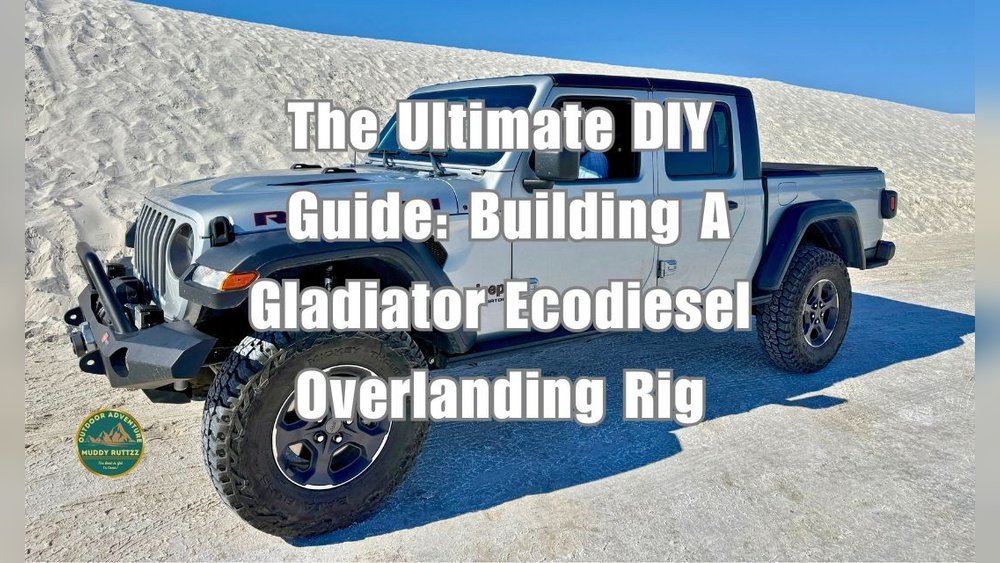
Credit: www.muddyruttzz.com
Essential Overlanding Gear
Essential overlanding gear makes your Jeep ready for any adventure. This gear ensures safety, comfort, and direction on the trail. Every item has a clear purpose. Choosing the right gear improves your trip and helps avoid problems.
Recovery Equipment
Recovery gear is vital for getting your Jeep unstuck. A strong recovery strap helps pull your vehicle free. A winch can pull your Jeep out of deep mud or sand. Shackles connect straps and winches safely. A recovery kit with gloves and a tree saver strap protects you and nature during recovery. Carrying a shovel helps clear dirt or snow quickly.
Camping And Sleeping Essentials
Comfort matters on long trips. A durable tent protects you from weather. Sleeping bags keep you warm at night. A sleeping pad adds cushioning and insulation. Portable chairs and tables make camp life easier. Cooking gear lets you prepare meals outdoors. Bring enough water and containers to stay hydrated.
Navigation Tools
Navigation tools keep you on track in remote areas. A GPS device shows your exact location and planned route. Maps provide backup if electronics fail. A compass helps you find direction without power. Smartphone apps with offline maps offer convenience. Always have more than one navigation option ready.
Suspension And Tires Upgrades
Upgrading your Jeep’s suspension and tires is essential for overlanding. These upgrades improve off-road performance and comfort. A good suspension lift and proper tires help your Jeep handle rough trails and tough terrain. Better shocks and springs provide stability and smooth rides. These changes make your Jeep ready for long adventures.
Lifting Your Jeep
Lifting your Jeep increases ground clearance. This allows your vehicle to pass over rocks and obstacles easily. A lift kit raises the body or suspension. Common lift heights range from 2 to 4 inches. Choose a lift size that fits your needs and budget. Keep balance between off-road ability and on-road drive quality.
Selecting All-terrain Tires
All-terrain tires offer good traction on dirt, mud, and rocks. They are designed to work well on various surfaces. Look for tires with deep tread patterns. This helps grip loose or uneven ground. Tire size affects clearance and ride comfort. Bigger tires improve off-road ability but may reduce fuel efficiency.
Shock Absorbers And Springs
Shock absorbers control the bounce of your Jeep. They keep tires in contact with the ground. Good shocks improve ride smoothness and vehicle control. Springs support the Jeep’s weight and help absorb bumps. Upgrading springs can provide better load handling for gear and passengers. Use shocks and springs that match your lift and tire upgrades.

Credit: www.ordealist.com
Storage And Organization
Building a Jeep overlanding rig means making smart use of space. Storage and organization keep your gear safe and easy to find. Proper planning helps you carry all essentials without clutter or mess.
Good storage solutions protect your gear from weather and rough roads. They also save time during stops by keeping everything in place. Let’s explore key storage options for your Jeep setup.
Roof Racks And Cargo Carriers
Roof racks add extra storage space above your Jeep. They hold big or bulky items like tents, fuel cans, and spare tires. Cargo carriers fit on roof racks and keep gear secure and dry.
Choose racks made from strong, lightweight materials. Make sure they fit your Jeep model and roof design. A good rack system must handle off-road bumps without shaking loose.
Interior Storage Solutions
Inside your Jeep, use organizers to keep small items tidy. Seat back organizers, storage bins, and drawer systems work well. They help separate tools, food, and camping gear.
Look for waterproof and dustproof options. This protects your supplies from dirt and rain. Keep often-used items within easy reach for quick access.
Securing Loose Items
Loose gear can become dangerous during rough rides. Use straps, bungee cords, and nets to hold everything firmly. Tie down heavy items to prevent shifting.
Check all fastenings before every trip. Properly secured gear avoids damage and keeps passengers safe. This simple step improves your overall overlanding experience.
Lighting And Electrical Enhancements
Lighting and electrical upgrades are essential for any Jeep overlanding rig. Proper lighting improves safety and visibility during night drives and off-road adventures. Electrical enhancements keep your devices powered and your rig running smoothly.
Choosing the right lighting and power systems can make your trip safer and more comfortable. This section explores key options to help you build a dependable setup.
Off-road Lighting Options
Bright, durable lights are vital for overlanding. LED light bars provide wide, powerful beams. Spotlights focus light on distant objects. Floodlights illuminate a broad area near your rig.
Consider mounting lights on the roof, bumper, or grille. Adjustable mounts let you aim lights where needed. Choose waterproof and dustproof models for harsh conditions.
Auxiliary Power Systems
Extra power sources keep your gear running off-grid. Dual batteries provide backup power and protect your main battery. A battery isolator prevents one battery from draining the other.
Portable power stations store energy for charging phones, GPS, and lights. Inverters convert DC power to AC for household devices. Proper wiring and fuses ensure safety.
Solar Panels And Battery Management
Solar panels recharge batteries using sunlight. Flexible panels attach to the roof or hood easily. Solar controllers regulate charging to avoid battery damage.
Battery monitors track voltage and state of charge. Smart chargers maintain battery health during storage. These tools extend battery life and reliability on long trips.
Fuel And Water Management
Fuel and water management is critical for a successful Jeep overlanding trip. Running out of fuel or water can stop your adventure fast. Planning how to carry and use these essentials keeps you safe and comfortable. Preparing well means less stress on the road and more focus on the journey.
Extra Fuel Storage
Carry extra fuel to extend your Jeep’s range. Use approved fuel containers or jerry cans designed for off-road use. Mount them securely to avoid spills or damage. Check the weight and balance to keep your rig stable. Plan fuel stops along your route but trust your extra fuel first.
Water Containers And Filtration
Bring enough water for drinking, cooking, and cleaning. Use durable, BPA-free containers to store water safely. Carry a portable water filter or purification tablets. They help you use natural water sources safely. Regularly clean containers to prevent bacteria growth. Water storage should be easy to access during the trip.
Efficient Consumption Tips
Conserve fuel by driving smoothly and avoiding rapid acceleration. Turn off your engine during long stops. For water, use only what you need each day. Avoid wasting water when washing or cooking. Prepare meals that need less water. Small habits save resources and extend your supplies.
Safety And Communication Tools
Safety and communication tools are essential for any Jeep overlanding rig. They keep you prepared for emergencies and help you stay connected. Being ready means you can handle unexpected situations calmly. These tools improve your chances of a safe and successful trip.
First Aid Kits
A good first aid kit is a must-have in your rig. It treats minor injuries quickly and stops them from getting worse. Include bandages, antiseptic wipes, and pain relievers. Add tweezers, scissors, and allergy medicine too. Check the kit regularly and replace used or expired items.
Communication Devices
Reliable communication devices help you stay in touch off-road. Two-way radios and satellite phones work well where cell signals fail. They allow contact with your group and emergency services. Carry extra batteries or chargers. Test devices before your trip to ensure they work.
Emergency Signaling Equipment
Emergency signaling tools attract help when needed. Flares, signal mirrors, and whistles are lightweight and easy to carry. They can alert rescuers to your location quickly. Also, consider a personal locator beacon for remote areas. Always know how to use your signaling equipment.
Customizing For Comfort
Building a Jeep overlanding rig means more than just tough gear. Comfort plays a key role in long trips. Customizing your Jeep for comfort helps you enjoy every mile. Small changes inside can make a big difference on the road and at camp.
Seating And Interior Comfort
Choose seats with good support for long drives. Foam cushions or memory foam pads help reduce fatigue. Add seat covers that breathe well and are easy to clean. Organize the cabin to keep essentials close. Use storage solutions that fit your needs and space. Soft lighting inside makes the cabin cozy at night.
Climate Control Solutions
Keep your Jeep cool in summer and warm in winter. Use portable fans or roof vents for airflow. Insulated window covers block heat and cold. Consider a small 12V heater for chilly mornings. Keep windows sealed to avoid drafts. A well-ventilated rig reduces moisture build-up inside.
Noise Reduction Techniques
Road noise can tire you quickly. Add sound-deadening mats to floors and doors. Use weather stripping to seal gaps around windows and doors. Thick floor mats also help absorb sound. A quieter cabin means better rest and less stress. Simple fixes improve your driving experience a lot.
Maintenance And Preparation Tips
Proper maintenance and preparation ensure your Jeep overlanding rig stays reliable on every trip. Taking care of your vehicle before and during the adventure prevents breakdowns and saves time. This section covers essential tips to keep your Jeep ready for the trail.
Pre-trip Vehicle Checks
Start with a thorough inspection of your Jeep. Check tire pressure and tread depth. Look for leaks in the engine and around the tires. Test all lights, including headlights, brake lights, and turn signals. Check fluid levels like oil, coolant, brake fluid, and windshield washer fluid. Make sure the battery is fully charged and terminals are clean. Inspect the suspension and steering for any loose or worn parts. Ensure all recovery gear and tools are secured and functional.
Spare Parts To Carry
Carry essential spare parts to handle common issues. Bring an extra tire that matches your Jeep’s size. Pack spare fuses, bulbs, and belts. Keep a set of hoses and clamps for quick fixes. Include a basic toolkit with wrenches, screwdrivers, and pliers. Carry extra engine oil and coolant. Add a portable air compressor for adjusting tire pressure. Store a jack and tire iron for tire changes. These parts help you solve problems without waiting for help.
Routine Maintenance On The Trail
Perform simple checks every day on the trail. Inspect tires for damage or stones stuck in the tread. Check fluid levels regularly and top up if needed. Clean air filters to avoid engine problems. Lubricate hinges and moving parts to prevent rust. Tighten bolts and fasteners that may loosen from vibrations. Pay attention to any new noises or changes in handling. Daily care keeps your Jeep in good shape and ready for the next challenge.
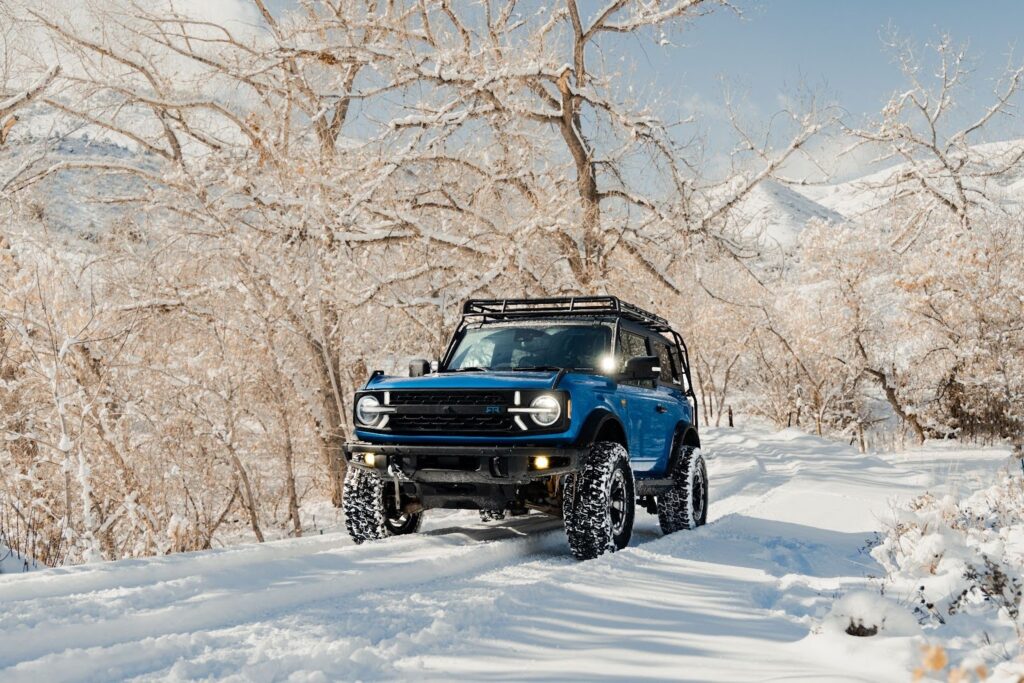
Credit: gobiracks.com
Frequently Asked Questions
What Essential Gear Is Needed For A Jeep Overlanding Rig?
Essential gear includes a roof rack, off-road tires, recovery tools, a portable fridge, and extra fuel storage. These items enhance durability and self-sufficiency during overlanding trips.
How To Choose The Best Tires For Jeep Overlanding?
Select all-terrain or mud-terrain tires with strong sidewalls and good tread depth. These tires provide better traction and durability on diverse terrains.
Can I Build An Overlanding Rig On A Stock Jeep?
Yes, starting with a stock Jeep is possible. Upgrade suspension, add storage solutions, and install recovery gear gradually for overlanding readiness.
How To Organize Storage In A Jeep Overlanding Rig?
Use modular storage systems, roof racks, and drawer units. Proper organization maximizes space and keeps gear accessible during trips.
Conclusion
Building a Jeep overlanding rig takes time and planning. Choose parts that fit your needs and budget. Focus on safety and comfort for long trips. Test your rig before hitting rough trails. Keep learning and improving your setup. Adventure awaits with the right preparation.
Enjoy every mile and stay safe out there.