
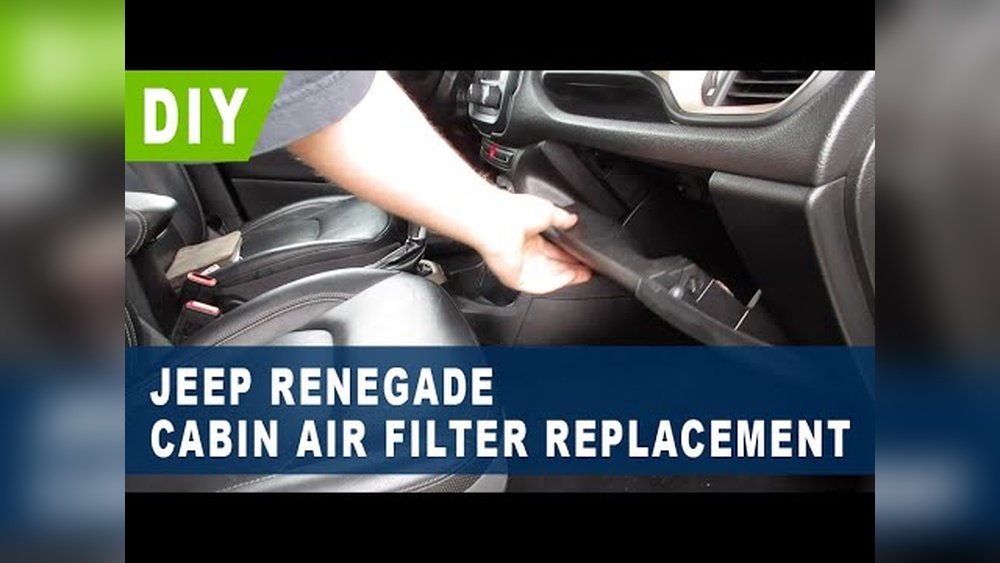
Replacing the cabin filter in your Jeep Renegade is a simple way to keep your car’s air fresh and healthy. Many people ignore this small part, but the cabin filter makes a big difference in air quality and comfort while driving. If you have noticed musty smells, weak airflow from the vents, or more dust inside your vehicle, it is probably time to replace the filter. You do not need to be a mechanic or own special tools to do this job. With a little guidance, you can finish the task in about 20–30 minutes, even if you are new to car maintenance.
This guide will walk you through every step, explain why cabin filters matter, highlight important tips, and show you how to avoid common mistakes. You will also find tables to help you compare filter types, estimate costs, and know the recommended replacement schedule.
By the end, you will feel confident about keeping your Jeep Renegade’s air clean and your driving experience pleasant.
Why The Cabin Filter Matters
The cabin filter is a small but important part of your car’s ventilation system. Its main job is to trap dust, pollen, dirt, and other particles before they enter the cabin through the air vents. This helps protect your lungs, especially if you suffer from allergies or respiratory problems.
A clogged filter can cause:
- Unpleasant smells inside the car
- Weaker airflow from the air conditioning or heater
- Windows that fog up more easily
- More dust and debris inside your car
In some cases, a dirty filter can even make your air conditioning system work harder, which may reduce fuel efficiency and wear out the blower motor faster. Replacing the cabin filter regularly is a simple way to avoid these problems and keep your Jeep comfortable.
How Often To Replace The Cabin Filter
Jeep recommends changing the cabin filter in the Renegade every 15,000 to 20,000 miles, or once per year—whichever comes first. However, if you drive in dusty areas, high-traffic cities, or areas with lots of pollen, you may need to change it more often. If you notice any of the warning signs below, check the filter sooner:
- Musty or dirty smell from air vents
- Reduced airflow
- Increase in allergy symptoms while driving
Here’s a simple table showing the typical replacement intervals:
| Driving Condition | Recommended Interval |
|---|---|
| Normal (mixed city/highway) | 15,000–20,000 miles or 12 months |
| Dusty/urban area | 10,000–15,000 miles or 6–12 months |
| Heavy pollen or pollution | Every 10,000 miles or 6 months |
Types Of Cabin Filters For Jeep Renegade
Not all cabin filters are the same. When you buy a new filter, you’ll find a few main types. Each has its own benefits and cost.
| Filter Type | Main Material | Key Benefit | Typical Price |
|---|---|---|---|
| Standard (Particulate) | Pleated paper or fiber | Removes dust and pollen | $10–$20 |
| Activated Carbon | Paper with carbon layer | Removes odors and gases | $15–$30 |
| HEPA | High-efficiency fiber | Removes very small particles and allergens | $25–$40 |
Most Jeep Renegade owners choose standard or activated carbon filters. HEPA filters offer the best protection, especially for allergy sufferers, but are more expensive and sometimes harder to find for this vehicle.
Tools And Parts You Need
You do not need special tools to replace the cabin filter in a Jeep Renegade. Here’s what you should have ready:
- New cabin air filter (check your owner’s manual for the exact part number)
- Phillips screwdriver (sometimes needed)
- Small flashlight (optional but helpful)
- Clean cloth to wipe dust
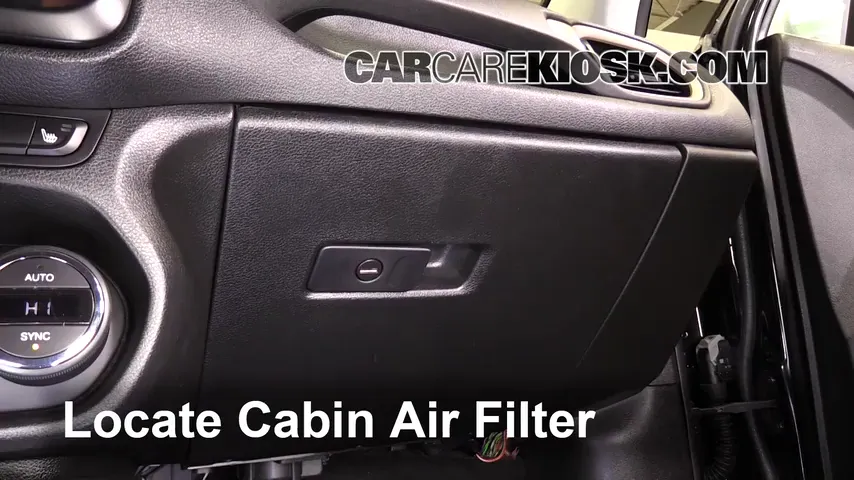
Jeep Renegade models (2015 and newer) usually have the cabin filter behind the glove box. Some models may have plastic tabs or a screw holding the cover in place.

Credit: www.knfilters.com
Step-by-step Guide To Replacing The Cabin Filter
Changing the cabin filter is a simple process, but it’s important to follow each step closely. Here’s how to do it:
1. Prepare Your Jeep
- Park your car on a flat surface.
- Turn off the engine and remove the key.
- Open all doors or windows for airflow.
2. Empty The Glove Box
You need to remove the glove box to reach the cabin filter. Take out all items inside, including manuals and loose papers. This prevents anything from falling or getting in the way.
3. Release The Glove Box
- Open the glove box fully.
- Look for the glove box stops on both sides. These keep it from falling out.
- Gently press in on both sides of the glove box to release the stops. You may hear a soft click.
- Let the glove box swing down and hang freely.
On some models, you may see a small damper cord attached to the side. Unhook it gently if needed.
4. Locate And Open The Cabin Filter Cover
Behind the glove box, you’ll see a rectangular plastic cover. This is where the cabin filter sits.
- Look for a tab or a small screw (use the screwdriver if needed).
- Release the tab or remove the screw.
- Take off the cover and set it aside.
5. Remove The Old Cabin Filter
- Gently pull out the old filter.
- Notice how it’s positioned—airflow direction arrows are usually marked on the side.
- Watch for leaves or dirt that may fall out. Use a clean cloth to wipe away any debris from the filter slot.
6. Install The New Filter
- Check the new filter for airflow arrows. These must face the same way as the old filter (usually downwards, toward the floor).
- Slide the new filter into the slot.
- Make sure it fits snugly and does not bend or fold.
7. Close Everything Up
- Reattach the cabin filter cover and secure the tab or screw.
- Lift the glove box back into position and snap the stops back in place.
- If there’s a damper cord, hook it back on.
8. Test The System
- Turn on the air conditioning or heater.
- Test the airflow and check for any strange noises or resistance.
- Enjoy the fresh, clean air inside your car.
Important Tips And Common Mistakes
Many first-time DIYers miss small but important details when changing their cabin filter. Here are some practical tips to avoid problems:
- Check the airflow arrows: If you install the filter upside down, it won’t work as well. Always match the arrows with the old filter or the markings inside the slot.
- Clean the filter housing: Use a dry cloth or vacuum to remove dust, leaves, and dirt before inserting the new filter.
- Handle the glove box gently: Forcing the glove box can break the stops or damper cord. Always press slowly on both sides.
- Use the correct filter size: Always check your owner’s manual or the old filter for the right part number. A filter that is too small or large can let unfiltered air inside.
- Don’t delay replacement: Waiting too long can lead to clogged filters, musty smells, and even damage to your AC system.
- Wear gloves if you have allergies: Old filters can hold pollen, mold, and dust. Gloves and a mask can help protect you when removing a dirty filter.
Credit: www.carcarekiosk.com
Cost Of Replacing The Cabin Filter
Changing the cabin filter yourself is much cheaper than having it done at a dealership or auto shop. Here’s a cost comparison:
| Replacement Option | Parts Cost | Labor Cost | Total Cost |
|---|---|---|---|
| DIY (do it yourself) | $10–$40 | $0 | $10–$40 |
| Dealership | $20–$50 | $50–$100 | $70–$150 |
| Local Mechanic | $15–$40 | $20–$50 | $35–$90 |
Doing the job yourself saves both time and money. You also avoid waiting for an appointment and can choose the filter type you want.
Signs Your Cabin Filter Needs To Be Replaced
Even if you follow the schedule, sometimes your filter can clog up sooner than expected. Watch for these signs:
- Weak airflow from vents, even at high fan settings
- Strange or musty smells when you turn on the AC or heater
- More dust inside the cabin
- Windows fogging up more easily
- Increase in allergy or asthma symptoms while driving
If you notice these issues, check your filter right away. Replacing it can solve many problems quickly.
Extra Insights Most Beginners Miss
Many people think the cabin filter is just for comfort, but it also protects your car’s HVAC system. A clogged filter makes the blower motor work harder, which can cause it to fail early. Replacing the filter regularly is an easy way to avoid a costly repair.
Another detail: not all filters are made equal. Some cheap filters may fit, but have poor seals or thin material. Spending a little more on a quality filter can make a big difference in how well it works and how long it lasts.
What To Do With The Old Cabin Filter
After removing the old filter, seal it in a plastic bag before throwing it in the trash. This prevents dust and allergens from spreading inside your home or garage. If you see oil, mold, or wet spots on the old filter, it may signal a leak or water problem in your car’s ventilation system.
In that case, have a mechanic check for any issues.
When To Ask For Help
Most Jeep Renegade owners can replace the cabin filter without trouble. However, if the glove box is stuck, the filter cover is hard to reach, or you find signs of mold or water, consider asking a professional mechanic for help.
It’s better to spend a little extra than to risk breaking a part or missing a bigger problem.
Where To Find More Information
If you want more details, check your Jeep Renegade’s owner’s manual. It will show the exact location, part numbers, and steps for your model year. Reliable auto parts stores can also help you find the right filter. For more about cabin air filtration, the Wikipedia article on automotive air filters has useful background.

Credit: www.youtube.com
Frequently Asked Questions
How Do I Know Which Cabin Filter Fits My Jeep Renegade?
Check your owner’s manual or look at the old filter for a part number. Many auto parts stores can also look up the correct filter if you tell them your vehicle’s year and model.
Can I Drive Without A Cabin Filter?
Yes, but it is not a good idea. Without a filter, dust, pollen, and debris can enter your car and damage the air system. It’s best to replace a missing or broken filter as soon as possible.
What Is The Difference Between Cabin And Engine Air Filters?
The cabin filter cleans air that goes inside the car for passengers. The engine air filter cleans air that goes into the engine for combustion. Both are important, but they do different jobs.
Will Changing The Cabin Filter Improve My Air Conditioning?
Yes, if the old filter was clogged. A clean filter lets more air flow through the vents, which can make the AC feel colder and stronger.
Is It Safe To Use A Non-jeep Brand Filter?
Yes, as long as the filter fits your car and meets quality standards. Many aftermarket brands make reliable filters for the Jeep Renegade.
Changing your Jeep Renegade cabin filter is a quick and smart way to keep your car’s air clean and your driving enjoyable. With the right filter and a few simple steps, you can save money and breathe easier on every drive.



