
Many Jeep Renegade owners love their vehicles for the rugged looks and off-road spirit. However, some drivers notice the ride can feel bumpy, stiff, or noisy—especially on city roads or highways. If your Jeep Renegade feels harsh over potholes, too noisy on the highway, or simply not as comfortable as you’d like, you’re not alone.
The good news is, you can make smart changes to improve your driving experience and enjoy every mile.
This guide covers everything you need to know about improving Jeep Renegade ride quality. Whether you want a smoother daily commute or better handling on rough trails, you’ll find practical advice for real results.
Understanding Jeep Renegade Ride Quality
Before making changes, it helps to understand what “ride quality” means for the Renegade. Ride quality is how comfortable, quiet, and controlled a car feels as it drives over different surfaces. Several factors affect this in your Jeep:
- Suspension system
- Tires and wheels
- Cabin noise and insulation
- Seats and interior design
- Steering and alignment
The Renegade is built for adventure, so its stock setup can be stiffer than other compact SUVs. Some trims (like Trailhawk) come ready for off-roading, which usually means firmer springs and tires that can feel bumpy on normal roads.
Upgrade Your Tires For Comfort
One of the easiest ways to improve ride quality is by changing your tires. Many Renegades come with all-terrain or low-profile tires, which are great for trails but less comfortable on pavement.
Choose The Right Tire Type
Switching to touring or all-season tires with softer sidewalls can reduce vibration and make bumps feel smaller. Look for tires with higher “aspect ratios” (taller sidewalls), as they absorb shocks better.
Adjust Tire Pressure
Check your tire pressure regularly. Over-inflated tires make the ride harder, while under-inflated tires can reduce control and fuel economy. For most Renegades, 32-36 psi is a safe range, but always follow the sticker inside your driver’s door.
Compare Tire Types
Here’s a quick comparison of tire types you might consider:
| Tire Type | Ride Comfort | Noise Level | Off-road Ability |
|---|---|---|---|
| All-Terrain | Medium | High | Excellent |
| All-Season Touring | High | Low | Fair |
| Performance | Medium | Medium | Poor |
Switching to all-season touring tires is often the fastest way to get a smoother, quieter ride.
Credit: www.modernperformance.com
Upgrade Suspension Components
Your suspension system has the biggest impact on comfort. The Renegade uses struts and shock absorbers to keep the ride stable, but these factory parts are tuned for a mix of road and trail. You can upgrade these parts for more comfort.
Replace Worn Shocks And Struts
Old shocks lose their damping power and make the ride bouncy or harsh. If your Renegade has over 50,000 miles, consider replacing shocks and struts with premium aftermarket options designed for comfort.
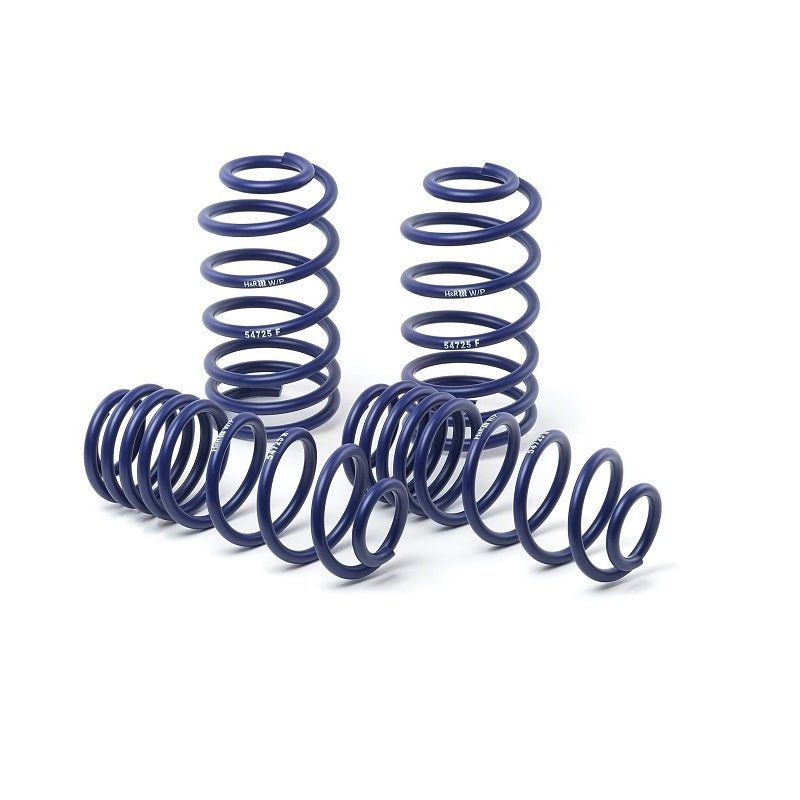
Install Softer Springs
Some owners swap stock springs for progressive-rate or comfort springs. These springs are softer for small bumps but stiffen up for big impacts, giving you the best of both worlds.
Add Suspension Spacers Carefully
Some people add spacers to increase ground clearance. If you do this, choose quality parts and get a proper alignment. Cheap spacers can ruin ride quality and handling.
Suspension Options Comparison
| Option | Ride Comfort | Cost | Impact on Handling |
|---|---|---|---|
| OEM Replacement | Standard | $$ | Standard |
| Aftermarket Comfort Struts | High | $$$ | Improved |
| Lift Kits | Medium | $$$ | Varies |
Soundproof The Cabin
Road noise and wind can make a car feel rough, even if the suspension is perfect. The Renegade’s boxy design is fun, but it can make the cabin a little noisier than other SUVs. Here’s how you can make things quieter:
Use Sound Deadening Materials
Adding sound deadening mats under the carpet and inside the doors can lower road noise by 20–40%. Brands like Dynamat or Noico are popular and easy to install if you’re handy.
Seal Door Gaps And Windows
Check the weather stripping around your doors and windows. If it’s worn, replace it. This small step can block wind noise and keep the cabin more peaceful.
Upgrade Floor Mats
Thicker, multi-layer floor mats not only keep your Jeep clean but also absorb vibrations from the road.
Upgrade Or Adjust Your Seats
Seats play a bigger role in comfort than most people realize. The Renegade’s factory seats are supportive, but not everyone finds them soft enough for long trips.
Use Seat Cushions
Adding a gel or memory foam cushion can change your comfort level instantly. Look for cushions with good support for your lower back and thighs.
Reupholster Or Upgrade Seats
If you’re willing to invest, consider reupholstering your seats with better padding or even swapping for higher-trim seats with more adjustments.
Adjust Seat Position
A small change in seat angle, height, or distance from the pedals can reduce fatigue and make bumps feel less harsh. Take time to find your ideal position.
Keep Steering And Alignment In Top Shape
A shaky or wandering steering wheel makes any ride feel worse. Proper alignment and steering maintenance is critical for ride quality.
Get A Professional Alignment
If your Jeep pulls to one side or the steering feels off, get a four-wheel alignment. Proper alignment ensures all wheels point straight, reducing vibration and uneven tire wear.
Balance And Rotate Tires
Unbalanced tires cause vibration, especially at highway speeds. Ask for a tire balance and rotation every 6,000–8,000 miles.
Check For Worn Steering Parts
Tie rods, ball joints, and bushings wear out over time. Have a mechanic check these if you hear clunks or feel looseness in the steering.
Add Practical Comfort Accessories
Sometimes, small details make a big difference in how your Jeep feels. Consider these comfort-boosting accessories:
- Steering wheel covers: Softer material can reduce hand fatigue.
- Seatbelt pads: Make long drives more pleasant.
- Sunshades: Keep the cabin cooler and reduce dashboard glare.
- Window deflectors: Lower windows without wind buffeting.
- Cargo organizers: Prevent items from rolling and making noise.
Don’t Overload Your Jeep
Extra weight makes the suspension work harder. If you often carry heavy gear or passengers, your Renegade may feel stiffer and bounce more over bumps. Remove unnecessary items from the trunk and back seats. For long trips, distribute heavy loads evenly.
Choose The Right Driving Mode
Some Renegade models have drive mode selectors (Auto, Snow, Sand, Mud). “Auto” mode is usually the most comfortable for city and highway driving, as it balances power and traction. Using “4WD Lock” or off-road modes on pavement can make the ride rougher and increase tire wear.
Regular Maintenance Matters
Never underestimate the power of good maintenance:
- Change your shocks and struts every 50,000–70,000 miles or as needed.
- Replace cabin air filters to keep dust and pollen down.
- Keep tires properly inflated and replace them before they get too old or hard.
- Lubricate all hinges and moving parts to stop squeaks and rattles.
Regular care keeps your Jeep feeling fresh and comfortable for years.

Credit: www.bradencdjr.com
Common Mistakes To Avoid
Many Renegade owners try to improve ride quality but accidentally make things worse. Here are mistakes to avoid:
- Oversized wheels: Larger wheels with thin tires look cool but make the ride much harsher.
- Cheap lift kits: Poor-quality lift kits can ruin handling and comfort.
- Ignoring tire pressure: Even small changes in pressure can make a big difference.
- Heavy off-road tires for city driving: These are noisy and stiff on pavement.
- Skipping alignments: Bad alignment leads to vibration and uneven tire wear.
Real-world Example: What Worked For Jeep Renegade Owners
Many drivers report that simply switching to high-quality touring tires and replacing worn shock absorbers made a dramatic difference. One owner replaced all four tires with Michelin CrossClimate 2s and installed Bilstein comfort shocks. The result? Quieter highway drives and fewer complaints from passengers about bumps.
Another driver added sound deadening mats to the floor and doors, which reduced noise by about 30%. These simple upgrades made the Renegade feel more like a premium SUV, especially on long road trips.
Cost Breakdown: Improving Ride Quality
You may wonder how much it costs to make these changes. Here’s an estimated breakdown:
| Upgrade | Estimated Cost | DIY or Professional |
|---|---|---|
| Touring Tires (4) | $450–$750 | Professional |
| Premium Shocks/Struts | $600–$1,200 | Professional |
| Sound Deadening Mats | $150–$300 | DIY/Professional |
| Seat Cushions | $40–$100 | DIY |
| Wheel Alignment | $80–$150 | Professional |
Prices can vary by location and Jeep model year.
Non-obvious Insights Most Beginners Miss
One thing many new owners don’t realize: ride quality is not just about suspension. Cabin noise and seat comfort are just as important. Even a perfect suspension feels rough if the seats are too hard or the cabin is noisy.
Another common oversight: tire age matters as much as tread. Old tires, even with good tread, become hard and lose flexibility. This makes every bump feel sharper. Always check the tire manufacture date—replace tires older than six years, no matter the tread.
Credit: www.motor1.com
When To See A Mechanic
If you’ve tried these upgrades and still feel too many bumps, or if you hear odd noises, it’s best to have a mechanic inspect your Jeep. Issues like bent wheels, worn bushings, or damaged struts need professional care.
Frequently Asked Questions
What Is The Best Tire Pressure For Jeep Renegade Ride Comfort?
Most Jeep Renegades feel best at 32–34 psi for all-season tires. Always check the sticker on your driver’s door for the exact number for your model. Keeping tire pressure in the correct range improves comfort, control, and tire life.
Can I Use Larger Wheels For Better Ride Quality?
Larger wheels with low-profile tires usually make the ride harsher, not smoother. For better comfort, stick with the original wheel size and use tires with a higher sidewall.
How Often Should I Replace Shocks And Struts?
Replace shocks and struts every 50,000–70,000 miles, or sooner if you feel bouncing, hear clunks, or notice uneven tire wear. Good shocks are essential for smooth, safe driving.
Does Sound Deadening Really Make A Difference In Comfort?
Yes, adding sound deadening material can lower road noise by 20–40%. This makes the cabin quieter, which helps your Jeep feel more comfortable and less tiring on long drives.
Where Can I Find More Details About Jeep Renegade Upgrades?
For more technical information, visit the official Jeep Renegade page or join owner forums where drivers share upgrade experiences.
Investing in a few smart upgrades can transform your Jeep Renegade into a more comfortable, enjoyable ride. Focus on the areas that matter most to you—tires, suspension, noise, and seats—and you’ll notice a big difference, whether driving across town or heading out on your next adventure.