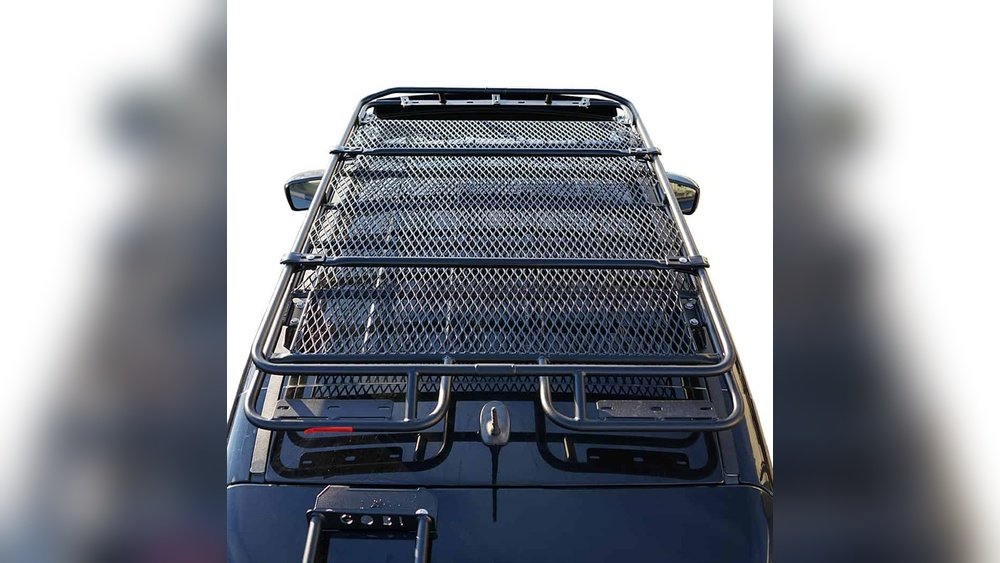
Parking your Jeep Renegade under an open sky often means you wish you could carry more—bikes, kayaks, luggage for a long trip. That’s when a roof rack makes life easier. Installing a roof rack on your Jeep Renegade isn’t difficult, but you need the right approach, tools, and a bit of patience. This guide will walk you through the whole process, from picking the best rack to tightening the last bolt, so you can hit the road with confidence.
Why Add A Roof Rack To Your Jeep Renegade?
A roof rack is more than just an extra accessory. For many Renegade owners, it unlocks new possibilities:
- Carry large items like bikes, skis, or cargo boxes.
- Free up space inside the car for passengers.
- Prepare for camping, sports, or long road trips.
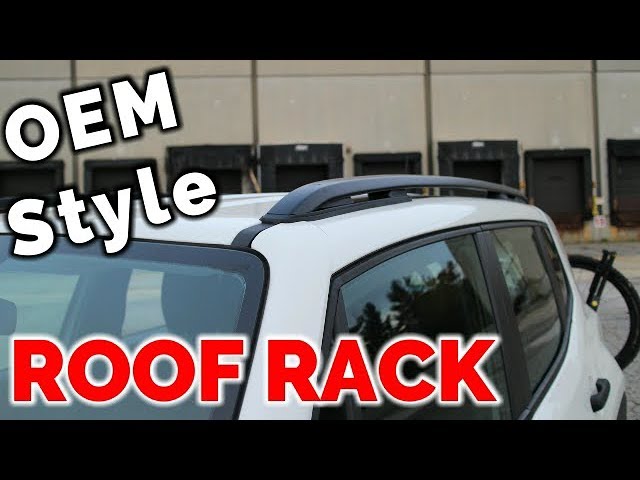
If you have the Trailhawk or Latitude edition, your Jeep might already have roof rails. If not, you’ll need to install them first. But even with factory rails, adding crossbars or specialized racks is a must for most gear.
Choosing The Right Roof Rack For Jeep Renegade
Picking the best roof rack means looking at more than just price. Here’s what matters:
Factory Rails Vs. Aftermarket
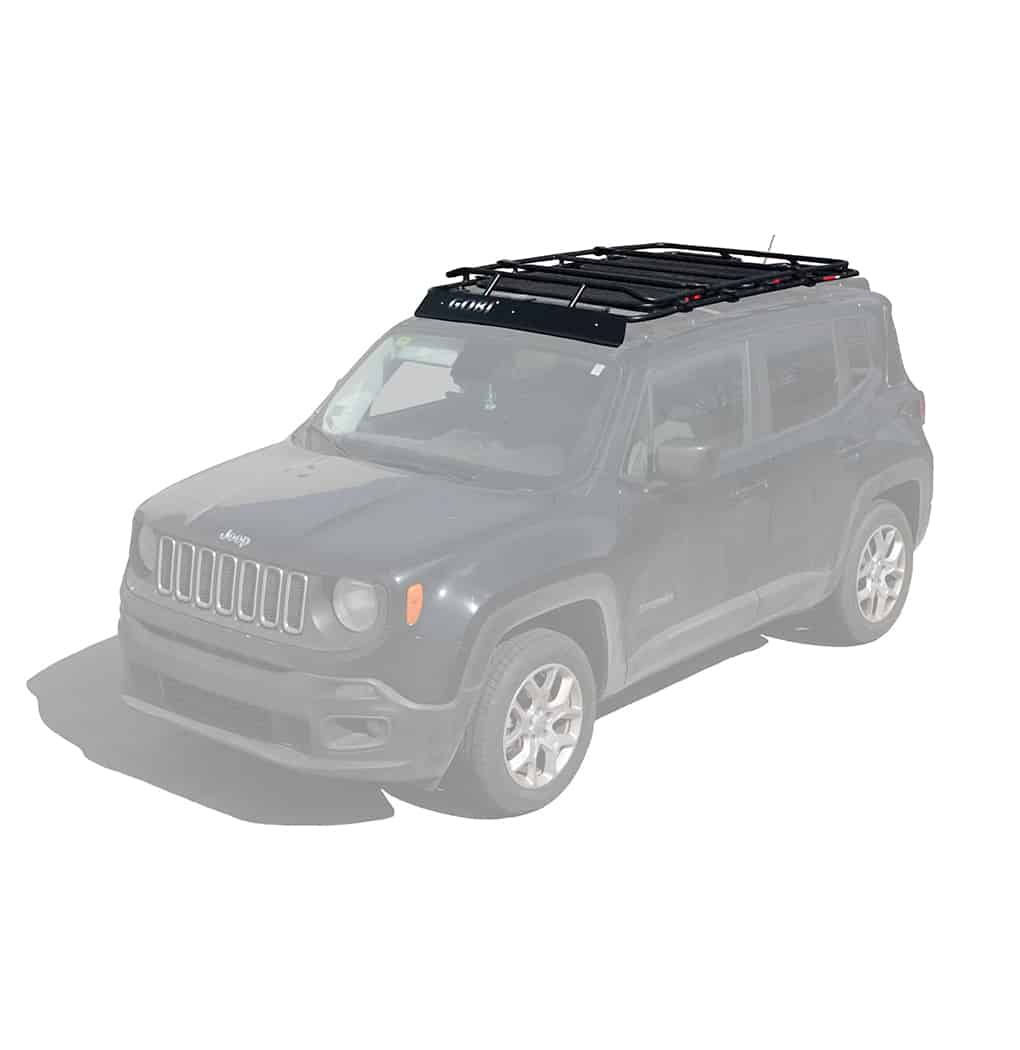
Jeep Renegades come in different trims—some have factory-installed roof rails, others don’t. If yours lacks rails, you’ll need a system that attaches directly to the roof.
Weight Capacity
Check your owner’s manual for your roof’s maximum weight. Most Renegades can handle 110-150 pounds (50-68 kg) on the roof, including the rack itself. Overloading can damage your car or even cause accidents.
Rack Types
You’ll find three main types:
- Crossbars: These run left to right and let you attach cargo boxes, bike racks, or kayak mounts.
- Platform racks: Offer a flat surface for odd-shaped gear.
- Specialty racks: Designed for bikes, canoes, or skis.
Compatibility
Not all racks fit every Renegade model. Check product details for compatibility with your year and trim.
Materials
Aluminum racks are lightweight and rust-resistant. Steel racks are stronger but heavier and can rust if the paint is chipped.
Cost
Roof racks range from $120 (basic crossbars) to $600+ (premium platforms or special attachments). Always balance cost with safety and fit.
Here’s a quick comparison of popular rack materials:
| Material | Weight | Durability | Cost | Rust Resistance |
|---|---|---|---|---|
| Aluminum | Light | High | $$ | Excellent |
| Steel | Heavy | Very High | $ | Good (if coated) |
| Plastic/Composite | Very Light | Medium | $ | Excellent |
What You’ll Need For Installation
Before you start, gather these tools and materials:
- Roof rack kit (crossbars or platform, with all screws and brackets)
- Socket wrench (commonly 10mm or 13mm)
- Screwdriver (Phillips and flathead)
- Measuring tape
- Step ladder or sturdy stool
- Protective gloves (optional, but helps avoid scratches)
- Torque wrench (for proper tightening)
- Masking tape (to mark positions)
Some racks include their own hex keys or wrenches. Double-check your kit before starting.
Step-by-step: Installing A Roof Rack On Jeep Renegade
The process varies slightly depending on your Jeep’s setup. This section covers both scenarios—models with factory rails and those without.
For Renegades With Factory Roof Rails
Most Renegades with rails need only crossbars. Here’s how to fit them:
1. Unpack And Identify Parts
Lay out all parts. Check the instruction manual for your crossbar kit. Most kits have a front and rear bar (these are often different lengths).
2. Clean The Rails
Wipe the rails with a clean cloth. Dirt can cause scratches or make the brackets slip.
3. Position The Crossbars
Place the front bar near the front of the roof rails, usually above or just behind the front doors. The rear bar goes near the back doors. Measure the distance between bars as recommended (often 24-30 inches apart).
4. Attach The Mounting Brackets
Most crossbars use clamps that fit around the factory rails. Slide the brackets into position, then hand-tighten them.
5. Adjust Alignment
Use your measuring tape to ensure both bars are straight and parallel. Uneven bars can cause noise or loosen over time.
6. Tighten Bolts
Use the socket wrench or supplied tool to tighten all bolts. Do not overtighten—refer to the manual for torque settings. Over-tightening can crush the rails.
7. Check Stability
Wiggle the bars. They should feel solid and not move. If they shift, retighten.
8. Install End Caps Or Covers
Some models include covers to hide bolts. Snap these into place for a finished look.
For Renegades Without Factory Rails
This method is more involved and may require drilling (though some kits use special clamps):
1. Mark Attachment Points
Use the kit’s template or measure as directed. Mark the roof with masking tape for precise placement.
2. Install Brackets
If drilling is needed, follow instructions carefully. Apply rust-proof paint to holes before inserting bolts. If no drilling, use the provided clamps that fit into the door frame.
3. Fit The Roof Rails
Attach the rails to the brackets. Double-check alignment.
4. Secure With Screws Or Bolts
Tighten as directed. Use a torque wrench to avoid over-tightening.
5. Install Crossbars
Follow the same steps as above for attaching crossbars.
6. Test For Leaks
After installation, run water over the roof. Check inside for leaks around the mounting points. If water enters, re-seal and tighten as needed.

Credit: www.youtube.com
Tips For A Smooth Roof Rack Installation
- Read the instructions fully before starting. Each kit is a bit different.
- Protect your paint. Place a towel or masking tape under tools and brackets during install.
- Ask for help. Crossbars can be awkward to balance alone.
- Don’t rush. Take time to measure and align properly.
- Keep leftover parts. Sometimes kits include adapters for other vehicles—don’t throw them out until you’re sure you’re done.
Common Mistakes And How To Avoid Them
Many new installers run into simple issues. Here’s how to sidestep them:
- Skipping the weight check: Loading more than your roof can handle can cause dents or even breakage. Always check your manual.
- Uneven bar placement: If the bars aren’t parallel, gear can slip or create wind noise.
- Loose bolts: These can work free over time, risking loss of your rack or cargo.
- Ignoring torque specs: Over-tightening can crush your rails or strip threads.
- Wrong crossbar direction: Some crossbars are aerodynamic and must face a certain way. Look for arrows or labels.
- Missing end caps: These keep water and dirt out of the bars.
Roof Rack Maintenance
A roof rack is low-maintenance, but a little care extends its life:
- Check tightness every few months, especially after long trips.
- Clean the rack with soap and water when washing your car.
- Inspect for rust or paint damage, especially if you use steel racks.
- Lubricate locks or moving parts with silicone spray.
- Remove when not in use to save fuel and reduce wind noise (if you only need it occasionally).
Loading And Using Your Roof Rack Safely
A rack is only as safe as its load. Here’s how to use yours correctly:
- Distribute weight evenly. Keep heavier items low and toward the center.
- Tie down gear with proper straps. Avoid bungee cords—they can stretch and snap.
- Do not exceed speed limits for loaded roofs (often 70 mph/110 km/h max).
- Watch for height restrictions in garages and car parks.
- Check load regularly on long drives.
Take a look at the difference between common roof rack accessories:
| Accessory | Purpose | Max Load (lbs) | Best for |
|---|---|---|---|
| Cargo Box | Enclosed storage | 110 | Luggage, camping gear |
| Bike Mount | Holds bikes upright | 40 (per bike) | Mountain/road bikes |
| Kayak Carrier | Secures watercraft | 75 | Kayaks, canoes |
| Ski/Snowboard Rack | Clamps skis/boards | 60 | Winter sports gear |
Credit: gobiracks.com
Real-world Example: Jeep Renegade Adventure Setup
Imagine you’re planning a camping trip. You want to carry a rooftop cargo box and two bikes. Here’s how you’d do it:
- Install aluminum crossbars to the factory rails.
- Mount a 15-cubic-foot cargo box in the center, using the supplied brackets.
- Attach bike mounts on either side, ensuring no part blocks the rear hatch.
- Load gear, checking that total weight is under 130 pounds (well below the roof’s limit).
- Secure all items with straps, and do a quick drive to check for wind noise or shifting.
This setup keeps your gear safe, your Jeep ready for adventure, and your cargo legal and secure.
Two Key Insights Beginners Often Miss
First, height clearance is a real issue. Even a low-profile rack adds several inches (often 4-8″) to your Jeep. Many people forget this and hit parking garage beams or carports—always measure before you go.
Second, roof racks impact fuel economy. Tests show that even empty racks can decrease MPG by 2-5%. Heavy or bulky gear (like cargo boxes) can worsen this. If you don’t need the rack, remove it to save money and reduce noise.
Credit: www.youtube.com
When To Seek Professional Help
If your rack installation requires drilling, or you’re not confident with tools, professional installation is a smart choice. Many auto shops or Jeep dealers offer this service. It may cost $50-$150 extra, but you’ll avoid leaks, damage, or safety risks.
For warranty reasons, some owners also prefer dealer installation.
Where To Find More Information
For the latest Jeep Renegade specs and roof rack options, check the official Jeep USA website. They list compatible racks, accessories, and official guidance.
Frequently Asked Questions
How Much Weight Can A Jeep Renegade Roof Rack Carry?
Most Jeep Renegade models can carry between 110 and 150 pounds (50-68 kg) on the roof, including the rack itself. Always check your owner’s manual for your specific limit and remember that the rack’s own weight counts toward the total.
Can I Install A Roof Rack Without Factory Rails?
Yes, several aftermarket kits allow you to install rails and racks on Renegades without factory rails. Some systems use clamps in the door frame, while others require drilling. Make sure your chosen kit is compatible with your Renegade’s year and model.
Does A Roof Rack Affect Fuel Economy?
Yes, even an empty roof rack can reduce your fuel economy by 2-5%. Loaded racks or cargo boxes can reduce it even more due to increased wind resistance. Removing the rack when not in use helps save fuel.
What Tools Do I Need To Install A Roof Rack?
The basic tools are a socket wrench, screwdriver, measuring tape, and possibly a torque wrench. Some kits include all needed tools, but check before you start. For installations requiring drilling, you’ll need a drill and rust-proof paint.
Are Roof Racks Noisy?
Some wind noise is normal, especially at higher speeds. Aerodynamic crossbars and proper installation can reduce noise. Removing the rack when not needed is the quietest solution.
Adding a roof rack to your Jeep Renegade is a smart way to expand your car’s usefulness. With careful planning and the right tools, you’ll be ready for every adventure—no matter what you want to carry.