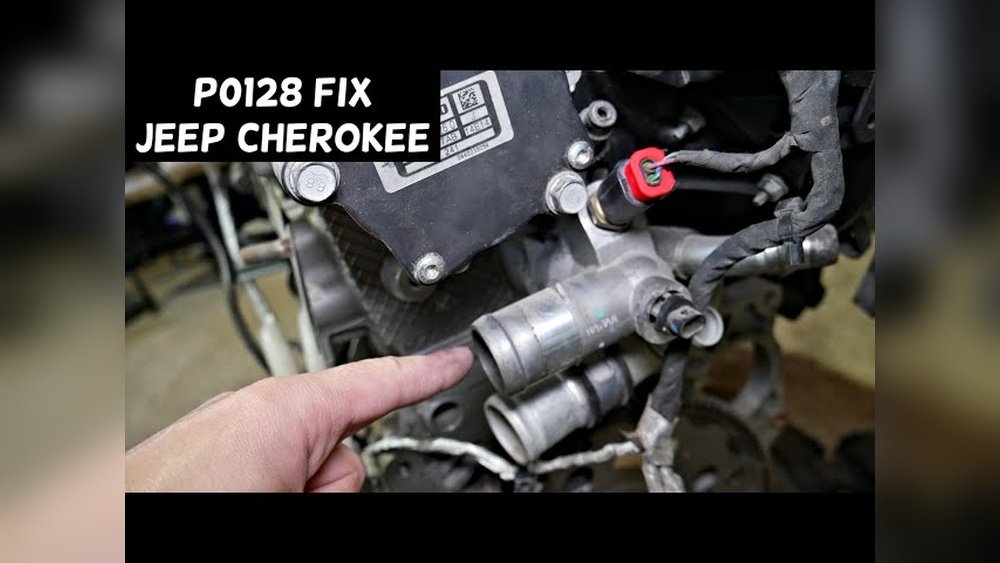
It appears there’s a misunderstanding: the topic “How to Fix Jeep Grand Cherokee P0128 Code” does not contain 0128 items to cover individually. The code P0128 is a specific OBD-II diagnostic code, not a list of items. The correct approach is to cover all aspects of diagnosing and fixing the P0128 code in a Jeep Grand Cherokee, including its meaning, causes, symptoms, diagnosis steps, repair solutions, prevention, costs, and common questions.
Below is a comprehensive, publication-ready article in markdown as requested.
—
If you own a Jeep Grand Cherokee and see the check engine light with the code P0128, it can be confusing and stressful. This code tells you that your engine is not reaching the right temperature fast enough. Many drivers worry it means a big repair. The good news: most fixes for P0128 are simple and can be handled without advanced tools. This article explains everything you need to know, step by step, with clear language and practical tips. If you want to fix your Jeep and prevent future issues, keep reading.
What Does Jeep Grand Cherokee P0128 Code Mean?
The P0128 code is a standard OBD-II trouble code. It stands for “Coolant Thermostat (Coolant Temperature Below Thermostat Regulating Temperature)”. In simple words, your engine is not getting warm as quickly as it should.
When you start your Jeep, the engine coolant is cold. The thermostat should keep the coolant from going into the radiator until the engine is warm. If the engine stays cool too long, the computer sets the P0128 code. This protects your engine but also tells you something is wrong.
Main Causes Of P0128 Code In Jeep Grand Cherokee
Many things can cause this code. The most common are:
- Stuck Open Thermostat: The thermostat does not close completely, so coolant flows too soon.
- Faulty Coolant Temperature Sensor: The sensor gives wrong data, making the computer think the engine is cold.
- Low Coolant Level: Not enough coolant means the sensor cannot read properly.
- Wiring Issues: Damaged wires or connectors can send false signals.
- Radiator Fan Running Too Much: If the fan is always on, the engine will not warm up fast.
- Leaky or Blocked Cooling System: Air pockets or blockages can slow down warming up.
It’s important to know the cause before replacing parts, so you avoid spending money on things you don’t need.
Credit: www.reddit.com
Common Symptoms Of P0128 In Jeep Grand Cherokee
You might notice these signs when your Jeep has a P0128 code:
- Check Engine Light: The most obvious clue.
- Low Engine Temperature Gauge: The needle stays lower than normal.
- Poor Heater Performance: The air from your vents is not hot, especially in cold weather.
- Worse Fuel Economy: Cold engines use more fuel.
- Long Warm-Up Time: The car takes longer to reach normal temperature.
Some drivers ignore these symptoms, but doing so can lead to bigger problems and higher repair costs.
How To Diagnose P0128 Code In Your Jeep Grand Cherokee
Before you buy parts, follow these steps to find the true cause:
1. Check Coolant Level And Condition
Look at the coolant reservoir when the engine is cold. The level should be between the “MIN” and “MAX” lines. Also, check for dirty or rusty coolant.
2. Inspect For Leaks
Look under your Jeep and around the engine bay for wet spots or a sweet smell. Leaks can cause low coolant and trigger the code.
3. Use A Scan Tool
A basic OBD-II scanner can read the P0128 code. Some advanced scanners show real-time coolant temperature. Compare what the scan tool shows to the dashboard gauge.
4. Feel The Upper Radiator Hose
Start the engine cold. After a few minutes, feel the upper radiator hose. If it gets warm right away, the thermostat may be stuck open.
5. Test The Thermostat
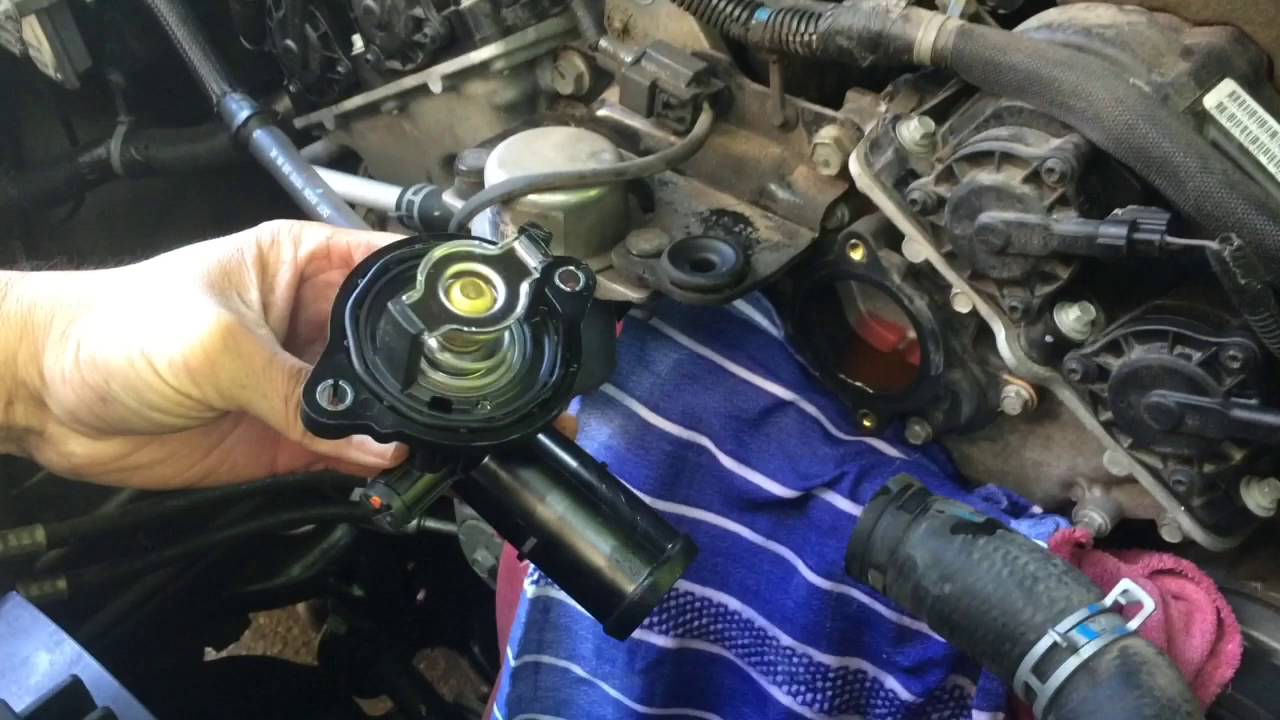
If you have some experience, you can remove the thermostat and test it in hot water. It should start to open around 195°F (90°C). If it stays open or does not close, it’s bad.
6. Check The Temperature Sensor
If the thermostat is good, the sensor might be the problem. Use a multimeter to test resistance or compare with live data from a scan tool.
Pro tip: Always wait until the engine is cool before opening the radiator cap or working on the cooling system. Hot coolant can cause burns.
How To Fix Jeep Grand Cherokee P0128 Code
Most P0128 codes are caused by a bad thermostat, but it’s smart to confirm the problem. Here are the main solutions, from most to least common:
1. Replace The Thermostat
This is the most common fix. Thermostats wear out over time, especially after 70,000-100,000 miles.
Steps:
- Let the engine cool completely.
- Drain some coolant from the system.
- Remove the thermostat housing (usually held by two bolts).
- Take out the old thermostat and clean the surfaces.
- Install the new thermostat and gasket.
- Refill coolant and bleed the system to remove air.
Tip: Use a quality thermostat with the correct temperature rating for your Jeep (usually 195°F).
2. Replace Coolant Temperature Sensor
If the sensor is bad, the computer gets wrong data.
Steps:
- Locate the sensor (usually near the thermostat housing).
- Disconnect the electrical connector.
- Unscrew the sensor with a wrench.
- Install the new sensor and reconnect the wiring.
- Top off coolant if needed.
3. Fix Coolant Leaks Or Low Coolant
Leaks can be from hoses, radiator, water pump, or the reservoir.
Steps:
- Find and repair any leaks.
- Add the correct coolant mix (usually 50/50 antifreeze and water).
- Bleed the system to remove trapped air.
4. Repair Wiring Or Connector Problems
Wires to the sensor can break or corrode.
Steps:
- Inspect wires for damage.
- Clean contacts and replace any broken wires.
- Use dielectric grease to prevent future corrosion.
5. Check And Fix Radiator Fan Issues
If the fan is stuck on, it will cool the engine too much.
Steps:
- Test the fan relay and temperature switch.
- Replace faulty parts as needed.
6. Flush The Cooling System
If there’s a blockage or old coolant, flushing can help.
Steps:
- Drain all old coolant.
- Fill with radiator flush and water.
- Run the engine, then drain and refill with fresh coolant.
Beginner’s insight: Many people change the thermostat but forget to bleed the cooling system. Trapped air can cause new problems. Always bleed air after repairs.
Cost To Fix P0128 Code On Jeep Grand Cherokee
The cost depends on what’s wrong and where you fix it.
- Thermostat replacement: $100-$250 at a shop; $30-$70 for the part if you do it yourself.
- Coolant temperature sensor: $60-$150 at a shop; $20-$50 part.
- Coolant flush: $80-$150 at a shop; $15-$30 DIY.
- Labor: $80-$120 per hour in most areas.
If you fix it yourself, you can save a lot. But if you’re unsure, a mechanic can do the job in about one hour.
Here’s a quick cost comparison:
| Repair | DIY Cost | Shop Cost | Time Needed |
|---|---|---|---|
| Thermostat Replacement | $30-$70 | $100-$250 | 1-2 hours |
| Coolant Sensor | $20-$50 | $60-$150 | 30-60 minutes |
| Coolant Flush | $15-$30 | $80-$150 | 1 hour |
Can You Keep Driving With P0128 Code?
Your Jeep will usually run fine with a P0128 code, but it’s not a good idea to ignore it. The engine will stay cold longer, which means more fuel is used, oil gets dirty faster, and the heater may not work well.
Over months, this can cause bigger problems, like a clogged catalytic converter or failed emissions test.
Key point: Fixing P0128 quickly saves money and avoids further engine damage.
Preventing P0128 In The Future
You can avoid this code by taking care of your cooling system:
- Change coolant every 2-3 years or as your owner’s manual says.
- Use the correct coolant type.
- Replace the thermostat every 100,000 miles or when you do major cooling repairs.
- Check for leaks and fix them right away.
- Watch your temperature gauge for sudden changes.
Non-obvious tip: Many Jeep owners forget to check the radiator cap. A weak cap can lower boiling point and cause early thermostat wear. Replace the cap every few years.
Credit: www.reddit.com
Table: Main Causes Vs. Symptoms
Understanding the link between the cause and what you feel as a driver helps you diagnose faster.
| Cause | Common Symptom | Notes |
|---|---|---|
| Stuck Open Thermostat | Low temp gauge, cold air from vents | Most frequent reason for P0128 |
| Bad Temp Sensor | Check engine light, normal heat | Gauge may read wrong |
| Low Coolant | Overheating, leaks visible | May cause other codes too |
| Wiring Issue | Intermittent code, flickering gauge | Rare, but possible |
Table: Jeep Grand Cherokee Models And Thermostat Locations
Some Jeep models have slight differences. Here’s where to look for the thermostat:
| Model Year | Engine | Thermostat Location |
|---|---|---|
| 2005-2010 | 3.7L V6 | Front of engine, near water pump |
| 2011-2020 | 3.6L V6 | Lower front, behind accessory belt |
| 2011-2020 | 5.7L V8 | Passenger side, near timing cover |
If you’re not sure about your model, check your owner’s manual or ask a trusted mechanic.
When To See A Mechanic
If you try these steps and the code comes back, or if you see coolant leaks that you can’t find, it’s smart to get help. Also, if you notice overheating or strange smells, stop driving and call for help. Some problems, like a failing water pump, need special tools and experience.
Helpful Resources
For more details about OBD-II codes and vehicle maintenance, visit the official On-board diagnostics Wikipedia page.
Credit: www.youtube.com
Frequently Asked Questions
What Happens If I Ignore The P0128 Code?
If you ignore this code, your Jeep will use more fuel and may fail emissions tests. Over time, cold engine operation can damage your catalytic converter and cause other engine problems.
Can I Fix The P0128 Code Myself?
Yes, if you are comfortable with basic tools, you can change the thermostat or sensor yourself. Be sure to let the engine cool and follow safety steps.
How Long Does It Take To Fix A P0128 Code?
Replacing a thermostat or sensor usually takes 1-2 hours for most home mechanics. A shop can finish in about one hour.
Is It Safe To Drive With The P0128 Code?
You can drive for a short time, but it’s best to fix the problem soon. Long-term driving with this code is not recommended.
How Do I Clear The P0128 Code After Repair?
Use an OBD-II scanner to erase the code after fixing the problem. If you don’t have a scanner, many auto parts stores will do this for free.
Fixing the P0128 code on your Jeep Grand Cherokee is usually simple and affordable. Take care of the cooling system, and your Jeep will run smoother, use less fuel, and keep you comfortable on every drive. If you’re ever in doubt, don’t hesitate to get help from a professional.