
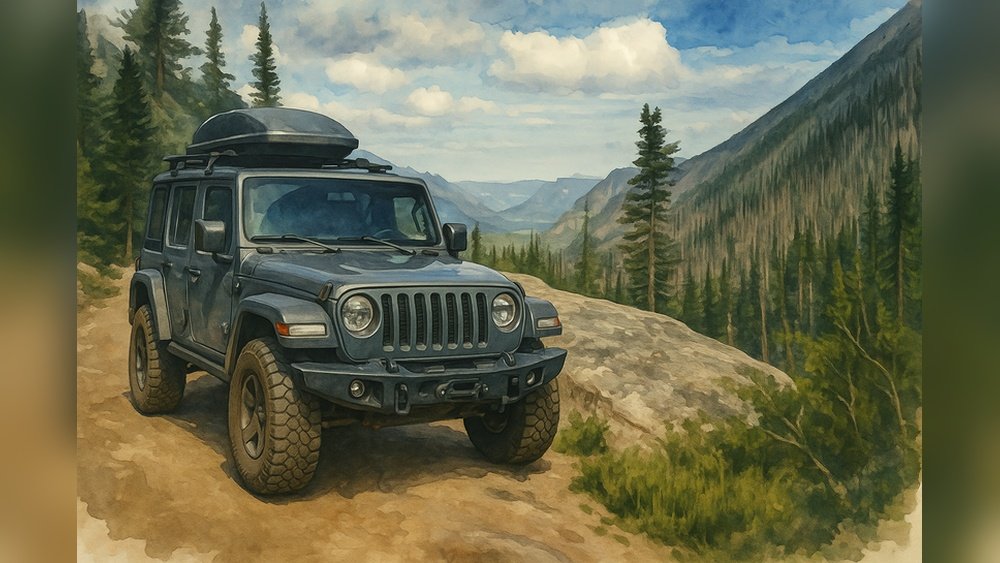
When you take your Jeep off the beaten path, unexpected situations can arise fast. Are you truly ready if your vehicle breaks down or you get stuck in the middle of nowhere?
Knowing exactly what to carry in your Jeep for trail emergencies can make all the difference between a minor inconvenience and a dangerous ordeal. You’ll discover the essential items that can keep you safe, help you get back on track, and give you peace of mind during your adventure.
Keep reading—your next trail trip depends on it.

Credit: www.bobhowardcjd.com
Essential Safety Gear
Carrying essential safety gear in your Jeep is a must for any trail adventure. It helps you handle unexpected problems quickly and stay safe. The right gear can make a big difference in emergencies.
Prepare for minor injuries, signal for help, and protect yourself from harsh weather. These items keep you ready for common trail risks.
First Aid Kit Basics
A first aid kit is vital on every trip. Include bandages, antiseptic wipes, and adhesive tape. Pack pain relievers and allergy medicine too. Add scissors, tweezers, and gloves for safety. Check your kit before each trip to ensure everything is fresh and complete.
Emergency Signaling Devices
Signaling devices help rescuers find you fast. Carry a whistle and a mirror for catching attention. A flashlight with extra batteries is essential for night signals. Consider a bright-colored flag or a flare for visibility. These tools increase your chances of quick rescue.
Protective Clothing
Wear clothes that protect against sun, rain, and cold. Pack a waterproof jacket and sturdy boots. Gloves and a hat shield your hands and head. Layer your clothing to adjust to changing weather. Proper clothing prevents injuries and keeps you comfortable.

Credit: www.superiormazda.com
Navigation Tools
Navigation tools are essential for safe trail driving in a Jeep. They help you find the right path and avoid getting lost. Good navigation tools can guide you through rough and unfamiliar terrain. Always carry reliable navigation devices and materials for emergencies.
Gps Devices
GPS devices give real-time location information. They work well even in remote areas without cell service. Many GPS units have detailed maps for off-road trails. Some devices also show elevation and track your route. Carry extra batteries or a power bank for longer trips.
Maps And Compass
Paper maps are a good backup for electronic devices. They show large areas and important landmarks. A compass helps you find direction without power or signal. Learning to use a map and compass is useful. Keep them in a waterproof case to protect from weather.
Tracking Apps
Tracking apps on smartphones can record your trail and location. They send your position to friends or family for safety. Some apps work offline after downloading maps. Make sure your phone is fully charged before starting. Carry a portable charger to keep apps running longer.
Vehicle Recovery Equipment
Vehicle recovery equipment is essential for any Jeep adventure on rough trails. It helps you get out of tough spots safely. Carrying the right tools prepares you for mud, sand, or rocky terrain. Knowing how to use these items can save time and stress.
Tow Straps And Shackles
Tow straps pull your Jeep out of mud or snow. Choose strong straps with high weight limits. Shackles connect straps to your vehicle securely. Use bow or D-shackles for safe attachment. Never use regular ropes; they can snap.
Hi-lift Jack
A Hi-Lift jack lifts your Jeep to change tires or clear obstacles. It works well on uneven ground. Make sure to practice using it before your trip. Carry a base plate to prevent sinking in soft soil. This jack is versatile and reliable for off-road recovery.
Traction Boards
Traction boards provide grip when tires spin on loose surfaces. Place them under the wheels to gain traction. They are lightweight and easy to carry. Useful in sand, mud, or snow. Traction boards help you drive out without digging or towing.
Survival Supplies
Survival supplies are the heart of any trail emergency kit. They keep you safe and help you handle unexpected situations. Preparing these essentials in your Jeep can make a big difference in tough moments.
These supplies focus on basic human needs: water, food, and fire. Each plays a key role in surviving in the wild. Carrying the right items ensures you stay hydrated, nourished, and warm.
Water And Purification
Water is the most important survival supply. Carry at least one gallon per person for each day. Bring a reliable water purifier or purification tablets. These tools make unsafe water safe to drink. Clean water prevents dehydration and illness.
Non-perishable Food
Non-perishable food lasts long and does not need refrigeration. Pack items like energy bars, nuts, dried fruits, and canned goods. These foods provide energy and nutrients to keep you going. Choose lightweight and compact options to save space.
Fire Starting Tools
Fire is essential for warmth, cooking, and signaling. Carry waterproof matches, a lighter, and fire starters. These tools help you make fire even in wet conditions. Always store them in a dry, easy-to-reach place in your Jeep.
Communication Devices
Communication devices are crucial for safety on trails. They help you stay connected even in remote areas. Without proper communication tools, getting help can be very hard. Carrying reliable devices can save lives during emergencies.
Two-way Radios
Two-way radios allow direct talk between people nearby. They work without cell towers, perfect for off-road trails. Radios come in many sizes and ranges. Keep them charged and test them before your trip. They are easy to use and lightweight.
Satellite Phones
Satellite phones send signals to satellites, not cell towers. They work almost anywhere on Earth. These phones are ideal for very remote locations. They can call emergency services or loved ones. Battery life and cost are important to consider.
Emergency Beacons
Emergency beacons send distress signals to rescue teams. They use GPS to show your exact location. Many beacons also have a built-in light or sound alarm. Activating a beacon alerts help quickly. Carry one in your Jeep for peace of mind.
Tools And Repair Kits
Having the right tools and repair kits in your Jeep is key for trail emergencies. These items help fix small problems fast. They keep you moving and safe on rough paths. Carrying the right gear saves time and stress.
Basic Tool Set
A basic tool set is essential for simple fixes. Include screwdrivers, pliers, and wrenches. A hammer and adjustable wrench help with many tasks. Keep a socket set for bolts and nuts. These tools cover most common repairs on the trail.
Tire Repair Kit
Tire issues are common off-road. Carry a tire repair kit with patches and plugs. A tire inflator or air compressor is useful to adjust pressure. Include a tire pressure gauge to check tire health. These items help fix flats and keep tires ready.
Spare Parts
Spare parts can save a trip from ending early. Carry extra fuses, belts, and hoses. Keep a spare fan belt and spark plugs. Small parts like clips and bolts come in handy. Choose parts based on your Jeep model and common problems.
Lighting And Power
Lighting and power are vital for trail emergencies in your Jeep. Night falls fast in the wild. Darkness can make small problems big. Having the right light sources helps you stay safe and calm. Power keeps your devices and lights running longer. Always be ready with reliable lighting and power gear.
Flashlights And Headlamps
Carry a strong flashlight for clear vision in the dark. Headlamps free your hands for repairs or navigation. Choose LED lights for brightness and battery life. Waterproof and shockproof models last longer outdoors. Keep your flashlight and headlamp in easy reach inside your Jeep.
Extra Batteries
Spare batteries keep your lights working during long trips. Store batteries in a dry, cool place inside your Jeep. Match batteries to your devices for quick swaps. Check battery levels before heading out. Old or weak batteries can fail when you need them most.
Portable Power Banks
Power banks charge phones and small devices off the grid. Pick a power bank with high capacity and fast charging. Protect power banks from extreme heat or cold. Use power banks to keep GPS and communication devices alive. A charged power bank adds peace of mind on trails.
Comfort And Shelter
Having comfort and shelter items in your Jeep can make a big difference during trail emergencies. These items help protect you from cold, rain, and wind. Staying warm and dry can prevent serious health problems. It also keeps your spirits up while waiting for help.
Emergency Blankets
Emergency blankets are lightweight and take little space. They reflect body heat to keep you warm. These blankets are waterproof and windproof. They can also serve as a ground cover or a signal to rescuers. Always pack at least one or two in your Jeep.
Tarp And Rope
A tarp and rope are simple but useful. You can set up a quick shelter from rain or sun. Use the rope to tie the tarp between trees or your Jeep. This setup creates a dry area to rest or store gear. Tarps are easy to carry and very durable.
Portable Shelter Options
Small tents or bivy sacks offer better protection than tarps. They keep bugs and wind out. Portable shelters are lightweight and fit in tight spaces. They give a safer and more comfortable place to sleep. Choose one that is easy to set up and pack.
Credit: collinsbrosjeep.com
Frequently Asked Questions
What Essential Tools Should I Carry For Jeep Trail Emergencies?
Carry a basic tool kit including wrenches, screwdrivers, pliers, and a tire repair kit. These tools help fix minor mechanical issues on trails quickly.
How Important Is A First Aid Kit In Jeep Emergencies?
A first aid kit is crucial for treating injuries promptly. It can prevent infections and stabilize wounds until professional help arrives.
Why Carry Extra Water And Food On Jeep Trails?
Extra water and food keep you hydrated and energized during unexpected delays. They are vital for survival if stranded for long periods.
Should I Bring A Recovery Kit For Off-road Jeep Trips?
Yes, a recovery kit with tow straps, shackles, and a winch can help free your Jeep from mud or sand efficiently.
Conclusion
Carrying the right items in your Jeep can save your trip and your safety. Basic tools, first aid, and extra supplies prepare you for surprises on the trail. Keep your gear organized and check it before every ride. Being ready helps you stay calm and handle problems quickly.
A well-packed Jeep means more fun and less worry outdoors. Always plan ahead and respect nature’s challenges. Stay safe, stay prepared, and enjoy your adventure fully.



