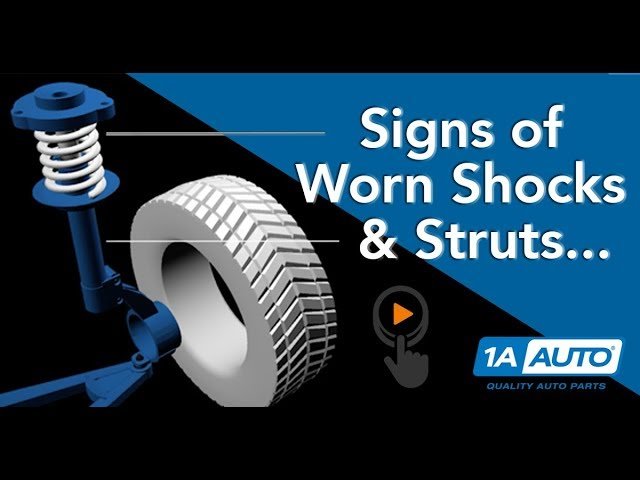
Your Jeep’s shocks are worn out if you notice a bouncy ride, uneven tire wear, or fluid leaks.
Suspension components play a crucial role in maintaining your Jeep's performance and ride quality. If your Jeep's shocks are compromised, it can lead to discomfort and potential safety issues. This article will guide you through the signs of worn-out shocks, offering insights gleaned from years of automotive experience. Whether you're an off-road enthusiast or simply enjoy the open road, understanding how to check your shocks can make a significant impact on your vehicle's longevity and your driving experience.
Signs Your Jeep Shocks Are Worn Out
Keeping your Jeep in top condition requires understanding the subtle signs of shock wear. Let's dive into the details to help you diagnose the issue accurately.
Bouncing or Rattling
If you experience excessive bouncing or rattling over bumps, this is a classic sign that your shocks might be failing. Good shocks absorb road imperfections, delivering a smooth ride.
Uneven Tire Wear
Uneven wear patterns on your tires can indicate shock issues. Shocks play a role in maintaining tire contact with the road, and worn shocks can lead to irregular wear.
Fluid Leaks
Fluid leaks around the shocks are a clear indicator of deterioration. Shocks contain fluid to help cushion and dampen movements. When seals wear out, leakage occurs.
Longer Stopping Distances
With worn-out shocks, your Jeep might take longer to stop. This happens because the shocks help control brake dive and maintain tire-road contact for effective braking.
Nose-Diving and Squatting
Noticeable dipping of the front end during braking or the rear end squatting during acceleration are signs your shocks may be past their prime.
How to Test Jeep Shocks
Testing your Jeep's shocks can prevent further damage and preserve your driving comfort. Here's how you can conduct a simple shock test at home.
The Bounce Test
- Press down hard on the front or rear of the vehicle.
- Release quickly and observe the movement.
- A healthy shock will stop bouncing after one to two cycles. More than that indicates wear.
Physical Inspection
- Look for Obvious Damage: Examine the shocks for dents, leaks, or worn bushings.
- Check the Suspension Mounts: Ensure mounts are secure and show no signs of wear or damage.
Professional Inspection
For an in-depth analysis, consult a mechanic. Professional diagnostic tools can provide a precise evaluation of shock and suspension health.
Preventing Shock Wear and Prolonging Life
Avoiding premature shock wear involves regular maintenance and smart driving habits.
- Routine Inspections: Regular checks for leaks and physical damage can catch wear early.
- Mind Your Load: Excess weight or uneven loading can strain shocks, so be mindful of your load limits.
- Balanced Driving: Sudden stops and aggressive acceleration can cause unnecessary wear.
Frequently Asked Questions
How often should I replace Jeep shocks?
Typically, shocks should be inspected every 50,000 miles, but severe driving conditions might necessitate earlier checks.
Can worn shocks damage my Jeep?
Yes, damaged shocks can lead to issues with handling, increased tire wear, and longer stopping distances.
Are leaking shocks always a sign of failure?
Leaking fluid typically indicates seal failure, which usually means the shock needs replacement.
What is the cost range for replacing Jeep shocks?
The cost can vary from $150 to $400 per shock, depending on brand and labor charges.
Can I replace Jeep shocks myself?
If you have DIY experience and proper tools, you can replace them yourself, but professional installation ensures alignment and fit.
Conclusion
Understanding the signs of worn-out Jeep shocks is crucial for maintaining vehicle safety and comfort. Regular inspection and prompt replacement of faulty shocks not only extend the life of your Jeep but also enhance your driving experience. Take control today by checking your Jeep shocks. Consider consulting a professional mechanic if you're unsure. Feel free to explore related resources or leave a comment with your questions. Your Jeep, after all, deserves the best care.