
If you drive a Jeep Gladiator, you already know it’s made for adventure, off-road fun, and tough jobs. But even the strongest trucks need good brakes to stay safe. Over time, the brake pads on your Gladiator wear down. If you replace them yourself, you can save money and keep your Jeep running smoothly. Many people feel nervous about changing brake pads, but with the right tools and clear steps, it’s very doable—even for beginners. This guide will show you how to replace Jeep Gladiator brake pads, what tools you need, how to avoid common mistakes, and a few important details most first-timers miss.
Why Replace Brake Pads?
Brake pads play a key role in stopping your vehicle. When you press the brake pedal, the pads press against the brake discs (rotors) and create friction to slow your Jeep. If your pads are worn out, your stopping distance gets longer, your brakes might squeal, and you could even damage other brake parts. Most experts recommend checking your pads every 20,000 to 30,000 miles, but if you do a lot of off-roading or towing, you may need to change them sooner.
Signs Your Brake Pads Need Replacing
- Squeaking or Squealing: If you hear a high-pitched noise when braking, it’s often a sign the pads are low.
- Vibration: If you feel shaking when you brake, the pads might be uneven or the rotors could be warped.
- Warning Light: Some Gladiators have a brake pad warning light.
- Longer Stopping: If your Jeep takes longer to stop, check your pads.
- Visual Check: Look through the wheel spokes; if the pad is less than 1/4 inch thick, it’s time to change.
Tools And Parts You’ll Need
Before starting, gather these tools and parts. Having everything ready will save time and prevent frustration.
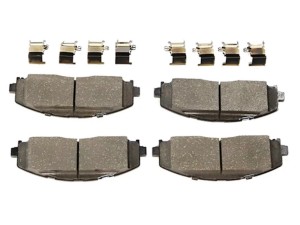
- New brake pads (make sure they fit your Gladiator’s model year and axle—front or rear)
- Jack and jack stands (for lifting and supporting the vehicle)
- Lug wrench (to remove wheels)
- Socket set (for removing caliper bolts)
- C-clamp or brake caliper tool (to compress the caliper piston)
- Brake cleaner
- Small bungee cord or rope (to hang the caliper)
- Gloves and safety glasses
- Flathead screwdriver (optional, for prying)
- Torque wrench (for proper reinstallation)
- Anti-squeal brake lubricant (for pad backs)
- Shop rags or towels
Optional But Helpful
- Impact wrench: Makes wheel removal faster.
- Wire brush: Cleans brake parts.
- Disposable mask: Protects from brake dust.
Credit: www.mopargenuineparts.com
Step-by-step Guide To Replacing Jeep Gladiator Brake Pads
This section covers the full process for most Jeep Gladiator models. However, always double-check your owner’s manual for any model-specific details. Replacing rear brake pads is similar, but the parking brake mechanism may add a step.
1. Prepare Your Jeep
- Park on a level surface and set the parking brake.
- Place wheel chocks behind the rear wheels (if working on the front) or in front (if working on the rear).
- Loosen the lug nuts on the wheels (don’t remove them yet).
2. Lift And Secure The Vehicle
- Use your jack to lift the Jeep at the correct jacking point.
- Place jack stands under the frame for safety.
- Lower the Jeep gently so it rests on the stands.
3. Remove The Wheel
- Finish unscrewing the lug nuts.
- Take off the wheel and set it aside.
4. Locate The Brake Caliper
You’ll see the brake caliper over the rotor. The caliper holds the brake pads.
5. Remove The Caliper
- Find the two caliper bolts on the back.
- Use your socket set to unscrew them.
- Carefully slide the caliper off the rotor. Do not let it hang by the brake hose—use a bungee cord to secure it to the suspension.
6. Remove Old Brake Pads
- Slide out the old pads from both sides of the rotor.
- Pay attention to how they are installed; take a photo if needed.
7. Inspect The Hardware
- Check the caliper pins and clips for rust or wear.
- Replace hardware if damaged.
- Clean everything with a wire brush and brake cleaner.
8. Compress The Caliper Piston
- Place an old pad against the piston.
- Use a C-clamp or brake caliper tool to gently push the piston back into the caliper.
- Go slowly to avoid damaging the piston or seal.
Tip many beginners miss: If the piston doesn’t compress, the brake fluid reservoir under the hood may be too full. Remove a little fluid if needed.
9. Install New Brake Pads
- Apply a thin layer of anti-squeal lubricant to the back of the pads (never on the pad surface).
- Slide the new pads into place, matching the orientation of the old ones.
10. Reinstall The Caliper
- Carefully slide the caliper over the new pads and rotor.
- Reinstall and tighten the caliper bolts to the correct torque (check your manual—usually 25–35 ft-lbs).
11. Reattach The Wheel
- Put the wheel back on and hand-tighten the lug nuts.
12. Lower The Vehicle
- Use the jack to lift the Jeep off the jack stands.
- Remove the stands and lower the Jeep to the ground.
13. Tighten Lug Nuts
- Use a torque wrench to tighten the lug nuts to the correct specification (usually 130–150 ft-lbs for Gladiators).
14. Repeat For The Other Side
- Always replace brake pads on both sides of the axle for balanced braking.
15. Pump The Brake Pedal
- Before driving, press the brake pedal several times until it feels firm. This seats the new pads against the rotors.
16. Test Drive
- Drive slowly in a safe area and test the brakes.
Extra tip: Avoid hard braking for the first 200–300 miles. This “beds in” the pads for longer life and better performance.
Comparing Brake Pad Types For Jeep Gladiator
Choosing the right brake pad material matters for safety and performance. Here’s a comparison:
| Type | Performance | Durability | Noise | Price |
|---|---|---|---|---|
| Ceramic | Very good | High | Low | $$$ |
| Semi-Metallic | Excellent | Medium | Medium | $$ |
| Organic | Good | Low | Low | $ |
- Ceramic pads are quiet and last long, but cost more.
- Semi-metallic pads stop well and handle heat, great for off-roading.
- Organic pads are quiet and cheap, but wear out fastest.

Credit: www.youtube.com
Common Mistakes And How To Avoid Them
Many first-time DIY brake jobs go wrong because of simple errors. Here are the top ones to watch out for:
- Not compressing the caliper piston fully: If the piston isn’t all the way in, the new pads won’t fit, or the caliper won’t go back on.
- Forgetting to torque bolts: Overtightening or undertightening caliper bolts can cause brake problems or damage.
- Touching pad surfaces with greasy hands: Oil can cause uneven braking or noise. Always handle pads by the edges.
- Mixing up inside and outside pads: Some pads have wear indicators or different shapes for inner and outer positions.
- Not cleaning hardware: Rust or old grease can lead to sticky calipers or uneven wear.
- Ignoring warning signs during test drive: If you hear grinding or feel vibration, stop and check your work.
Cost Comparison: Diy Vs. Professional Brake Pad Replacement
Is it worth replacing Gladiator brake pads yourself? Here’s a quick look at typical costs:
| Service | Parts Cost | Labor Cost | Total |
|---|---|---|---|
| DIY | $60–$120 | $0 | $60–$120 |
| Professional | $60–$120 | $120–$200 | $180–$320 |
Doing it yourself can save you over $100 per axle, plus you get to know your Jeep better.
Pro Tips For A Smooth Brake Pad Change
- Check brake fluid level before and after—adding or removing fluid may be needed.
- Inspect rotors: If they are deeply grooved, warped, or under minimum thickness, replace or resurface them.
- Replace both sides: Never change just one pad; always do both wheels on the axle.
- Use the right lubricant: Only apply brake grease to the pad backs and hardware, never the pad surface.
- Test in a safe area: The first few stops may feel different as pads seat in.
Non-obvious insight: If you notice uneven pad wear, your caliper slide pins may be stuck or your brake hose could be partially blocked—fix these before installing new pads.
When To Replace Rotors Along With Pads
It’s not always necessary to change the rotors every time you do pads, but sometimes it’s the smart choice.
Replace Rotors If:
- The rotor surface has deep grooves or scoring.
- There’s a blue tint from overheating.
- You feel vibration or pulsing when braking.
- The rotor is below the minimum thickness stamped on the edge.
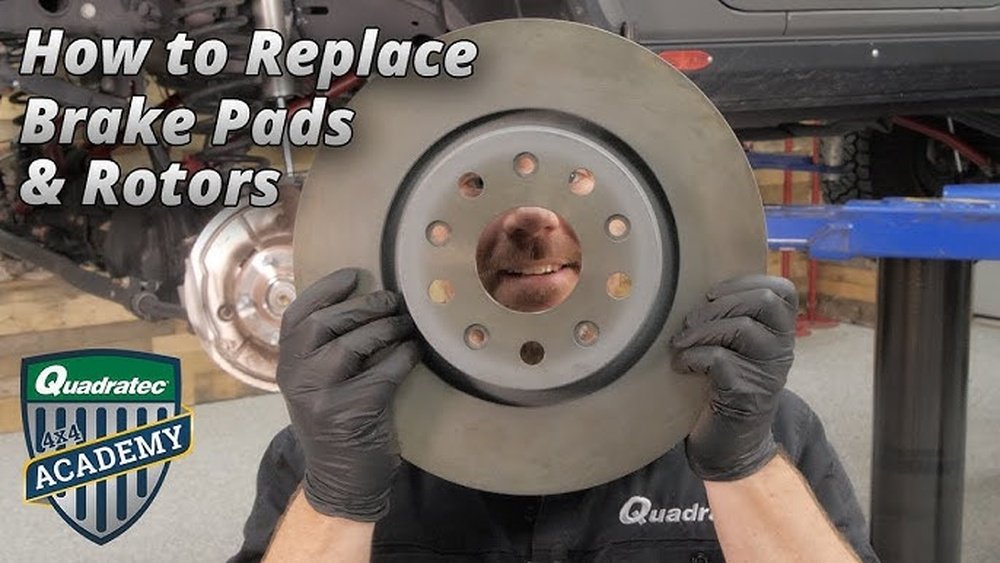
Rotors for Jeep Gladiators can last 2–3 pad changes if they’re kept in good shape.
Credit: www.meadowlandofcarmel.net
Environmental Safety And Old Pad Disposal
Brake dust and old pads can be harmful to the environment. Always:
- Wear gloves and a mask to avoid breathing dust.
- Collect old pads and take them to an auto parts store or recycling center. Many stores accept used pads for safe disposal.
- Clean up any spilled brake fluid or dust with damp towels—never let it wash into storm drains.
Frequently Asked Questions
How Often Should I Replace Jeep Gladiator Brake Pads?
Most drivers need new pads every 20,000 to 30,000 miles, but check more often if you tow, off-road, or drive in the city. Replace them if the pad is less than 1/4 inch thick or if you hear squealing.
Can I Just Replace Brake Pads On One Wheel?
No, always replace pads on both wheels of the same axle (left and right front, or left and right rear) at the same time. This keeps braking even and safe.
What Happens If I Don’t Replace Worn Brake Pads?
Worn pads reduce stopping power, can damage rotors, and may cause expensive repairs. In worst cases, you can lose braking ability completely, which is very dangerous.
Do I Need To “bed In” New Brake Pads?
Yes. For best results, make several gentle stops from 30–40 mph to heat the pads and rotors evenly. Avoid hard braking for the first 200–300 miles.
Where Can I Find Official Jeep Gladiator Brake Pad Specs?
Check your owner’s manual or visit the official Jeep website for accurate part numbers, torque specs, and maintenance tips.
Taking care of your Jeep Gladiator’s brakes is one of the best things you can do for your safety. With a little time, the right tools, and this guide, you’ll be able to replace your brake pads confidently and keep your adventures rolling.


