
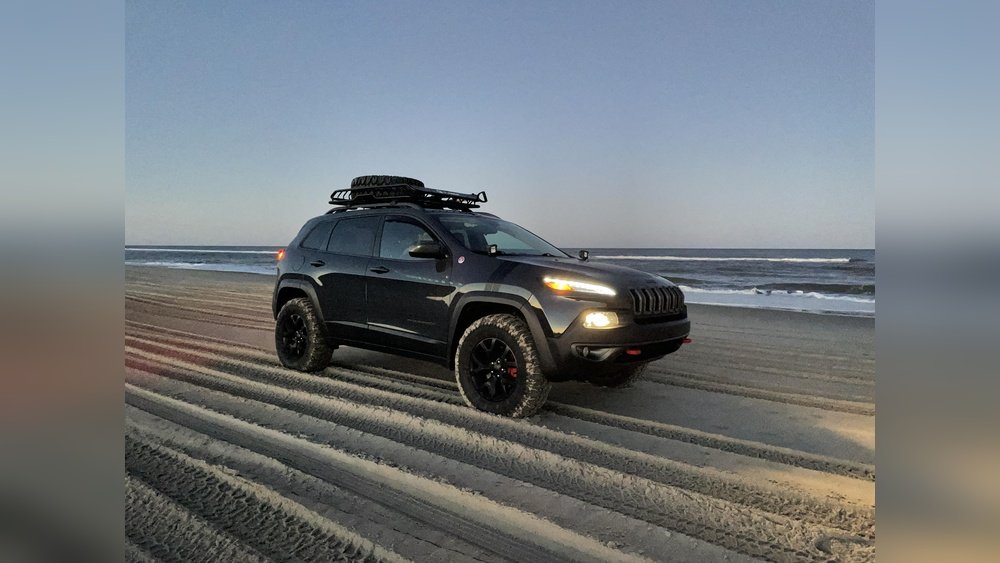
For many Jeep Cherokee KL owners, the idea of taking their SUV off-road is both exciting and a bit intimidating. The Cherokee KL, built from 2014 onward, is a comfortable and capable crossover, but it’s not a traditional body-on-frame Jeep.
If you want to tackle rocky trails, muddy tracks, or deep snow, lifting your Cherokee KL is often the first upgrade to consider. But how do you do it safely? What are the real benefits, and what challenges might you face?
This guide will walk you step-by-step through lifting your Jeep Cherokee KL for off-road use, using clear, simple language and practical advice.
Why Lift Your Jeep Cherokee Kl?
Lifting your Cherokee KL gives you more ground clearance. This means your vehicle can drive over rocks, logs, or ruts without scraping the underbody. You can also fit larger tires, which further improves traction and helps in rough conditions. Many Cherokee KL drivers lift their vehicle for these reasons, but a lift can also change the look of your Jeep, making it look tougher and more adventurous.
However, lifting a KL is not as straightforward as some other Jeeps. Its independent front and rear suspension, combined with many electronic systems, means you need to plan carefully.
Types Of Lift Kits For The Jeep Cherokee Kl
There are several ways to lift a Jeep Cherokee KL. Each method offers different benefits and challenges. Here’s a breakdown:
1. Spacer (leveling) Lifts
Spacer lifts are the most common option for the KL. These kits use metal or polyurethane spacers placed on top of your vehicle’s front and rear struts. The spacers push your body higher off the suspension.
- Lift height: Typically 1 to 2.5 inches
- Cost: $200–$600 for parts
- Installation: Moderate; does not require replacing suspension parts
Spacer lifts are popular because they are affordable and simple. However, they don’t increase suspension travel, so your ride comfort and wheel articulation stay the same.
2. Coil Spring Lifts
Some kits replace your factory coil springs with longer, stiffer ones. This increases your ride height and may improve off-road handling.
- Lift height: Up to 2.5 inches
- Cost: $400–$1,000 for parts
- Installation: More complex; may require professional help
These lifts are less common for the Cherokee KL, but they can offer better handling and load support for heavy off-road gear.
3. Suspension Component Lifts
A few companies offer kits that include new control arms, struts, and other suspension components. These are more advanced and often include geometry corrections to maintain safe handling.
- Lift height: 2–3 inches
- Cost: $1,000–$2,500 or more
- Installation: Complex; professional installation recommended
These kits are the best for serious off-roaders who want the most performance and durability.
4. Body Lifts
Body lifts are not common or recommended for the Cherokee KL. The KL’s unibody construction does not separate the frame from the body like older Jeeps, so body lifts are not possible.
Planning Your Lift: What To Consider
Before you order a lift kit, think carefully about your off-road goals and daily driving needs. Ask yourself:
- How much ground clearance do I need?
- What type of off-roading will I do most (rocks, mud, snow)?
- Am I ready to change other parts, like wheels or tires?
- Do I need to keep good on-road comfort and handling?
Lifting even by 2 inches changes the way your KL drives. It may affect braking, cornering, and even your fuel economy. If you drive long distances on highways, you may prefer a smaller lift.
Step-by-step: How To Lift Your Jeep Cherokee Kl
Lifting your Cherokee KL can be done in a home garage with the right tools, but many people prefer to use a professional shop. If you want to tackle the job yourself, follow these steps:
1. Gather Tools And Equipment
You’ll need:
- A suitable lift kit (spacer or suspension component kit)
- A jack and sturdy jack stands (rated for SUV weight)
- Socket and wrench set
- Torque wrench
- Breaker bar
- Spring compressors (for coil spring kits)
- Penetrating oil
2. Prepare Your Work Area
Park on a flat, level surface. Engage the parking brake and chock the wheels. Make sure you have plenty of lighting and space to move around.
3. Raise The Vehicle
Loosen the lug nuts on your wheels. Use the jack to lift the Jeep and secure it with jack stands. Remove the wheels.
4. Remove Suspension Components
For a spacer kit, you’ll need to:
- Unbolt the lower strut mounts
- Loosen sway bar links and tie rod ends if needed
- Remove the struts from the wheel wells
If installing new coil springs or full suspension, you may need to use spring compressors and remove more components.
5. Install The Lift Kit
Attach the spacers (or new springs/struts) as directed by your kit instructions. Make sure everything is seated properly and bolts are torqued to factory specs.
6. Reassemble And Double-check
Reinstall all removed parts, double-checking bolts and connections. Put the wheels back on and lower the vehicle carefully.
7. Get A Professional Alignment
After a lift, your wheel alignment will be off. Always take your Cherokee to a shop for a full four-wheel alignment. This prevents uneven tire wear and keeps your vehicle handling safely.
8. Test Drive And Listen
Take your KL for a slow, careful test drive. Listen for any strange noises or vibrations. Check that your steering feels normal and brakes work correctly.
Choosing The Right Tires After A Lift
Lifting your Cherokee KL allows you to fit larger tires. This boosts off-road traction and ground clearance. Most spacer lifts (2 inches) let you fit up to 30-inch tires (245/65R17 or similar) without major rubbing. With some fender trimming or wheel spacers, you may fit slightly larger tires.
Here’s a quick comparison of common tire sizes:
| Tire Size | Diameter (inches) | Fits with 2” Lift? | Notes |
|---|---|---|---|
| 225/65R17 | 28.5 | Yes | Stock size for many KLs |
| 245/65R17 | 29.5 | Yes | No rubbing with 2” lift |
| 255/65R17 | 30.1 | Maybe | May need minor trimming |
| 265/65R17 | 30.6 | No | Significant rubbing, not recommended |
Non-obvious tip: Some aftermarket wheels have different offsets, which can push tires outward and cause rubbing on fenders or suspension parts. Always check wheel offset when buying larger tires.
Important Upgrades After Lifting
Lifting your Jeep Cherokee KL changes the way many parts interact. For the best off-road experience and reliability, consider upgrading the following:
- Sway Bar Links: Longer, adjustable links help maintain proper suspension geometry.
- Brake Lines: If your lift is over 2 inches, longer brake lines may be needed to avoid stretching.
- Skid Plates: Extra protection for your underbody is even more important after a lift.
- Wheel Spacers: If tires rub on the suspension, small spacers can help—just make sure they are high-quality and properly installed.
Some owners forget about the speedometer calibration. Larger tires make your speedometer read low. Many shops can recalibrate it for you.
Comparing Popular Lift Kits For Jeep Cherokee Kl
Here’s a side-by-side look at three popular lift kits:
| Brand | Type | Lift Height | Price Range (USD) | Ease of Install |
|---|---|---|---|---|
| Daystar | Spacer | 1.5 inches | $250–$350 | Moderate |
| Rocky Road Outfitters | Spacer | 2 inches | $400–$500 | Moderate |
| Dobinsons | Coil Spring | 2 inches | $800–$1,000 | Advanced |
Pro tip: Read reviews from real KL owners and check for any issues with specific lift kits, such as ride quality or noise.
Common Mistakes To Avoid
Lifting your Cherokee KL is rewarding, but some mistakes can cost you time, money, or safety.
- Skipping alignment after the lift can lead to poor handling and tire wear.
- Choosing tires that are too large without considering offset or rubbing issues.
- Ignoring manufacturer warranties. Some lift kits can void parts of your Jeep’s warranty.
- Not upgrading related parts like sway bar links or brake lines when needed.
- Overestimating your skill level. If you’re not sure, get professional help.
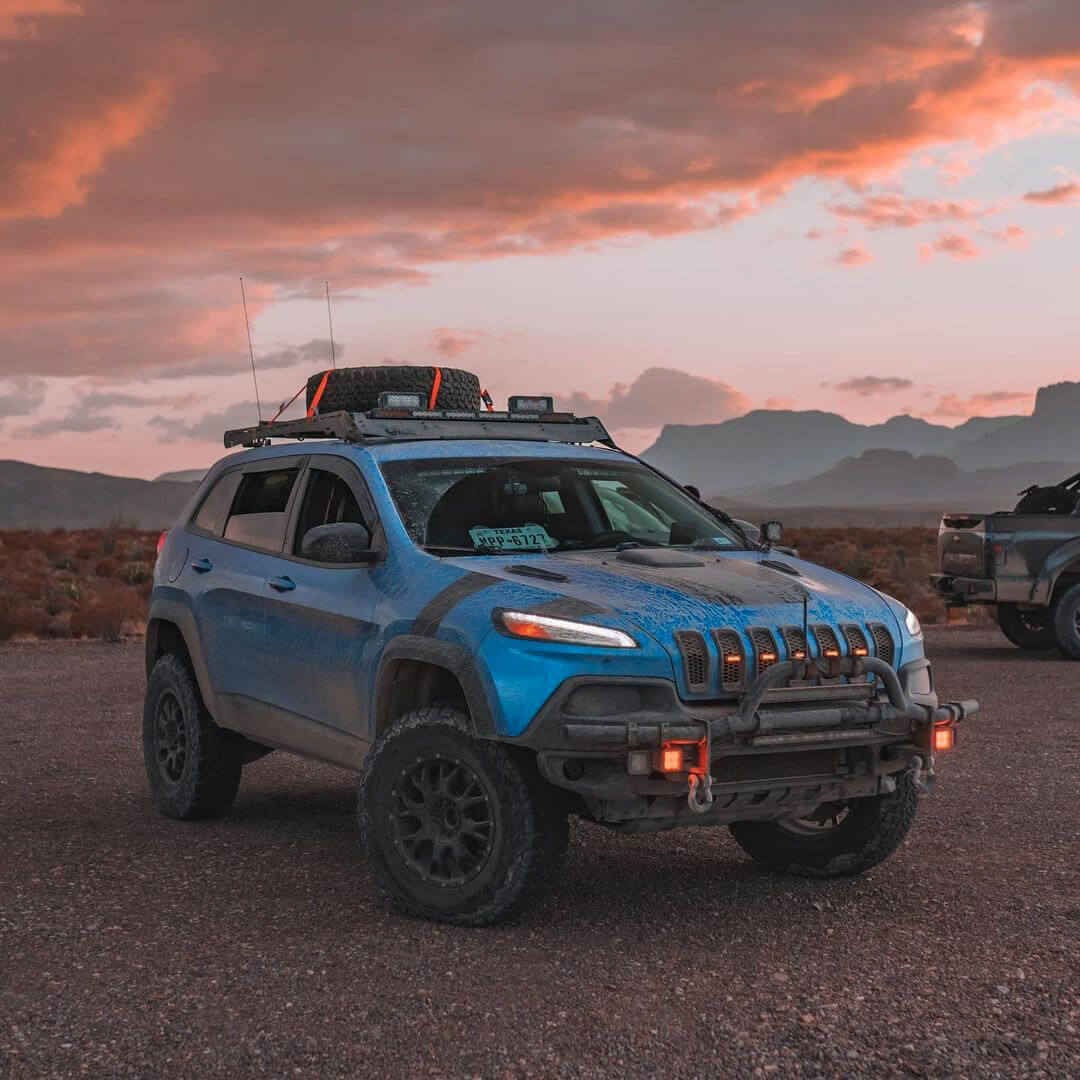
Credit: offroadium.com
Real-world Example: Kl Lift In Action
Sarah, a Jeep Cherokee KL owner from Colorado, wanted to explore mountain trails. She installed a 2-inch spacer lift, added 245/65R17 all-terrain tires, and upgraded her skid plates. After a careful DIY install and professional alignment, she noticed her Jeep handled rough terrain much better.
However, she also found her fuel economy dropped by about 1–2 mpg, and the ride became slightly firmer. For Sarah, the trade-off was worth it to reach beautiful, remote campsites.
Insight: Many beginners don’t realize that even a small lift changes their Jeep’s center of gravity. Take corners slower until you’re used to the new feel.
Should You Install The Lift Yourself Or Use A Shop?
If you have basic mechanical skills and tools, a spacer lift can be a DIY project. Expect to spend 4–6 hours for your first time. But if you’re installing a coil spring or full suspension kit, or if you’re uncomfortable with suspension work, a shop is safer.
Professional installation costs $300–$700 in most areas, including alignment. This can be worth it for peace of mind and warranty support.

Credit: rocky-road.com
Cost Breakdown: Lifting A Jeep Cherokee Kl
Here’s a general budget to expect:
| Item | Low Estimate | High Estimate |
|---|---|---|
| Lift Kit (Spacer) | $200 | $600 |
| Professional Installation | $300 | $700 |
| Alignment | $100 | $150 |
| Larger Tires (Set of 4) | $500 | $1,200 |
| Other Upgrades (optional) | $150 | $500 |
Non-obvious tip: Budget for ongoing costs, too. Larger tires and a lifted ride can increase wear on suspension parts over time.
Safety And Legal Considerations
- Check local laws on maximum lift height and tire size. Some areas have strict rules.
- Insurance: Modifying your suspension may affect your coverage. Notify your insurer.
- Load limits: Lifting your Cherokee does not increase payload or towing capacity. Know your vehicle’s limits.
For more technical details on lift kits and suspension geometry, you can visit the Wikipedia Suspension Lift page.

Credit: www.youtube.com
Frequently Asked Questions
How High Can I Safely Lift My Jeep Cherokee Kl?
Most experts recommend a maximum of 2 inches for the KL. This keeps your suspension, axles, and electronic systems working properly. Higher lifts may cause problems with alignment and stability.
Will Lifting My Cherokee Kl Void My Warranty?
Some lift kits can affect your factory warranty, especially if they cause damage to related parts. Always check with your dealer before making changes and keep receipts for all work done.
What Size Tires Fit After A 2-inch Lift?
With a 2-inch lift, most owners use up to 245/65R17 or 245/70R17 tires without major issues. Bigger tires may require trimming fenders or adding wheel spacers.
Does A Lift Kit Affect Fuel Economy?
Yes, a lifted KL with larger tires usually uses more fuel. The effect is often a loss of 1–2 miles per gallon, depending on driving style and tire type.
Can I Return My Jeep To Stock After Lifting?
Most spacer and coil spring lifts are reversible if you keep your original parts. However, some modifications (like fender trimming) are permanent.
Lifting your Jeep Cherokee KL opens a world of adventure. With careful planning and the right upgrades, you can enjoy off-road trails safely and confidently. Take your time, ask questions, and soon you’ll be ready to explore with your upgraded Jeep.



