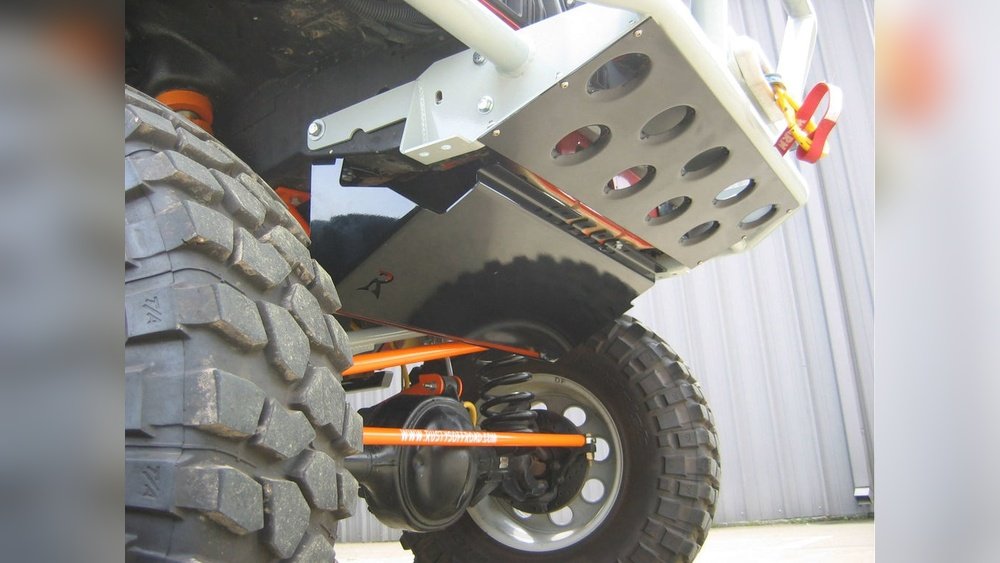
If you drive a Jeep Cherokee, you know it’s built for adventure. But even strong vehicles need protection when driving off-road. Rocks, branches, and rough terrain can damage the underside of your Jeep. That’s where skid plates come in. Adding skid plates gives your Cherokee extra armor, making it safer for trails and tough roads. Many people think installing skid plates is hard or expensive, but it’s easier than you might expect. This guide shows you how to add skid plates to your Jeep Cherokee, step by step. You’ll learn which plates to choose, how to prepare, and how to install them safely. By the end, your Jeep will be ready for anything you throw at it.
Why Skid Plates Matter For Jeep Cherokee
Skid plates are like shields for your vehicle’s underbody. They protect important parts such as the oil pan, transmission, fuel tank, and transfer case. Without skid plates, these parts are exposed to rocks, logs, and debris. Damage can lead to expensive repairs or even leave you stranded.
Most Jeep Cherokees come with minimal protection from the factory. Only some models have basic plates, and those usually cover just one or two parts. If you drive in areas with rough terrain, adding full skid plates is a smart investment. They help keep your Jeep Cherokee running longer and save money on repairs.
Choosing The Right Skid Plates
Not all skid plates are the same. They come in different materials, shapes, and sizes. Here’s what to look for:
Material Comparison
The most common materials for skid plates are steel and aluminum. Each has its pros and cons.
| Material | Strength | Weight | Corrosion Resistance | Cost |
|---|---|---|---|---|
| Steel | Very strong | Heavy | Moderate | Lower |
| Aluminum | Strong | Light | High | Higher |
Steel plates are tough and affordable. They’re great for extreme conditions. However, they add more weight to your Jeep and may rust if not coated. Aluminum plates are lighter and resist rust, but they can be more expensive.
Coverage Areas
Different plates protect different parts. You may need:
- Front skid plate – Protects the engine and oil pan.
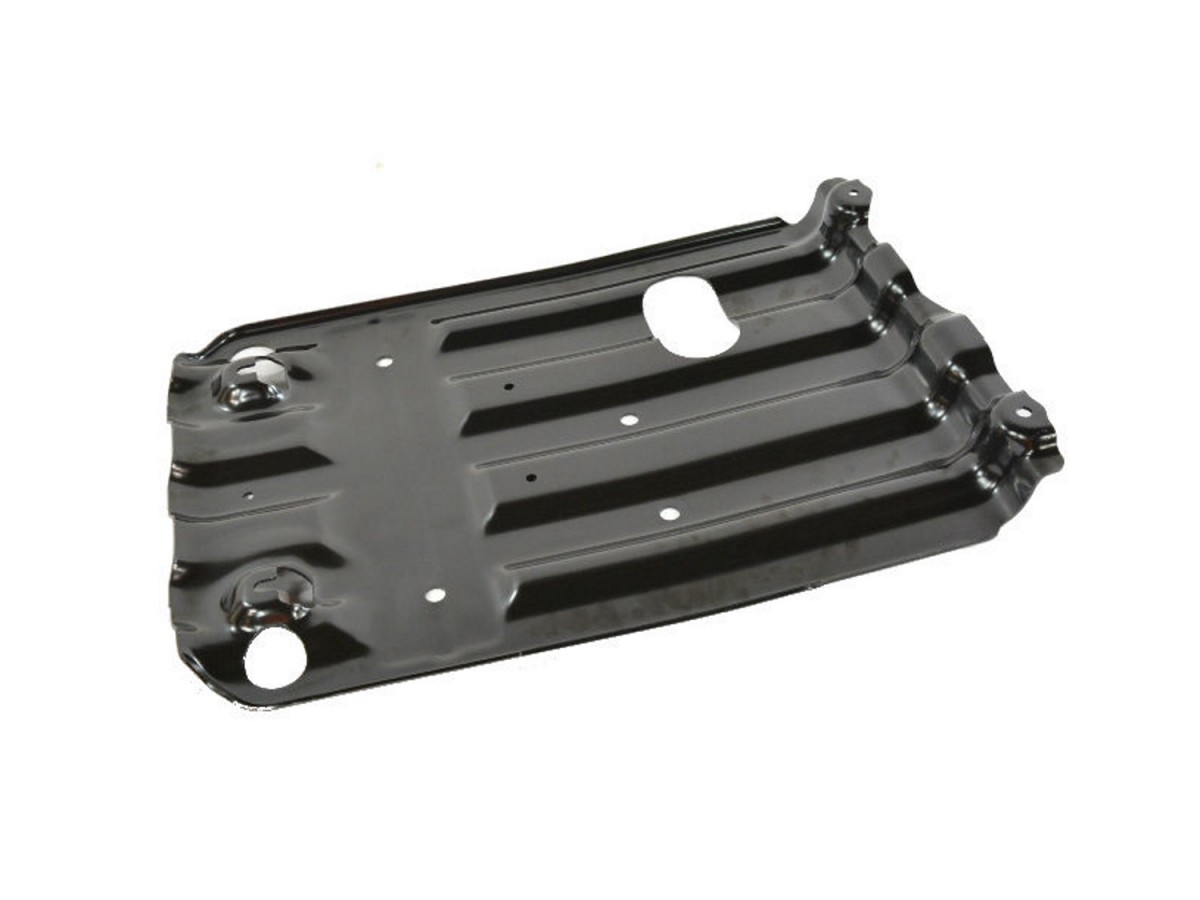
- Transmission skid plate – Shields the transmission and crossmember.
- Transfer case skid plate – Guards the transfer case.
- Fuel tank skid plate – Covers the fuel tank.
- Rear differential skid plate – Shields the rear axle.
Some brands offer full kits that cover all these areas. You can start with the most important plates and add others later.
Fitment And Compatibility
Jeep Cherokees come in several models: XJ, KL, and others. Check the year and model before buying. Some plates are made for specific versions. Also, check if you have any modifications (lift kits, aftermarket exhausts) that may affect fitment.
Popular Brands And Options
Many brands make high-quality skid plates, such as Rock Hard 4×4, Rugged Ridge, and Mopar. Mopar plates are official Jeep parts, and Rock Hard 4×4 is known for tough steel plates. Prices range from $100 for basic plates to $600+ for full kits.
Tools And Preparation
Before starting, gather the right tools. Most installations are simple, but having the right equipment makes it easier.
Common Tools Needed
- Socket set (metric and standard)
- Wrenches
- Jack and jack stands
- Screwdrivers
- Drill (for some models)
- Torque wrench
- Safety goggles and gloves
Preparation Steps
- Park your Jeep on level ground.
- Engage the parking brake.
- If possible, use ramps or jack stands to lift the vehicle for easier access.
- Check the instructions for your specific skid plate kit.
Always read the manufacturer’s guide. Some plates require drilling, while others use existing holes. Safety is important, so wear gloves and goggles.
Step-by-step Installation Guide
Installing skid plates is usually a straightforward process. Here’s how to do it, step by step.
1. Remove Existing Covers
Some Cherokees have factory splash shields. Remove these first. Use a screwdriver or socket set to take out bolts or clips. Keep these parts—you may need some bolts for the new plates.
2. Position The Skid Plate
Hold the skid plate under the area you want to protect. Align it with the mounting holes. You may need a helper to hold the plate while you work.
3. Attach The Plate
Most plates use bolts and brackets that come in the kit. Insert bolts through the plate and into the Jeep’s frame or crossmember. Tighten them by hand first. Make sure the plate sits flat and covers the part fully.
4. Tighten Bolts
Use a socket set to tighten bolts. If your kit has torque specs, use a torque wrench to finish. Over-tightening can damage threads, so follow the guide.
5. Check Clearance
After installing, check for clearance. Make sure the plate doesn’t touch the exhaust, drive shaft, or other moving parts. Spin the wheels and look for any rubbing.
6. Repeat For Other Plates
If you’re adding multiple plates, repeat these steps for each one. Start with the front plate, then move to transmission, transfer case, and fuel tank.
7. Final Inspection
When all plates are installed, inspect your work. Look for loose bolts, gaps, or interference. Lower your Jeep and drive slowly to check for any unusual sounds.
Practical Tips For A Smooth Installation
Even if the process looks simple, a few practical tips can make things easier:
- Pre-fit the plates before tightening bolts. Sometimes holes need minor adjustment.
- If you need to drill, mark holes carefully with a pen. Double-check measurements.
- Use anti-seize compound on bolts to prevent rust.
- Clean the area before installing plates. Dirt can cause poor fit or vibration.
- For heavy steel plates, use a floor jack to hold the plate while bolting.
Many beginners miss that weight matters. Adding heavy plates can affect your Jeep’s fuel economy and handling. If you drive mostly on roads, lighter aluminum plates are better.
Comparing Skid Plate Kits
There are many skid plate kits for Jeep Cherokee. Here’s a comparison of three popular options.
| Brand | Material | Coverage | Price (USD) | Warranty |
|---|---|---|---|---|
| Rock Hard 4×4 | Steel | Full underbody | 650 | Lifetime |
| Rugged Ridge | Steel | Fuel tank only | 180 | 5 years |
| Mopar | Aluminum | Engine & transmission | 400 | 3 years |
Choose the kit based on your budget, needs, and the terrain you drive.

Credit: www.allmoparparts.com
Common Mistakes To Avoid
Adding skid plates is not complicated, but beginners often make mistakes. Here are the most common:
- Buying wrong fitment – Always check your Jeep’s model and year.
- Skipping torque specs – Loose bolts can cause noise or plates to fall off.
- Ignoring clearance – Plates must not touch moving parts.
- Forgetting maintenance – Check bolts after first drive and every few months.
- Choosing only one plate – Protecting just one area leaves other parts exposed.
Another mistake is not considering weight balance. Too many steel plates can make your Jeep sluggish. Think about the mix of protection and performance.
Maintenance After Installation
Skid plates are tough, but they need care. Check them regularly:
- Inspect for dents, cracks, or rust every few months.
- Retighten bolts as needed.
- Clean the plates and surrounding area after off-road trips.
- If you hear rattling, check for loose hardware.
With proper maintenance, good skid plates last for years. They can even increase the resale value of your Jeep Cherokee.
Is Professional Installation Necessary?
Some people prefer to have a mechanic install skid plates. This is not required, but it helps if you’re unsure or lack tools. Most shops charge $100–$300 for installation. If you do it yourself, you save money and learn more about your Jeep.
If you have a newer Jeep with electronic sensors or advanced exhaust, professional help is better. They can adjust fitment and avoid damaging wires.
Skid Plates For Different Cherokee Models
Jeep Cherokee has several versions. The most common are XJ (1984–2001) and KL (2014–present). Each model may need different plates.
| Cherokee Model | Year Range | Available Skid Plates | Notes |
|---|---|---|---|
| XJ | 1984–2001 | Full kits, single plates | Wide range of options |
| KL | 2014–present | Engine, transmission, fuel tank | Less aftermarket support |
Older XJ models have more choices, while KL models may need Mopar or custom plates.

Credit: www.rustysoffroad.com
Real-world Example: Trail Protection
Imagine you’re driving your Cherokee over rocky trails. Without skid plates, a sharp rock hits your oil pan. Oil leaks, and your trip ends early. With full skid plates, the rock slides off, and your Jeep keeps going.
Many Jeep owners share stories like this. In fact, off-road forums report that adding skid plates reduces underbody damage by over 80%. This simple upgrade can save thousands of dollars over the years.
Where To Find Skid Plates
You can buy skid plates from Jeep dealers, online stores, or specialty shops. Look for well-known brands and read reviews. For more details, visit the official Jeep accessories page: Jeep Official Accessories.
Credit: www.moparonlineparts.com
Frequently Asked Questions
What Are Skid Plates Made Of?
Most skid plates are made from steel or aluminum. Steel is tougher and cheaper but heavier. Aluminum is lighter and resists rust, but costs more.
Can I Install Skid Plates Myself?
Yes, most people can install skid plates at home with basic tools. If you’re unsure or have a newer model, a mechanic can help.
How Much Do Skid Plates Affect Fuel Economy?
Adding heavy steel plates can reduce fuel economy by 1–2 mpg. Lighter aluminum plates have less impact.
Do Skid Plates Fit All Jeep Cherokee Models?
No, you must buy plates for your specific model and year. Check fitment before ordering.
How Often Should I Check Skid Plates?
Inspect your plates every few months, especially after off-road trips. Tighten bolts and look for damage.
Adding skid plates to your Jeep Cherokee is one of the best upgrades for off-road protection. With the right plates, tools, and care, you can drive with confidence on any terrain. Protect your investment and enjoy every adventure with your newly armored Jeep.