
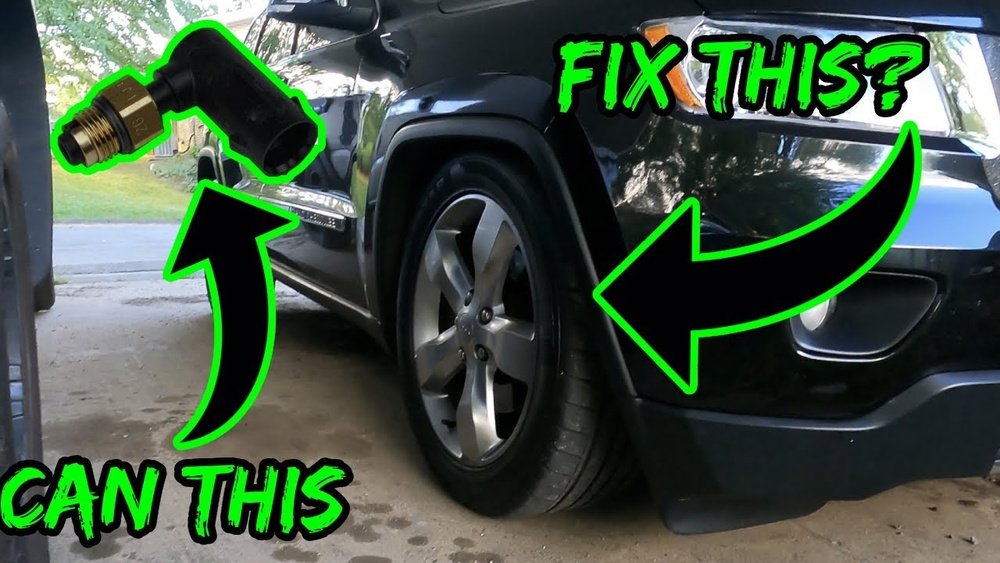
The Jeep Grand Cherokee is known for its smooth ride and off-road skills, but its air suspension system can sometimes have problems. If your Grand Cherokee feels bouncy, sits uneven, or displays warnings like “Service Air Suspension,” you’re not alone. Many owners face these issues, especially as the vehicle gets older. Fixing air suspension can seem hard, but with the right steps and advice, you can often solve the problem yourself—or at least understand what needs repair.
This article will guide you through the complete process to fix Jeep Grand Cherokee air suspension. You’ll learn how the system works, common symptoms, diagnostic steps, repair solutions, and when to seek expert help. Whether you’re a DIY fan or just want to know more before visiting a mechanic, this guide will make things clear and practical.
How Jeep Grand Cherokee Air Suspension Works
The Grand Cherokee uses a system called Quadra-Lift Air Suspension. Instead of metal springs, it uses rubber air bags (also called air springs) at each wheel. These air bags are filled with air by a compressor. The system can raise or lower the vehicle depending on the driving mode, speed, or road conditions.
Key parts include:
- Air bags (at each wheel)
- Air compressor (pumps air into the bags)
- Height sensors (measure the car’s level)
- Valves and lines (move air where needed)
- Control module (brain that manages everything)
The main benefits are a comfortable ride, better handling, and the ability to adjust the car’s height. But these features also mean more things can go wrong compared to regular suspension.
Common Symptoms Of Air Suspension Problems
Knowing what’s wrong starts with recognizing symptoms. Here are the most common signs that your Grand Cherokee’s air suspension is failing:
- Vehicle sits low or high on one side or at one corner.
- Dashboard warning: “Service Air Suspension.”
- Bumpy or rough ride—it feels like the shocks are gone.
- Compressor noise that runs for a long time or is very loud.
- Vehicle doesn’t raise or lower when you select different modes.
- Air leaks: You may hear a hissing sound after parking.
- Slow response when changing ride heights.
It’s important to note that these symptoms can happen for many reasons. You need a step-by-step approach to find the real cause.

Credit: rebuildmastertech.com
Diagnosing The Problem: Step By Step
Before replacing parts, do a full diagnosis. Many issues are caused by small leaks, failed sensors, or electrical faults—not always expensive parts.
1. Visual Inspection
Start with your eyes and ears. Check for:
- Cracked or damaged air bags
- Loose or broken air lines
- Wet spots near the suspension (shows possible leaks)
- Worn or corroded connectors at sensors
If you hear a hissing sound, try to find exactly where it’s coming from. This often points to a leak.
2. Listen For The Compressor
Have someone turn the car on while you listen near the front passenger tire (where the compressor is). If it runs nonstop, struggles, or is silent, note this. A healthy compressor cycles on and off as needed.
3. Use A Scan Tool
A diagnostic OBD-II scan tool that can read Jeep-specific codes is very helpful. Plug it into the port under your dashboard and check for codes related to the air suspension. For example:
- C1562 (compressor relay stuck)
- C1564 (compressor failure)
- C1569 (air leak detected)
If you don’t have a scan tool, many auto parts stores will check codes for free.
4. Spray Test For Leaks
Mix water with a little dish soap in a spray bottle. With the suspension full (vehicle at normal height), spray soapy water on the air bags, lines, and fittings. Bubbles mean there’s a leak.
5. Check The Fuse And Relay
A blown fuse or faulty relay can stop the compressor. Check the owner’s manual for the right locations, and visually inspect or swap with a known good fuse.
6. Check Height Sensors
If your Jeep leans or sits unevenly, a broken or disconnected height sensor could be the reason. Inspect them near each wheel.
Beginner tip: Don’t skip the simple checks. Many owners spend money replacing air springs when the real issue was a $5 fuse or a loose connector.
Common Causes And How To Fix Them
Once you have a good idea of the problem, here are the main causes and practical fixes for Jeep Grand Cherokee air suspension issues.
1. Air Spring (air Bag) Leaks
Symptom: The car sinks overnight or sags at one corner.
Fix: Replace the leaking air bag. You can buy just the bag or a complete assembly. Always replace in pairs (left and right) if possible, as the other side may fail soon.
Data: Air springs typically last 7-10 years or about 70,000 miles. Heat, cold, and road salt can shorten their life.
2. Compressor Failure
Symptom: The car doesn’t rise; you hear clicking or nothing at all.
Fix: Replace the compressor. Before replacing, check if the air bags are leaking—if they leak, the compressor will wear out from overwork.
Non-obvious insight: If you replace the compressor but don’t fix leaks, the new one will fail soon. Always check for leaks first.
3. Valve Block Problems
Symptom: The system won’t hold air, or air only fills one side.
Fix: Replace the valve block (controls air flow). These can stick due to dirt, water, or old age.
4. Electrical Issues
Symptom: System shows errors, does nothing, or acts strangely.
Fix: Check and replace fuses, relays, or corroded connectors. Resetting the system by disconnecting the battery for 10 minutes can sometimes clear minor faults.
5. Height Sensor Failure
Symptom: The Jeep leans, sits uneven, or won’t change heights.
Fix: Replace the faulty sensor. These are usually plug-and-play but may need calibration with a scan tool.
6. Control Module (ecu) Faults
Symptom: Random errors, system not responding, or stuck in one mode.
Fix: Try resetting by disconnecting the battery. If problems continue, the control module may need replacement or reprogramming at a dealership.
7. Air Line Leaks
Symptom: Air escapes, but the bags and compressor are fine.
Fix: Repair or replace damaged air lines. Special connectors and line kits are available.
Practical tip: Always cut air lines straight and push them fully into the connectors to prevent leaks.

Credit: www.youtube.com
Tools And Parts You’ll Need
Depending on your problem, gather these basics:
- OBD-II scan tool (Jeep-compatible)
- Socket set and wrenches
- Jack and jack stands
- Soapy water spray bottle
- Replacement air bags, compressor, sensors, or lines (as needed)
- Electrical contact cleaner
- Safety glasses and gloves
If you’re replacing air bags or the compressor, follow all safety steps. The system holds high pressure—release it slowly and never cut into a pressurized air bag.
Step-by-step Example: Replacing A Leaking Air Bag
Here’s how to replace a rear air bag on a 2011–2021 Jeep Grand Cherokee:
- Park the vehicle on a flat surface. Turn off the air suspension system (in settings, if possible).
- Jack up the vehicle and support it with stands.
- Remove the wheel for access.
- Locate the air bag. Disconnect the air line by pressing the fitting and gently pulling.
- Remove bolts or clips holding the bag in place.
- Carefully remove the old air bag. Compare it with the new one.
- Install the new air bag. Make sure seals and fittings are clean.
- Reconnect the air line firmly.
- Lower the vehicle and let the system refill the bag.
- Start the car and check for leaks with soapy water.
Time needed: About 1–2 hours for one bag.
Serving tip: Always check the other side for wear or leaks, especially if one bag has failed.
When To Seek Professional Help
Some air suspension repairs can be done at home, but not all. Here’s when you should consider a mechanic or Jeep dealer:
- Compressor or control module replacement (often needs computer programming)
- Major wiring repairs
- System still shows errors after basic fixes
- You feel unsure about any safety steps
Non-obvious insight: Many shops can retrofit your Grand Cherokee with standard coil springs if the air system keeps failing. This is cheaper, but you lose height adjustment features.
Cost Comparison: Repair Vs. Replacement
Here’s a look at typical costs for air suspension repair on the Grand Cherokee:
| Repair Type | DIY Cost (USD) | Shop Cost (USD) |
|---|---|---|
| Air Bag Replacement (each) | 150–300 | 400–700 |
| Compressor Replacement | 350–600 | 800–1500 |
| Valve Block Replacement | 100–200 | 350–600 |
| Height Sensor | 50–100 | 150–300 |
| Switch to Coil Springs (all 4) | 600–900 | 1000–1500 |
Tip: Ask for quotes from multiple repair shops. Prices can vary a lot, especially for dealer vs. independent shops.

Credit: rebuildmastertech.com
Air Suspension Vs. Coil Springs: What To Choose?
If your air suspension fails again and again, you might wonder if you should switch to regular springs. Here’s a simple comparison:
| Feature | Air Suspension | Coil Springs |
|---|---|---|
| Ride Comfort | Excellent | Good |
| Height Adjustment | Yes | No |
| Repair Cost | High | Low |
| Off-Road Performance | Better | Good |
| Reliability (long-term) | Moderate | High |
Most owners keep air suspension for comfort and off-road use. But if you plan to keep your Jeep for many years, coil springs can save money and headaches.
Preventing Future Problems
A few simple steps can help your air suspension last longer:
- Wash under the vehicle often, especially in winter (salt damages rubber and lines)
- Check air bags and lines for cracks every oil change
- Fix any leaks or errors quickly—don’t let the compressor run nonstop
- Park in the garage or shade when possible (sun and heat age rubber faster)
- Use high-quality replacement parts
Remember, ignoring small problems will usually lead to bigger and more expensive failures.
Where To Find Parts And More Help
Many auto parts stores and online retailers offer Jeep Grand Cherokee air suspension parts. Make sure you buy from a trusted source. For technical guides and community advice, check out the official Jeep forums or Jeep’s official website.
Frequently Asked Questions
What Does “service Air Suspension” Mean On My Dashboard?
This warning means the system has found a fault—could be a leak, bad sensor, or electrical problem. Read the codes with a scan tool to pinpoint the issue.
Can I Drive My Jeep Grand Cherokee With A Failed Air Suspension?
You can, but it’s not recommended. The ride will be rough, and you may damage other parts. If the car is very low, it can scrape or even damage the frame.
How Long Do Jeep Grand Cherokee Air Suspension Parts Last?
Air bags usually last 7–10 years or 70,000–100,000 miles. Compressors and sensors can last longer if leaks are fixed quickly.
Is It Better To Repair Or Replace With Coil Springs?
If you value ride comfort and height adjustment, repair the air system. If you want lower costs and high reliability, coil springs are a good option.
Do I Need To Reset The System After Repairs?
Yes, after replacing parts, clear error codes with a scan tool and check for leaks. Some repairs may require recalibration by a dealer.
Fixing your Jeep Grand Cherokee air suspension is possible with the right steps and care. Whether you repair it yourself or get help, understanding the system will save you money and time. Regular checks and quick fixes will keep your Jeep riding smoothly for years.



