
If you drive a Jeep Compass, you may have seen the TPMS warning light on your dashboard. This small icon, which looks like a flat tire with an exclamation mark, is more than just a symbol. It tells you something important about your vehicle’s safety. The Tire Pressure Monitoring System (TPMS) checks the air pressure in your tires and warns you if it drops too low or is too high. Ignoring this light can lead to poor fuel efficiency, tire damage, or even dangerous driving conditions.
Many Jeep Compass owners feel worried or confused when this light comes on. The good news is you can often fix it yourself if you know the steps. This guide will show you how to find the cause, what to do about it, and how to prevent future problems.
You will also learn some insider tips most beginners miss. Let’s help you get back on the road with confidence.
What Is The Tpms Warning Light?
The TPMS warning light is an alert from your Jeep’s computer system. It is there to keep you safe by making sure your tires have the correct air pressure. When this light turns on, it means at least one tire is not at the ideal pressure.
There are two main types of TPMS:
- Direct TPMS: Uses sensors inside each tire to check pressure.
- Indirect TPMS: Uses the ABS system to guess tire pressure based on how fast each wheel turns.
Most Jeep Compass models use direct TPMS, which is more accurate. If the light stays on or flashes, your system needs attention.
Common Reasons The Tpms Light Comes On
Knowing the cause will help you fix the problem faster. Here are the most common reasons the TPMS warning light appears:
- Tire Pressure is Too Low or Too High: Most often, your tire has lost air.
- Changing Temperatures: Cold weather can lower tire pressure suddenly.
- Damaged or Faulty TPMS Sensor: The sensor battery can die or break.
- Recent Tire Change or Rotation: Sensors may need to be reset or re-learned.
- Interference or Electrical Issue: Rare, but sometimes the system has a fault.
Many people forget that overfilling your tires can also trigger the warning, not just underinflation.
How To Check And Adjust Tire Pressure
Before you do anything else, check your tire pressure. This is the fastest and most common fix.
Step-by-step Guide
- Find the Correct Pressure: Look inside your driver’s door for a sticker showing the ideal PSI (pounds per square inch) for your Jeep Compass. Usually, it’s between 33-36 PSI.
- Use a Tire Pressure Gauge: Digital or manual gauges work fine. Remove the valve cap, press the gauge onto the valve stem, and read the number.
- Compare All Tires: Check all four tires (and the spare, if your model has a sensor there).
- Inflate or Deflate as Needed: Use an air compressor to add air or press the valve to release air. Adjust until you reach the correct PSI.
- Replace Valve Caps: Keeps dirt out and prevents leaks.
Practical Example
Suppose your sticker says 35 PSI. If your left front tire reads 29 PSI, add air until it reaches 35. If your right rear tire is at 39 PSI, let some air out.
Pro Tip
Measure pressure when tires are cold, before driving. Heat from driving can increase pressure and give a false reading.
Resetting The Tpms Warning Light
After correcting your tire pressure, the TPMS light should turn off after a short drive (usually within 10-20 minutes). If it stays on, you may need to reset the system.
Simple Reset Steps
- Drive at 15 mph or higher for 10 minutes. This allows the Jeep to read the new pressures.
- Turn off the engine, then restart. Some models need this step.
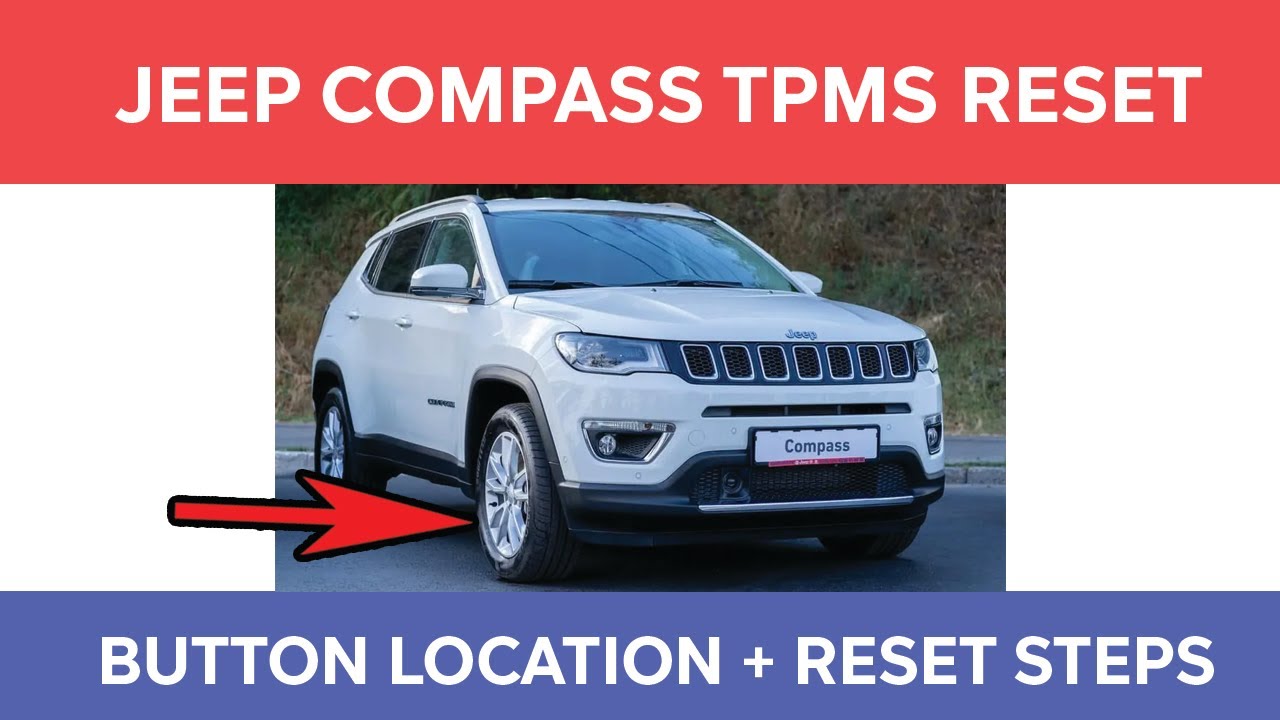
- If the light remains, try the manual reset: With the car off, turn the ignition to “ON” (do not start the engine). Hold the TPMS reset button (often under the steering column) until the light blinks three times. Then start the car and drive for 10 minutes.
When Reset Does Not Work
If the light still stays on, it may mean a sensor problem or a system fault. In this case, further steps are needed.
Diagnosing And Fixing Tpms Sensor Problems
Sometimes, the issue is not the tire pressure, but the sensor itself.
Signs Of A Bad Sensor
- TPMS light flashes when you start the car, then stays on.
- Multiple tire warnings, even after checking pressure.
- Recent battery change or tire service.
How To Test Sensors
Many auto parts stores will check your sensors for free. They use a handheld tool that reads each sensor’s data.
Replacing A Faulty Sensor
If a sensor is dead, you need to replace it. Here’s how:
- Buy the right sensor: Use your Jeep’s VIN or ask at the dealership.
- Remove the tire: A tire shop or mechanic should do this.
- Install and program the new sensor: Modern sensors must be programmed to your Jeep.
- Reset the TPMS system.
Sensor batteries last 5-10 years, so if your Jeep is older, expect this repair.
Data Comparison: Tpms Sensor Lifespan
| Jeep Compass Model Year | Average Sensor Battery Life | Typical Replacement Cost |
|---|---|---|
| 2011-2016 | 5-7 years | $60-$120 per sensor |
| 2017-2023 | 7-10 years | $70-$130 per sensor |
How Temperature Affects Tire Pressure
Many Jeep Compass owners are surprised when the TPMS warning light comes on during cold mornings. This is normal and happens because air contracts in cold weather.
- For every 10°F drop in temperature, tire pressure drops about 1 PSI.
- If the weather warms up, pressure rises again.
If the light comes on after a cold night, check and adjust your tires, but don’t overinflate just to get the light off. Set the pressure to the recommended value.

Credit: www.reddit.com
What To Do After Tire Rotation Or Replacement
Changing or rotating tires can confuse the TPMS system. Here’s how to handle it:
- Make sure sensors are not damaged during tire change.
- Ask the tire shop to re-learn or reset the TPMS using their scan tool.
- Drive normally for 10-20 minutes to allow the system to update.
If you install new wheels without sensors, the light will stay on permanently.
Tpms And Spare Tire: What You Should Know
Some Jeep Compass models have a sensor in the spare tire. If you use the spare or it has low pressure, the light will stay on.
- Always check the spare when the warning appears.
- Keep it inflated to the recommended pressure.
This is a detail many drivers miss when checking for the cause of the TPMS warning.
Credit: www.youtube.com
When To Visit A Mechanic
There are times when you should get professional help:
- The TPMS warning light flashes, then stays on.
- You replaced the sensor but the light will not reset.
- There is a TPMS error code on a scan tool.
- You hear a metallic sound from a tire (could be a broken sensor).
A mechanic has the right tools to diagnose and fix deeper electrical or sensor issues.
Diy Vs. Professional Help: Which Is Best?
You can handle most TPMS warning light issues yourself, especially checking and adjusting tire pressure. But for sensor replacement, programming, or electrical faults, a professional is safer.
| Fix | Can You Do It Yourself? | Professional Needed? |
|---|---|---|
| Adjusting tire pressure | Yes | No |
| TPMS reset with button | Yes | Sometimes |
| Sensor replacement | No | Yes |
| Electrical fault repair | No | Yes |
Common Mistakes To Avoid
Fixing the TPMS warning light is not hard, but there are mistakes you should avoid:
- Ignoring the warning: Driving with low pressure can ruin your tires and put you at risk.
- Only checking one tire: The light means any tire could be low, including the spare.
- Overfilling tires: Too much air is also dangerous.
- Not resetting the system: After fixing the problem, you must often reset the warning.
- Forgetting about tire rotation: Every time tires are rotated, sensors may need attention.
How To Prevent Future Tpms Problems
It’s easier to prevent the warning than to fix it later.
- Check tire pressure monthly, especially before long trips.
- Inspect tires for damage, nails, or leaks.
- Keep valve caps on to prevent dirt in the valve.
- Have sensors checked when changing tires.
- Replace old sensors before they fail if your Jeep is over 5 years old.
Many drivers overlook the valve caps, but they are cheap insurance against leaks and sensor damage.
Jeep Compass Tpms Quick Reference
For fast answers, use this quick reference for your Jeep Compass:
| Problem | Likely Cause | Action Needed |
|---|---|---|
| Solid TPMS light | Low or high tire pressure | Check and adjust all tires |
| Flashing TPMS light | Sensor fault or electrical issue | Scan and repair system |
| Light after tire change | Sensor not reset or damaged | Reset/re-learn system |
| Light after cold night | Temperature drop | Check/adjust pressure |
Frequently Asked Questions
What Does The Jeep Compass Tpms Light Mean?
The TPMS light means one or more of your tires is not at the correct pressure. It can also mean a sensor is not working.
Can I Drive With The Tpms Warning Light On?
You can drive short distances, but it’s risky. Low tire pressure can lead to a blowout. Check and fix the problem as soon as possible.
How Do I Reset The Tpms Light On My Jeep Compass?
After adjusting the tire pressure, drive for 10-20 minutes. If the light stays on, try using the TPMS reset button or consult your owner’s manual.
How Much Does It Cost To Replace A Jeep Compass Tpms Sensor?
It usually costs between $60 and $130 per sensor, including parts and labor. Prices depend on your model year and location.
Where Can I Learn More About Tire Pressure And Tpms Systems?
For more technical details, you can visit the official Tire-pressure monitoring system page on Wikipedia.
When you understand your Jeep Compass TPMS warning light, you drive safer and save money. Most problems are simple to fix at home. But when in doubt, ask a professional. Your tires, and your safety, depend on it.

Credit: www.reddit.com



