
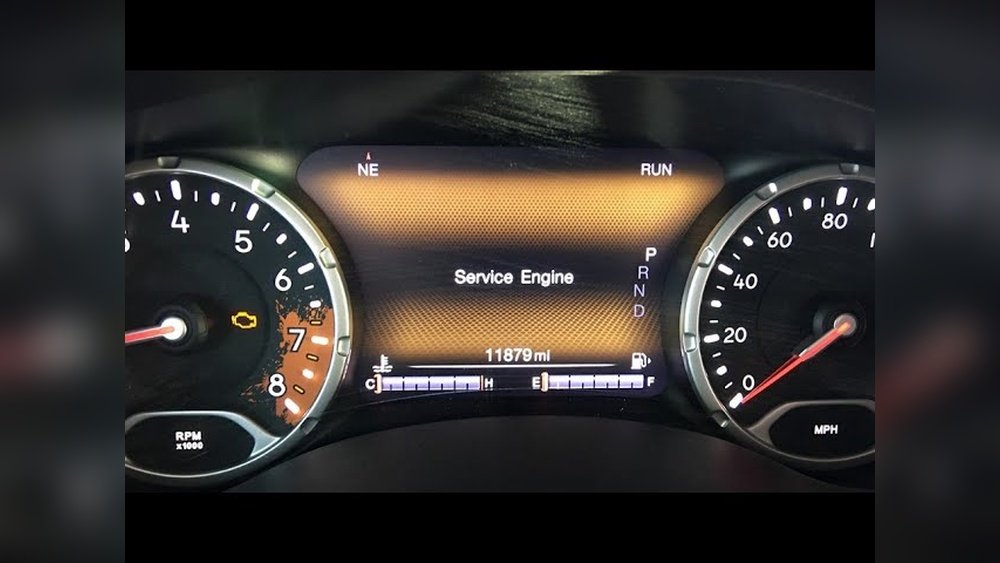
If you drive a Jeep Renegade, seeing the check engine light come on can be stressful. This small yellow or orange warning light means your car’s engine or emissions system has detected a problem. Sometimes, the issue is minor, like a loose gas cap. Other times, it could be a sign of something more serious. Acting quickly can save you time, money, and headaches. In this article, you’ll learn how to fix the Jeep Renegade check engine light step by step, understand what causes it, and avoid common mistakes. By the end, you’ll feel confident about what to do if this light appears on your dashboard.
What The Jeep Renegade Check Engine Light Means
The check engine light (CEL) is part of your vehicle’s On-Board Diagnostics (OBD) system. When this light turns on, your Jeep’s computer (ECU) has detected an error in the engine, transmission, or emissions system. The light may appear as a simple engine symbol, or say “Check Engine.” Sometimes it flashes, sometimes it stays solid.
Solid light: Usually means a minor issue, but still needs attention.
Flashing light: Signals a serious problem, often related to misfiring or potential damage to the catalytic converter. If you see a flashing light, reduce speed and get your car checked immediately.
Ignoring the light can result in poor fuel economy, increased emissions, or even engine damage.
Common Reasons For The Check Engine Light
Understanding the common causes helps you react wisely. The most frequent reasons include:
1. Loose Or Faulty Gas Cap
A loose, cracked, or missing gas cap lets fuel vapor escape, triggering the light.
2. Oxygen Sensor Failure
The O2 sensor measures unburned oxygen in the exhaust. If faulty, it affects fuel efficiency.
3. Faulty Spark Plugs Or Ignition Coils
Bad plugs or coils cause misfires, rough running, and trigger the warning.
4. Catalytic Converter Issues
Converts harmful gases into safer emissions. Failure can harm the engine and the environment.
5. Mass Airflow Sensor Failure
This sensor helps determine how much air enters the engine. A faulty sensor leads to poor performance.
6. Faulty Thermostat
An engine running too hot or cold can turn on the check engine light.
7. Worn-out Battery Or Charging System Problems
Low voltage can trigger various warning lights.
8. Evap System Leaks
The evaporative emissions system prevents fuel vapors from escaping. Leaks or broken components set off the light.
9. Transmission Issues
Problems with shifting or slipping can cause the light to come on.
10. Software Update Needed
Sometimes, the vehicle’s computer needs an update from the dealer.
Quick First Steps When The Light Comes On
When your check engine light appears, don’t panic. Follow these simple steps:
1. Look For Other Warning Lights:
If you see oil, battery, or temperature warnings, stop driving right away.
2. Check The Gas Cap:
Tighten it until you hear a click. Wait a few drives to see if the light turns off.
3. Notice Any Changes:
Is the car driving differently? Any strange noises or smells? If yes, drive carefully or stop.
4. Reduce Speed If Flashing:
A flashing light means stop as soon as it’s safe.
These steps can sometimes solve simple issues immediately, like a loose gas cap—a cause that surprises many owners.
Diagnosing The Check Engine Light
To fix the problem, you need to know what’s wrong. Here’s how to diagnose the issue:
Using An Obd-ii Scanner
An OBD-II scanner plugs into your Jeep’s diagnostic port (usually under the dashboard). It reads error codes, called Diagnostic Trouble Codes (DTCs), that point to the problem.
- Many auto parts stores will scan your car for free.
- You can buy a simple OBD-II scanner or a Bluetooth version that works with your phone.
Example code:
P0455 – Large EVAP leak detected (often a loose gas cap)
Reading And Understanding Codes
Once you get a code, look it up in your owner’s manual or online. Each code links to a specific problem, like “Oxygen sensor circuit malfunction. ”
Non-obvious tip:
Some codes can be triggered by several causes. For example, a misfire code might come from bad spark plugs, dirty fuel injectors, or even a vacuum leak.
When To Seek Professional Help
If you see multiple codes, can’t identify the problem, or the light returns after you try a fix, visit a trusted mechanic or dealership. A professional has advanced tools and experience to find tricky issues.

Credit: www.reddit.com
How To Fix The Check Engine Light Yourself
Some causes of the check engine light are easy to fix at home. Here’s what you can do:
1. Tighten Or Replace The Gas Cap
- Remove the gas cap and check for cracks or damage.
- Reinstall and turn until you hear several clicks.
- If the light stays on, replace the cap with a genuine Jeep part.
2. Replace Spark Plugs And Ignition Coils
- Spark plugs should be changed every 30,000–60,000 miles (see your manual).
- Ignition coils may last longer, but can fail early.
- Always use parts that match your Jeep’s engine.
3. Change A Faulty Oxygen Sensor
- Oxygen sensors are located in the exhaust system.
- Use the OBD-II code to identify which sensor is bad (Jeep Renegades often have more than one).
- Replacement requires basic tools and safety gear.
4. Fix Or Replace The Mass Airflow Sensor
- Clean the sensor with a special cleaner (never use regular sprays).
- If cleaning doesn’t help, replace the sensor.
5. Check For Evap System Leaks
- Inspect hoses near the fuel tank and engine for cracks or loose connections.
- Small leaks can be hard to find. A smoke test at a repair shop may be needed.
6. Reset The Check Engine Light
- After fixing the problem, clear the code with your OBD-II scanner or disconnect the battery for 10–15 minutes.
- If the light returns, the problem may not be solved.
Non-obvious insight:
Just clearing the code without fixing the issue can make the problem worse and may cause your Jeep to fail an emissions test.
When To Visit A Mechanic
Some problems are too complex or risky for DIY fixes. If you notice:
- Persistent or flashing check engine light after basic fixes
- Strange noises (knocking, rattling, hissing)
- Strong fuel smells
- Poor acceleration or stalling
- Smoke from the exhaust
You should let a professional check your Jeep. Mechanics have tools to test sensors, measure pressures, and perform advanced diagnostics.

Credit: www.reddit.com
What To Expect At The Repair Shop
Understanding what happens at the shop helps you feel more confident.
1. Diagnostic Test:
The technician uses a professional scanner and may perform manual tests (like checking fuel pressure).
2. Estimate:
You’ll get a written estimate for parts and labor before work begins.
3. Repair And Reset:
The shop will fix the problem, clear the codes, and test drive your Jeep.
4. Warranty:
Ask if repairs are covered by warranty or if the shop offers a guarantee.
Sample Diagnostic And Repair Costs
Here is a quick comparison of typical costs:
| Problem | DIY Cost (USD) | Shop Cost (USD) |
|---|---|---|
| Gas Cap | 10–30 | 30–50 |
| Spark Plugs | 20–60 | 100–200 |
| Oxygen Sensor | 30–100 | 150–300 |
| EVAP Leak | 10–100 | 150–600 |
Actual prices depend on the model year, engine, and your region.
Preventing The Check Engine Light
Prevention is better than cure. Here’s how to avoid future warning lights:
- Keep up with maintenance:
Change oil, filters, and spark plugs on time.
- Use quality fuel:
Poor-quality gas can damage sensors and the fuel system.
- Check for recalls:
Some check engine light issues are caused by known defects. Check for recalls on the official Jeep website.
- Don’t ignore small changes:
If your Jeep feels different, get it checked before a small issue becomes a big one.
- Inspect hoses and wiring:
Once a year, check under the hood for loose or damaged parts.
Practical tip:
Keeping your battery in good condition can prevent many electrical-related check engine light triggers that most Jeep owners overlook.
Check Engine Light And Emissions Tests
In many areas, you need to pass an emissions test for registration. A lit check engine light means automatic failure.
| Emissions Test Status | Can You Pass? |
|---|---|
| Check Engine Light ON | No |
| Problem Fixed, Codes Cleared | Maybe (drive several days for system to reset) |
| No Codes, Light Off | Yes |
After repair, drive for about 50–100 miles. This allows the car’s computer to check all systems and “reset” the emissions monitors. Testing too soon can lead to a “not ready” result.
Are Jeep Renegade Check Engine Lights Common?
The Jeep Renegade is known for reliability, but like any modern car, check engine lights happen. According to owner surveys and repair databases, the most frequent causes are:
- Faulty sensors (O2, mass airflow)
- EVAP system leaks
- Ignition coil or spark plug problems
Most issues are not unique to Jeep; they are common to many small SUVs with similar engines. Early models (2015–2017) had more issues due to software bugs, but Jeep has released updates and recalls to fix many of these.
For more details about the Jeep Renegade and common issues, you can check the Jeep Renegade Wikipedia page.
Should You Drive With The Check Engine Light On?
You can sometimes drive short distances with a solid check engine light, as long as the car feels normal and there are no other warning lights. However, if the light is flashing, or if the car runs poorly, stop driving and get help.
Experience-based insight:
Even if the Jeep seems fine, driving for weeks with the light on can damage expensive parts like the catalytic converter.
Frequently Asked Questions
What Does A Flashing Check Engine Light Mean On A Jeep Renegade?
A flashing check engine light means your engine is misfiring badly. This is serious. Stop driving if possible, and have your Jeep checked right away to avoid damaging the catalytic converter.
How Do I Reset The Check Engine Light On My Jeep Renegade?
After fixing the problem, use an OBD-II scanner to clear the code. Alternatively, disconnect the battery for 10–15 minutes. If the problem is not fixed, the light will return.
Can A Bad Battery Cause The Check Engine Light To Come On?
Yes, a bad battery or charging issue can cause multiple warning lights, including the check engine light. Modern cars are sensitive to voltage changes.
How Long Can I Drive With The Check Engine Light On?
If the light is solid and the car runs normally, you can drive a short distance to a mechanic. If it’s flashing or the car feels different, stop as soon as it’s safe.
Will My Jeep Renegade Fail Emissions Testing If The Check Engine Light Is On?
Yes. Any time the check engine light is on, your Jeep will automatically fail an emissions test. Fix the problem and drive for several days before retesting.
Taking care of your Jeep Renegade’s check engine light quickly means more reliable driving and lower repair costs. With the right steps, you can solve most simple issues yourself and know when to seek expert help. Don’t ignore the warning—your Jeep and your wallet will thank you.

Credit: www.reddit.com


