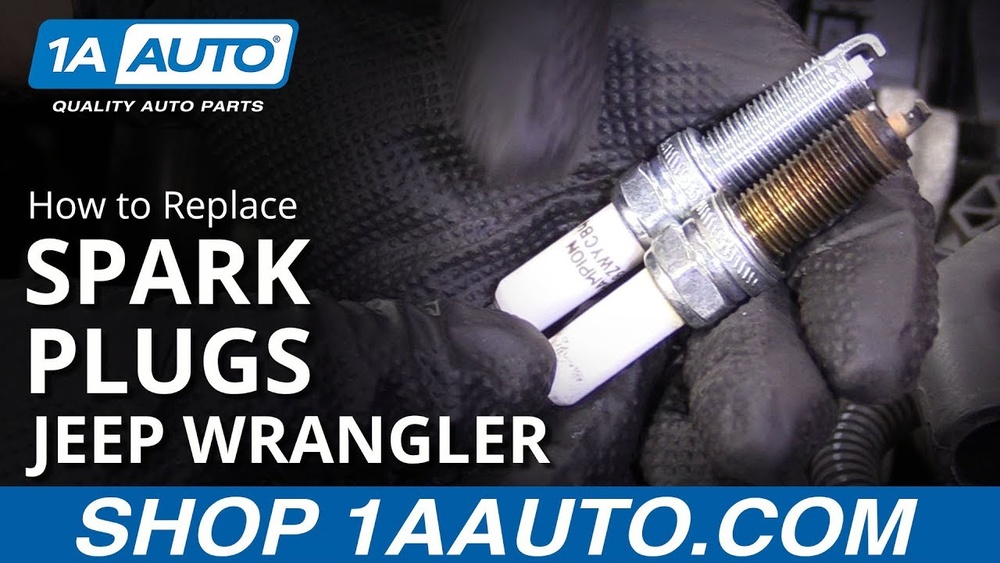
Changing the spark plugs on your Jeep Wrangler might sound difficult, but with the right tools and guidance, almost anyone can do it. Regular spark plug maintenance is key for engine efficiency, smooth driving, and even saving money on fuel. If your Jeep is running rough, hesitating on acceleration, or showing poor gas mileage, old spark plugs could be the cause. This guide will walk you through every step, from preparation to finishing touches, so you can confidently take care of your Wrangler’s engine at home.
Why Spark Plug Replacement Matters
Over time, spark plugs wear down. This can lead to misfires, a drop in power, and inefficient fuel use. For Jeep Wranglers, especially those used for off-roading or towing, maintaining optimal spark is even more important. A healthy set of spark plugs helps with:
- Better fuel economy
- Smoother engine idle
- Easier starting
- Lower emissions
Many Jeep Wrangler owners overlook spark plugs because they last tens of thousands of miles. But waiting too long can damage other engine parts. For most Wranglers, the recommended interval is every 30,000 to 100,000 miles, depending on the engine and plug type.
Tools And Materials You’ll Need
Having the right tools makes the job safer and faster. Here’s what you’ll need:
- New spark plugs (check your Wrangler’s manual for type and gap)
- Spark plug socket (usually 5/8” or 16mm, with a rubber insert)
- Ratchet wrench and extensions
- Torque wrench
- Spark plug gap tool
- Dielectric grease
- Anti-seize compound (optional, check plug manufacturer)
- Compressed air or a small brush
- Gloves and safety glasses
Pro tip: Some Jeep Wranglers, especially the 3.6L Pentastar V6 engines, have spark plugs that are deep in the engine bay. Using the right length extension can save frustration.
How To Choose The Right Spark Plugs For Your Jeep Wrangler
Not all spark plugs are the same. The correct type depends on your Jeep’s model year and engine. The three main types are copper, platinum, and iridium.
| Type | Typical Lifespan | Cost | Performance |
|---|---|---|---|
| Copper | 20,000 – 30,000 miles | Low | Good for older engines |
| Platinum | 60,000 – 100,000 miles | Moderate | Stable performance |
| Iridium | 80,000 – 120,000 miles | High | Best for modern engines |
Check your owner’s manual or look for the engine code to buy plugs with the correct heat range and gap. Installing the wrong type can cause misfires or poor fuel economy.
Preparing Your Jeep Wrangler
Before you start, ensure your Jeep is parked on a level surface with the engine completely cool. Hot engines can burn you and make spark plugs harder to remove.
- Open the hood and disconnect the negative battery terminal. This prevents accidental shorts.
- Remove any engine cover or air intake parts that block access to the plugs.
- Take a photo of the engine bay if you’re unsure about reconnecting parts later.
Cleaning the area around the spark plugs is a step many skip. Dirt or grit can fall into the cylinders when you remove the old plugs. Use compressed air or a brush to remove debris.
Step-by-step Spark Plug Replacement
Let’s break down the process to make each stage clear and safe.
1. Locate The Spark Plugs
Most Wrangler engines have either 4 or 6 cylinders. Each cylinder has its own spark plug, usually beneath a coil pack. Trace the thick wires or coil packs to find each plug.
2. Remove The Coil Packs Or Plug Wires
For coil-on-plug systems (common on newer Wranglers):
- Unplug the electrical connector.
- Remove the bolt(s) holding the coil in place.
- Gently twist and pull the coil up and out.
For plug wires (older models):
- Grasp the boot (never pull the wire itself).
- Twist and pull off.
3. Remove The Old Spark Plug
- Insert the spark plug socket and extension.
- Turn counterclockwise to loosen.
- Remove the plug gently; if it feels stuck, apply a small amount of penetrating oil and wait a few minutes.
If a plug is very tight, do not force it. Broken plugs are difficult to extract and may require professional help.
4. Inspect The Old Plugs
Look at the old plug tips. Signs of trouble:
- Black, oily deposits: Possible oil leak
- White, burnt tips: Overheating or running lean
- Heavy carbon: Rich fuel mixture or weak spark
Comparing your plugs helps diagnose engine issues before they become serious.
5. Set The Gap On New Spark Plugs
Even if plugs are “pre-gapped,” always check the gap with a tool. The correct gap is usually between 0.035 and 0.045 inches (0.9–1.1 mm), but verify for your engine.
- Slide the gap tool between the electrode and the tip.
- Adjust gently if needed. Too much force can damage the plug.
6. Apply Anti-seize And Dielectric Grease
Some plug manufacturers say not to use anti-seize, as modern plugs often have special coatings. If in doubt, check the instructions. Use only a tiny amount if you apply it.
- Apply a small dab of dielectric grease inside the coil boot or plug wire boot. This prevents moisture and makes future removal easier.
7. Install The New Spark Plug
- Carefully thread the new plug in by hand to avoid cross-threading.
- Once finger-tight, use a torque wrench to tighten to the manufacturer’s spec, usually 13–20 ft-lbs (18–27 Nm).
Over-tightening can strip threads; too loose can cause leaks or misfires.
8. Reinstall Coil Packs Or Plug Wires
- Place the coil pack or wire back onto the new plug.
- Secure with bolts or clips.
- Reconnect the electrical connector.
Repeat these steps for each cylinder.
9. Reassemble And Reconnect
- Replace any engine covers or air intake parts you removed.
- Reconnect the negative battery terminal.
Key Differences In Wrangler Model Years
Not all Jeep Wranglers have the same engine layout. Here’s a comparison to help:
| Model Year | Engine | Number of Plugs | Notable Differences |
|---|---|---|---|
| 1997-2006 (TJ) | 4.0L I6 | 6 | Plug wires, easier access |
| 2007-2011 (JK) | 3.8L V6 | 6 | Coil pack, deeper plugs |
| 2012-2018 (JK) | 3.6L V6 | 6 (x2 per cylinder) | 12 plugs, more time needed |
| 2018+ (JL) | 2.0L Turbo/3.6L V6 | 4 or 6 | Turbo needs more care |
The 3.6L Pentastar has two plugs per cylinder. This means 12 plugs for a six-cylinder engine, so budget extra time.

Credit: www.reddit.com
Common Mistakes And How To Avoid Them
Even experienced DIYers make errors when changing spark plugs. Here are some to watch out for:
- Cross-threading the plug: Always start threading by hand.
- Wrong plug gap: Double-check with a tool, even if “pre-gapped.”
- Forgetting to torque: Over- or under-tightening can cause engine damage.
- Skipping dielectric grease: This can lead to stuck boots and moisture problems.
- Mixing up coil packs or wires: Label them if needed.
- Dropping debris: Clean around the plug before removal.
A tip few mention: If a plug is in a tricky spot, use a piece of rubber hose. Slip it over the plug’s tip to start threading. This gives you more control and reduces cross-threading risk.
Signs You Need To Replace Spark Plugs
If you’re not sure when to change your Jeep Wrangler’s spark plugs, watch for these warning signs:
- Rough idling
- Engine misfires
- Difficulty starting
- Poor fuel economy
- Loss of power
For off-roaders or those towing heavy loads, spark plugs can wear out faster. Inspect them more often if you drive in tough conditions.
Credit: wranglerjkforum.net
How Long Does It Take To Change Spark Plugs?
For most Jeep Wranglers, plan on 1 to 2 hours for the job. If it’s your first time or you have a 3. 6L engine with 12 plugs, it could take longer. Set aside extra time so you don’t feel rushed.
What To Do After Changing Spark Plugs
Once you’ve finished:
- Double-check all connections and bolts.
- Start the engine and listen for smooth operation.
- Take a short drive and notice any improvement in performance.
If the engine runs rough or check engine light appears, recheck your work. A loose coil connector or unseated plug can cause issues.
Cost Of Changing Spark Plugs
If you do it yourself, expect to pay between $30 and $90 for parts, depending on plug type and how many your engine needs. A shop may charge $150–$350 for labor.
When To Get Professional Help
While most Wrangler owners can handle spark plug changes, some situations need a mechanic:
- Plugs are stuck or broken
- Engine bay access is very tight
- You notice heavy oil or coolant on old plugs
Professional service can prevent accidental damage in these cases.

Credit: www.youtube.com
Extra Tips For Jeep Owners
- Keep a maintenance log with date and mileage of every plug change.
- Use only quality spark plugs from trusted brands.
- If you off-road often, check plugs more frequently.
- Always dispose of old spark plugs responsibly.
For more technical details or engine-specific advice, see the official Jeep website.
Frequently Asked Questions
What Is The Spark Plug Gap For A Jeep Wrangler?
The gap varies by engine, but most Wrangler engines use a gap between 0.035 and 0.045 inches. Always check your owner’s manual or the emissions label under the hood for the correct setting.
How Often Should I Change Spark Plugs On My Jeep Wrangler?
For most models, change spark plugs every 30,000 to 100,000 miles. The interval depends on the type of spark plug and your driving habits.
Can I Change Spark Plugs On A Hot Engine?
No, always let the engine cool fully before starting. Hot metal can cause burns and make spark plugs harder to remove.
Do I Need To Replace All Spark Plugs At Once?
Yes. Replacing all plugs at the same time ensures balanced performance and prevents uneven wear.
What Are The Signs Of Bad Spark Plugs In A Jeep Wrangler?
Common symptoms include misfiring, poor acceleration, rough idle, hard starting, and reduced fuel efficiency. If you notice these, inspect your spark plugs soon.
Changing the spark plugs on your Jeep Wrangler is a valuable skill that saves money and keeps your vehicle running strong. Take your time, use quality parts, and follow each step. With a little patience, you’ll have your Wrangler ready for the next adventure—on or off the road.