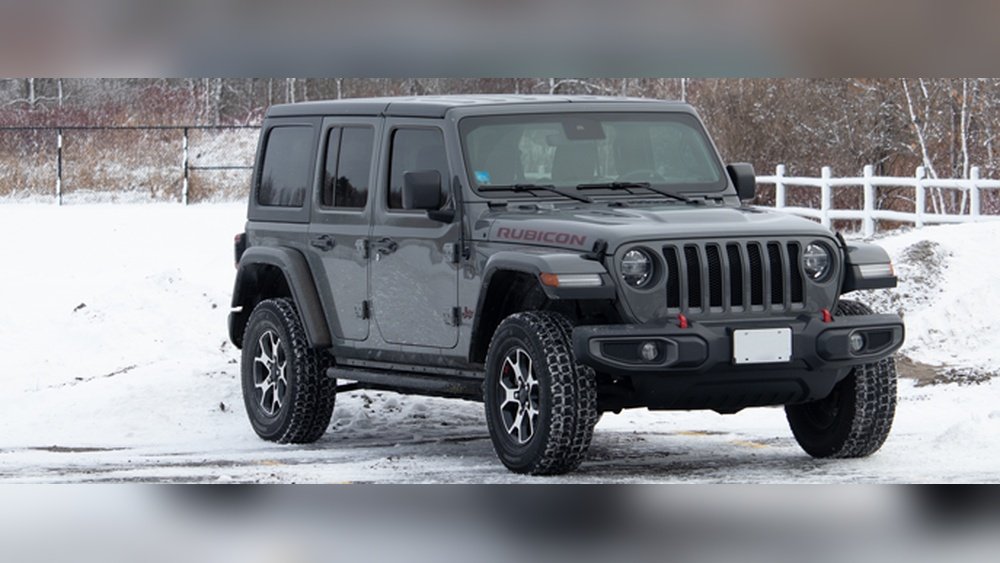
The Jeep Wrangler is a true icon among off-road vehicles. Its rugged design and adventurous spirit attract drivers around the world. However, like any popular car, the Wrangler has its share of common problems. If you own one, or plan to buy, knowing these issues—and how to fix them—can save you time, money, and headaches.
Many Wrangler owners love the freedom these vehicles offer. But some first-time buyers are surprised by the quirks and repairs that come with the territory. This guide explains the most frequent Jeep Wrangler problems, gives practical fixes, and shares advice from real-world experience.
Whether you’re a new owner or a long-time fan, this article will help you keep your Wrangler running strong on and off the road.
Engine Problems
Oil Leaks
The Jeep Wrangler is known for oil leaks, especially from the rear main seal and valve cover gaskets. Owners often notice oil spots under the car or a burning smell. This problem is more common in older Wranglers, especially those with high mileage.
Fix: Check for oil around the engine and under the vehicle. If you see a leak, replace the gasket or seal as soon as possible. Ignoring oil leaks can lead to engine damage. For small leaks, gasket sealers can help temporarily, but a full replacement is the best solution.
Engine Misfire
An engine misfire makes the Wrangler run rough, lose power, or shake while driving. Faulty spark plugs, ignition coils, or fuel injectors are common causes. Sometimes, a dirty throttle body or intake can also trigger misfires.
Fix: Start by checking the spark plugs and wires. Replace them if worn out. If the problem continues, scan the vehicle for error codes with an OBD-II reader. This helps pinpoint the faulty part. Regular maintenance and using quality fuel can prevent many engine misfires.
Overheating
Wranglers, especially those used for off-roading or towing, can suffer from overheating. Common causes are a bad radiator, clogged hoses, broken thermostat, or low coolant level.
Fix: Regularly check the coolant level and top it up with the correct mix. Inspect the radiator and hoses for leaks or blockages. Replacing the thermostat is a simple and affordable job if it’s not opening correctly. For frequent overheating, flush the cooling system and consider installing a heavy-duty radiator if you live in a hot area or drive in tough conditions.
Transmission And Drivetrain Issues
Manual Transmission Grinding
Many manual transmission Wranglers develop grinding noises or difficulty shifting, especially into second gear. This usually means the synchronizer rings are worn, or the clutch isn’t releasing fully.
Fix: Changing the transmission fluid can help if it’s dirty. If grinding continues, a mechanic should inspect and possibly rebuild the transmission. For clutch problems, adjust or replace the clutch as needed. Avoid aggressive shifting to extend the lifespan of these parts.
Automatic Transmission Slipping
Some automatic transmission models, especially in the early 2000s, experience slipping, delayed shifting, or shuddering. Low or dirty transmission fluid is the most common cause.
Fix: Check and change the transmission fluid and filter. If slipping continues, get the transmission diagnosed by a specialist. Regular fluid changes every 30,000–60,000 miles can prevent many automatic transmission issues.
Transfer Case Problems
The transfer case allows the Wrangler to switch between two-wheel and four-wheel drive. Some owners report grinding noises, leaks, or the vehicle popping out of 4WD.
Fix: Inspect the transfer case for leaks and check the fluid level. If you hear noises or have shifting issues, the internal gears or chain might be worn. Replacing the chain or rebuilding the transfer case can solve these problems. Always use the correct transfer case fluid recommended by Jeep.
Suspension And Steering Troubles
Death Wobble
The infamous death wobble is a violent shaking of the steering wheel, often after hitting a bump at highway speeds. This issue is most common in Wranglers with solid front axles and modified suspensions, but it can happen to stock vehicles too.
Fix: Inspect the track bar, tie rod ends, ball joints, and steering stabilizer for wear. Replace any loose or damaged parts. Make sure all suspension bolts are torqued to factory specs. Wheel alignment and balancing also help reduce the chance of death wobble.
Loose Steering
Many Wrangler owners notice loose steering or wandering on the highway. Worn steering components, especially the drag link or tie rod ends, are usually to blame.
Fix: Check for play in the steering system. Replace worn parts with high-quality replacements. Upgrading to heavy-duty steering components can improve handling, especially if you use larger tires or drive off-road.
Suspension Sag
Over time, the Wrangler’s coil springs can sag, especially with heavy off-road use or if you carry a lot of gear. This lowers the ride height and affects handling.
Fix: Replace old springs with new or upgraded ones. Consider a lift kit if you want more ground clearance for off-roading. Always align the wheels after suspension work to prevent uneven tire wear.
Electrical And Electronic Issues
Tipm Failure
The Totally Integrated Power Module (TIPM) controls many electrical functions. Failures can cause power windows, door locks, fuel pump, or wipers to stop working. This issue is especially common in 2011–2014 Wranglers.
Fix: Resetting the TIPM may fix minor glitches. For ongoing problems, a replacement TIPM is usually required. Reprogramming may be needed by a dealer. To avoid electrical shorts, keep the battery terminals clean and check for water leaks in the engine bay.
Faulty Sensors
Oxygen sensors, crankshaft sensors, and other electronics can fail, causing warning lights or poor engine performance.
Fix: Scan the vehicle for error codes to identify the faulty sensor. Replace it with a quality part. Sensors wear out over time, so this is normal maintenance for high-mileage Wranglers.
Battery Drain
Wranglers sometimes have parasitic battery drains. Owners find their battery dead after a few days of not driving. Aftermarket accessories, like lights or stereos, often cause this.
Fix: Check for accessories that stay powered when the car is off. Use a multimeter to measure current draw. Remove or rewire faulty accessories. If the problem continues, have a professional check the vehicle’s wiring.
Body And Interior Concerns
Leaky Roof And Doors
Many Wrangler owners report leaks around the removable hard or soft top, doors, and windshield. Water can drip onto seats, carpets, or electronics.
Fix: Inspect seals and weatherstripping for cracks or damage. Replace worn seals. For soft tops, make sure the fabric is tight and properly installed. Aftermarket seals are available if factory parts don’t stop the leaks. Parking on a slope during heavy rain can also help water drain away.
Rust
Rust is a common problem, especially in older Wranglers exposed to road salt. The frame, floor pans, and fender flares are most at risk.
Fix: Regularly wash the underbody, especially in winter. Treat small rust spots with rust converter and touch-up paint. For severe rust, have a body shop repair or replace affected panels. Applying undercoating can prevent future rust.
Broken Door Handles And Latches
Wrangler door handles and latches are known to break, especially in cold weather or with heavy use.
Fix: Replace broken handles or latches with upgraded versions. Lubricate moving parts to prevent sticking. Avoid slamming doors, and use care when opening in freezing conditions.
Heating, Cooling, And Air Conditioning Problems
Heater Core Failure
The heater core can clog or leak, causing poor cabin heat or a sweet smell inside the Jeep.
Fix: Flushing the heater core may restore heat if it’s clogged. If it leaks, replacement is the only solution. This is a labor-intensive job, but essential for winter driving.
Weak Air Conditioning
Wrangler AC systems sometimes blow warm air or struggle to keep the cabin cool, especially in hot climates.
Fix: Check refrigerant level and recharge if low. If the AC doesn’t improve, the compressor, condenser, or blend doors may be faulty. Have a professional diagnose and repair complex AC issues.

Credit: thelandautorepair.com
Brakes And Wheels
Warped Brake Rotors
Many Wrangler owners complain of steering wheel vibration when braking. This usually means the brake rotors are warped.
Fix: Replace or resurface warped rotors. Use quality pads and avoid aggressive braking, especially after driving through water. Upgrading to heavy-duty rotors can help if you tow or drive off-road frequently.
Uneven Tire Wear
Misalignment, worn suspension parts, or incorrect tire pressure can cause uneven tire wear.
Fix: Rotate tires regularly, check alignment after off-road trips, and keep tires inflated to the recommended pressure. Replace worn suspension parts to extend tire life.
Real-world Cost Comparison
Understanding how Wrangler repair costs compare to other SUVs helps you plan your budget. Here is a look at average repair costs for common problems:
| Problem | Wrangler Avg. Cost | Other SUVs Avg. Cost |
|---|---|---|
| Oil Leak Repair | $350 | $300 |
| Transmission Rebuild | $2,000 | $1,800 |
| Suspension Repair | $700 | $650 |
| TIPM Replacement | $1,100 | $950 |
As you can see, Wrangler repairs are often similar or slightly higher than other SUVs, mainly due to their specialized parts and off-road capability.
Credit: www.youtube.com
Model Year Problem Comparison
Different Wrangler generations have unique issues. Here’s a quick overview:
| Model Year | Most Common Problem | Notes |
|---|---|---|
| 2007-2011 (JK) | TIPM failure | Frequent electrical issues |
| 2012-2017 (JK) | Engine misfire | 3.6L Pentastar issues |
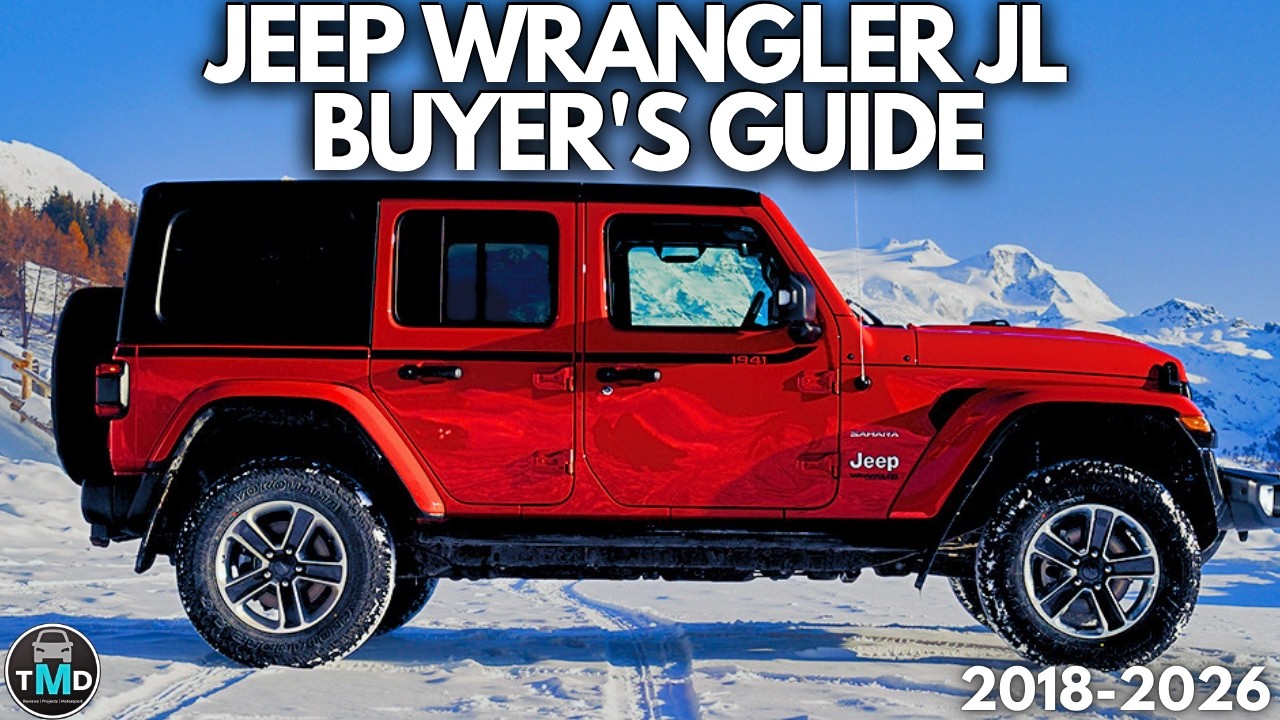
| 2018-2023 (JL) | Steering play | Recalls for steering box |
Always check for recalls or service bulletins for your specific model year before buying or repairing a Wrangler.
Ownership Tips And Non-obvious Insights
- Don’t ignore small leaks. Even minor oil or coolant leaks can ruin sensors or electronics, leading to expensive repairs.
- Aftermarket parts can solve problems. In some cases, upgraded aftermarket parts are more durable than factory replacements, especially for steering and suspension.
- Use the right fluids. Jeep engines and transmissions are sensitive to fluid type. Always use the fluid recommended in the owner’s manual.
- Off-roading increases wear. Frequent off-road use can speed up suspension, steering, and drivetrain wear. Inspect these parts more often if you love the trails.
- Keep records. Wranglers with good maintenance records have higher resale value, and repairs are easier to track.

Credit: www.youtube.com
Frequently Asked Questions
How Reliable Is The Jeep Wrangler Compared To Other Suvs?
The Jeep Wrangler is reliable for off-road use but may need more maintenance than some SUVs. Its simple design helps with repairs, but frequent off-road driving and removable tops can cause extra wear.
What Is The Jeep Wrangler “death Wobble”?
Death wobble is a severe steering shake, usually caused by worn suspension parts or poor alignment. Fixing loose components and balancing the wheels usually solves the problem.
Are Jeep Wrangler Engines Long-lasting?
Yes, with regular maintenance, Wrangler engines often last over 200,000 miles. Addressing leaks, using the right oil, and changing filters on time are important for longevity.
Is It Expensive To Maintain A Jeep Wrangler?
Maintenance costs are higher than small cars but similar to other 4×4 SUVs. Repairs can be more frequent if you off-road a lot or modify your vehicle heavily.
Where Can I Find More Information About Jeep Wrangler Recalls And Service Bulletins?
Check the official NHTSA website for the latest recall and safety information.
Jeep Wranglers offer adventure and fun, but they do require special care. Understanding these common problems and their solutions can help you enjoy your Jeep for years. With smart maintenance and a little attention to detail, your Wrangler will be ready for the next journey—on-road or off.