If you love your Jeep Wrangler JL, you probably enjoy every drive—windows down, music up. But if your sound system feels weak, installing new door speakers can make a big difference. Upgrading your speakers is one of the most popular DIY projects for Jeep owners. It’s not just about louder music; it’s about clearer sound, deeper bass, and a more enjoyable ride. Whether you’re cruising the highway or exploring rough trails, great audio helps set the mood.
Many Jeep JL owners worry about installing door speakers themselves. The process can look complicated, but with the right tools and clear steps, almost anyone can do it. This guide walks you through everything: choosing speakers, removing panels, wiring, mounting, and testing. Along the way, you’ll learn tips that even experienced installers sometimes miss. After reading, you’ll feel confident and ready to upgrade your Jeep’s sound.
Understanding Jeep Wrangler Jl Door Speakers
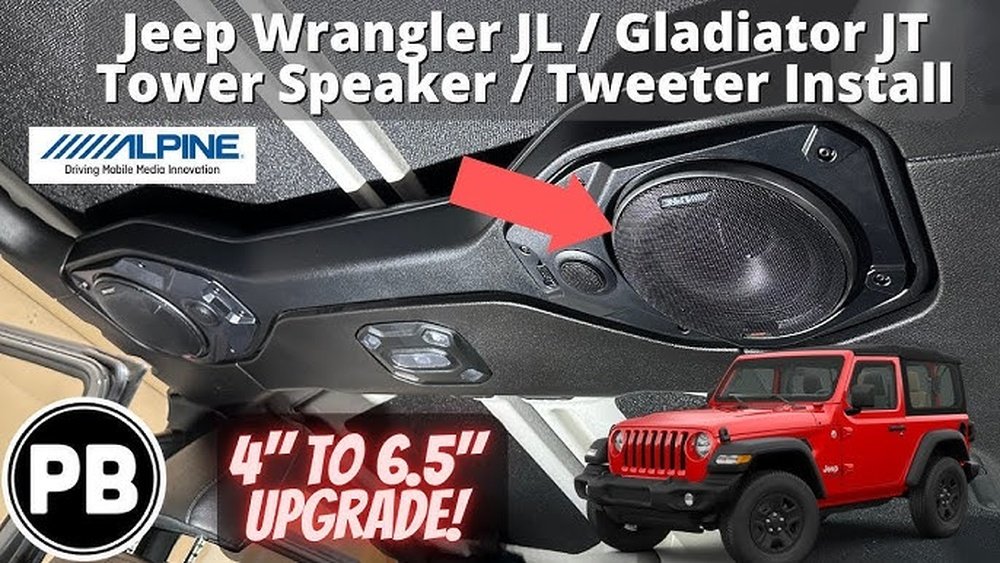
Before you start, it’s important to know what kind of speakers your Jeep JL uses. The Wrangler JL (2018 and newer) typically has 4-inch or 6.5-inch speakers in the front doors. Some models come with a premium Alpine system, but most have standard factory speakers, which are often underpowered.
Why upgrade? Factory speakers often lack bass and clarity. Aftermarket speakers use better materials, such as polypropylene cones and rubber surrounds. These parts make a big difference in sound quality and durability. You can pick from coaxial speakers (all-in-one) or component speakers (separate tweeter and woofer). Coaxial is easier to install, while component gives richer sound.
Here’s a quick comparison of factory vs aftermarket speakers:
| Feature | Factory Speakers | Aftermarket Speakers |
|---|---|---|
| Material | Paper cone | Polypropylene, rubber |
| Power Handling | 10-25 watts | 30-100 watts |
| Sound Quality | Basic | Enhanced |
| Price | Included | $30-$200 per pair |
Choosing The Right Door Speakers
Picking the right speakers is crucial. You want them to fit your Jeep, sound great, and last long. Here are the main factors:
- Size: Measure your Jeep JL door speaker opening. Most models use 4-inch or 6.5-inch speakers. If you pick the wrong size, they won’t fit.
- Power Handling: Check your stereo’s power output (RMS watts). Choose speakers that match or are slightly higher. Too high, and your stereo won’t drive them well; too low, and you might get distortion.
- Sensitivity: If you use a factory stereo, pick speakers with high sensitivity (90 dB or more). This means they can play loud with less power.
- Build Quality: Look for speakers with polypropylene cones and rubber surrounds. These handle moisture and last longer.
- Brand Reputation: Trusted brands like JBL, Kicker, Alpine, and Pioneer often give better quality.
- Budget: Prices range from $30 to $200 per pair. Don’t just buy the cheapest; balance quality and cost.
Here’s a comparison of three popular speaker models:
| Brand | Size | Sensitivity | Power (RMS) | Price |
|---|---|---|---|---|
| JBL GTO629 | 6.5″ | 93 dB | 60W | $99 |
| Kicker DSC44 | 4″ | 88 dB | 30W | $49 |
| Alpine SPS-610 | 6.5″ | 88 dB | 80W | $110 |
Non-obvious tip: If you plan to add an amplifier later, choose speakers with higher RMS power handling. If not, stick with high sensitivity for best results.
Tools And Materials Needed
Before you start, gather the right tools. Missing tools can delay your project or cause mistakes. Here’s what you need:
- Phillips screwdriver
- Trim removal tool (plastic is best; prevents scratches)
- Socket wrench (usually 7mm, 10mm)
- Wire stripper/crimper
- Electrical tape
- Speaker adapter rings (for aftermarket speakers)
- Soldering iron (optional, for secure wire connections)
- Replacement speakers
- Wiring harness adapters (lets you connect new speakers to factory plugs)
Practical advice: Always use a trim tool. Metal screwdrivers can damage panels, causing rattles or ugly scratches.
Preparing Your Jeep Wrangler Jl
Preparation is important. Park your Jeep on a flat surface. Disconnect the battery’s negative terminal—this prevents electrical shorts and protects you and your Jeep.
Clear out the front seats if you need more space. Place a soft towel on the floor to protect panels when you remove them.
Common mistake: Some people forget to disconnect the battery. This can cause electrical shocks or damage the stereo. Always disconnect before starting.

Credit: dv8offroad.com
Removing Door Panels
Getting to the speakers means removing the door panels. This step takes patience, but careful work avoids damage.
- Remove screws: Start with visible screws in the door handle and armrest. Use the Phillips screwdriver.
- Pop off trim pieces: Use the trim removal tool to gently pry off plastic covers and panels. Work slowly; Jeep panels are sturdy but can crack.
- Lift the panel: Once screws and clips are free, lift the panel up and away. It may feel stuck—wiggle gently.
- Unplug wiring: Door panels have wires for windows and locks. Unplug these carefully.
Non-obvious insight: Mark each screw and clip as you remove them. Many Jeep owners mix up screws, causing rattles after reassembly.
Removing Old Speakers
Now you’ll see the old speakers mounted in the door. Removing them is simple:
- Unscrew the speakers: Use the socket wrench. Most have 3-4 screws.
- Disconnect wires: Factory speakers have a plug. Press the tab and pull gently.
- Remove the speaker: Pull it out, noting how it was mounted.
Tip: Take photos as you go. These help when you reinstall, especially if you’re unsure about wire positions.

Credit: www.youtube.com
Installing New Door Speakers
This is the main step. Here’s how to install aftermarket speakers:
- Attach speaker adapter rings: Most new speakers need adapter rings to fit Jeep doors. Screw them in place.
- Connect wiring harness adapter: This lets you plug new speakers into the factory wiring. Match colors; red is positive, black is negative.
- Secure new speakers: Place the speaker in the adapter ring. Screw it down firmly, but don’t over-tighten.
- Test the speaker: Before closing the panel, reconnect the battery and play music. Check for sound quality, volume, and rattles.
- Seal with foam tape (optional): Some speakers come with foam tape. This seals gaps, stops vibrations, and improves bass.
Data point: Installing speakers usually takes 30–60 minutes per door. Some people rush, but careful work avoids mistakes.
Reinstalling Door Panels
Once your new speakers work, reinstall the panels:
- Reconnect window/lock wiring: Plug in all connectors.
- Align panel: Place the panel back in position. Make sure clips and hooks line up.
- Press clips firmly: Push the panel until all clips snap in. You should hear clicks.
- Replace screws and trim: Use your notes/photos to put everything back in the right order.
Practical tip: Press all around the panel edge to ensure clips are fully engaged. Loose clips cause rattles and unwanted noises.
Final Testing
With everything back in place, test your speakers:
- Play different music: Bass-heavy, vocals, and high notes
- Check for distortion at high volume
- Listen for rattles from panels or loose screws
If you notice problems, open the panel and check connections or tighten screws.
Non-obvious insight: Sometimes factory wiring is reversed (positive/negative). If your sound is thin, try swapping the wires. This fixes phase issues, improving bass.
Troubleshooting Common Issues
Even careful installers face problems. Here are solutions:
- No sound: Check wiring harness adapters and battery connection.
- Distorted sound: Lower the volume; check power handling of your speakers.
- Rattling panels: Make sure all clips and screws are tight. Add foam tape if needed.
- Speaker doesn’t fit: Double-check the size and adapter ring.
Experience-based tip: If you hear a buzzing sound only at certain frequencies, it’s often caused by loose screws or a gap between the speaker and the door.

Credit: dv8offroad.com
Improving Your Jeep Jl Audio Even Further
After upgrading door speakers, you can boost your Jeep’s audio more:
- Add a subwoofer for deeper bass
- Install an amplifier for clearer, louder sound
- Upgrade rear speakers and tweeters
Many Jeep owners start with door speakers, then build a full system over time.
Here’s a quick comparison of possible upgrades:
| Upgrade | Cost | Difficulty | Sound Improvement |
|---|---|---|---|
| Door Speakers | $50-$200 | Easy | Medium |
| Subwoofer | $150-$500 | Medium | High |
| Amplifier | $100-$300 | Medium | High |
Practical advice: If you use your Jeep for off-roading, look for waterproof speakers and secure all wires tightly.
Frequently Asked Questions
How Long Does It Take To Install Jeep Jl Door Speakers?
Most people spend 30–60 minutes per door, including panel removal and testing. If it’s your first time, allow extra time to avoid mistakes.
Do I Need An Amplifier For New Speakers?
If you use high-sensitivity speakers, your factory stereo is enough. For low-sensitivity or high-power speakers, an amplifier helps them sound better and louder.
Can I Install Speakers Without Cutting Wires?
Yes. Use wiring harness adapters designed for the Jeep JL. These connect new speakers to factory plugs, so you don’t cut or solder wires.
Will New Speakers Void My Jeep Warranty?
Usually not, as long as you don’t damage wiring or electronics. Check your warranty terms or ask your dealer for details. Installing speakers is a common upgrade.
What’s The Best Speaker Size For Jeep Jl Doors?
Most Jeep JL models use 4-inch or 6.5-inch speakers. Always measure your door opening before buying, as some trims may differ.
Upgrading your Jeep Wrangler JL door speakers is a rewarding project. You get better sound, more enjoyment, and pride in a job well done. With clear steps and the right tools, you can do it yourself—even if you’re new to car audio. If you want more information, visit the Crutchfield Car Speakers Guide for extra tips and detailed specs. Now, turn up the music and enjoy your Jeep’s new audio experience!