Choosing the right tires for your Jeep can make all the difference between a smooth ride and a rough, stuck adventure. You might be wondering: should you go for all terrain or mud terrain tires?
Each has its own strengths and weaknesses, and picking the wrong one could cost you time, money, and frustration. In this guide, you’ll discover exactly what sets these tires apart, helping you make a confident choice that matches your driving style and the terrain you love to tackle.
Keep reading to unlock the secrets that will keep your Jeep rolling strong, no matter where the road—or off-road—takes you.

Credit: www.youtube.com
All Terrain Tires Basics
All terrain tires are popular for Jeep owners who want a mix of on-road and off-road capability. These tires offer versatility and are designed to handle various driving conditions. They balance comfort, traction, and durability for everyday use and light off-roading.
Design Features
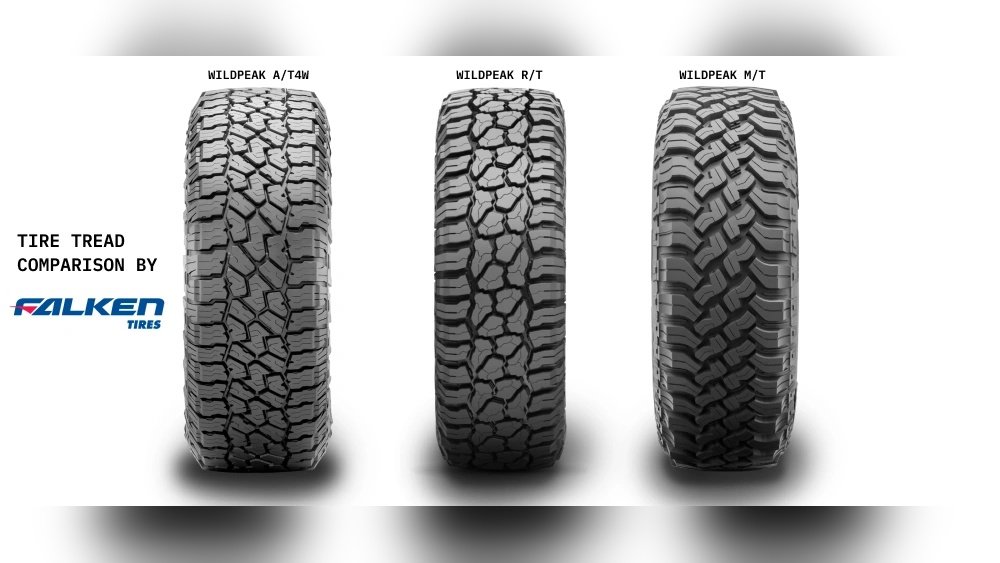
All terrain tires have a unique tread pattern. The pattern includes larger tread blocks with deeper grooves than regular tires. This design helps to grip loose surfaces like dirt, gravel, and sand. The sidewalls are reinforced to resist cuts and chips. The tread also has siping, small slits that improve traction on wet or icy roads.
Performance On Different Surfaces
These tires perform well on both paved roads and rough trails. They provide good traction on dry and wet pavement. On dirt and gravel, they offer solid grip and control. They handle mud and snow better than highway tires but not as well as mud terrain tires. All terrain tires give a quiet and smooth ride on highways.
Durability And Lifespan
All terrain tires are built to last longer than off-road-only tires. The rubber compound is harder to resist wear on pavement. They resist cuts and punctures from rocks and debris. Proper care and rotation can extend their life up to 40,000 to 60,000 miles. This makes them a cost-effective choice for daily drivers who explore off-road occasionally.
Credit: www.trailsoffroad.com
Mud Terrain Tires Essentials
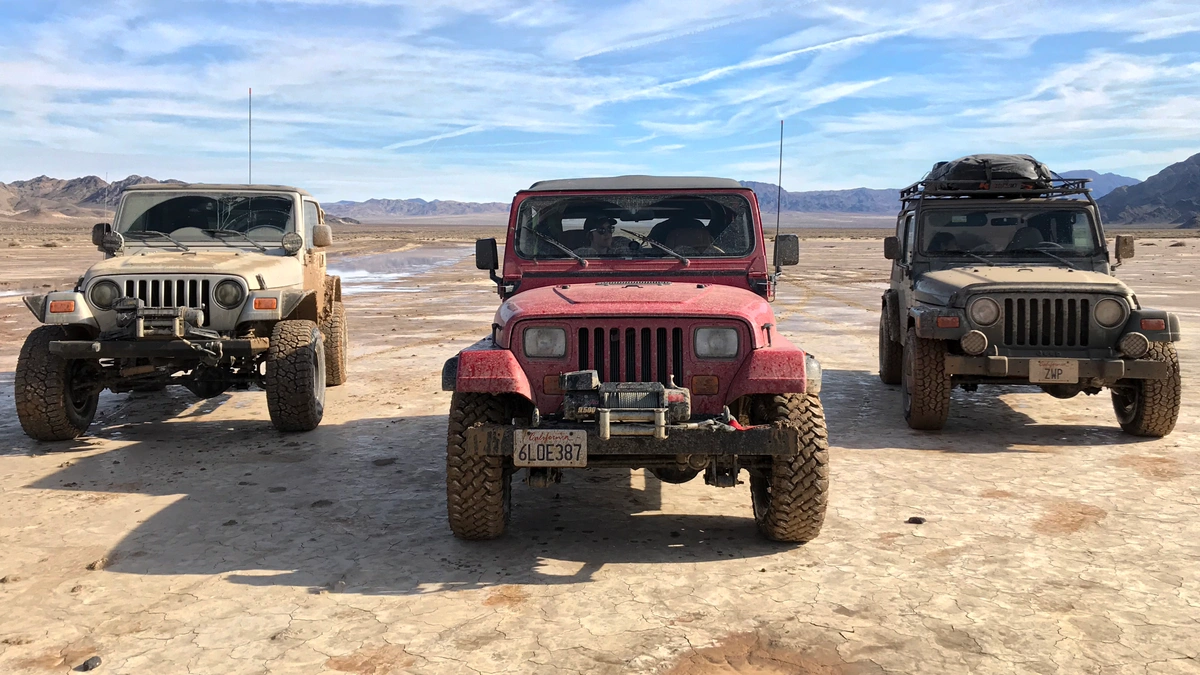
Mud terrain tires are key for Jeep drivers who explore off-road trails. These tires help your Jeep move through mud, dirt, and soft ground with ease. They offer strong grip and durability to handle tough conditions. Understanding the basics of mud terrain tires helps you choose the right ones for your Jeep.
These tires differ from all terrain tires in tread design and material. They provide better traction in muddy and loose surfaces. Learning about their tread patterns, handling, and wear can improve your off-road experience.
Tread Patterns And Grip
Mud terrain tires have large, deep tread blocks. These blocks push mud and dirt away from the tire. This keeps the tire surface clear for better contact with the ground. The wide gaps between tread blocks help the tire bite into soft terrain.
This design improves traction in slippery and muddy areas. It also helps the Jeep climb over rocks and roots. The aggressive tread pattern makes these tires loud on pavement but perfect off-road.
Handling In Mud And Soft Terrain
Mud terrain tires provide strong handling on soft surfaces. They prevent your Jeep from getting stuck by digging into mud and sand. The sidewalls of these tires are often reinforced for extra grip and damage resistance.
Driving with mud terrain tires feels different on pavement. They may feel less smooth but excel in rough terrain. These tires give confidence when crossing muddy trails and soft ground.
Wear And Tear Considerations
Mud terrain tires wear faster on hard surfaces like asphalt. Their soft rubber and large tread blocks can chip or wear down quicker. Regularly check for damage after off-road trips to maintain safety.
Rotation and balancing help extend tire life. Using mud terrain tires mainly off-road will keep them in better condition. Choosing the right tire size and pressure also affects wear.
Jeep Off-road Needs
Choosing the right tires for your Jeep is important for off-road adventures. Your Jeep’s off-road needs depend on the terrain and driving style. Tires affect grip, control, and safety on rough roads. Knowing your Jeep’s specific needs helps pick the best tires.
Common Off-road Conditions
Off-road trails vary a lot. Some have hard rocks, others deep mud or loose sand. Mud terrain tires work well in sticky, wet, and muddy areas. They have deep treads to clear mud easily. All terrain tires handle mixed surfaces like dirt, gravel, and pavement. They offer a balance for drivers who switch between off-road and city roads.
Jeep Model Compatibility
Not all tires fit every Jeep model perfectly. Some models like the Jeep Wrangler handle bigger, aggressive tires better. Smaller Jeeps might need lighter, less bulky tires. Check your Jeep’s size and suspension before buying. Proper fit ensures better performance and avoids damage.
Impact On Fuel Efficiency
Tire choice also affects fuel use. Mud terrain tires have bigger treads that create more drag. This can lower your Jeep’s gas mileage. All terrain tires are usually lighter and smoother, helping save fuel. Pick tires that balance your off-road needs with fuel efficiency.
Comparing Traction And Control
Traction and control are key for Jeep tires. They affect safety, handling, and comfort. Choosing the right tires depends on where you drive most. Both All Terrain (AT) and Mud Terrain (MT) tires offer different strengths. Understanding their grip on various surfaces helps you pick the best fit.
On-road Performance
All Terrain tires provide a smooth ride on paved roads. They have less road noise and better fuel efficiency. Mud Terrain tires are rougher on asphalt. Their large tread blocks cause more vibration and noise. AT tires offer better control and comfort for daily driving.
Off-road Performance
Mud Terrain tires excel in off-road conditions. Their deep, wide treads dig into mud and loose dirt. This gives strong grip and prevents slipping. All Terrain tires handle light trails well. They balance off-road ability with on-road comfort. MT tires are best for tough, muddy terrains.
Wet And Snow Conditions
All Terrain tires perform well in wet and snowy weather. Their tread design helps channel water and slush away. This reduces the risk of hydroplaning. Mud Terrain tires can struggle on wet roads. Their big tread blocks may not clear water quickly. For snow, AT tires offer more stability and control.
Ride Comfort And Noise
Ride comfort and noise play a big role in choosing the right tires for your Jeep. Different tires affect how smooth your drive feels and how much sound they make. This section compares all terrain and mud terrain tires on these points. It helps you understand which type fits your driving style best.
Noise Levels On Pavement
All terrain tires usually produce less noise on paved roads. Their tread patterns are less aggressive and more balanced. Mud terrain tires have larger, deeper tread blocks. These create more road noise, especially at high speeds. If you drive mostly in the city, all terrain tires offer a quieter ride.
Vibration And Handling
All terrain tires deliver smoother handling and less vibration. They have a design that absorbs road bumps better. Mud terrain tires can cause more vibration due to their stiff sidewalls and chunky tread. This stiffness affects steering feel and control on smooth surfaces. For daily driving, all terrain tires give better comfort and control.
Long Distance Driving Comfort
Long trips require tires that reduce fatigue and noise. All terrain tires keep cabin noise lower over long distances. Their smooth ride lowers driver tiredness. Mud terrain tires may increase fatigue with louder noise and rougher ride. For highway driving, all terrain tires are a better choice for comfort.

Credit: www.discountedwheelwarehouse.com
Cost And Maintenance
Choosing between all terrain and mud terrain tires affects your wallet beyond just the purchase. Cost and maintenance play a key role in deciding the right tires for your Jeep. Understanding these factors helps you plan your budget well.
Initial Price Differences
All terrain tires usually cost less than mud terrain tires. The design of mud tires is tougher and more complex. This makes them pricier. Prices vary by brand and size but expect to pay more for mud tires. All terrain tires suit daily driving and light off-road use. Mud terrain tires fit serious off-road conditions and rough surfaces.
Maintenance Tips
Keep your tires clean to avoid damage and wear. Check tire pressure often to keep them balanced. Rotate your tires regularly to extend their life. Mud terrain tires need more frequent checks because of their rough use. Avoid sharp objects and rough roads to prevent cuts. Use a tire sealant to protect against punctures, especially for mud tires.
Replacement Frequency
All terrain tires last longer on paved roads. Mud terrain tires wear faster on highways. Off-road use shortens tire life, especially for mud tires. Expect to replace mud tires sooner if used often on rough trails. Regular inspections help spot wear early. Timely replacement keeps your Jeep safe and ready for any terrain.
Choosing The Right Tire For You
Choosing the right tire for your Jeep is key to a good driving experience. Tires affect how your vehicle handles different roads and conditions. Picking tires that fit your needs keeps you safe and improves performance. This guide helps you decide between all terrain and mud terrain tires.
Consider how you use your Jeep most. This helps find tires that match your driving style. Think about the roads you drive on daily and the off-road adventures you want. The right tire makes every trip smoother and more fun.
Assessing Your Off-road Style
Start by thinking about where you go off-road. Light trails and gravel roads suit all terrain tires well. These tires handle mixed surfaces and light mud. For rough trails and heavy mud, mud terrain tires are better. They have deep treads to grip loose dirt and rocks. Choose based on how tough your off-road trips are.
Balancing Daily Use And Adventure
Consider how often you drive on paved roads. All terrain tires work well for daily driving and off-road use. They offer a quieter ride and longer tread life on highways. Mud terrain tires can be noisy and wear faster on pavement. Balance your time between road and trail to pick the best tire type.
Expert Recommendations
Experts suggest all terrain tires for drivers who want a mix of comfort and off-road ability. They fit most Jeep owners well. Choose mud terrain tires if you face tough off-road conditions often. Check tire reviews and ask Jeep clubs for advice. Proper tires improve safety and make driving more enjoyable.
Frequently Asked Questions
What Are The Main Differences Between All Terrain And Mud Terrain Tires?
All terrain tires offer balanced performance on roads and light off-road trails. Mud terrain tires provide superior traction in deep mud and rough terrains but may be noisy and less comfortable on highways.
Which Tire Type Is Best For Daily Driving Jeep Use?
All terrain tires are best for daily driving. They provide a quieter ride, better fuel efficiency, and adequate off-road capability for most Jeep owners.
Can Mud Terrain Tires Damage Paved Roads Or Vehicles?
Mud terrain tires can cause more road wear and increase noise levels. They may also reduce fuel efficiency and cause faster tread wear on paved surfaces.
How Do All Terrain Tires Perform In Off-road Conditions?
All terrain tires perform well on light off-road trails, gravel, and dirt roads. They offer good traction and durability but may struggle in deep mud or extreme rocky terrains.
Conclusion
Choosing between all terrain and mud terrain tires depends on your Jeep’s use. All terrain tires work well on roads and light off-road trails. Mud terrain tires handle deep mud and rough terrains better. Consider your driving style and typical paths before deciding.
The right tires improve safety and performance. Keep your Jeep ready for any adventure. Simple choices make a big difference. Choose wisely and enjoy every ride.