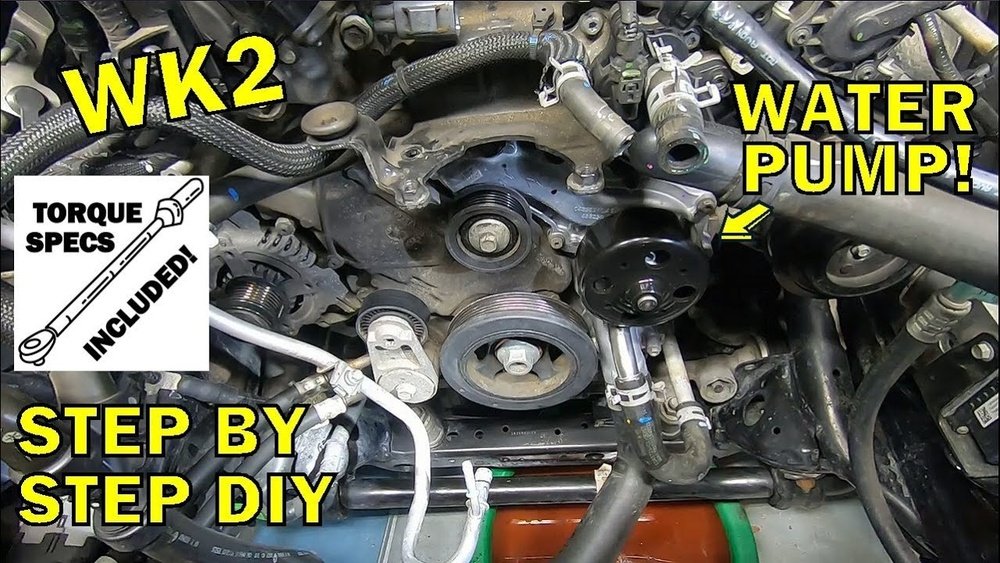
Is your Jeep Cherokee making a strange noise coming from the engine? That annoying water pump sound could mean trouble if you ignore it.
You might be wondering what causes this noise and how to fix it without spending a fortune. Don’t worry—this guide will help you understand why your water pump is acting up and show you easy steps to stop the noise for good.
Keep reading, and you’ll soon know exactly what to do to protect your Jeep and keep it running smoothly.
Common Causes Of Water Pump Noise
Water pump noise in a Jeep Cherokee can be annoying and may signal a problem. Understanding common causes helps fix the issue fast. Many parts of the water pump can create noise when they wear out or fail. Identifying the cause saves time and money on repairs.
Worn Bearings
Bearings inside the water pump wear down over time. Worn bearings create a grinding or whining noise. This happens because the pump no longer spins smoothly. The noise often gets louder as engine speed increases. Replacing the bearings or the whole pump usually stops the noise.
Loose Or Damaged Pulley
The pulley drives the water pump using the engine belt. A loose pulley can wobble and cause rattling sounds. A damaged pulley may have cracks or bends. This leads to unusual noises and may damage the belt. Tightening or replacing the pulley fixes the problem and restores smooth operation.
Coolant Contamination
Dirty or old coolant can harm the water pump. Contaminants cause corrosion inside the pump. Corrosion creates rough surfaces that make noise when the pump runs. Flushing the cooling system and refilling with fresh coolant helps reduce damage. This keeps the water pump quiet and working well.
Improper Belt Tension
The engine belt must have the right tension. Too tight or too loose belts cause squealing or chirping noises. Incorrect tension puts stress on the water pump and pulley. Adjusting the belt tension to the correct level stops the noise. It also extends the life of the belt and pump.

Credit: www.ebay.com
Signs Of A Failing Water Pump
The water pump is a key part of your Jeep Cherokee’s cooling system. It moves coolant through the engine to keep it from overheating. A failing water pump can cause serious engine problems. Knowing the signs helps you catch issues early. Spotting these signs saves time and money on repairs.
Unusual Engine Sounds
Listen for strange noises from the engine area. A failing water pump often makes a whining or grinding sound. These noises come from a worn-out bearing inside the pump. The sound may change with engine speed. Ignoring this noise can lead to pump failure.
Coolant Leaks
Check under your Jeep for puddles of coolant. The water pump can leak when its seals wear out. Coolant is usually green, orange, or pink. A leak near the front center of the engine is a strong clue. Low coolant levels can cause overheating and engine damage.
Overheating Engine
Watch the temperature gauge on your dashboard. A bad water pump can cause the engine to overheat. The pump may not circulate coolant properly. Overheating can lead to engine failure if not fixed quickly. Stop driving and check the cooling system if the gauge rises.
Steam From Radiator
Steam coming from the radiator or hood signals trouble. It often means the engine is too hot. A failing water pump can cause coolant to stop flowing. Steam appears when coolant boils and escapes from the radiator. This is a serious warning that needs immediate attention.
Tools And Materials Needed
Fixing the water pump noise on your Jeep Cherokee needs the right tools and materials. Having everything ready saves time and makes the job easier. Prepare these items before starting the repair.
Basic Hand Tools
Start with a set of wrenches and sockets. These help remove bolts and screws. A ratchet wrench is handy for tight spaces. Pliers and screwdrivers are useful for clamps and hose removal. A drain pan catches coolant during the process. A clean rag helps wipe spills and dirt.
Replacement Water Pump
Choose a water pump made for your Jeep Cherokee model. A quality pump ensures longer life and less noise. Check the part number carefully before buying. Some pumps come with gaskets or seals included. These parts prevent leaks after installation.
Coolant And Sealants
Use fresh coolant to refill the system. Old or dirty coolant can cause damage. Follow the recommended type for your Jeep. Silicone sealant or gasket maker may be needed. It helps seal the water pump and stops leaks. Apply sealant sparingly to avoid blockages.
Safety Equipment
Wear gloves to protect your hands from chemicals and sharp parts. Safety glasses keep debris out of your eyes. Use a face mask if you work in a dusty area. Make sure your workspace has good ventilation. Safety first keeps the job safe and smooth.

Credit: evparts4x4.com
Step-by-step Repair Process
Fixing a noisy water pump in a Jeep Cherokee requires careful steps. Follow each part of the process to ensure a smooth repair. This guide breaks down the repair into clear stages. Each step helps avoid mistakes and saves time.
Preparing The Vehicle
Park the Jeep on a flat surface. Let the engine cool completely. Disconnect the negative battery cable. Drain the coolant from the radiator. Remove any parts blocking access to the water pump.
Removing The Old Water Pump
Loosen the belt tensioner and remove the serpentine belt. Unscrew the bolts holding the water pump. Carefully pull the pump away from the engine. Clean the mounting surface to remove old gasket material.
Inspecting Related Components
Check the belt for cracks or wear. Look at the pulleys for damage or wobble. Examine hoses for leaks or soft spots. Replace any parts that seem faulty. This prevents future issues after repair.
Installing The New Water Pump
Place a new gasket on the mounting surface. Position the new water pump in place. Tighten the bolts evenly to the correct torque. Reinstall the serpentine belt and adjust tension. Make sure the pump spins freely.
Refilling And Bleeding Coolant
Refill the radiator with the correct coolant mix. Start the engine and let it reach operating temperature. Open the bleed valve to release trapped air. Top off the coolant as needed. Check for leaks and noise after repair.
Preventing Future Water Pump Noise
Preventing future water pump noise in your Jeep Cherokee saves time and money. Regular care keeps the pump working smoothly. Noise often means the pump faces stress or wear. Simple steps help avoid these issues.
Focus on maintenance and parts quality. Catch problems early before they become serious. A quiet water pump means your engine stays cool and runs well.
Regular Maintenance Tips
Check the cooling system every few months. Look for leaks or unusual sounds. Clean debris around the pump and radiator. Tighten loose parts to avoid vibration. A clean, tight system reduces pump noise.
Checking Belt Condition
The belt drives the water pump. Inspect it for cracks, fraying, or wear. Replace belts that look old or damaged. A worn belt slips and makes noise. Proper belt tension keeps the pump running quietly.
Using Quality Coolant
Use the right coolant for your Jeep Cherokee. Cheap or wrong coolant causes corrosion inside the pump. Corrosion leads to noise and pump failure. Change coolant as recommended by the manufacturer. Good coolant protects the pump and engine.
Timely Replacement Intervals
Water pumps don’t last forever. Follow Jeep’s suggested replacement schedule. Replace the pump before it fails. Early replacement prevents breakdowns and noisy pumps. Keep a record of pump changes for reference.
When To Seek Professional Help
Knowing when to seek professional help for Jeep Cherokee water pump noise is important. Some problems need expert attention to avoid bigger damage. Identifying signs that you cannot fix yourself saves time and money. It also keeps your vehicle safe on the road.
Complex Symptoms
Some water pump noises come with other issues. Overheating, coolant leaks, or engine warning lights may appear. These signs show the problem might be serious. A professional mechanic can diagnose and fix complex problems safely.
Persistent Noise After Repair
Noise that continues after you try to fix it is a red flag. It means the root cause is still there. Professionals have the tools and experience to find hidden faults. They can replace parts correctly to stop the noise for good.
Warranty And Safety Concerns
Your Jeep may have a warranty that covers repairs. Trying to fix the water pump yourself could void it. Also, improper repairs can lead to safety risks. Trusting a certified technician protects your warranty and ensures safe driving.

Credit: www.youtube.com
Frequently Asked Questions
What Causes Water Pump Noise In Jeep Cherokee?
Water pump noise often comes from worn bearings or a loose pulley. Contaminated coolant can also damage the pump. Early diagnosis helps prevent engine overheating and costly repairs.
How To Identify A Failing Water Pump Noise?
Listen for a high-pitched squealing or grinding sound near the engine. Check for coolant leaks or overheating. These signs indicate the water pump may need replacement.
Can I Fix Jeep Cherokee Water Pump Noise Myself?
Yes, if you have basic mechanical skills. Replace worn bearings or the entire pump. Follow safety steps and use proper tools for a successful repair.
How Often Should I Replace My Jeep Cherokee Water Pump?
Typically, replace the water pump every 60,000 to 100,000 miles. Regular inspections help catch noise issues early. Follow your vehicle’s maintenance schedule for best results.
Conclusion
Fixing Jeep Cherokee water pump noise is not too hard. Start by checking the belt and pulley for wear. Listen closely to find the exact noise source. Replacing a worn water pump can stop the noise quickly. Keep your engine cool and avoid bigger problems.
Regular checks save time and money later. Take action soon to keep your Jeep running smooth. Small steps make a big difference in vehicle health. Stay safe and enjoy your drive without annoying sounds.