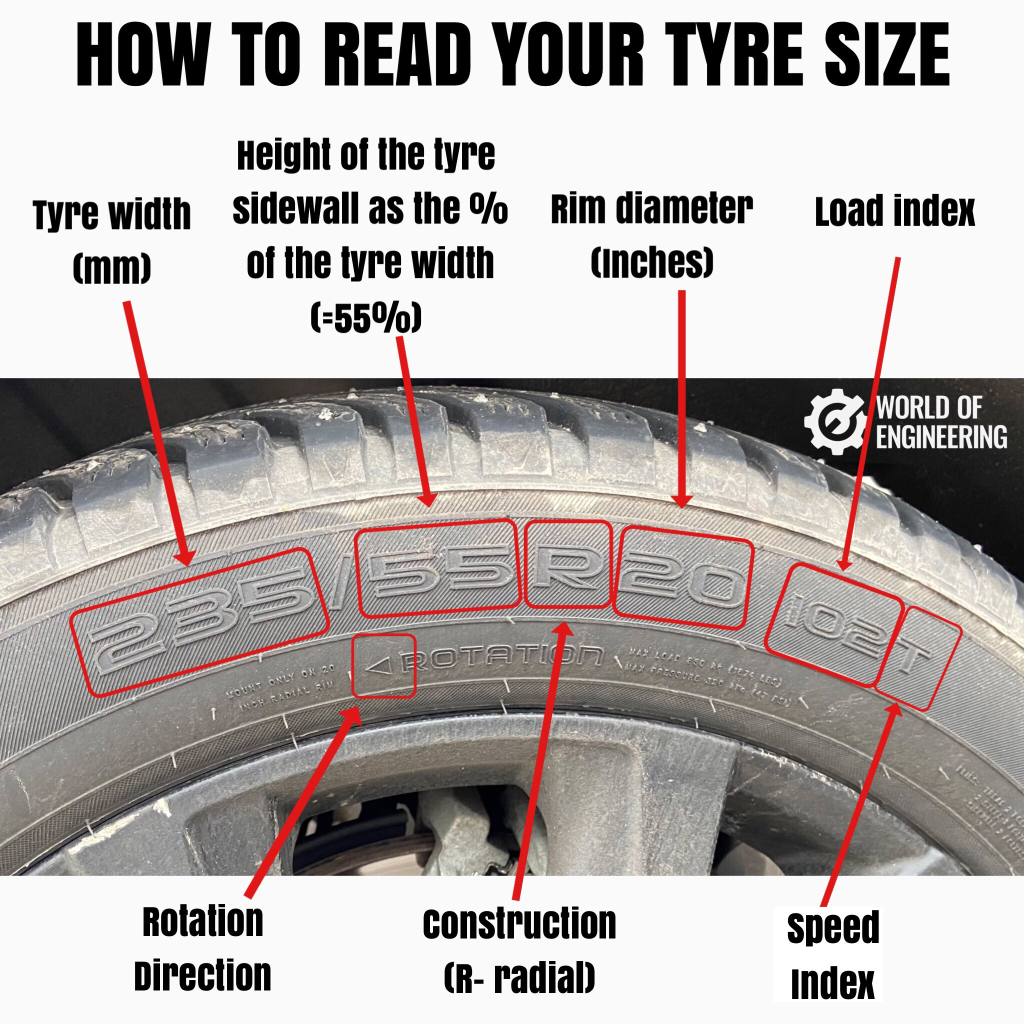
Tire size for a Jeep Wrangler can be read by deciphering the tire's sidewall markings.
Understanding how to read tire size for a Jeep Wrangler can greatly improve your driving experience, safety, and vehicle performance. If you've ever been baffled by the string of numbers and letters inscribed on your tire, this guide is for you. In this article, we will delve deep into what each part of the tire size means, the implications of different sizes, and practical advice on choosing the best tires for your needs.
Decoding the Tire Size
Understanding tire size is crucial for Jeep Wrangler enthusiasts. The tire code usually looks something like this: P255/75R17. Here’s how to break it down:
- P: Indicates the tire type. "P" stands for Passenger, suitable for vehicles like SUVs, including Jeep Wranglers.
- 255: Refers to the tire width in millimeters. This is measured from sidewall to sidewall.
- 75: The aspect ratio, which is the height of the tire's cross-section as a percentage of its width.
- R: Denotes the construction type. "R" is for Radial, indicating the layers run radially across the tire.
- 17: Indicates the wheel diameter in inches.
Why Tire Size Matters
Choosing the right tire size affects multiple aspects of your Jeep Wrangler:
- Handling and Stability: Correct tire size ensures optimal vehicle handling and stability.
- Fuel Efficiency: Larger tires can decrease fuel efficiency. Understanding the size helps balance performance and economy.
- Off-road Performance: Specific sizes and tread designs are better suited for off-road trails that Wranglers often tackle.
Choosing the Perfect Tire Size for Your Needs
When selecting tires for your Jeep Wrangler, consider:
- Driving Conditions: For off-roading, larger tires with aggressive tread patterns provide better traction.
- Load Capacity: Ensure the size supports the weight you plan to carry.
- Manufacturer’s Recommendation: Always check the owner’s manual for recommended sizes.
Real-life Experiences and Tips
Having driven a Jeep Wrangler across various terrains, I can attest to the importance of tire size. On a rocky trail, a larger tire offered superior grip and durability, while maintaining a smooth highway cruise required a more modest size.
Here are a few practical tips:
- Regularly check the tire pressure for optimal performance.
- Balance size with needs – larger isn’t always better for city driving.
- Match the tires with your Jeep's lift and modifications.
Frequently Asked Questions of How to Read Tire Size for Jeep Wrangler
What does the aspect ratio mean in tire sizes?
The aspect ratio is the tire's height compared to its width. A higher ratio indicates a taller tire wall, impacting comfort and traction.
Can I use different tire sizes on my Jeep Wrangler?
It's possible but not recommended. Mixing sizes can affect handling, stability, and may wear out components unevenly.
How do I know if a tire fits my Jeep Wrangler?
Consult your Jeep Wrangler’s owner manual or a tire professional to ensure compatibility, especially with aftermarket modifications.
What do the letters before the numbers mean?
The letter (like "P" for passenger) indicates the tire's intended use and load capacity.
Why are larger tires popular for Jeep Wranglers?
Larger tires enhance off-road capabilities by increasing ground clearance and improving traction on rugged terrains.
Conclusion
Deciphering tire size for a Jeep Wrangler is not just about understanding numbers and letters—it's about ensuring safety, performance, and having fun on your adventures. Remember to choose based on your specific driving needs and conditions to optimize your Jeep's capabilities. Whether you're cruising down the highway or tackling rugged trails, selecting the right tire size can make all the difference. Ready to explore more about your Jeep Wrangler? Consider subscribing to our newsletter for more insights and tips.