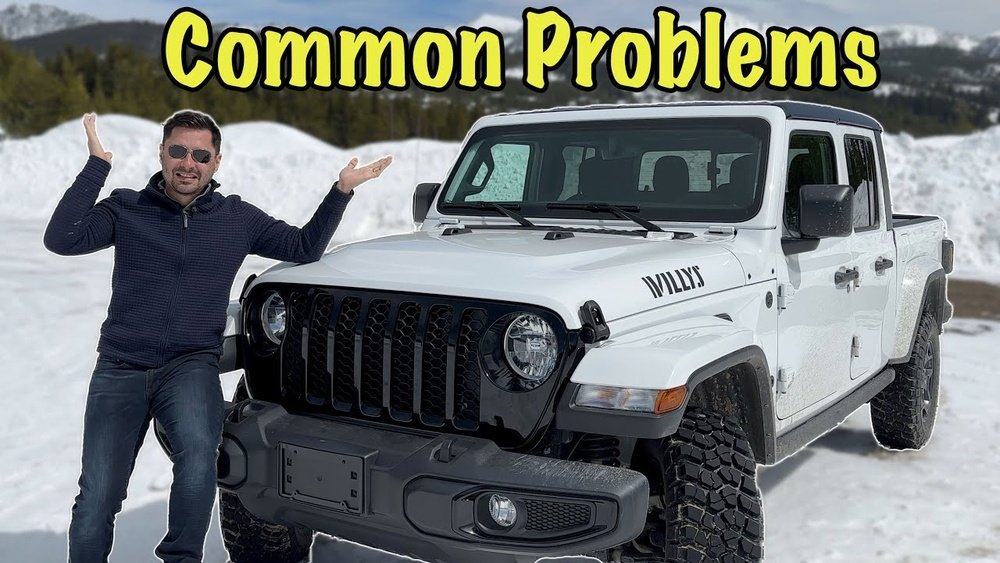
The Jeep Gladiator has drawn much attention since its 2019 comeback, blending rugged off-road DNA with pickup utility. Owners love its open-air driving and strong towing abilities. But, like any vehicle, the Gladiator is not perfect. Some drivers report common problems, especially as the miles add up. Understanding these issues—and how to fix them—can save you time, money, and frustration.
This article dives deep into the most frequent Jeep Gladiator problems. You’ll learn what causes them, how to spot early warning signs, and practical solutions from both experts and owners. If you’re considering buying a Gladiator, or already own one, this guide will help you drive with more confidence and fewer surprises.
Engine And Transmission Issues
The Gladiator’s engine and transmission are built for tough conditions, but owners have reported a few problems. Knowing what to expect can help you keep your Gladiator running smoothly.
Engine Stalling And Hesitation
Some Gladiator owners have faced engine stalling or hesitation, especially with the 3.6L Pentastar V6. This usually happens at low speeds or while idling. Causes can include faulty sensors (like the crankshaft position sensor), dirty throttle bodies, or outdated engine software.
Fixes:
- Have a mechanic scan for error codes.
- Clean the throttle body and check air filters regularly.
- Update the engine control unit (ECU) software at your dealer.
- Replace faulty sensors if needed.
Automatic Transmission Shifting Problems
Another common concern is rough or delayed shifting in the 8-speed automatic transmission. Some drivers notice hard shifts between gears, especially when the vehicle is cold.
Fixes:
- Check transmission fluid level and quality. Low or old fluid can cause shifting issues.
- Software updates are sometimes released by Jeep to improve shifting behavior.
- For persistent problems, a transmission re-learn procedure or even a solenoid replacement may be necessary.
Engine Noise And Ticking
Many owners hear ticking noises from the engine, often from the valvetrain. While some ticking is normal, loud or changing sounds can signal problems like faulty lifters or lack of lubrication.
Fixes:
- Use the correct oil viscosity and change oil on schedule.
- Have a technician inspect the valvetrain if the noise gets worse.
- In rare cases, lifter or rocker arm replacement may be needed.
Electrical And Software Glitches
Modern vehicles depend on complex electronics, and the Gladiator is no exception. Here are some of the most frequent electrical concerns.
Infotainment System Freezing
The Uconnect infotainment system offers many features, but some owners report freezing, blank screens, or random restarts. This can make navigation and music controls frustrating.
Fixes:
- Try a hard reset by holding the volume and tuner knobs together for 10 seconds.
- Make sure your system software is up to date; dealers can install updates.
- Disconnecting the battery for a few minutes can sometimes clear glitches.
Backup Camera Malfunction
Backup cameras are now standard, but some Gladiators have issues with the camera image cutting out or showing a black screen.
Fixes:
- Check for loose wiring at the tailgate.
- If under warranty, request a camera or wiring harness replacement.
- Some owners report that software updates resolve intermittent issues.
Battery Drain
A few owners notice the battery draining overnight, especially if they have extra accessories installed. This can leave you stranded with a dead battery.
Fixes:
- Check for aftermarket devices or lights that may be drawing power.
- Test the battery and alternator health.
- Dealers can check for parasitic drains using diagnostic tools.
Credit: lemberglaw.com
Suspension And Steering Concerns
The Gladiator’s solid axles and off-road suspension make it tough, but they can lead to unique issues.
Steering “wander” Or Play
Some drivers describe a loose or wandering steering feel, especially at highway speeds. This can make the truck feel unstable.
Fixes:
- Check tie rods, ball joints, and steering stabilizer for wear.
- Ensure your tires are properly inflated and aligned.
- Jeep has released a new steering damper for certain models; ask your dealer if you qualify.
Front-end Vibration (“death Wobble”)
A small number of owners report a violent front-end shake after hitting a bump—often called “death wobble.” This is more common on lifted or modified trucks, but can happen on stock Gladiators too.
Fixes:
- Inspect and tighten all suspension bolts.
- Replace worn track bars or bushings.
- Balance and rotate tires regularly.
- Consider a heavy-duty steering stabilizer if you drive off-road often.
Suspension Squeaks And Clunks
Gladiators are built to flex, but some develop squeaks or clunks from the suspension, especially after driving off-road.
Fixes:
- Lubricate suspension bushings and joints.
- Tighten loose components.
- If noises persist, inspect for damaged control arms or shocks.
Brake System Problems
Reliable brakes are critical. Here are issues Gladiator owners have reported with the braking system.
Soft Brake Pedal
Some drivers say the brake pedal feels soft or spongy, requiring more pressure to stop the vehicle. This can be unsettling, especially in traffic.
Fixes:
- Check brake fluid level and quality.
- Bleed the brake lines to remove any trapped air.
- Inspect brake pads and rotors for wear.
Premature Brake Wear
Premature brake pad or rotor wear is not uncommon, especially for those who tow or carry heavy loads.
Fixes:
- Use high-quality replacement pads, not just the cheapest option.
- Avoid riding the brakes on long descents.
- For frequent towing, consider upgrading to performance rotors and pads.

Credit: formacionpoliticaisc.buenosaires.gob.ar
Water Leaks And Cabin Seals
The Gladiator’s removable top and doors are great for adventure, but they can lead to water leaks during heavy rain or car washes.
Common Leak Points
Leaks often happen around the freedom panels, windshield header, or rear window.
Fixes:
- Check seals for cracks or misalignment. Reseal or replace as needed.
- Clean the seals regularly and apply silicone conditioner.
- Ensure panels are installed correctly after removing.
Mold And Musty Smells
If leaks go unnoticed, mold or musty odors can develop inside the cabin.
Fixes:
- Dry out wet carpets immediately.
- Use a moisture absorber in the cabin.
- If mold forms, use a mix of vinegar and water to clean the affected area.
Rust And Corrosion
While the Gladiator uses rust-resistant materials, rust spots can develop, especially in northern climates where roads are salted.
Rust-prone Areas
Pay close attention to the frame welds, underbody, and door hinges.
Fixes:
- Wash the undercarriage often during winter.
- Apply a rust inhibitor to vulnerable areas.
- Touch up paint chips quickly to prevent spreading.

Credit: www.youtube.com
Hardtop And Soft Top Issues
The Gladiator offers both hard and soft tops. Both can have unique problems over time.
Hardtop Rattles And Wind Noise
Some owners hear rattling or whistling from the hardtop, especially at highway speeds.
Fixes:
- Check all mounting bolts and latches for tightness.
- Add weatherstripping foam to reduce vibration.
- If noise persists, a dealer can adjust the fit or replace faulty seals.
Soft Top Tearing Or Fading
The soft top can develop tears or fade from sun exposure.
Fixes:
- Treat the fabric with UV protectant.
- Patch small tears with a soft top repair kit.
- For large damage, replacement is best.
Towing And Payload Limitations
The Gladiator is rated to tow up to 7,650 pounds, but pushing its limits can cause issues.
Overheating Transmission
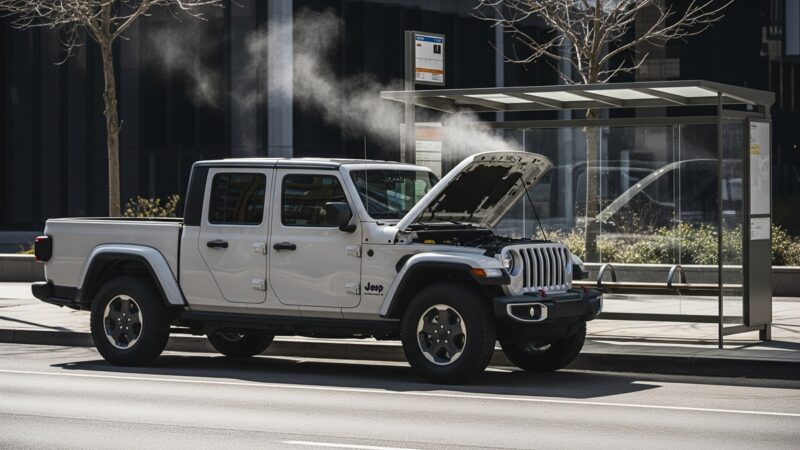
Towing near maximum capacity can lead to transmission overheating.
Fixes:
- Install an auxiliary transmission cooler if you tow often.
- Monitor transmission temperature while towing.
- Avoid towing in extreme heat or up steep grades for long periods.
Rear Suspension Sag
Heavy loads can cause the rear suspension to sag, reducing stability.
Fixes:
- Use load-leveling suspension or air bags.
- Stay within the payload rating.
- Distribute weight evenly in the bed.
Real-world Data And Owner Reports
Jeep Gladiator reliability varies by year and trim. Here’s a comparison based on owner surveys and recall statistics:
| Model Year | Common Complaints | Recalls |
|---|---|---|
| 2020 | Steering, electrical, water leaks | 7 |
| 2021 | Brakes, engine, infotainment | 4 |
| 2022 | Transmission, suspension, rust | 2 |
Gladiator Vs. Other Midsize Trucks
How does the Jeep Gladiator compare to rivals like the Toyota Tacoma and Ford Ranger in terms of common problems? Here’s a quick look:
| Truck Model | Frequent Issues | Repair Cost (avg) |
|---|---|---|
| Jeep Gladiator | Steering, water leaks, electronics | $450 |
| Toyota Tacoma | Frame rust, transmission, infotainment | $380 |
| Ford Ranger | Engine, transmission, sensors | $410 |
Preventive Maintenance Tips
Catching problems early is the best way to avoid expensive repairs. Here are a few tips that many new Gladiator owners miss:
- Check suspension bolts every oil change. Off-road use can loosen them faster than you expect.
- Inspect top seals after every removal and before rainy seasons. Water leaks often start small.
- Update software for both the transmission and infotainment system. Many bugs are fixed with simple updates.
When To Seek Dealer Support
Some problems require dealer intervention, especially if your Gladiator is under warranty. Software updates, recalls, and complex electrical issues are best left to professionals. Always keep service records—Jeep may cover repairs even after warranty if there’s a documented pattern.
Frequently Asked Questions
What Years Of The Jeep Gladiator Are Most Reliable?
Most owners report that 2021 and 2022 models have fewer issues than the first-year (2020) release. Later models benefit from updates and fewer recalls.
How Serious Is The Gladiator’s “death Wobble”?
While death wobble is frightening, it’s not common on stock Gladiators. Regular suspension checks and quality tires reduce the risk. If it happens, have your truck inspected immediately.
Can I Fix Water Leaks In My Gladiator Myself?
Yes, minor water leaks can often be fixed by cleaning or adjusting seals. For major leaks, or if you spot mold, dealer support is recommended.
How Does The Gladiator Handle Rust Compared To Other Trucks?
The Gladiator resists rust well but is not immune, especially in snowy climates. Regular underbody washes and rustproofing help protect your truck.
Where Can I Find More Technical Information About The Jeep Gladiator?
For in-depth specifications and updates, visit the official Jeep Gladiator website.
The Jeep Gladiator stands out for its unique blend of adventure and practicality. With careful maintenance and attention to the most common problems, you can enjoy years of reliable service. Whether you drive on-road or off, knowing what to watch for—and how to fix it—keeps your Gladiator ready for anything.