
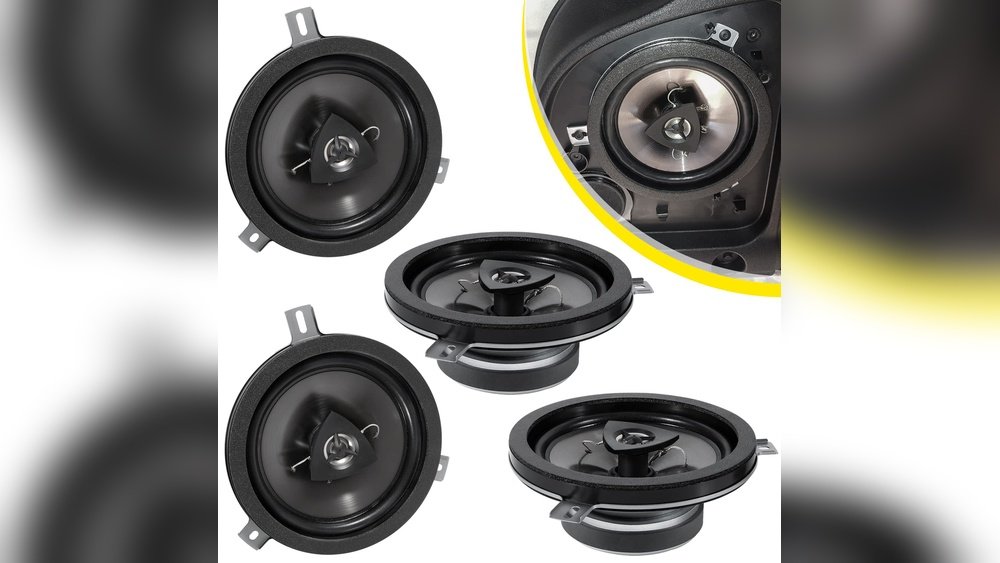
Upgrading the speakers in your Jeep Grand Cherokee can transform your driving experience. Factory speakers often lack clarity and power, making music sound dull and flat. By installing new speakers, you get better bass, clearer vocals, and a richer sound. This guide covers everything you need to know about upgrading your Jeep Grand Cherokee speakers, from choosing the right products to installing them step by step. Even if you are new to car audio, you will find clear advice, practical examples, and important tips that help you avoid common mistakes.
Why Upgrade Jeep Grand Cherokee Speakers?
Many Jeep Grand Cherokee owners are surprised by how much the sound quality can improve with new speakers. Factory-installed speakers are usually made with cheaper materials to reduce costs. They may work well at low volume, but they can easily distort when you turn up the music.
Upgrading your speakers means:
- More powerful bass: Feel the beat in your seat, not just hear it.
- Clearer vocals and instruments: Enjoy details in your favorite songs you never noticed before.
- Better overall value: Quality speakers last longer and make every drive more enjoyable.
Non-obvious insight: Upgrading speakers can also reduce listening fatigue. Poor-quality audio makes your ears work harder, especially on long drives.
What You Need Before You Start
Before you remove anything, get these items ready:
- New speakers: Choose the right size and type (covered below).
- Basic tools: Screwdrivers (Phillips and flathead), panel removal tool, socket set.
- Wire harness adapters: These let you connect new speakers without cutting factory wires.
- Mounting brackets: Some aftermarket speakers need them for a proper fit.
- Owner’s manual: Helps you locate all screws and clips.
Practical tip: Take photos during disassembly. This helps you put everything back correctly.
Choosing The Right Speakers For Your Grand Cherokee
Not all speakers fit all models. The Jeep Grand Cherokee has gone through several generations, and sizes can vary. Let’s look at the main types:
Speaker Locations And Sizes
Typical speaker locations include:
- Front doors
- Rear doors
- Dashboard tweeters
- Rear deck or D-pillar
Here’s a quick comparison of common speaker sizes by model year:
| Model Year | Front Door | Rear Door | Tweeter |
|---|---|---|---|
| 2011-2021 (WK2) | 6×9 in | 6.5 in | 3.5 in |
| 2005-2010 (WK) | 6×9 in | 6.5 in | — |
| 1999-2004 (WJ) | 6×9 in | 6.5 in | — |
Always check your Jeep’s manual or measure the existing speakers to be sure.
Coaxial Vs. Component Speakers
- Coaxial speakers: Easy to install, combine tweeter and woofer in one unit. Good for most users.
- Component speakers: Separate tweeter and woofer, better sound quality, more complex install.
If you want a big upgrade and are comfortable with more wiring, choose component speakers for the front doors. For rear doors, coaxial speakers usually work well.
Power Handling And Sensitivity
Two key specs:
- RMS Power: Match the speaker’s RMS (continuous) power to your car stereo or amplifier.
- Sensitivity: Higher sensitivity (above 90 dB) means the speaker sounds louder with less power.
Here’s a simple example:
| Speaker Model | RMS Power | Sensitivity | Best Use |
|---|---|---|---|
| Pioneer TS-A6990F | 100W | 93 dB | Front/Rear Door |
| JBL GTO629 | 60W | 93 dB | Rear Door |
| Infinity REF-9633ix | 100W | 94 dB | Front Door |
Non-obvious tip: If you plan to add an amplifier later, choose speakers that can handle more RMS power.
Step-by-step Speaker Upgrade Process
Swapping your Jeep’s speakers is a medium-difficulty DIY project. Here’s how to do it safely and efficiently.
1. Disconnect The Battery
Always start by disconnecting the negative battery terminal. This protects you from electric shock and prevents damage to your car’s electronics.
2. Remove The Door Panels
Most Jeep Grand Cherokee door panels are held by screws and plastic clips. Carefully remove all screws (often under armrests and near handles), then use a panel tool to pop the clips loose.
- Tip: Be gentle—plastic tabs break easily.
3. Remove Old Speakers
Unscrew the old speakers and disconnect the wiring harness. If your Jeep has a factory amplifier, note which wires go where, or use a wiring diagram.
4. Install New Speakers
- Connect wiring adapters to your new speakers.
- Mount the new speakers using existing screws or the provided brackets.
- Check fit before tightening everything down.
- Test the sound before reassembling the door.
Pro tip: If your new speakers come with foam gaskets, use them. They help seal the speaker for better bass.
5. Reinstall Door Panels
Once satisfied with the sound, reattach the door panels. Push clips into place and screw in all fasteners.
6. Repeat For All Locations
Follow the same steps for rear doors, dashboard tweeters, or the rear deck.
Special Case: Upgrading Factory Amplifier Or Premium Audio
Some Grand Cherokees have a factory amplifier or premium audio (like Alpine or Harman Kardon). Upgrading these systems is trickier.
- If you replace the amp, you may need a line output converter or a special wiring harness.
- For premium systems, consult a Jeep audio specialist or use a vehicle-specific installation kit.

Credit: www.westminsterspeed.com
Common Problems And How To Avoid Them
Upgrading car speakers isn’t always smooth. Here are some common issues and how to fix them:
- Speaker not working: Double-check wiring. Make sure positive and negative wires match.
- Rattling sounds: Tighten all screws and ensure the speaker fits snugly.
- Distortion at high volume: Lower the volume, or check if the speaker’s RMS power matches your stereo/amp.
- Broken clips or panels: Work slowly and use the right tools.
Non-obvious insight: If you hear a buzzing sound, check for loose wires or screws touching the speaker cone.
Should You Add An Amplifier Or Subwoofer?
Better speakers improve sound, but an amplifier or subwoofer adds even more power and depth. Factory stereos usually don’t have enough power for high-end speakers.
- Amplifier: Delivers clean power, prevents distortion, lets speakers reach their full potential.
- Subwoofer: Adds deep bass that small door speakers can’t produce.
If you often listen to energetic music or want concert-level sound, consider upgrading your amp or adding a subwoofer.

Credit: www.amazon.com
How Much Does It Cost To Upgrade Jeep Grand Cherokee Speakers?
The price depends on your choices:
- Basic upgrade (all doors): $150–$400 for speakers only.
- Component speakers (front) + coaxial (rear): $250–$600.
- Add amplifier/subwoofer: $300–$800 more, plus installation.
Professional installation costs $100–$300 extra, depending on complexity.
Can You Do It Yourself Or Should You Hire A Pro?
If you are comfortable using hand tools and following instructions, you can upgrade most speakers yourself in a few hours. However, if your Jeep has a premium audio system, or you want to add an amplifier, professional help is often worth it.
Benefits of professional install:
- No risk of damaging electrical systems
- Clean, reliable connections
- Warranty on labor
But, many owners enjoy the DIY process and save money.
Essential Tips For A Successful Upgrade
- Buy quality adapters and brackets. Cheap ones can cause rattles and poor connections.
- Test each speaker before reassembling the door. This avoids having to take everything apart again.
- Match speaker impedance (measured in ohms) to your stereo or amp. Most car speakers are 4 ohms.
- Check for water protection. Some doors leak, so use waterproof foam if available.
- Don’t skip the tweeters. Adding or upgrading tweeters makes a big difference in clarity.
Real-world Example: 2017 Grand Cherokee Overland
A Jeep owner replaced the front 6×9” door speakers with Infinity REF-9633ix (94 dB, 100W RMS), added 3.5” Kicker tweeters in the dash, and used JBL GTO629 in the rear doors. The total cost was about $340 for parts. The owner reported:
- Much stronger bass
- Clearer vocals
- Less distortion at high volume
They did the install at home in about four hours with basic tools and an online video guide.
Useful Resources For Jeep Audio Upgrades
For more details on wiring, speaker choices, and installation tips, visit the Crutchfield Vehicle Guide. This site provides vehicle-specific guides and helps you pick the right parts for your Jeep.
Frequently Asked Questions
What Size Speakers Fit In A Jeep Grand Cherokee?
Most Grand Cherokees use 6×9” speakers in the front doors, 6.5” in the rear doors, and 3.5” tweeters in the dashboard for newer models. Always check your vehicle’s manual or measure your speakers before buying.
Do I Need To Replace The Factory Amplifier?
Not always. If you use speakers with similar power handling, the factory amp can work fine. However, for high-power speakers or if you want much louder sound, upgrading the amp gives better results.
Can I Keep My Factory Head Unit With New Speakers?
Yes, you can keep your factory stereo. Just make sure to use wire harness adapters for easy installation. If you want better sound or more features, consider upgrading the head unit later.
Are Component Speakers Better Than Coaxial?
Component speakers have separate tweeters and woofers, offering clearer sound and better stereo imaging. They are best for front doors and music lovers. Coaxial speakers are easier to install and still a big upgrade from stock.
Will Upgrading My Speakers Void My Jeep Warranty?
Changing speakers does not usually void your warranty, unless you damage wiring or electronics during installation. If your Jeep is under warranty, follow safe installation steps, and keep your factory speakers in case you need to reinstall them.
Upgrading your Jeep Grand Cherokee speakers is one of the best ways to enjoy your drive. With the right parts, tools, and guidance, you can achieve a big sound improvement in just a weekend. Enjoy your favorite music like never before and make every journey more exciting.

Credit: www.youtube.com



