Most Jeep Wrangler enthusiasts affirm that wheel spacers are generally safe if installed correctly with quality materials. However, the safety of wheel spacers on a Jeep Wrangler can depend on several factors, including the type and quality of the spacers, as well as proper installation. As an authority on this subject, my aim is to dig deeper into these nuances, providing a comprehensive exploration that will equip you with the knowledge to make an informed decision. Whether you're an off-road aficionado or a proud Jeep owner seeking a wider stance or improved handling, understanding the dynamics of wheel spacers is crucial. Let's delve into the details that matter.
Understanding Wheel Spacers
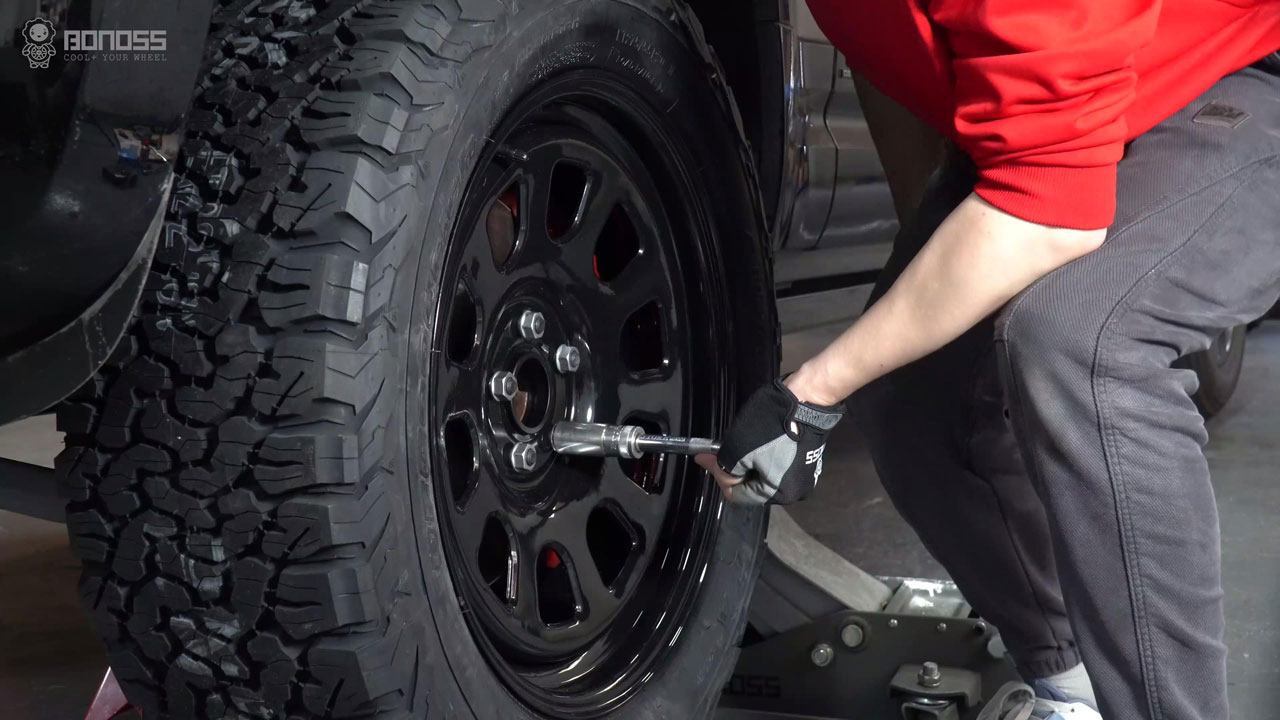
Wheel spacers are components that fit between the wheel and the hub, increasing the distance between them. This can enhance the vehicle's appearance by providing a wider stance, and may improve handling by lowering the center of gravity. However, there are various considerations to analyze.
-
Types of Wheel Spacers: Bolt-on spacers and slip-on spacers are the main types. Bolt-on spacers directly attach to the hub with a separate set of bolts, while slip-on spacers simply slide over existing studs.
-
Material and Quality: Quality spacers made from billet aluminum or forged steel are more durable and reliable.
Potential Benefits
-
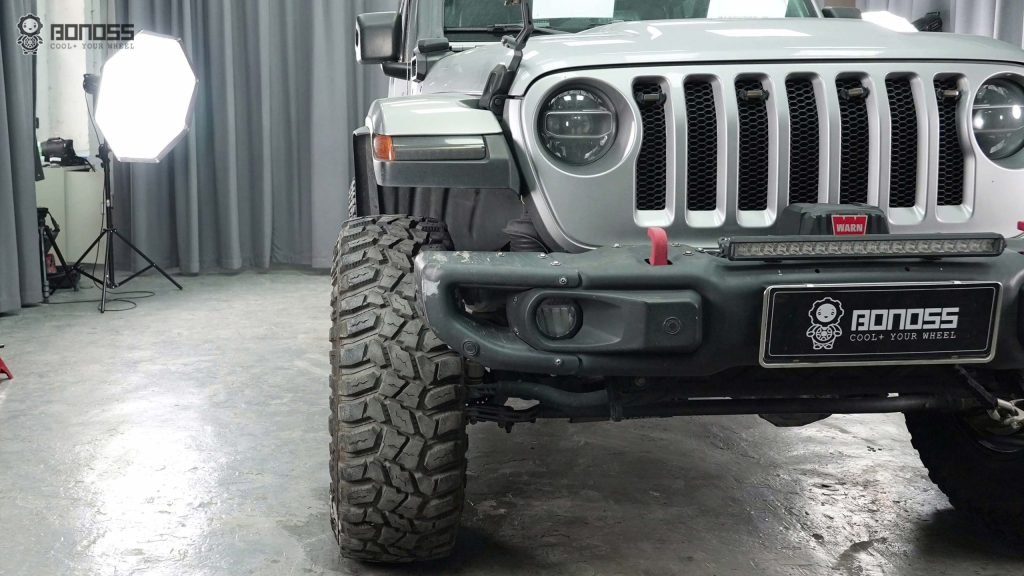
Improved Stance and Aesthetics: Achieving a broader stance enhances the vehicle's look, making your Jeep stand out on and off the road.
-
Better Handling: Spacers can offer improved cornering stability by widening the track width.
-
Tire Clearance: They can help accommodate larger tires by creating additional clearance.
Limitations and Risks
-
Stress on Components: Incorrect installation or low-quality spacers can add stress to the wheel bearings and studs.
-
Potential for Vibration: Poorly seated spacers may cause vibration at high speeds.
-
Legality and Insurance: In some regions, modifications involving spacers may impact insurance or road legality.
Personal Insights and Experiences
From my own jeep-lovers community experience, a properly installed quality spacer often enhances both aesthetics and performance without compromising safety. However, I’ve seen first-hand instances where corner-cutting on materials led to problems.
Practical Tips
-
Choose Quality: Always opt for high-grade spacers from reputable manufacturers.
-
Ensure Proper Installation: Tighten bolts to the manufacturer's specifications, and consider professional installation.
-
Regular Inspection: Periodically check for integrity and ensure no signs of wear or displacement.
Frequently Asked Questions
Are wheel spacers legal?
Yes, but legality varies by state, so it's crucial to check local regulations to ensure compliance.
Can wheel spacers affect wheel bearings?
If installed improperly or if low-quality materials are used, wheel spacers may increase wear on wheel bearings.
Do wheel spacers require alignment?
It's often recommended to realign your vehicle after installing spacers to ensure optimal performance and safety.
Will wheel spacers void my Jeep's warranty?
This largely depends on the dealer and the extent of the modification, so it's wise to consult with them beforehand.
Are wheel spacers safe for off-roading?
When done correctly, quality spacers are generally safe for off-road adventures, providing improved stability and clearance.
Conclusion
Wheel spacers present an enticing option for Jeep Wrangler owners aiming to boost their vehicle's appearance and performance. By focusing on quality, professional installation, and regular maintenance, you can ensure a safer driving experience, whether navigating urban landscapes or conquering rugged trails. Let this guide be your companion as you explore these possibilities. Feel free to leave comments or reach out if you have questions—your journey to a better Jeep starts with informed choices!