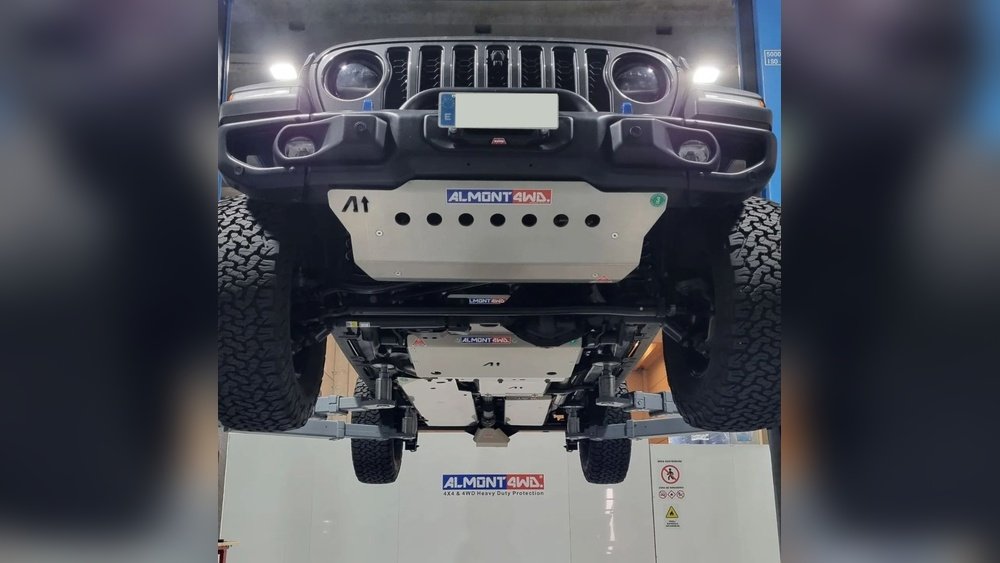
Many Jeep Wrangler owners love adventure, but off-roading often exposes your vehicle’s underbody to rocks, debris, and rough terrain. One of the smartest upgrades you can make is to install skid plates. Skid plates protect vital parts like your engine, transmission, and fuel tank from damage. If you’ve never installed them before, the process can seem challenging. With the right guidance, tools, and preparation, you can install Jeep Wrangler skid plates at home and boost your Wrangler’s durability for years to come.
Why Skid Plates Matter For Your Jeep Wrangler
Your Jeep’s underbody houses critical components: the oil pan, transmission, transfer case, and fuel tank. These parts are vulnerable when you drive over rocks or deep ruts. A single hit can cause leaks, dents, or even leave you stranded.
Skid plates act like armor. They’re made from thick steel or aluminum and cover the parts most likely to get damaged. Skid plates are especially important for those who:
- Drive on rocky trails or forest roads
- Use their Jeep as a daily driver in areas with rough roads
- Plan on overlanding or long off-road trips
Adding skid plates is a small investment compared to expensive repairs later.
Types Of Skid Plates For Jeep Wrangler
It’s helpful to understand the different types before you start. Not all skid plates are the same, and you may want to protect more than one area.
| Skid Plate Type | Protects | Material | Installation Difficulty |
|---|---|---|---|
| Engine/ Oil Pan | Engine, oil pan | Steel/Aluminum | Medium |
| Transmission | Transmission | Steel | Medium |
| Transfer Case | Transfer case | Steel/Aluminum | Medium |
| Fuel Tank | Fuel tank | Steel | Easy/Medium |
| Evap Canister | Evap canister | Steel | Easy |
You can install one skid plate or add complete protection by using several. Most people start with the engine/oil pan or transfer case skid plate, as these areas are most vulnerable.

Credit: www.youtube.com
What You’ll Need Before Starting
Preparation is key. Gather the following tools and items:
- Socket set (metric and standard sizes)
- Breaker bar for tight bolts
- Torque wrench (for final tightening)
- Jack stands or ramps (never trust just a jack)
- Creeper or cardboard to slide under your Jeep
- Gloves and safety glasses
- The specific skid plate kit for your Jeep’s model and year
- Anti-seize lubricant (optional but helpful)
Before starting, read the instructions for your skid plate kit. Different brands have small differences in hardware or mounting points.
Step-by-step Guide To Installing Skid Plates
Let’s break down the process to make it simple and safe. This guide covers installing a common engine skid plate, but the steps are similar for other types.
1. Park And Prepare
Find a flat, stable surface—preferably a driveway or garage. Set your parking brake. Allow your Jeep to cool if you’ve just driven it, as parts near the engine and exhaust can be very hot.
Lift the Jeep with a hydraulic jack and support it securely on jack stands. Never crawl under a vehicle supported only by a jack.
2. Remove Old Hardware (if Needed)
Many Wrangler models come with factory skid plates or shields. If your Jeep has them, use your socket set to remove the bolts. Keep the hardware; you may need some of it for your new skid plate.
Older Jeeps may have rusty bolts. Use penetrating oil and let it soak for 10-15 minutes if bolts are stuck. A breaker bar can help loosen tight bolts without rounding them off.
3. Test Fit The New Skid Plate
Before bolting anything, test fit the new skid plate. Hold it in place and check:
- Do all mounting holes line up?
- Is there enough clearance for moving parts?
- Will the plate interfere with any hoses or wires?
If something doesn’t fit, double-check the instructions and your Jeep’s model year.
4. Install Mounting Brackets
Some skid plates use separate brackets. Attach these first, following the manufacturer’s instructions. Usually, brackets will bolt to the frame or crossmember. Leave bolts slightly loose so you can adjust as needed.
This is a step many beginners rush, but it’s important. If you tighten brackets fully now, you may have trouble aligning the skid plate later.
5. Attach The Skid Plate
Lift the skid plate into position. It’s often easier with two people—one to hold the plate and one to thread in bolts.
Thread in all bolts by hand at first. If bolts cross-thread or feel tight right away, back them out and try again. Use anti-seize on bolts if you live in a salty or wet area to prevent them from rusting.
6. Align And Tighten
Once all bolts are started, align the skid plate so it sits flat and does not touch any moving parts. Tighten each bolt in a crisscross pattern. Use a torque wrench to tighten to the specification listed in your kit (usually between 35-50 ft-lbs).
Don’t overtighten—stripped threads are a common mistake. If you’re unsure, look up your Jeep’s torque specs or check the skid plate manufacturer’s website.
7. Double-check And Lower The Jeep
Give the skid plate a firm shake. It should not move or rattle. Check for any clearance issues with suspension or driveshaft parts.
Remove the jack stands and lower the Jeep back to the ground. Double-check all bolts one more time after driving a short distance.

Credit: www.youtube.com
Practical Tips For A Smooth Installation
Installing skid plates is simple in theory, but a few small tips can make it much easier:
- Clean mounting surfaces with a brush or rag before installing. Dirt and rust can prevent a solid fit.
- Spray bolts with anti-seize if you drive in snowy or wet climates. This makes removal easier later.
- If you’re installing several skid plates, start with the largest (like the engine or transmission) and work outward.
- Save all original hardware. Some kits reuse factory bolts.
- After installing, check bolts after your first off-road trip. Skid plates may shift slightly and need retightening.
Common Mistakes And How To Avoid Them
Many beginners make a few avoidable errors. Here’s what to watch out for:
- Skipping the test fit. If you bolt everything in tight before checking alignment, you may have to remove it and start over.
- Overtightening bolts. This can strip threads or snap bolts. Always use a torque wrench.
- Forgetting clearance checks. Skid plates must not touch the driveshaft, exhaust, or steering parts.
- Using the wrong hardware. Only use bolts and washers rated for the weight and stress of a skid plate.
- Ignoring manufacturer instructions. Every kit is slightly different—always follow the guide for your exact plate.
How Skid Plates Affect Your Jeep
You might wonder if adding skid plates will change how your Jeep drives. In most cases, the impact is minor:
- Weight: Steel skid plates can add 20-80 lbs depending on coverage. This is a small increase for most Wranglers.
- Ground clearance: Good skid plates fit close to the frame, so you lose little clearance.
- Noise: A properly installed skid plate will not rattle or vibrate. If you hear noise, check your bolts.
Some owners worry about airflow. Quality skid plates are designed with cutouts or vents to allow cooling, so overheating is not a problem if you use reputable brands.
Comparing Skid Plate Materials
There are two main materials: steel and aluminum. Each has benefits and drawbacks.
| Material | Strength | Weight | Cost | Best For |
|---|---|---|---|---|
| Steel | Very strong | Heavy | Lower | Rocky, extreme trails |
| Aluminum | Strong | Lightweight | Higher | Daily driving, mild trails |
Steel is a great choice for tough trails, but aluminum is best if you want less weight and do less extreme off-roading.
Skid Plate Brands And Compatibility
Not all skid plates fit every Wrangler. Always check:
- The model year of your Jeep (JK, JL, TJ, etc.)
- Engine type and transmission
- Presence of aftermarket lifts or modifications
Popular brands include Mopar, ARB, Rugged Ridge, and Rock Hard 4×4. Some brands offer full kits that cover all vulnerable parts, while others sell plates individually.
For detailed fitment charts, check the manufacturer’s site or ExtremeTerrain.
When To Replace Or Upgrade Skid Plates
Skid plates are tough but not invincible. You should inspect them after every off-road trip. Replace or upgrade your plates if:
- You see deep dents or cracks
- Mounting holes are stretched or bolts are missing
- Rust has eaten through the metal
- Your off-roading has become more extreme
You can often straighten minor dents with a hammer, but deep damage means it’s time to replace.

Credit: skidrowoffroad.com
Final Checks After Installation
After your first serious off-road run, crawl under your Jeep and check:
- All bolts are tight
- No new dents or bends
- Plates are not rubbing or interfering with other parts
If you hear clunking or rattling, re-tighten the hardware. It’s normal for new installations to “settle” after a few trips.
Frequently Asked Questions
How Long Does It Take To Install Jeep Wrangler Skid Plates?
For most people, 1 to 2 hours per skid plate is normal. If you have experience, you can do it faster. Complete protection (engine, transmission, transfer case, and fuel tank) may take half a day.
Can I Install Skid Plates Without A Lift Kit?
Yes, skid plates fit with the factory suspension. You do not need a lift kit. However, a small lift (2-3 inches) gives you more working space and slightly better ground clearance.
Will Skid Plates Cause My Jeep To Overheat?
No, quality skid plates have cooling holes or are shaped to allow airflow. Overheating is only a risk with poorly designed or homemade plates that block airflow.
Do I Need To Remove Skid Plates For Oil Changes Or Repairs?
Most skid plates have access holes for oil changes and filter removal. Some may need to be loosened or dropped for major repairs, but routine maintenance is usually not affected.
Are Aluminum Skid Plates Strong Enough For Rock Crawling?
Aluminum plates are strong for their weight but can bend or dent on very hard impacts. If you do serious rock crawling, steel is a better choice. Aluminum works well for mild trails or daily driving.
Adding skid plates to your Jeep Wrangler is one of the best investments you can make for off-road safety and peace of mind. With careful installation, the right materials, and regular checks, your Jeep will be ready for any adventure.