
If you drive a Jeep Grand Cherokee, you expect a powerful and smooth ride. But when the transmission slips, that confidence quickly fades. Transmission slip feels like the engine revs, but the SUV does not move as it should. Sometimes, it hesitates before shifting, or you notice unexpected gear changes. This problem is more than just annoying—it can lead to expensive repairs if not fixed early. Whether you experience a slight hesitation or a total loss of power, understanding how to fix transmission slip can save you money and keep your Jeep running strong.
Many Jeep owners believe fixing transmission slip always means buying a new transmission. In reality, several practical steps can solve this problem without spending thousands of dollars. In this guide, you will learn how to diagnose, repair, and prevent transmission slip in your Grand Cherokee, even if you have little mechanical experience.
From basic checks to more advanced solutions, you’ll find clear steps, real examples, and tips that even experienced drivers sometimes miss.
What Is Transmission Slip In A Jeep Grand Cherokee?
Transmission slip happens when the transmission cannot transfer power from the engine to the wheels smoothly. Instead of moving forward as you press the gas pedal, the engine revs, but your Jeep struggles to accelerate. Slipping can happen in automatic or manual transmissions, but it’s most common in automatics, especially as the vehicle ages.
Some common signs of transmission slip include:
- Delayed or rough gear shifts
- Sudden RPM increases without speed changes
- Burning smell from under the hood
- Unusual noises (clunks, whining, or grinding)
- Loss of acceleration or power
If you notice these symptoms, do not ignore them. Early action can prevent more serious and costly problems later.
Why Does Transmission Slip Happen?
Understanding the causes of transmission slip helps you fix the right issue. Here are the most common reasons:
- Low or dirty transmission fluid: Transmission fluid cools, cleans, and lubricates the gears. If it’s low or dirty, the transmission cannot work properly.
- Worn clutch plates or bands: These parts help the transmission shift gears. When worn, they can slip.
- Faulty solenoids: Solenoids control the flow of fluid and pressure. If they fail, shifting becomes unpredictable.
- Leaking seals or gaskets: Leaks cause fluid loss, leading to slip.
- Worn torque converter: The torque converter transfers power from the engine to the transmission. If it fails, slip can occur.
- Software or sensor issues: Modern Jeeps use computers and sensors. A faulty sensor or outdated software can cause shifting problems.
Beginners often overlook the impact of fluid quality and computer-related faults. Many only check for leaks or mechanical damage, but ignoring fluid and software can lead to incomplete repairs.

Credit: www.youtube.com
How To Diagnose Transmission Slip In Your Jeep Grand Cherokee
Before you start fixing, you need to know exactly what’s wrong. Here’s how to diagnose the problem step-by-step:
1. Check The Transmission Fluid
- Park your Jeep on a level surface.
- Start the engine and let it warm up.
- Find the transmission dipstick (usually labeled and colored).
- Pull it out, wipe it clean, reinsert, and pull out again.
- Check the fluid level—it should be between the “Full” and “Add” marks.
- Look at the color and smell. Healthy fluid is red or pink and smells slightly sweet. Brown, black, or burnt-smelling fluid means trouble.
2. Scan For Error Codes
Most newer Grand Cherokees (especially after 2005) have an OBD-II port under the dash. You can use a code scanner (cheap ones cost $20–$30) to check for transmission-related codes. Common codes include P0700 (transmission control system), P0730 (incorrect gear ratio), and others.
3. Inspect For Leaks
Look under your Jeep for red or pink puddles. Check around the transmission pan, cooler lines, and gaskets. Even a slow leak can cause slip.
4. Test Drive And Listen
Drive at different speeds. Pay attention to shifting delays, sudden RPM spikes, or slipping when going uphill. Note when the problem happens (hot, cold, after long drives, etc. ).
5. Check For Software Updates
Visit a Jeep dealer or a trusted shop to check if your transmission control module (TCM) has any software updates. Sometimes, a simple update can resolve shifting issues.
Step-by-step: How To Fix Jeep Grand Cherokee Transmission Slip
Once you know what’s wrong, use these steps to fix the problem. Start with the simplest and least expensive solutions.
1. Top Off Or Replace Transmission Fluid
Low or old fluid is the most common cause of slip.
- If fluid is low, add the recommended type (usually ATF+4 for most Grand Cherokees—check your manual).
- If fluid is dirty, do a fluid change. For most models, this means draining the old fluid, replacing the filter, and refilling. Never overfill.
- After a change, drive for 10–15 minutes and recheck the level.
Pro tip: Many beginners forget to change the transmission filter. Always replace it with fresh fluid.
2. Fix Leaks
If you see leaks, replace the faulty gasket, seal, or cooler line. Most leaks come from the transmission pan gasket or cooler hoses.
- Clean the area and use a new gasket when reinstalling the pan.
- Inspect for cracks or damaged hoses. Replace as needed.
3. Replace Worn Clutch Plates Or Bands
This fix is more advanced and may require professional help. If the fluid is good, but the Jeep still slips, internal parts like clutch plates or bands may be worn.
- Rebuilding the transmission is often needed for worn clutches.
- Ask a transmission specialist to confirm before spending money.
4. Repair Or Replace Faulty Solenoids
A failed solenoid can cause shifting problems.
- You can test solenoids with a multimeter or scan tool.
- Replace faulty solenoids. Most are accessible by removing the transmission pan.
5. Update Or Reflash Transmission Software
If a diagnostic scan shows a software issue, or if Jeep has released a TCM update, a dealer can reflash the software. This process usually takes less than an hour.
6. Replace Or Service The Torque Converter
If you hear grinding or feel shuddering, the torque converter may be the problem. This repair is more expensive but may be necessary if other steps fail.
7. Reset Adaptive Transmission Memory
Sometimes, the transmission “learns” bad shift patterns. Resetting the adaptive memory can help.
- Disconnect the battery for 15–30 minutes.
- Reconnect and drive gently for 50–100 miles to let the computer relearn shifting.
8. Replace Sensors
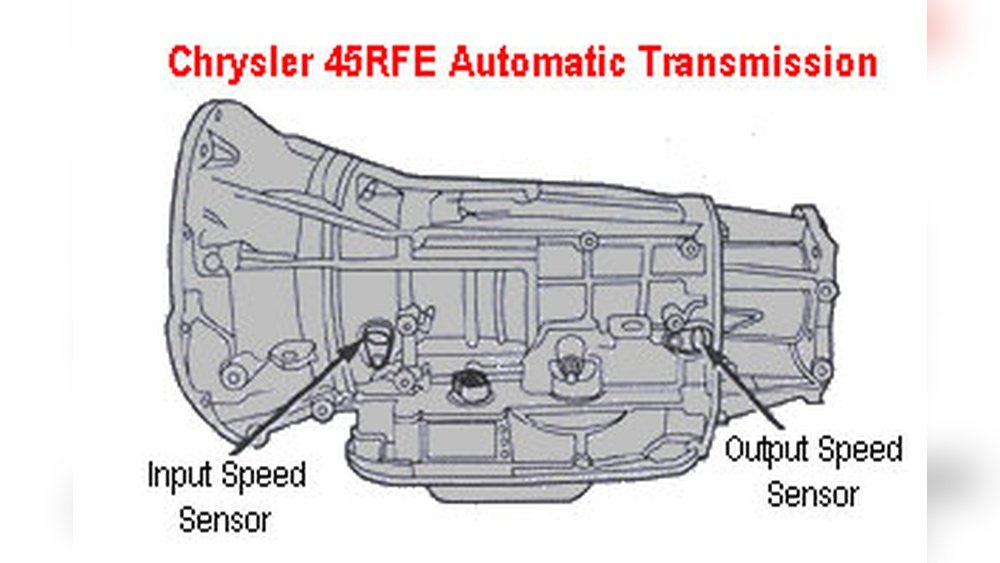
Faulty sensors (like the speed sensor or throttle position sensor) can also cause slip. If your scan tool shows a sensor fault, replace it as needed.
Common Mistakes To Avoid
Many Jeep owners make simple mistakes when trying to fix transmission slip. Avoid these errors:
- Ignoring the problem, hoping it will go away
- Using the wrong type of transmission fluid
- Overfilling the transmission
- Skipping the transmission filter change
- Not fixing leaks before adding new fluid
- Failing to check for software or sensor faults
One non-obvious mistake: many drivers think a single fluid top-off solves everything. In reality, old or burnt fluid needs to be completely replaced, not just topped up.
How Much Does It Cost To Fix Transmission Slip?
Costs can vary depending on the solution. Here’s a quick comparison:
| Repair Step | DIY Cost (USD) | Shop Cost (USD) |
|---|---|---|
| Top Off/Replace Fluid | 30–100 | 120–250 |
| Replace Filter & Gasket | 40–80 | 150–300 |
| Fix Leaks | 20–60 | 100–400 |
| Replace Solenoids | 70–200 | 250–600 |
| Rebuild Transmission | – | 1,500–3,500 |
| Software Update | – | 50–200 |
Most transmission slips can be fixed for under $300 if you act early. Waiting can lead to a full rebuild—much more expensive.

Credit: www.amazon.ae
When Should You See A Professional?
You can fix many transmission slips yourself, but sometimes it’s best to see a specialist:
- If you hear loud grinding or banging noises
- If fluid changes do not fix the slip
- If you see metal shavings in the old fluid
- If your Jeep will not move at all
A professional shop has advanced tools and experience to rebuild or replace complex parts.
How To Prevent Transmission Slip In The Future
Prevention is easier and cheaper than repair. Here’s how to keep your Jeep Grand Cherokee’s transmission healthy:
- Change fluid and filter every 30,000–60,000 miles (or as recommended in your owner’s manual).
- Check for leaks every oil change.
- Use the correct fluid (ATF+4 or as listed in your manual).
- Drive gently—avoid sudden starts and stops, especially when towing.
- Keep your transmission cool—overheating causes most failures. If you tow often, consider adding a transmission cooler.
- Get software updates during regular service visits.
Many owners forget about software updates. These can solve small issues before they become big problems.
Credit: thelandautorepair.com
Real Examples: Transmission Slip In Different Jeep Grand Cherokee Years
Transmission slip happens in all Grand Cherokee generations, but some years have more issues than others.
| Model Year | Common Problems | Notes |
|---|---|---|
| 2005–2010 | Fluid leaks, solenoid failure | 5-speed automatics prone to leaks |
| 2011–2013 | Software faults, delayed shifts | TCM updates often fix issues |
| 2014–2020 | Torque converter shudder | 8-speed automatics; fluid changes help |
| 2021–2023 | Sensor problems, rare slips | More electronics; sensor replacement common |
Some 2011–2013 models received recalls for software updates. Always check if your Jeep is part of a recall on the official NHTSA site.
Frequently Asked Questions
Why Does My Jeep Grand Cherokee Slip Only When Hot?
Transmission slip when hot usually means the fluid is breaking down or low. Heat makes old fluid lose its ability to protect gears, leading to slip. Check the fluid level and quality first.
Can I Drive With A Slipping Transmission?
Driving with a slipping transmission is risky. It can cause more damage and leave you stranded. Fix the problem as soon as possible to avoid a costly rebuild.
How Often Should I Change Jeep Grand Cherokee Transmission Fluid?
Most experts recommend every 30,000–60,000 miles, but check your owner’s manual. If you tow or drive in hot conditions, change it more often.
Will A Fluid Flush Fix Transmission Slip?
A fluid flush can help if the slip is caused by dirty or old fluid. However, if internal parts are worn or damaged, a flush will not solve the problem.
How Do I Know If My Transmission Needs Rebuilding?
If fluid and filter changes, leak repairs, and solenoid replacements do not fix the slip, and you hear grinding or find metal shavings in the fluid, a rebuild is likely needed.
Transmission slip in your Jeep Grand Cherokee can be stressful, but with careful diagnosis and the right repairs, you can restore your SUV’s performance. Acting early, using the correct fluid, and checking for updates will keep your Jeep running smoothly for years.



