
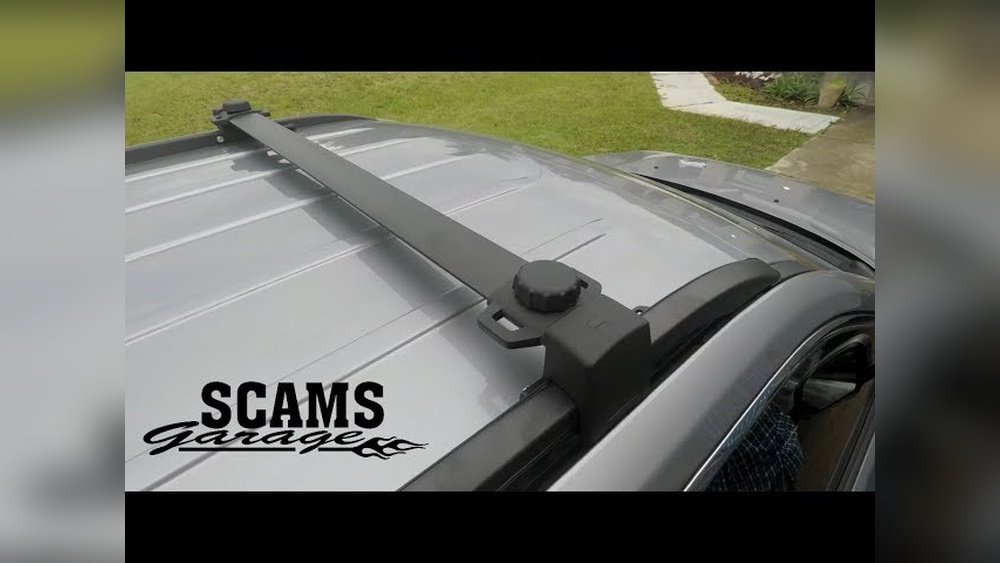
Many Jeep Compass owners love adventure, road trips, and outdoor activities. But sometimes, the storage space inside the car is not enough for all your gear. That’s where a roof rack comes in handy. Installing a roof rack on your Jeep Compass opens up new possibilities: you can carry bikes, kayaks, luggage, or even a rooftop tent. While the process might seem challenging, with the right steps and tips, it becomes much easier—even for beginners.
In this guide, you’ll learn everything you need to know about how to install a Jeep Compass roof rack. We’ll cover the tools you need, step-by-step instructions, common mistakes to avoid, and some practical insights that most guides miss. Whether you’re a first-timer or have some experience, you’ll find clear advice and real-world examples to help you get the job done confidently.
Choosing The Right Roof Rack For Jeep Compass
Before you start, you must pick the correct roof rack. There are many options on the market, but not all fit every Jeep Compass model. Roof racks usually come in two main types: factory crossbars and aftermarket crossbars.
Factory Vs. Aftermarket Roof Racks
| Type | Advantages | Disadvantages |
|---|---|---|
| Factory Roof Rack | Perfect fit, keeps warranty, no drilling | More expensive, less flexible for accessories |
| Aftermarket Roof Rack | Cheaper, more choices, fits more accessories | May need extra parts, possible fit issues |
Factory roof racks are made by Jeep, designed for your Compass. They are easy to install and usually don’t need extra tools or parts. Aftermarket racks offer more options for style, price, and use. But you need to make sure they fit your exact year and trim.
What To Look For
Here are some things to consider:
- Compatibility: Make sure the rack matches your Jeep Compass model and year.
- Weight Capacity: Check the rack’s maximum load. Most Jeep Compass racks hold 100–150 lbs (45–68 kg).
- Material: Aluminum is lighter and rust-proof. Steel is stronger but heavier.
- Purpose: Think about what you want to carry—luggage, bikes, kayaks, etc.
- Ease of Installation: Some racks need drilling or special tools. Others use simple clamps.
Non-obvious insight: Not all racks fit every Compass trim. Always check the roof style—some have factory rails, some are bare. If you have a panoramic sunroof, choose a rack that doesn’t block it.
Tools And Materials Needed
Installing a roof rack is much smoother when you have everything ready. Here’s a list of what you’ll usually need:
- The roof rack kit (crossbars, mounting feet, screws, covers)
- A torx or allen wrench (often included)
- A measuring tape
- A step stool or ladder (Compass roof is tall)
- Soft cloth or rag (protect paint)
- Masking tape (for marking spots)
- The Jeep Compass owner’s manual (for torque specs)
- Screwdriver (for covers or adjustments)
- Rubber mallet (rarely needed, but sometimes helpful)
Pro tip: Unpack the roof rack and check all parts before you start. Missing or wrong parts cause the most delays.
Step-by-step Installation Guide
Now let’s walk through the installation. While every brand is a little different, these steps cover most Jeep Compass roof rack kits.
1. Prepare Your Vehicle
First, park your Jeep Compass on a flat, stable surface. Wash the roof to remove dust and dirt, so you don’t scratch the paint. Lay a soft cloth on top to protect the finish while working.
If your Jeep has factory roof rails, you’ll be attaching the crossbars to them. If the roof is bare, your kit should include feet that clamp onto the door frames.
2. Identify Front And Rear Crossbars
Most kits have two crossbars: a front and a rear. The front one is usually a bit longer. Check for labels or compare lengths.
Lay out all parts. Read the instructions that come with your rack—some brands have unique steps.
3. Mark Mounting Points
Use masking tape to mark where each crossbar will go. The front bar usually sits above the front seats, and the rear bar goes above the back seats or cargo area. Use your measuring tape to make sure both sides are even.
This step helps avoid a crooked install.
Beginner mistake: Placing bars too far forward or back can block sunroof movement or interfere with hatch opening.
4. Attach Mounting Feet
If you have factory rails, attach the feet to the rails first (don’t tighten fully yet). If you have a bare roof, fit the feet over the door frames. Some kits have rubber pads—make sure they’re in place to avoid scratches.
Pro tip: Put all screws in loosely first, then tighten once everything is aligned.
5. Install Crossbars
Slide the crossbars into the feet. Some models use bolts, others use clamps. Make sure the bars are centered and sit flat. Tighten all bolts with the provided wrench, but don’t overtighten. Check your manual for torque specs.
For racks with locks, add them now and keep the keys safe.
6. Check Alignment And Tightness
Step back and check that both crossbars are straight and parallel. Gently shake each bar to make sure it’s tight. If anything moves, tighten more.
Non-obvious insight: Re-check tightness after your first long drive. Sometimes the bars settle and need a second tightening.
7. Test With A Load
Before hitting the road, place something light (like a blanket or empty box) on the rack and drive around the block. Listen for rattling or wind noise. If you hear anything, double-check the bolts.
8. Finish Up
Remove any masking tape and cloths. If your rack has covers for the bolts, snap them on. Clean up your work area and store unused parts.
Comparing Popular Roof Rack Brands For Jeep Compass
There are several brands trusted by Jeep owners. Here’s a quick comparison of three common options:
| Brand | Material | Max Weight | Average Price (USD) | Special Features |
|---|---|---|---|---|
| Thule | Aluminum | 150 lbs | 350–450 | Lockable, aerodynamic, easy install |
| Yakima | Aluminum/Steel | 130 lbs | 300–400 | Quiet, good accessories, simple clamps |
| BrightLines | Aluminum | 150 lbs | 110–170 | Affordable, fits factory rails, light weight |
Choose a brand based on your needs and budget. Thule and Yakima cost more but offer better aerodynamics and locks. BrightLines is a good choice for simple cargo needs.
Safety Tips And Common Mistakes
Safety is key when installing and using a roof rack. Here’s how to avoid problems:
- Check Weight Limits: Never exceed the rack or vehicle roof’s weight rating. Overloading can damage your Compass or cause accidents.
- Distribute Weight Evenly: Place heavy items in the center. Secure all gear tightly to prevent movement.
- Mind the Height: Your Jeep Compass will be taller with a loaded rack. Watch for low garages or drive-thrus.
- Don’t Overtighten: Too much force can strip bolts or crack plastic parts.
- Re-check Regularly: Inspect the rack and load before every trip, especially after driving on rough roads.
Beginner mistake: Forgetting to re-tighten bolts after the first week. Vibrations can loosen them over time.
Roof Rack Maintenance
A roof rack needs some care to last long and stay safe. Here’s how to keep it in top shape:
- Wash regularly: Dirt and salt can cause rust or stains.
- Lubricate bolts: A drop of oil every few months prevents rust.
- Check for wear: Look for cracks, loose parts, or missing pads.
- Store accessories: Remove the rack when not in use for long periods. This saves fuel and reduces noise.
Non-obvious insight: Removing the rack in winter or during long periods of no use can extend its life and improve your Compass’s gas mileage.

Credit: www.youtube.com
Real-world Example: Weekend Adventure Setup
Let’s say you want to carry two bikes and a kayak for a weekend trip. With your installed roof rack:
- Attach a bike carrier to the front crossbar and secure your bikes.
- Fit a kayak cradle to the rear bar.
- Use straps or ratchets to secure everything. Test for movement before driving.
- Check your total weight—make sure it’s under the rack’s limit.
Now you’re ready for the road, with gear safely on top and more space inside for friends and snacks.
When To Get Professional Help
While installing a Jeep Compass roof rack is usually a DIY job, there are times when expert help is best:
- If your rack requires drilling holes in the roof.
- If you have a panoramic sunroof and are unsure about clearances.
- If you’re not comfortable working at height.
A professional install usually costs $50–$150, depending on the rack and location.

Credit: therackshop.com
Comparing Installation Time And Difficulty
To help you plan, here’s an overview of how long and hard different installs can be:
| Type of Rack | Time Needed | Skill Level | Special Tools |
|---|---|---|---|
| Factory rail crossbars | 30–45 min | Easy | No |
| Aftermarket clamp-on | 45–70 min | Medium | Maybe (wrench) |
| Custom (needs drilling) | 1–2 hours | Hard | Yes (drill, bits) |
Most Jeep Compass owners find the clamp-on or factory style easy enough to do at home.
Where To Find More Information
If you want more details about roof racks and vehicle limits, check the official Jeep Compass website.

Credit: offroadtents.com
Frequently Asked Questions
Can I Install A Roof Rack On A Jeep Compass Without Factory Rails?
Yes, many aftermarket kits are made for Jeep Compass models without factory rails. These racks use clamps that grip the door frame. Always check that the rack fits your specific year and trim. Follow the instructions carefully to avoid leaks or damage.
Will A Roof Rack Affect My Fuel Economy?
A roof rack will slightly reduce your fuel economy, especially if left on when not carrying a load. The aerodynamic drag can lower mileage by 1–3 mpg. Removing the rack when not in use helps save gas.
How Much Weight Can I Safely Carry On My Jeep Compass Roof Rack?
Most racks can hold between 100–150 lbs (45–68 kg), but always check both the rack’s and the vehicle’s limits. Never exceed the lower of the two. Heavy loads should be secured tightly and checked before each trip.
Do I Need To Drill Holes In My Roof To Install A Rack?
No, most modern racks for the Jeep Compass do not require drilling. They use existing rails or clamp to the door frames. Only custom or heavy-duty racks may need drilling, and it’s best to have a pro do those installs.
Can I Use The Roof Rack With A Panoramic Sunroof?
Yes, but you must choose a rack designed for sunroof models. Make sure the crossbars do not block or touch the sunroof glass. Always test the sunroof after installing the rack, and never open it with a load that might hit the glass.
Installing a roof rack on your Jeep Compass is a smart way to add storage and versatility. By picking the right kit, following each step, and checking your work, you’ll be ready for adventures with confidence. Safe travels!



