Many Jeep Grand Cherokee owners love the freedom to pack more for road trips, camping, or sporting adventures. If you want extra space for gear, a roof rack can make a big difference. Installing a roof rack on your Jeep Grand Cherokee might sound complicated, but with a bit of guidance, you can do it yourself and save money.
You do not need special tools or professional help—just patience, the right equipment, and care.
This article will walk you through the entire process, from choosing the right roof rack to safely securing your first load. You will find practical tips, common mistakes to avoid, and answers to the most frequent questions. Whether you need the rack for bikes, kayaks, or luggage, this guide will help you install it with confidence.
Understanding Jeep Grand Cherokee Roof Racks
A roof rack is a system of bars attached to the roof of your Jeep. It lets you carry bulky items that do not fit inside your vehicle. There are different types of roof racks, and it is important to know which one fits your Jeep Grand Cherokee model.
| Type of Roof Rack | Best For | Ease of Installation |
|---|---|---|
| Factory Crossbars | Luggage, general use | Easy (fits factory rails) |
| Aftermarket Crossbars | Sports gear, larger loads | Moderate (may require assembly) |
| Full Roof Rack Systems | Heavy-duty, off-road gear | Advanced (more parts) |
The Jeep Grand Cherokee (especially models from 2011 onward) often comes with factory side rails. Some older or base models do not, so you may need to install rails first. Always check your vehicle’s roof before buying a rack.
Tools And Materials Needed
Before starting, gather all tools and materials. Having everything ready makes the process smoother and helps avoid mistakes.
- Roof rack kit (make sure it matches your Grand Cherokee’s model year)
- Measuring tape
- Screwdriver (usually Phillips or Torx, depending on your rack)
- Allen wrench (often included with the kit)
- Socket wrench
- Step stool or small ladder
- Protective gloves (optional, for better grip)
- Soft cloth (to protect your roof from scratches)
Some kits include all necessary hardware. If not, buy high-quality bolts and washers separately.
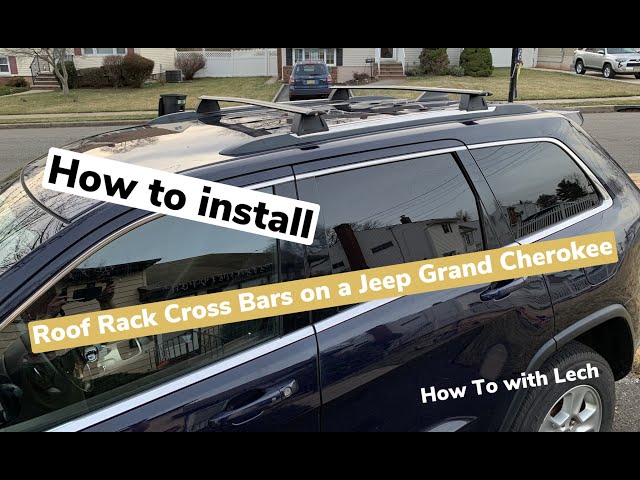
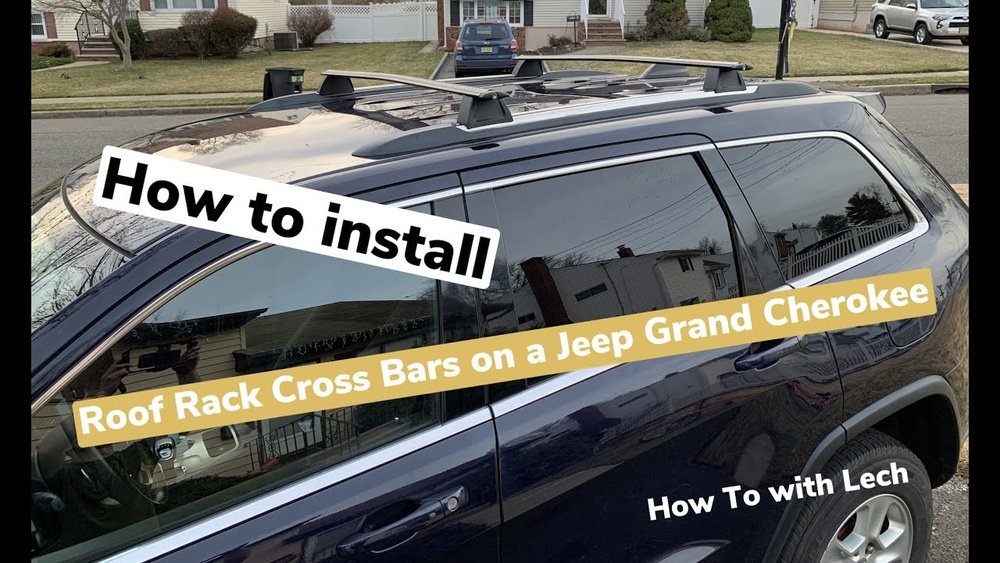
Credit: www.youtube.com
Choosing The Right Roof Rack For Your Needs
Do not just buy the first roof rack you see online. The right rack depends on what you plan to carry, your budget, and your Jeep’s existing features.
Key Factors To Consider
- Weight capacity: Most Jeep Grand Cherokee roofs can hold 150-165 lbs (68-75 kg) with factory racks. Check your owner’s manual.
- Length and width: Make sure the rack fits the roof without blocking doors or the rear hatch.
- Attachment style: Some racks clamp onto side rails, others bolt directly.
- Aerodynamics: Low-profile racks reduce wind noise and improve fuel efficiency.
- Accessory compatibility: If you plan to carry bikes or kayaks, look for racks that accept special mounts.
Common Mistakes When Choosing
Beginners often buy racks that do not fit, or select a cheap rack that shakes at highway speed. Always check the reviews and make sure the rack is designed for your exact Grand Cherokee model and year.
Preparing Your Jeep For Installation
Preparation is as important as installation. Take time to clean your vehicle’s roof and inspect for any existing damage.
- Wash the roof: Dirt and grit can scratch the paint when you move parts around.
- Inspect side rails: Make sure they are tight and undamaged. Fix any issues first.
- Read the instructions: Every roof rack kit is a bit different. Skim the manual before starting.
If your Jeep does not have side rails, you will need to install them first. This usually involves removing roof trim and bolting the rails in place. Always use rust-proof hardware for this step.
Step-by-step Guide: Installing The Roof Rack
With your tools ready and your Jeep clean, you are set to install the roof rack. The following steps work for most crossbar-style racks, which are the most common type for the Grand Cherokee.
1. Position The Crossbars
Lay out the crossbars on the ground. Decide which is the front and which is the rear (some racks are labeled). Place the crossbars on the side rails, but do not tighten them yet.
Pro tip: The distance between front and rear bars is usually 24–32 inches (60–81 cm). Measure carefully, especially if you plan to carry long items.
2. Attach The Mounting Brackets
Slide the mounting brackets onto the crossbars. Center them over the side rails. Most racks use clamps or bolts to secure the brackets.
- If your rack uses clamps, open the clamp, position it around the rail, and close it gently.
- If your rack uses bolts, insert them but do not fully tighten yet.
3. Adjust And Align
Make sure the crossbars are parallel and centered. Uneven bars can cause wind noise and may damage your gear or car.
- Check that both crossbars are the same distance from the ends of the side rails.
- Look from behind and above to double-check alignment.
4. Tighten Everything
Once you are happy with the placement, tighten all bolts and clamps securely. Use a socket wrench or Allen key as required.
Tip: Do not overtighten. Too much force can crack plastic parts or strip threads. Tighten until snug, then give an extra quarter turn.
5. Install End Caps (if Provided)
Some racks include plastic end caps for a finished look. Snap or bolt these on to protect the crossbars and improve aerodynamics.
6. Test For Stability
Gently shake each crossbar. There should be no movement. Try pushing from different angles. If you notice any looseness, tighten the bolts again.
7. Attach Accessories
If you have bike mounts, kayak cradles, or cargo boxes, install them now. Follow the specific instructions for each accessory.
| Accessory | Installation Needed? | Special Considerations |
|---|---|---|
| Bike rack | Yes | Check weight limits |
| Cargo box | Yes | Secure latches fully |
| Kayak cradle | Yes | Use extra straps |
Safety Checks After Installation
Installing the rack is only part of the job. Safety checks prevent accidents or damage later.
- Check all bolts/clamps after your first drive. Vibrations can loosen new hardware.
- Re-check every few weeks, especially after carrying heavy loads.
- Do not exceed weight limits. Overloading can damage your roof or affect handling.
- Inspect for rust or wear at least twice a year, especially if you drive in wet or snowy conditions.
One insight that beginners miss: driving with an empty rack still affects fuel use and noise. Remove the rack when not needed for long periods.

Credit: cascaderack.com
Loading And Using Your Roof Rack
Using the rack correctly is as important as installing it. Incorrect loading can cause accidents, fines, or damage.
Weight Distribution Tips
- Heaviest items should go in the center of the rack, not at the ends.
- Secure all loads with high-quality straps or bungee cords. Never use only rope.
- Keep items as low as possible to reduce wind resistance and sway.
Height Awareness
A loaded rack can add 6–18 inches (15–45 cm) to your Jeep’s height. Always remember this in parking garages or under low bridges.
Weather Considerations
If carrying soft items (like bags or camping gear), use a waterproof cargo bag or box. Rain and wind at highway speed can destroy unprotected gear in minutes.
Common Loading Mistakes
- Leaving straps loose (can lead to items flying off)
- Blocking the sunroof (can cause leaks or noise)
- Forgetting to lock the cargo box (risk of theft)
Removing The Roof Rack
If you only use the rack for vacations, consider removing it when not needed. This improves your Jeep’s looks, cuts wind noise, and saves fuel.
- Loosen all bolts or clamps gently.
- Lift off the crossbars carefully—do not scratch the roof.
- Store all hardware together in a labeled bag.
Tip: If you lose a bolt or cap, many rack brands sell replacements online.
Troubleshooting Common Problems
Even with careful installation, issues can happen. Here are some solutions to common problems:
| Problem | Possible Cause | Solution |
|---|---|---|
| Rattling noise | Loose bolts or clamps | Tighten hardware, check after each trip |
| Wind whistle | Poor alignment, no wind deflector | Re-align bars, add deflector if needed |
| Leaks inside car | Blocked sunroof tracks | Move rack, clean tracks |
| Scratched paint | Dragging tools or rack across roof | Always lift, use cloth as protection |
Practical Advice And Non-obvious Insights
- Test fit your rack before loading gear. Sometimes racks seem secure until the first real use. A “dry run” with a light load can save you headaches.
- Watch out for aftermarket racks with poor instructions. If instructions are unclear, search online for video guides or forum advice—often, Jeep communities have step-by-step help.
- Use a torque wrench if your kit specifies torque settings. Over-tightening can break parts or damage your roof rails, while under-tightening is unsafe.
- Register your rack with the manufacturer for warranty and recall info.
- If you plan off-road trips, check all hardware before and after every rough drive.
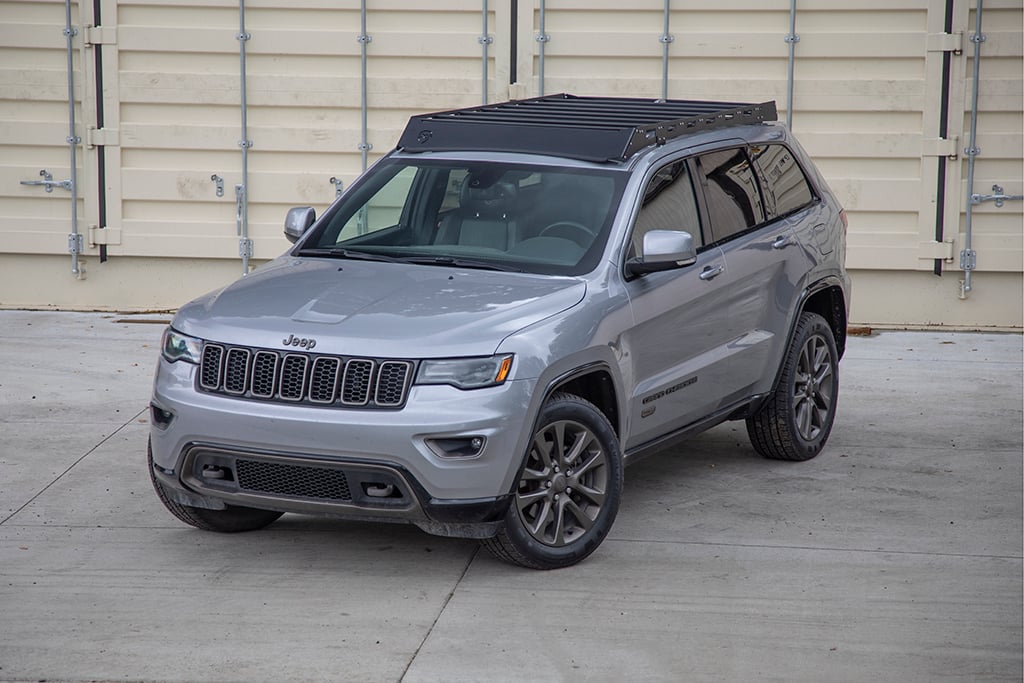
Credit: www.jcroffroad.com
Where To Find More Help
If you run into trouble or need more details, your local Jeep dealer or a 4×4 accessory shop can help. Online communities for Jeep Grand Cherokee owners often share installation tips and review different rack brands.
For deeper technical information, the official Jeep Accessories page lists compatible products and installation guides.
Frequently Asked Questions
How Much Weight Can I Put On My Jeep Grand Cherokee Roof Rack?
Most Grand Cherokees can safely carry 150–165 lbs (68–75 kg) on the roof, including the rack. Check your owner’s manual for your exact model. Never exceed this limit, as it can damage your roof and affect safety.
Do I Need Side Rails To Install A Roof Rack?
Yes, most roof racks for the Grand Cherokee need side rails to attach. Some racks are available for “naked” roofs, but they are less common. If your Jeep does not have rails, you can buy and install them separately.
Will A Roof Rack Affect My Gas Mileage?
Yes, even an empty roof rack can reduce fuel efficiency by 1–3 miles per gallon due to extra wind resistance. Heavier or taller loads can cut mileage even more. Remove the rack when not in use to save fuel.
Can I Install The Rack By Myself?
Most Jeep Grand Cherokee roof racks are designed for easy DIY installation. One person can usually do the job, but having a friend helps with alignment and lifting. Always follow the manufacturer’s instructions.
How Do I Prevent Roof Rack Theft?
Some racks come with locking bolts or special keys. Always use them. For extra security, park in well-lit areas and remove valuable accessories when you leave your Jeep unattended.
Installing a roof rack on your Jeep Grand Cherokee opens up new possibilities for travel and adventure. Take your time, follow these steps, and you will enjoy safe, worry-free journeys with all your gear.